What Causes Death Wobble in Jeeps: Top Reasons and Fixes
 Reading Time: 8 minutes
 Death wobble is a frightening experience for any Jeep owner. Imagine driving down the highway, and suddenly, your steering wheel shakes violently. The whole front end feels like it’s going to fall apart. Many drivers panic, thinking something is seriously broken. The truth is, death wobble is common in Jeeps, especially after modifications or as the vehicle ages. If you’re new to Jeeps or just heard the term for the first time, this article will help you understand what causes it, how to spot the signs, and what you can do to prevent it.
What Is Death Wobble?
Death wobble is a term used for a severe shaking or vibration in the front wheels and steering. It usually happens at speeds above 40 mph and is triggered by hitting a bump, pothole, or uneven road. This shaking feels uncontrollable and may force you to slow down or stop.
- Most often affects solid front axle Jeeps like Wrangler (TJ, JK, JL), Cherokee (XJ), and Grand Cherokee (ZJ, WJ).
- Can be triggered even by small imperfections in the road.
Many beginners confuse death wobble with normal vibration or tire imbalance. But death wobble is much more intense and alarming.
Why Jeeps Are Prone To Death Wobble
Jeeps with a solid front axle are more vulnerable to death wobble. Unlike independent suspension, solid axle designs connect both wheels with a single beam. This lets forces from one wheel travel across to the other, making vibrations harder to control.
- Lift kits and larger tires can make the problem worse.
- Older Jeeps, especially those with worn parts, are more likely to suffer.
The combination of heavy-duty off-road parts, modifications, and age means death wobble is a risk for many Jeep drivers.
Main Causes Of Death Wobble In Jeeps
1. Worn Steering Components
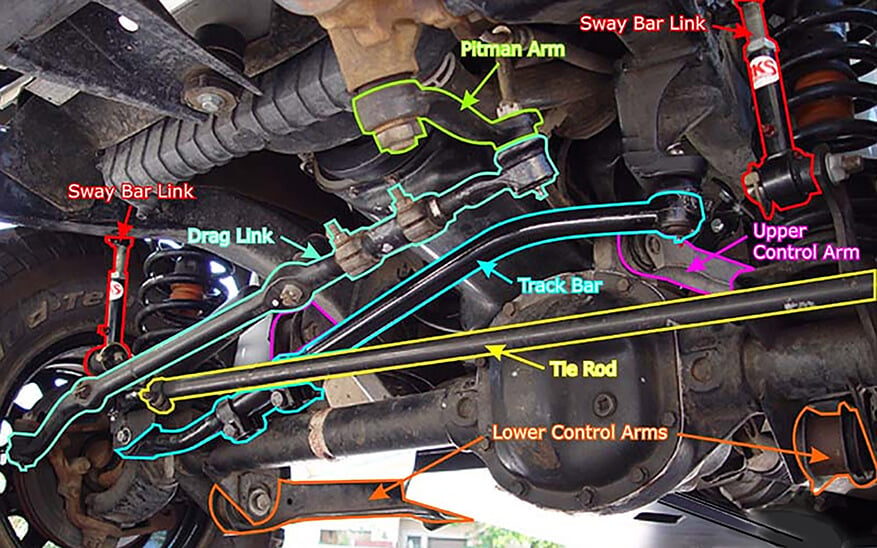
The steering system must be tight and strong. If any part is loose or worn, it can allow the axle to shake.
Common parts that wear out:
- Tie rod ends
- Drag link
- Track bar bushings
- Ball joints
For example, a worn track bar bushing lets the axle move side-to-side, starting a cycle of vibration.
2. Loose Or Broken Track Bar
The track bar is one of the most important pieces. It keeps the axle centered under the Jeep. If the track bar is loose or the bolts are not tight, the axle can shift, causing death wobble.
- Track bar bolts often loosen after off-road trips.
- Even a small amount of play can trigger wobble.
3. Suspension Lift Kits
Lift kits change the geometry of the suspension. If not installed correctly, they can lead to issues:
- Incorrect angles for control arms and track bar
- Increased stress on steering parts
Many beginners install lifts without checking for alignment or upgrading weak components.
4. Tire And Wheel Issues
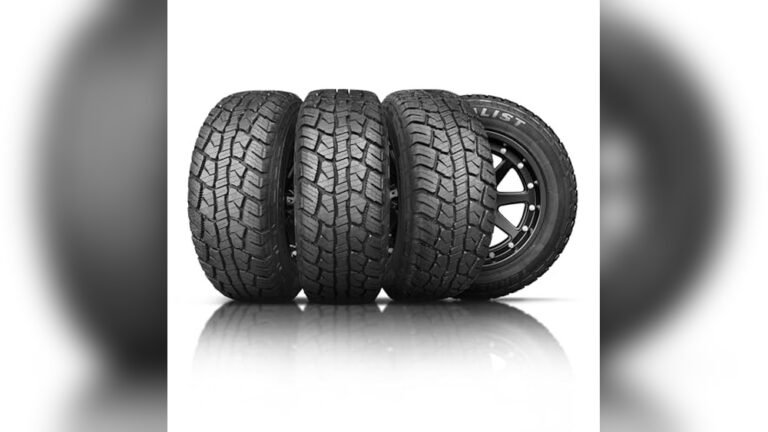
Unbalanced or damaged tires can start vibrations. If the Jeep already has loose parts, these vibrations can turn into death wobble.
- Large tires often require special balancing.
- Bent wheels or uneven tire wear make the problem worse.
5. Alignment Problems
A Jeep’s front-end alignment is critical. If the caster angle, toe, or camber is wrong, it can cause instability.
- Caster angle is especially important for stability.
- After any suspension work, alignment must be checked.
6. Worn Bushings And Bearings
Rubber bushings and wheel bearings wear out over time. Worn bushings let parts move when they shouldn’t.
- Common in older Jeeps or high-mileage vehicles.
- Cheap bushings in aftermarket parts may fail quickly.
7. Damaged Shocks Or Steering Stabilizer
Shocks and steering stabilizers help absorb bumps. If they’re weak or leaking, vibrations can get worse.
- Steering stabilizer is NOT a fix for death wobble, but a worn stabilizer can make it worse.
8. Frame And Mount Issues
Sometimes, the metal mounts for suspension parts crack or rust. This can let bolts loosen and parts move.
- Frame cracks are rare but serious.
- Check mounts after heavy off-road use.
How Death Wobble Starts: Step-by-step Example
A simple scenario:
- You drive over a pothole.
- The impact causes a small vibration.
- A loose track bar lets the axle shift.
- The movement shakes the steering components.
- The shaking grows stronger, spreading through the wheels and steering.
- You feel the steering wheel shake violently until you slow down or stop.
This cycle repeats until the loose parts are fixed.
Jeep Models Most Affected
Not all Jeeps suffer equally from death wobble. Here’s a quick comparison of popular models:
| Jeep Model | Solid Front Axle | Common Death Wobble |
|---|---|---|
| Wrangler TJ (1997-2006) | Yes | Very common |
| Wrangler JK (2007-2018) | Yes | Very common |
| Wrangler JL (2018+) | Yes | Common |
| Cherokee XJ (1984-2001) | Yes | Common |
| Grand Cherokee ZJ/WJ (1993-2004) | Yes | Occasional |
| Liberty KJ (2002-2007) | No | Rare |
Key Signs Of Death Wobble
To spot death wobble before it gets worse, look for these signs:
- Violent shaking of the steering wheel
- Whole Jeep feels like it’s bouncing side-to-side
- Shaking starts after hitting a bump
- Only stops when you slow down or stop
If you feel mild vibrations, check your Jeep before it gets worse.
How To Diagnose Death Wobble
Diagnosing death wobble can be tricky. Here’s a step-by-step guide:
- Check Track Bar: Grab the track bar and try to move it. Any play means trouble.
- Inspect Steering Parts: Wiggle tie rods, drag link, and ball joints for looseness.
- Look at Bushings: Check rubber bushings for cracks or movement.
- Test Wheel Bearings: Jack up the Jeep and try to shake each wheel.
- Check Tire Balance: Look for uneven wear, missing weights, or bent rims.
- Review Alignment: Ask a shop to check caster, toe, and camber.
If you’re not sure, ask a mechanic who understands Jeeps.
Preventing Death Wobble
Prevention is easier than fixing death wobble once it starts. Here are proven steps:
- Regular inspections after off-road trips
- Torque track bar bolts to factory specs
- Replace worn bushings with high-quality parts
- Balance tires every 5,000 miles
- Upgrade weak steering parts if you add a lift kit
Many Jeep owners miss regular maintenance. Keeping parts tight and in good shape is the best way to avoid problems.

Credit: www.cjponyparts.com
Common Myths About Death Wobble
Many beginners believe things that aren’t true:
- Steering stabilizer fixes death wobble: It only masks symptoms. Fix loose parts first.
- Death wobble only happens in lifted Jeeps: Stock Jeeps can wobble if parts are worn.
- Large tires cause death wobble: Tires only trigger wobble if other parts are loose.
- You must replace the entire front end: Usually, fixing the track bar or bushings solves the issue.
Real Data: How Often Does Death Wobble Occur?
A study from the National Highway Traffic Safety Administration (NHTSA) found that:
- Over 15% of Jeep Wrangler owners report experiencing death wobble after 50,000 miles.
- Most cases happen after adding lift kits or larger tires.
Here’s a comparison of how often death wobble is reported by Jeep model and mileage:
| Jeep Model | Mileage Range | % Owners Reporting Death Wobble |
|---|---|---|
| Wrangler JK | 50,000-100,000 | 17% |
| Cherokee XJ | 75,000-125,000 | 12% |
| Wrangler JL | 25,000-75,000 | 9% |
Practical Tips For Beginners
If you’re new to Jeeps, here are some smart actions:
- Learn to recognize early signs (mild vibration, loose steering).
- Avoid cheap replacement parts—quality matters.
- After every off-road trip, inspect bolts and bushings.
- If you add a lift kit, upgrade the track bar and steering links.
- Balance tires at a trusted shop, not just with weights.
Many beginners miss the importance of regular torque checks. Even if parts look new, bolts can loosen over time.
Example: Fixing Death Wobble In A Wrangler Jk
A common real-world example:
- Owner installs a 2.5-inch lift kit and 33-inch tires.
- After a month, death wobble starts at highway speeds.
- Inspection finds loose track bar bolts and worn bushings.
- Owner replaces bushings with polyurethane, torques bolts, and balances tires.
- Death wobble is gone.
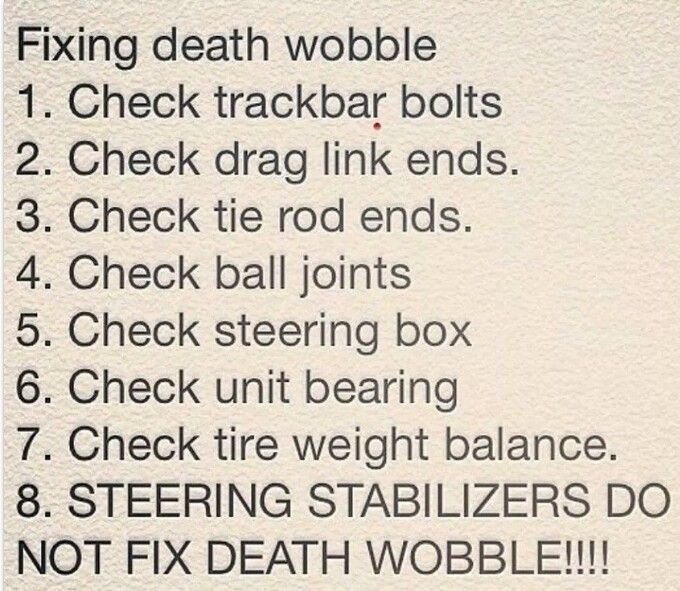
The key was fixing the root causes, not just adding a steering stabilizer.
Credit: www.offroadelements.com
Cost To Repair Death Wobble
Repair costs can vary:
- Track bar bushings: $30–$80
- Tie rod ends: $50–$120 each
- Wheel alignment: $80–$120
- Labor: $100–$300 (depends on shop)
If you do repairs yourself, you can save money, but make sure you torque everything correctly.
Jeep Death Wobble Vs. Normal Vibration
Many drivers confuse death wobble with regular vibration. Here’s a simple comparison:
| Feature | Death Wobble | Normal Vibration |
|---|---|---|
| Intensity | Violent, shakes whole Jeep | Mild, mostly steering wheel |
| Speed | Usually above 40 mph | Any speed |
| Trigger | Bump or pothole | Constant or gradual |
| Stops | Only when slowing down | May continue at all speeds |
Extra Insight: Two Things Beginners Often Miss
- Track bar bolts can loosen without visible damage. Many owners check for cracks or broken parts, but bolts may simply need tightening.
- Lift kits change suspension geometry. Even a small lift can make the angles wrong, causing instability if not corrected.
Trusted Resource For Further Reading
For more technical details about Jeep suspension and death wobble, check the Wikipedia Death Wobble page.
Credit: doubleblackoffroad.com
Frequently Asked Questions
Why Do Jeeps Experience Death Wobble More Than Other Vehicles?
Jeeps use a solid front axle design. This makes them strong for off-road but more likely to transfer vibrations through the suspension. When parts wear out or become loose, the design lets wobble start easily.
Can Death Wobble Happen In A Stock Jeep?
Yes. Even without modifications, death wobble can happen if bushings, track bar, or steering parts wear out. Regular maintenance is key.
Is Death Wobble Dangerous?
Death wobble can be scary and unsafe. It makes steering hard to control and could cause an accident if not fixed. Always address the cause right away.
Will A Steering Stabilizer Fix Death Wobble?
A steering stabilizer only hides the symptoms. It will not solve the root cause, which is usually loose or worn parts.
How Do I Stop Death Wobble Once It Starts?
If you feel death wobble while driving, slow down and stop safely. Inspect the track bar, bushings, and steering parts. Tighten bolts if possible, but see a mechanic for a full check.
Owning a Jeep is about adventure, but safety must come first. Understanding death wobble and what causes it will keep your Jeep stable and your journeys smooth. Always check your suspension after off-roading and don’t ignore early signs. With regular care and smart upgrades, you can avoid death wobble for years to come.