
Transmission Fluid for Jeep Grand Cherokee 2000: Ultimate Guide
 Reading Time: 7 minutes
 If you drive a Jeep Grand Cherokee 2000, you already know it’s a vehicle built for both comfort and off-road adventure. But to keep your Grand Cherokee running smoothly, you need to pay attention to something many drivers forget: the transmission fluid. This fluid is essential for gear shifts, cooling, and long-term transmission health. If you’re new to car care, don’t worry—this guide will explain everything you need to know about transmission fluid for your 2000 Jeep Grand Cherokee, step by step.
Why Transmission Fluid Matters
The transmission is one of the most complex and expensive parts of your Jeep. The fluid inside acts as a lubricant and coolant. Without good fluid, gears can overheat, shift roughly, or even fail.
- Lubrication: Reduces friction between moving parts.
- Cooling: Carries away heat from the transmission.
- Hydraulic Pressure: Helps change gears smoothly.
If you skip fluid checks or use the wrong type, you risk costly repairs or even a full transmission replacement.
What Transmission Fluid Does The 2000 Jeep Grand Cherokee Use?
Choosing the right fluid is critical. The 2000 Jeep Grand Cherokee came with different transmission options depending on the engine.
Transmission Types And Fluid Requirements
| Engine | Transmission | Recommended Fluid |
|---|---|---|
| 4.0L I6 | 42RE (Automatic) | ATF+4 (MS-9602) |
| 4.7L V8 | 45RFE (Automatic) | ATF+4 (MS-9602) |
| 2.7L Diesel (outside US) | Mercedes 5G-Tronic | MB 236.10 / 236.12 |
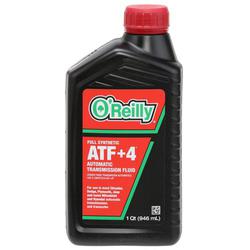
Most US models use ATF+4, a synthetic fluid designed for Chrysler vehicles. Never use Dexron, Mercon, or generic ATF, as they can damage the transmission.
How Much Fluid Do You Need?
Here’s a quick look at fluid capacities:
| Transmission | Drain & Fill | Total (Dry) |
|---|---|---|
| 42RE | 4 quarts (approx.) | 10.5 quarts |
| 45RFE | 6 quarts (approx.) | 14.5 quarts |
- Drain & Fill: Only replaces part of the fluid, typical for routine maintenance.
- Total (Dry): For a full rebuild or transmission replacement.
How To Check Transmission Fluid Level
Beginner tip: Always check transmission fluid when the engine is warm and running, and the Jeep is on a level surface.
- Start the engine and let it idle for a few minutes.
- Move the gear selector through all positions, ending in Park.
- Open the hood and find the transmission dipstick (usually labeled).
- Pull out the dipstick, wipe it clean, reinsert, and pull out again.
- Check the fluid level—it should be between “Add” and “Full” marks.
Fluid color should be red or pink. Brown or black fluid means it’s old or burnt.
Signs You Need To Change Your Transmission Fluid
Ignoring transmission fluid can lead to problems. Watch for these signs:
- Rough or delayed shifting
- Slipping gears
- Unusual noises (whining, clunking)
- Leaking fluid under the vehicle
- Burnt smell from the dipstick
Even if you don’t see these signs, regular fluid changes prevent issues before they start.
How Often Should You Change Transmission Fluid?
For the Jeep Grand Cherokee 2000, most experts recommend:
- Every 30,000 miles for normal driving.
- Every 15,000 miles for severe conditions (towing, frequent off-roading, stop-and-go traffic).
Some owners go longer, but this increases risk. Fluid is cheap compared to transmission repairs.
Step-by-step: Changing Transmission Fluid Yourself
If you want to save money and learn about your vehicle, you can change the fluid at home. Here’s how:
What You’ll Need
- 4-6 quarts of ATF+4 fluid
- New transmission filter and pan gasket
- Socket set
- Drain pan
- Funnel
- Clean rags
Steps
- Warm up the engine for 5 minutes, then turn it off.
- Lift the vehicle with ramps or a jack (use safety stands).
- Place a drain pan under the transmission.
- Remove the transmission pan bolts slowly. Fluid will start draining.
- Once drained, remove the pan completely.
- Replace the filter (usually clips or small bolts hold it).
- Clean the pan and magnet (removes metal shavings).
- Install a new gasket and put the pan back.
- Tighten bolts to factory specs (don’t overtighten).
- Refill through the dipstick tube using a funnel.
- Start the engine, check level, add fluid if needed.
Tips For Beginners
- Wear gloves—transmission fluid stains.
- Dispose of old fluid properly (local recycling center).
- Check for leaks after driving a few miles.
- Never overfill; too much fluid can cause foaming.
Choosing The Right Transmission Fluid Brand
Not all ATF+4 fluids are equal. Look for:
- Official certification: The label must say “ATF+4, MS-9602 approved.”
- Reputable brands: Mopar (OEM), Valvoline, Castrol, and Pennzoil are safe choices.
- Full synthetic: Offers better protection and performance.
Avoid universal fluids that claim to work for all vehicles—they often lack the right additives.
Common Mistakes To Avoid
Many beginners make small mistakes with big consequences. Here’s what to watch out for:
- Using the wrong fluid type: Can cause immediate or delayed damage.
- Not checking level correctly: Always check when warm and running.
- Ignoring leaks: Even small leaks can drain fluid quickly.
- Not replacing the filter: Old filters can clog and block fluid flow.
- Skipping routine changes: Waiting too long increases wear and repair costs.
Can You Use Additives?
Some products claim to “fix” transmission problems. Most experts recommend avoiding additives unless suggested by a mechanic. The right fluid, changed on schedule, is all most Jeep transmissions need.
Transmission Fluid Cost Breakdown
Wondering how much it costs to change transmission fluid? Here’s a rough estimate:
| Item | Cost (USD) |
|---|---|
| ATF+4 Fluid (4-6 quarts) | $30–$50 |
| Filter & Gasket Kit | $20–$30 |
| Labor (if done at shop) | $100–$180 |
| DIY Total | $50–$80 |
Doing it yourself saves money and helps you learn more about your Jeep.

Credit: www.youtube.com
Real-world Example: Fluid Change Impact
Many Jeep owners report smoother shifting and better fuel economy after changing old, dirty fluid. For example, a driver with a 2000 Grand Cherokee noticed that after a simple drain-and-fill, the hesitation when shifting from first to second gear disappeared.
This kind of result is common, especially if fluid hasn’t been changed for years.
Two Insights Beginners Often Miss
- Even “lifetime” fluids need changing: Some owners think factory-fill fluid lasts forever. In reality, heat and wear break down fluid over time.
- Transmission problems are often fluid-related: Many shifting issues can be solved or prevented with fresh, correct fluid.
Can You Switch Fluid Types?
Never switch from ATF+4 to Dexron or other fluids. Chrysler transmissions are designed for specific chemistry and friction properties. If your Jeep was mistakenly filled with the wrong type, a full flush and refill with ATF+4 is needed as soon as possible.
How To Spot Fluid Leaks
A small red or pink puddle under your Jeep after parking is a classic sign. Check under the transmission pan and around the cooling lines. Fix leaks promptly to avoid running low on fluid.

Credit: www.youtube.com
Where To Buy Transmission Fluid
You can buy ATF+4 at most auto parts stores, online retailers, and Jeep dealerships. Look for sealed containers with the approval label. Don’t buy open bottles or “universal” fluids at discount stores. If in doubt, ask the store staff to confirm compatibility with your 2000 Grand Cherokee.
Environmental Impact
Used transmission fluid is hazardous. Always collect and recycle it properly. Many auto parts stores accept used oil and fluid for free. Never pour it down drains or into the ground—it can pollute water and harm wildlife. For more information on proper disposal, see the EPA’s guide on used oil management.
Credit: www.oreillyauto.com
Frequently Asked Questions
What Happens If I Use The Wrong Transmission Fluid?
Using the wrong fluid can cause rough shifting, overheating, and even total transmission failure. Always use ATF+4 for the 2000 Jeep Grand Cherokee unless you have a rare export diesel model.
How Do I Know If My Transmission Fluid Is Bad?
Check for dark color, burnt smell, or gritty texture. If you notice these, change the fluid immediately.
Can I Just Top Off The Fluid Instead Of Changing It?
Topping off is fine for small leaks, but it won’t remove old, dirty fluid or contaminants. A full change is needed for proper maintenance.
What’s The Difference Between A Flush And A Drain & Fill?
A drain & fill replaces part of the fluid; a flush replaces almost all. Flushing is more thorough but requires special equipment. For most owners, drain & fill every 30,000 miles is enough.
Do I Need To Change The Filter Every Time?
Yes, for best results, change the transmission filter with every fluid change. It traps debris and helps protect your transmission.
Taking care of your Jeep Grand Cherokee’s transmission fluid is one of the smartest, easiest ways to keep it running strong for years. Regular fluid checks and changes protect your investment and make every drive smoother and safer. If you pay attention to the simple steps above, you’ll save money, avoid stress, and enjoy your Jeep’s power and reliability on every road.


