Tie Rod Bushing Replacement: Essential Tips for Smooth Steering
 Reading Time: 8 minutes
 If you’ve noticed your steering feels loose or your tires are wearing unevenly, your tie rod bushings might be the problem. These small but vital components connect your steering system to the wheels, keeping everything aligned and responsive.
Ignoring worn or damaged tie rod bushings can lead to shaky handling or even dangerous driving conditions. But don’t worry—you don’t have to be a mechanic to understand what’s going on or how to fix it. You’ll learn how to spot the signs of a bad tie rod bushing, why timely replacement matters, and what the process looks like step-by-step.
Read on to take control of your vehicle’s safety and steering performance today.
Signs Of Worn Tie Rod Bushings
Worn tie rod bushings cause several noticeable problems. They affect steering control and tire condition. Recognizing the signs early helps avoid costly repairs and unsafe driving.
Steering Play And Shaking
Loose tie rod bushings create steering play. The steering wheel may feel loose or vague. Shaking while driving, especially at high speeds, is common. This reduces driving stability and control.
Uneven Tire Wear
Damaged bushings cause misalignment in the wheels. This leads to uneven tire wear on the edges. Tires may wear out faster on one side. Uneven wear affects handling and increases replacement costs.
Clunking Noises When Turning
Worn bushings cause metal parts to hit each other. You might hear clunking or knocking sounds during turns. These noises increase with sharper or faster steering. Ignoring this can lead to more serious damage.
Visual Inspection Tips
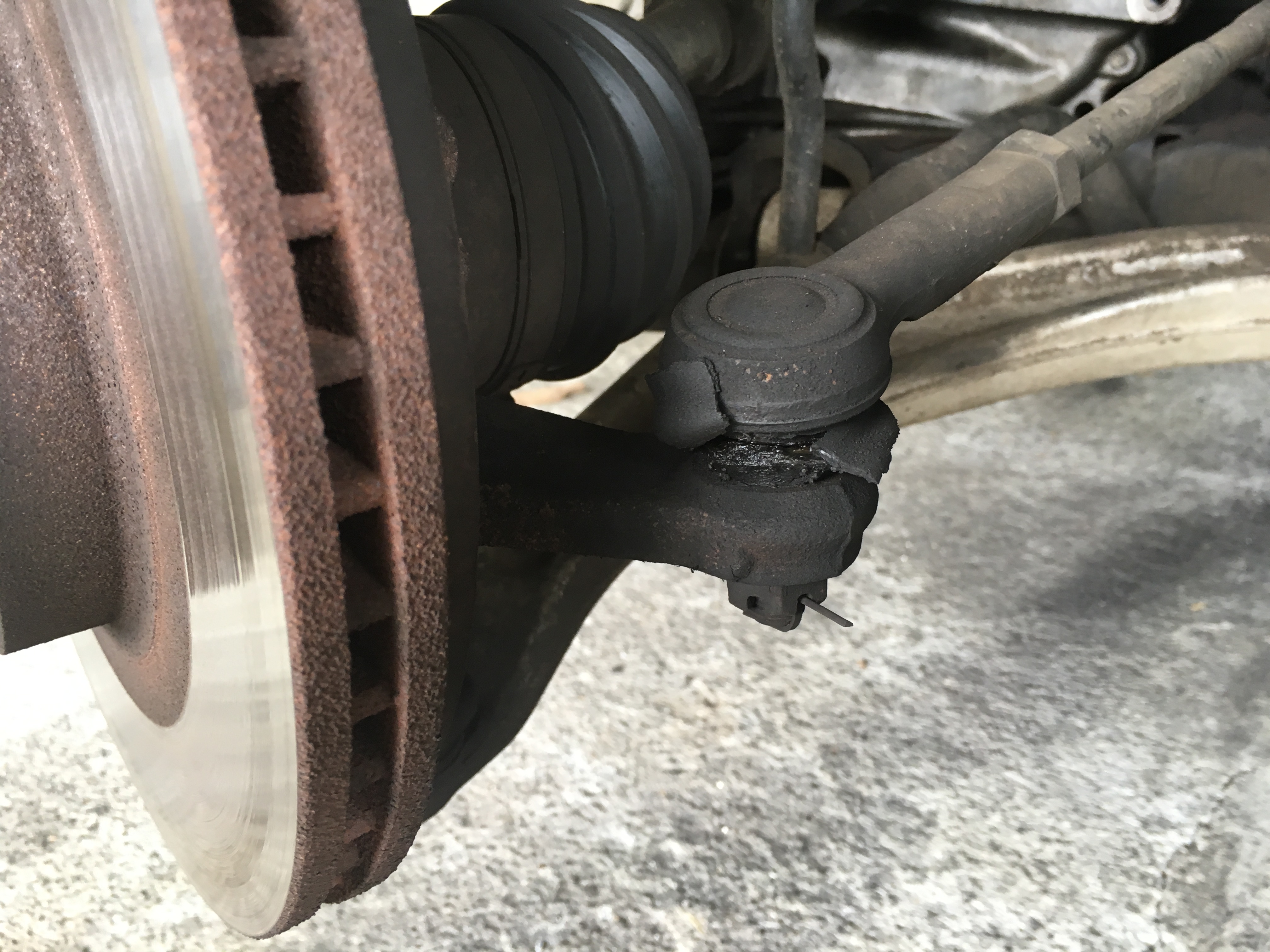
Check bushings for cracks, tears, or excessive wear. Look for grease leaks or damaged boots. Use a flashlight to inspect hard-to-see areas. Any visible damage means the bushings need replacement soon.
Risks Of Driving With Bad Tie Rod Bushings
Driving with bad tie rod bushings poses serious risks that affect vehicle safety and performance. These bushings play a key role in steering stability and wheel alignment. Worn or damaged bushings can lead to dangerous driving conditions. Understanding these risks helps you prioritize timely repairs and avoid accidents.
Loss Of Steering Control
Bad tie rod bushings cause loose or shaky steering. The connection between the steering rack and wheels weakens. This makes the vehicle harder to control, especially at high speeds. Sudden steering failure can lead to dangerous situations on the road.
Potential Wheel Separation
Worn bushings increase stress on tie rod ends. This can cause the tie rod to break or detach. A separated wheel may cause the driver to lose control completely. Wheel separation is a rare but severe consequence of ignoring tie rod bushing issues.
Safety Concerns On The Road
Driving with faulty tie rod bushings endangers everyone nearby. Unstable steering increases the chance of collisions. Uneven tire wear reduces traction and braking efficiency. Regular inspections and timely replacements keep roads safer for all drivers.
Parts And Costs Breakdown
Understanding the parts and costs involved in tie rod bushing replacement helps you plan better. This section breaks down key components and price factors. Knowing what parts you need and their costs can save time and money.
Outer Vs. Inner Tie Rod Ends
Outer tie rod ends connect directly to the wheel. They are easier and cheaper to replace. Inner tie rod ends link the steering rack to the outer rods. These are more complex and costlier to fix. Both parts affect your vehicle’s steering and safety.
Complete Replacement Kits
Complete kits include both inner and outer tie rod ends. These kits offer better value than buying parts separately. They ensure all worn parts get replaced at once. Kits often come with necessary hardware like bushings and seals. This option reduces future repair needs.
Factors Affecting Replacement Price
Several factors influence the cost of tie rod bushing replacement:
- Vehicle Type: Luxury or larger SUVs cost more to repair.
- Part Type: Inner tie rods are pricier than outer ones.
- Labor Costs: Complex repairs take more time and raise labor fees.
- Location: Prices vary depending on the region and service center.
- Quality of Parts: OEM parts cost more than aftermarket options.
Knowing these factors helps you budget correctly for your tie rod bushing replacement.

Credit: www.youtube.com
Tools And Preparations
Preparing for tie rod bushing replacement requires careful planning and the right tools. Proper preparation ensures the job goes smoothly and avoids damage. Understanding safety steps, marking alignment, and gathering tools are key.
Safety Measures
Wear safety glasses to protect your eyes from debris. Use gloves to avoid cuts and grease on your hands. Ensure the car is on a flat surface and use wheel chocks. Always lift the vehicle with a strong jack and secure it with jack stands. Never work under a car supported only by a jack.
Alignment Marking Techniques
Before removing the old bushing, mark the current position of tie rods. Use a marker or paint pen to draw lines on the tie rod and the steering knuckle. This helps keep the alignment close to factory settings. It reduces the need for a full alignment after replacement. Take pictures as additional reference.
Essential Tools List
Gather these tools to replace tie rod bushings efficiently:
- Socket set with ratchet and extensions
- Wrenches, including adjustable and combination types
- Tie rod puller or pickle fork to separate tie rod ends
- Torque wrench to tighten bolts to specifications
- Jack and jack stands for safe vehicle lifting
- Hammer and punch for removing stubborn bushings
- Penetrating oil to loosen rusted parts
- Grease and cleaning rags for maintenance and cleanup
Step-by-step Replacement Process
Replacing tie rod bushings improves steering precision and safety. This step-by-step guide simplifies the process for any car owner. Follow each step carefully for best results.
Lifting And Securing The Vehicle
Park the car on a flat surface. Use a jack to lift the front end. Place jack stands under the frame for support. Never rely on the jack alone. Ensure the vehicle is stable before proceeding. Remove the front wheels to access the tie rods easily.
Removing Old Tie Rod Bushings
Locate the tie rod assembly connected to the steering knuckle. Loosen the locking nuts on the tie rod ends. Use a tie rod puller or hammer to separate the ends from the knuckle. Slide off the old bushings carefully. Check for any damage to surrounding parts.
Installing New Bushings
Clean the tie rod surfaces before installation. Apply a small amount of grease on new bushings for smooth fit. Slide the new bushings onto the tie rod ends. Align them properly to avoid steering issues. Tighten the locking nuts securely but avoid over-tightening.
Securing Boots And Components
Inspect the rubber boots for any tears or damage. Replace damaged boots to protect the bushings from dirt and moisture. Secure the boots with clamps or zip ties. Double-check all components for tightness. Reinstall the wheels and lower the vehicle carefully.

Credit: www.reddit.com
Post-replacement Alignment
After replacing tie rod bushings, aligning the wheels is crucial. Proper alignment ensures safe steering and prevents uneven tire wear. Misalignment can cause pulling, vibration, and faster tire damage. Addressing alignment right after replacement keeps your vehicle stable and extends the life of your new parts.
Importance Of Professional Alignment
Professional alignment uses precise tools to set correct angles. Experts adjust camber, caster, and toe to factory specs. This process improves handling, safety, and tire life. A professional check ensures no hidden issues affect steering. It also saves time and avoids costly mistakes.
Diy Alignment Tips
Some simple steps help with basic DIY alignment. Park on a level surface and check tire pressure first. Use a tape measure to compare distances between front and rear tires. Adjust the tie rods slightly if needed. Turn the steering wheel fully left and right to check smoothness. Always test drive carefully after adjustments.
Preventing Future Wear
Regular inspections keep bushings and tie rods healthy. Avoid rough roads and sharp turns to reduce stress. Keep tires properly inflated for even wear. Schedule periodic alignment checks every 12,000 miles or after suspension work. Timely maintenance prevents premature bushing failure and keeps steering precise.
Maintenance Tips For Longevity
Maintaining tie rod bushings extends their service life and ensures safe driving. Simple care steps prevent premature wear and costly repairs. Pay attention to small signs during regular maintenance to keep the steering system in good shape.
Regular Inspections
Check tie rod bushings often for cracks or wear. Use a flashlight to see inside the boots. Look for any looseness by moving the steering wheel gently back and forth. Early detection stops damage from spreading.
Protecting Against Road Grit
Road grit and debris cause fast wear on bushings. Clean the area around the tie rod after driving on rough roads. Avoid driving through deep mud or heavy gravel where possible. A clean environment helps the bushings last longer.
Lubrication And Boot Care
Keep bushings lubricated to reduce friction and wear. Use grease recommended by the vehicle manufacturer. Inspect rubber boots for tears or holes and replace if damaged. Intact boots keep grease in and dirt out.
Credit: community.cartalk.com
Frequently Asked Questions
Can You Drive With A Bad Tie Rod Bushing?
Driving with a bad tie rod bushing is unsafe. It causes loose steering and uneven tire wear. Replace it promptly to avoid loss of control and costly repairs.
What Are The Symptoms Of A Bad Tie Rod Bushing?
Symptoms of a bad tie rod bushing include loose or shaky steering, uneven tire wear, clunking noises when turning, and excessive wheel play.
What Is The Average Cost To Replace A Tie Rod?
The average cost to replace a tie rod ranges from $100 to $300. Labor and part type affect the price. Luxury or larger vehicles may cost more. The price includes parts, labor, and alignment for proper steering. Inner tie rods often cost more than outer ones.
What Is A Tie Rod Bushing?
A tie rod bushing cushions the connection between the tie rod and steering components. It reduces vibration and protects against wear.
What Are The Signs Of A Worn Tie Rod Bushing?
A worn tie rod bushing causes loose or shaky steering. You may hear clunking noises when turning. Uneven tire wear is another common sign.
Conclusion
Replacing tie rod bushings keeps your steering smooth and safe. Worn bushings cause shaky steering and uneven tire wear. Timely replacement prevents costly damage and improves vehicle control. Always inspect bushings regularly for signs of wear or noise. Proper installation and alignment ensure long-lasting performance.
Taking care of tie rod bushings protects your car and your safety on the road. Regular maintenance saves money and avoids unexpected repairs. Stay alert to any changes in steering feel or noises. A simple fix makes a big difference in driving comfort and safety.