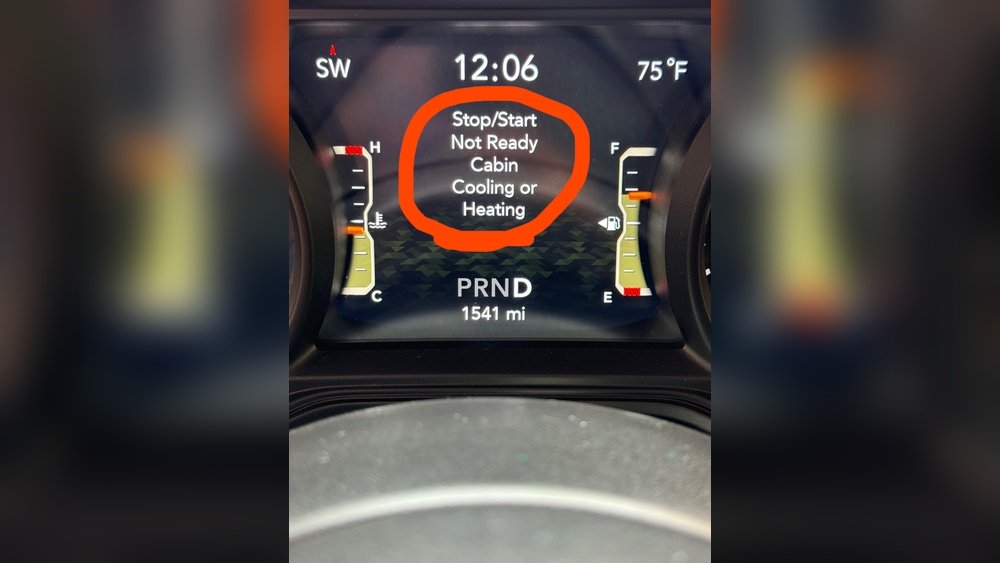
Stop Start Not Ready Cabin Cooling Or Heating

Stop Start Not Ready Cabin Cooling Or Heating: Quick Fixes Revealed

Have you ever noticed the message “Stop Start Not Ready Cabin Cooling or Heating” on your vehicle’s dashboard and wondered what it means? It can be confusing and even frustrating when your car’s automatic stop-start system doesn’t engage as expected.

This message isn’t just a random alert—it’s your vehicle’s way of telling you that it needs to keep the engine running to maintain a comfortable cabin temperature or because the battery isn’t ready yet. Understanding why this happens and what you can do about it will help you avoid discomfort and keep your car running smoothly.

Keep reading to find out the common reasons behind this message and the simple steps you can take to fix it.

Stop-start System Basics

The stop-start system helps save fuel by turning off the engine when the vehicle stops. It restarts the engine automatically when the driver is ready to move again. This system reduces emissions and lowers fuel consumption in city traffic.

Understanding how the stop-start system interacts with cabin cooling and heating is important. These systems work together to keep the vehicle comfortable without wasting energy.

How Stop-start Works

The stop-start system turns off the engine when the vehicle is stopped. It uses sensors to detect when to stop or restart the engine. This saves fuel during idling times, like at traffic lights.

When the system stops the engine, it also pauses some engine-driven components. The engine restarts quickly when the brake is released or the accelerator is pressed.

Role Of Cabin Cooling And Heating

Cabin cooling and heating depend on the engine to work properly. The air conditioner compressor and heater need engine power to run. When the stop-start system turns the engine off, these systems may pause.

The system tries to keep the cabin temperature comfortable. If the temperature is far from the set point, it may keep the engine running. This prevents discomfort and maintains climate control.

Common Causes Of ‘not Ready’ Message

The “Not Ready” message in stop-start systems often confuses drivers. It signals the system cannot shut off the engine temporarily. The vehicle prioritizes comfort and safety by keeping the engine running. Several factors cause this message to appear. Understanding these helps in managing cabin cooling or heating effectively.

Hvac Demand And Engine Operation

The heating, ventilation, and air conditioning (HVAC) system controls cabin temperature. When set to extreme levels, like very hot or cold, the system demands more power. The engine must stay on to supply this power. This prevents the stop-start system from activating. The engine runs continuously to keep the cabin comfortable.

Temperature Differences Impact

Large gaps between cabin temperature and the set temperature trigger the message. The system works harder to reach the desired climate. It keeps the engine running to maintain steady temperature. This avoids discomfort from sudden temperature changes. The stop-start feature temporarily disables until the cabin stabilizes.

Sensor Malfunctions

Temperature sensors monitor the cabin and HVAC system status. Faulty or dirty sensors send incorrect data. This confuses the stop-start system and causes the “Not Ready” message. Sensor issues prevent the system from functioning properly. Checking and replacing malfunctioning sensors can fix this problem.


Battery And Charging Issues

Battery and charging issues can stop the start-stop system from working properly. The system needs a healthy battery to operate. Problems with the battery or charging system often cause the “Stop Start Not Ready Cabin Cooling or Heating” message. Understanding how battery health and charging affect this system helps keep your vehicle running smoothly.

Battery Health And Start-stop Function

The start-stop system relies heavily on battery health. A weak or old battery may not hold enough charge. This causes the system to disable itself to save energy. The vehicle avoids shutting off the engine if the battery cannot restart it. Regular battery checks are important to keep the start-stop feature active.

Impact Of Short Trips On Battery

Short trips do not give the battery enough time to recharge fully. This leads to a gradual loss of battery power. The system detects low battery levels and disables the start-stop function. Frequent short drives in the city may cause this issue. Longer drives allow the battery to recharge and support the system better.

Charging System Checks

The charging system keeps the battery powered while driving. A faulty alternator or wiring problems reduce battery charging. This causes the start-stop system to stop working. Regular checks of the alternator and cables help prevent charging issues. Fixing these problems ensures the start-stop system can operate as designed.

Stop Start Not Ready Cabin Cooling Or Heating: Quick Fixes Revealed

Credit: www.youtube.com

Resetting The Stop-start System

Resetting the stop-start system can resolve issues with cabin cooling or heating not working. This system controls when the engine stops and starts to save fuel and reduce emissions. Sometimes, it needs a reset to function properly again. Resetting helps the system recalibrate sensors and settings for better performance.

Follow simple reset steps before seeking professional help. These steps often fix common problems quickly. Understanding when to reset and when to call a technician saves time and effort.

Basic Reset Techniques

Turn off the vehicle completely. Wait for about one minute. Restart the engine and check if the message disappears.

Disconnect the car battery for five to ten minutes. Reconnect it to reset the system’s memory. This can clear minor errors in the stop-start system.

Use the vehicle’s infotainment or settings menu to reset the climate control system. Some cars have a specific reset option for stop-start and HVAC systems.

Drive the car for a few minutes at moderate speed. This lets the system recalibrate sensors and update internal settings.

When To Seek Professional Help

If basic resets do not work, consult a qualified mechanic. Persistent stop-start errors may indicate sensor or module failure.

Unusual noises, warning lights, or frequent system shutdowns need expert diagnosis. Professionals can run detailed scans and tests.

Faulty cabin temperature sensors or HVAC components require replacement or repair by specialists. Attempting complex fixes without knowledge can cause more damage.

Visit a service center if the system resets but the problem returns quickly. Continuous issues suggest deeper electrical or software faults.

Sensor And Hvac Diagnostics

Sensor and HVAC diagnostics play a key role in resolving stop-start system issues related to cabin cooling or heating. These diagnostics help identify sensor faults or HVAC module problems. Faulty sensors or malfunctioning HVAC components may prevent the system from working properly. Detecting these issues early ensures comfort and proper engine function. This section focuses on how to check cabin temperature sensors and inspect the HVAC module.

Checking Cabin Temperature Sensors

Cabin temperature sensors monitor the inside air temperature. They send data to the HVAC system to adjust heating or cooling. A faulty sensor may send wrong information. This causes the system to run constantly or not at all.

Use a diagnostic tool to read sensor data. Compare the readings with actual cabin temperature. Replace the sensor if the data is inaccurate or missing. Inspect the sensor wiring for damage or loose connections. Cleaning the sensor can also improve performance.

Hvac Module Inspection

The HVAC module controls the heating, ventilation, and air conditioning. It processes sensor data and manages system components. A faulty HVAC module can cause the stop-start system to show “Not Ready.”

Check for error codes in the HVAC control unit using a scan tool. Look for software updates or resets that may fix bugs. Inspect the module’s connectors and wiring for corrosion or damage. Replace the module if it fails diagnostics or shows repeated errors.

Stop Start Not Ready Cabin Cooling Or Heating: Quick Fixes Revealed
Credit: www.reddit.com

Driving Habits Affecting System Performance

Driving habits play a key role in the performance of your vehicle’s stop-start system. This system controls when the engine stops and starts to save fuel and reduce emissions. The way you drive can impact how well your cabin cooling or heating works. Understanding these habits helps improve system efficiency and comfort inside your car.

Effects Of Driving Style

Aggressive driving with frequent stops and starts can strain the stop-start system. Rapid acceleration and hard braking reduce the system’s ability to maintain a stable cabin temperature. Slow and steady driving allows the system to work smoothly. Keeping a consistent speed helps the engine restart less often, improving cabin cooling and heating performance. Short trips with many stops force the engine to run more, which may delay climate control adjustments.

Maintaining Battery Charge On The Go

The stop-start system relies heavily on battery power. Driving habits that keep the battery charged ensure the system works properly. Long drives at steady speeds allow the alternator to recharge the battery. Frequent short trips can drain the battery, causing the system to disable cabin cooling or heating temporarily. Avoid using many electrical accessories at once, as this also uses battery power. Regularly maintaining your battery and alternator supports consistent system performance during your drives.

Preventive Maintenance Tips

Preventive maintenance helps avoid the “Stop Start Not Ready Cabin Cooling or Heating” issue. Small checks keep your car’s system running smoothly. This saves time and money on repairs.

Regular upkeep ensures the battery and HVAC system work well. These tips focus on easy steps anyone can follow. They improve cabin comfort and system reliability.

Regular Battery Tests

Check the battery health frequently. A weak battery can prevent the stop-start system from activating. Test voltage and charging capacity every few months.

Replace old batteries before they fail. Clean battery terminals to avoid poor connections. Good battery power supports cooling and heating functions.

Keeping Hvac System In Check

Inspect the HVAC system regularly. Dirty filters reduce airflow and system efficiency. Change filters as recommended by the vehicle manual.

Check for sensor faults or unusual noises. A malfunctioning sensor can cause system errors. Make sure the air conditioning and heater work without issues.

Service the HVAC system annually. Proper maintenance helps maintain the right cabin temperature. This prevents the engine from running unnecessarily.

Stop Start Not Ready Cabin Cooling Or Heating: Quick Fixes Revealed

Credit: www.reddit.com

Frequently Asked Questions

What Does It Mean When My Car Says Stop-start Not Ready?

The “Stop-Start Not Ready” message means the system disables engine stop due to cabin temperature needs or battery limits. It ensures comfort by keeping the engine running to support heating or cooling. This prevents battery drain and maintains proper HVAC function during extreme temperatures.

How To Reset Start Stop System?

Turn off the engine and restart the vehicle to reset the start-stop system. If the issue persists, check battery charge and sensor function.

Does Stop-start Work With Ac On?

The stop-start system usually disables when AC is on to maintain cabin cooling. The AC compressor needs the engine running to function.

How Do I Reset My Jeep Climate Control?

To reset Jeep climate control, turn off the engine, wait a minute, then restart the vehicle. Check and adjust temperature settings. If the “Stop/Start Not Ready” message persists, inspect sensors or visit a dealer for diagnostics.

What Does “stop Start Not Ready” Mean In Cabin Cooling?

This message shows the auto stop-start system is paused. The HVAC needs the engine running to reach the set cabin temperature.

Conclusion

The “Stop Start Not Ready Cabin Cooling or Heating” message helps keep your car comfortable. It shows the system is working to reach the right temperature. Sometimes, it means the engine must run longer to power heating or cooling. Check your settings and battery health to avoid issues.

If problems continue, have a professional inspect sensors and controls. Understanding this message helps you maintain a smooth driving experience and proper cabin comfort. Stay aware, and your vehicle will keep you comfortable on every trip.

Author

  • Jahslove Alozie

    Jahslove Alozie is an experienced automobile mechanic who specializes in Japanese, American, Korean cars, and more. He is skilled in diagnosing and programming car systems like the brain box and ABS. Currently, Jahslove is an author for Jeep Corner, a blog dedicated to all things Jeep. On Jeep Corner, he shares helpful tips, DIY guides, and how-to articles for Jeep enthusiasts.

    View all posts

Related Posts