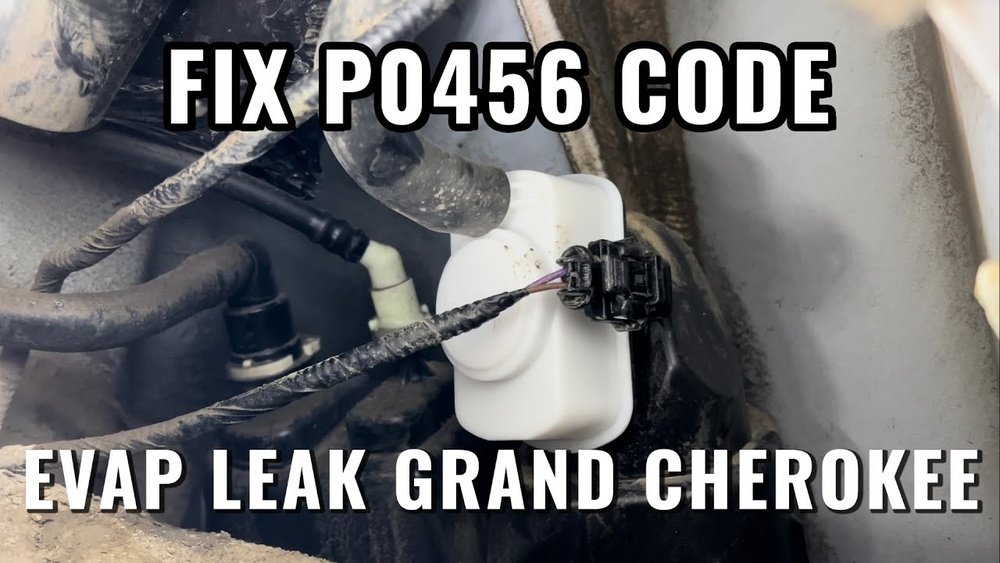
Po456 Code Jeep: Ultimate Guide to Diagnose & Fix Quickly
 Reading Time: 9 minutes
 If you’ve just seen the P0456 code pop up on your Jeep’s dashboard, you’re probably wondering what it means and how to fix it. This code signals a small leak in your vehicle’s EVAP (evaporative emission control) system, which helps control fuel vapors and keeps your Jeep running clean and efficient.
Ignoring this warning can lead to more serious problems down the road—and nobody wants that. In this guide, you’ll learn the most common causes of the P0456 code, simple checks you can do yourself, and when it’s time to seek professional help.
Keep reading to protect your Jeep and get back on the road with confidence.
Po456 Code Basics
The PO456 code is a common issue for Jeep owners. It relates to the evaporative emission control system (EVAP). This system stops fuel vapors from escaping into the air. Understanding the basics of the PO456 code helps in fixing it quickly. This section covers what triggers the code and common symptoms to watch for.
What Triggers The Code
The PO456 code signals a problem with the EVAP system’s purge flow. The purge valve may be stuck open or closed. It could also be a damaged or loose gas cap. Cracked or broken EVAP hoses cause leaks. A faulty vent valve or charcoal canister can also trigger the code. The system detects these issues by monitoring pressure changes.
Common Symptoms
A Jeep with a PO456 code often shows a check engine light. The engine might run rough or stall sometimes. Fuel smell near the vehicle is a clear sign. You may notice poor fuel economy. Starting problems and hesitation during acceleration can occur. These symptoms point to a leak or blockage in the EVAP system.

Credit: www.jeepgarage.org
Top Causes
The PO456 code in Jeep models points to an issue in the EVAP system. This system controls fuel vapors to reduce pollution. Several common parts can cause this code. Identifying the cause helps fix the problem quickly and avoid further damage.
Loose Or Damaged Gas Cap
A loose or damaged gas cap is the most frequent cause of the PO456 code. If the cap does not seal well, fuel vapors escape. This loss triggers the error code. Tightening the cap until it clicks or replacing a cracked seal often solves the issue. Using the correct Mopar gas cap is important for a proper seal.
Faulty Purge Valve
The purge valve controls vapor flow from the charcoal canister to the engine. A stuck open or closed valve disrupts the system’s pressure. This disruption causes the PO456 code. A faulty purge valve may need cleaning or replacement to restore proper function.
Cracked Evap Hoses
Small EVAP hoses carry fuel vapors within the system. These hoses can crack, break, or become brittle over time. Cracks allow vapor leaks and cause the PO456 code. Inspect all hoses near the battery and fuel tank. Replace damaged hoses to stop leaks and clear the code.
Bad Vent Valve
The vent valve allows fresh air into the EVAP system. If it sticks closed or open, vapor pressure cannot balance correctly. This imbalance triggers the PO456 code. Testing the vent valve for proper operation helps identify if it needs replacement.
Leaking Charcoal Canister
The charcoal canister traps fuel vapors before they enter the engine. If the canister cracks or becomes saturated with fuel, it leaks vapors. Vapor loss causes the PO456 code. Inspect the canister for damage and replace it if leaking or clogged.
Initial Checks
The PO456 code on a Jeep signals an issue with the EVAP system. Starting with initial checks helps spot simple problems fast. These checks often fix the problem without costly repairs.
Begin by inspecting key parts that commonly cause the code. Small issues like a loose gas cap or a need to reset the code may solve the error. This saves time and effort before moving to complex diagnostics.
Gas Cap Inspection
Check the gas cap first. Remove it and look for cracks or worn seals. A damaged cap lets fuel vapors escape, triggering the PO456 code. Tighten the cap until it clicks firmly. If the cap is broken, replace it with an exact match for your Jeep model.
Resetting The Code
After fixing the gas cap or other minor issues, clear the code. Use an OBD-II scanner to reset the system. This step tells the Jeep to re-check the EVAP system. Drive the vehicle normally to see if the code returns. If it does, further inspection is needed.
Next Steps For Recurring Issues
Recurring Po456 codes on your Jeep signal deeper issues in the EVAP system. Simple fixes might not hold up. A detailed check of components becomes necessary. Follow these steps to find and fix hidden problems. This approach helps stop the code from returning.
Evap Hose Inspection
Start by examining all EVAP hoses carefully. Look for cracks, brittleness, or loose connections. Focus on areas near the battery and fuel tank. These spots often suffer from rubbing or heat damage. Replace any damaged hoses immediately. A secure hose prevents vapor leaks that trigger the code.
Charcoal Canister And Solenoids Check
Inspect the charcoal canister for cracks or signs of wear. Check the purge and vent solenoids for proper function. These parts control vapor flow and pressure. Faulty solenoids cause leaks and system errors. Swap out any damaged components to restore EVAP system integrity.
Using A Smoke Test
A smoke test reveals tiny leaks invisible to the eye. A professional machine pushes smoke into the EVAP system. Watch carefully for smoke escaping from hoses, canisters, or the fuel tank area. This test pinpoints exact leak locations. Fix leaks found during the smoke test to clear the Po456 code for good.
Advanced Diagnosis
Advanced diagnosis is key to fixing the PO456 code on Jeep vehicles. This code signals a leak in the EVAP system, which controls fuel vapor emissions. Detecting the exact leak spot can be tough without the right tools. Skilled technicians use precise methods to find and fix these leaks. Their work ensures the Jeep runs clean and passes emissions tests.
Smoke Machine Leak Detection
Smoke machine leak detection is a common way to find tiny EVAP leaks. The machine pumps smoke into the system. The smoke escapes from leaks, revealing their exact location. This method spots leaks in hoses, canisters, or fuel tank connections. It saves time and prevents guesswork in repairs.
Component Replacement
After locating leaks, technicians replace faulty parts. Cracked hoses and worn clamps get swapped with new ones. Faulty purge or vent solenoids also need replacement. Sometimes the charcoal canister or leak detection pump fails. Replacing these parts stops vapor leaks and clears the PO456 code.
Fuel Tank Crack Repair
Fuel tanks on some Jeeps may develop cracks near plastic nipples on top. These cracks cause leaks and trigger the PO456 code. Repairing with special pins and JB Weld can seal the crack. This fix restores tank integrity without full replacement. It is a cost-effective solution for specific fuel tank leaks.
Credit: www.evespo.nl
Steps To Fix
Fixing the PO456 code in a Jeep involves a few clear steps. Start with simple checks before moving to complex repairs. These steps help find the leak causing the code. Follow each step carefully to restore your Jeep’s EVAP system.
Tighten And Replace Gas Cap
The gas cap is often the main cause of PO456. Tighten the cap until you hear it click several times. If the seal looks cracked or worn, replace the gas cap with a new one. Use a Mopar or manufacturer-recommended cap for best results. This simple fix often clears the code quickly.
Inspect And Replace Evap Lines
Check all EVAP hoses and lines for cracks, holes, or disconnections. Look especially near the battery and fuel tank where rubbing can cause damage. Replace any brittle or broken hoses. Ensure all connections are secure to prevent vapor leaks. Damaged lines can trigger the PO456 code repeatedly.
Replace Esim Module
The ESIM (Evaporative Emission System Integrity Monitor) controls EVAP system tests. A faulty ESIM can cause false leak detections. Test the ESIM module for proper function. Replace it if it shows errors or fails to run tests. A good ESIM ensures accurate leak detection and system operation.
Professional Smoke Testing
For small leaks, professional smoke testing is the best option. A smoke machine pumps fog into the EVAP system to reveal leaks visually. This method finds hidden cracks in hoses, canisters, or the fuel tank. Smoke testing helps mechanics pinpoint the exact leak location quickly. It saves time and ensures thorough repairs.
Important Considerations
Addressing the Po456 code on your Jeep requires careful attention to detail. Some key points ensure proper repair and long-term success. Ignoring these can cause recurring issues or damage.
Focus on the right parts and follow exact service steps. This approach helps maintain your vehicle’s performance and safety.
Using Correct Parts
Always use parts made for your Jeep model. Generic parts might not fit or work properly. For example, Mopar gas caps match Jeep standards exactly. Using the right parts avoids leaks and error codes. It also protects sensitive components in the EVAP system.
Check part numbers and compatibility before buying. Quality parts last longer and reduce the chance of future repairs.
Following Service Manual Guidelines
Service manuals provide detailed instructions designed by Jeep engineers. These steps prevent mistakes during repairs. For instance, smoke testing the EVAP system must follow specific procedures. This ensures accurate leak detection.
Manuals also explain torque specs and order of operations. Skipping or changing steps can cause damage or incomplete fixes. Keep the manual handy during repairs for quick reference.
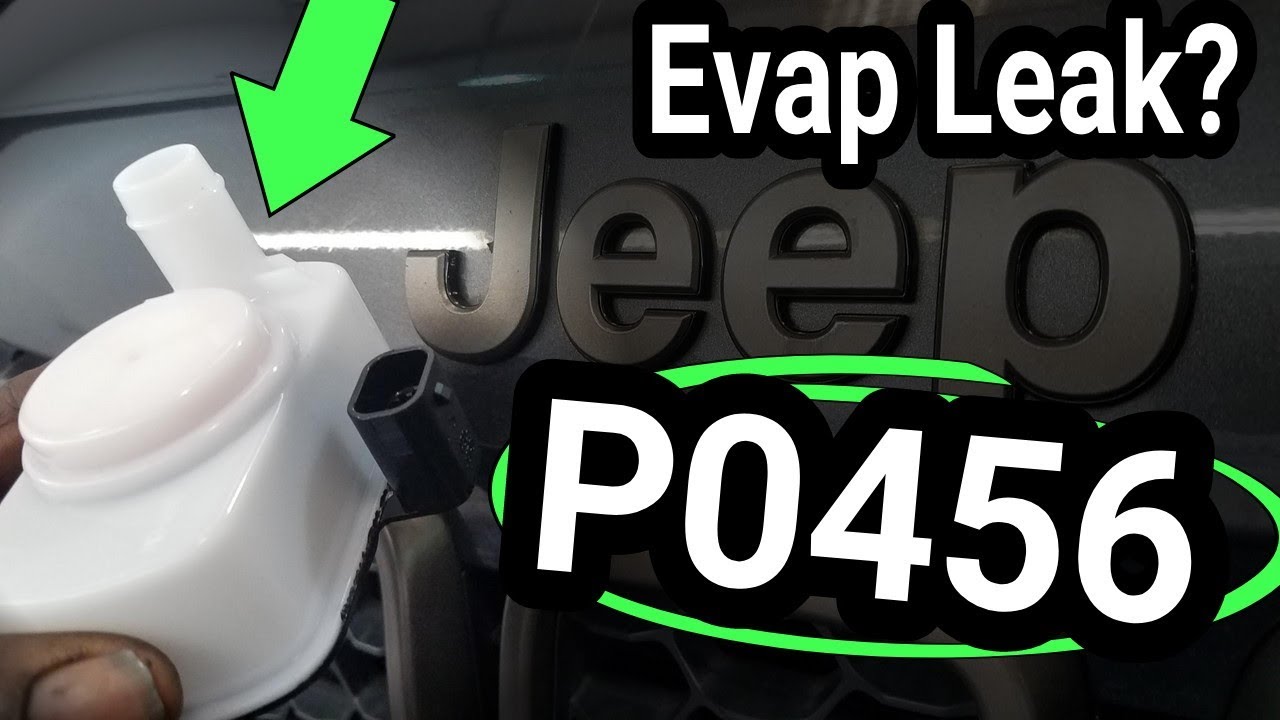
Credit: www.youtube.com
When To Seek Professional Help
Knowing when to get professional help for the PO456 code in your Jeep saves time and money. Some problems need expert tools and skills. Trying to fix complicated issues alone may cause more damage. Recognize signs that call for a mechanic’s attention.
Persistent Codes After Basic Fixes
Sometimes, the PO456 code stays even after tightening or replacing the gas cap. Checking hoses and the charcoal canister may not clear the code. This persistence means the problem is deeper. A mechanic can perform detailed tests and find hidden leaks.
They use special tools to scan the system and track down small faults. Continuing to drive with an unresolved code may harm your Jeep’s engine or emissions system. Early professional help avoids bigger repairs later.
Complex Leak Detection
Small EVAP leaks are hard to spot without proper tools. Smoke tests reveal tiny cracks in hoses, valves, or the fuel tank. These leaks cause the PO456 code and affect fuel efficiency. DIY methods rarely detect these leaks accurately.
Professional mechanics have smoke machines and pressure testers. They pinpoint exact leak locations quickly. Fixing these leaks requires precise replacement or repair parts. Professionals ensure the repair is done right the first time.
Frequently Asked Questions
How Do I Fix Code P0456 On My Jeep?
Tighten or replace your Jeep’s gas cap first. Inspect EVAP hoses, purge and vent valves for cracks or damage. Use a smoke test for hidden leaks. Replace faulty parts like the charcoal canister or solenoids. Consult a mechanic if the P0456 code persists.
What Is The Most Common Cause Of P0456?
The most common cause of P0456 is a loose or faulty gas cap. It often has a broken or cracked seal.
Is It Safe To Drive A Jeep With A P0456 Code?
Driving a Jeep with a P0456 code is generally safe short-term. Fix the small EVAP leak soon to avoid fuel vapor loss and check engine light issues.
How Much Does It Cost To Replace A Charcoal Canister On A Jeep Wrangler?
Replacing a charcoal canister on a Jeep Wrangler typically costs between $200 and $500. Labor and parts affect the price. Costs vary by model year and location. Always use OEM parts for best results and durability. Consult a trusted mechanic for an accurate estimate.
What Does The Po456 Code Mean In Jeep Vehicles?
The PO456 code means there is a leak in the EVAP system. This system controls fuel vapors from escaping into the air.
Conclusion
The PO456 code on your Jeep often points to EVAP system leaks. Start by checking the gas cap for a tight seal and visible damage. Inspect EVAP hoses and valves next, as cracks or faults cause vapor leaks. A smoke test helps find small leaks that are hard to see.
Fixing these issues keeps your Jeep running well and reduces emissions. Regular checks can prevent the code from returning. Stay attentive to these signs for a smoother driving experience.