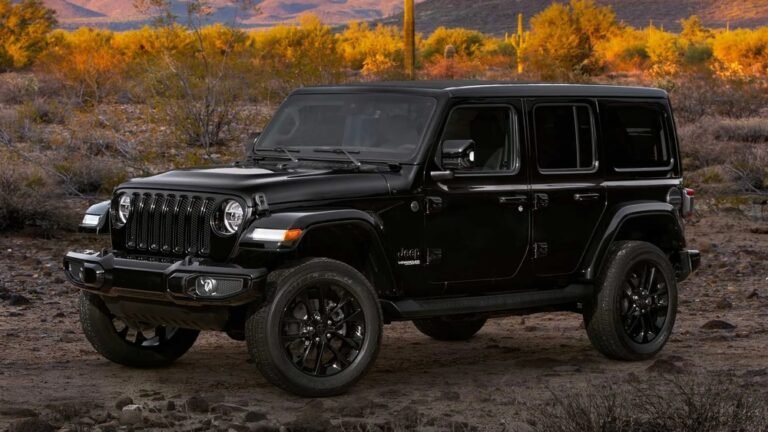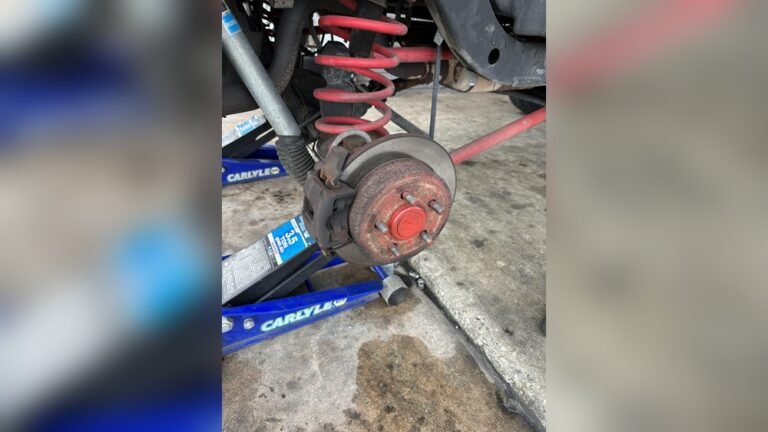
Normal Operating Temperature for Jeep Cherokee Ensuring Optimal Performance: Essential Guide
 Reading Time: 9 minutes
 When it comes to keeping your Jeep Cherokee running smoothly, knowing the normal operating temperature of your engine is key. You might wonder, “What temperature should my Jeep Cherokee run at?” or “Is it normal for my Jeep to run hot sometimes?” Understanding this simple fact can save you from costly repairs and keep your vehicle performing at its best.
You’ll discover what temperature range is ideal for your Jeep Cherokee, what signs to watch for if things aren’t right, and easy steps you can take to protect your engine. Keep reading to ensure your Jeep stays reliable and powerful every time you hit the road.
Jeep Cherokee Engine Temperature Range
The engine temperature range of a Jeep Cherokee plays a key role in its performance. Keeping the engine within the right temperature helps avoid damage and keeps the vehicle running smoothly. The engine must stay warm enough to burn fuel efficiently but not so hot that it overheats.
Monitoring the temperature gauge on your dashboard gives a clear sign of engine health. Understanding what is normal helps spot problems early. This section explains typical operating temperatures and how they vary by model.
Typical Operating Temperatures
The normal operating temperature for most Jeep Cherokee engines is between 195°F and 220°F (90°C to 105°C). Within this range, the engine runs efficiently and emissions are controlled. The thermostat usually opens around 195°F, allowing coolant to flow and keep the engine cool.
Temperatures below 195°F mean the engine may not be warm enough for proper fuel combustion. Temperatures above 220°F risk overheating, which can cause severe engine damage. Drivers should watch the temperature gauge and avoid prolonged high temperatures.
Temperature Variations By Model
Different Jeep Cherokee models have slight differences in their normal temperature ranges. Older models may run slightly cooler or hotter due to design and cooling system differences. Newer models often have improved cooling systems for better temperature control.
For example, the Jeep Cherokee Trailhawk may run a bit hotter during off-road driving due to extra engine load. The Latitude and Limited trims usually maintain stable temperatures under normal driving conditions. Always check the owner’s manual for specific temperature guidelines for your model.
Signs Of Overheating
Recognizing the signs of overheating in your Jeep Cherokee is crucial for keeping the engine healthy. Overheating can cause serious damage and reduce the vehicle’s performance. Early detection helps prevent costly repairs and keeps your Jeep running smoothly.
The engine’s normal operating temperature usually stays within a safe range. When it rises above this, the vehicle shows clear signs. Pay close attention to any unusual signals from your Jeep.
Warning Light Indicators
The dashboard warning lights are the first alerts of overheating. A red or yellow temperature gauge light means the engine is too hot. Some models may show a thermometer icon. Ignoring these lights can lead to engine failure. Always stop and check the issue as soon as a warning light appears.
Common Symptoms To Watch
Look for steam coming from under the hood. This indicates coolant boiling or leaking. The engine may make unusual noises like knocking or ticking sounds. Notice if the temperature gauge needle moves into the red zone. Another sign is a strong smell of hot coolant or burning rubber. Reduced engine power or sudden shutdowns also suggest overheating.
Factors Affecting Engine Temperature
Engine temperature plays a key role in your Jeep Cherokee’s performance. Several factors influence this temperature. Keeping these factors in check helps maintain the engine within its normal operating range. This prevents overheating and engine damage. Understanding these factors aids in timely maintenance and repairs.
Coolant Level And Quality
Coolant keeps the engine from overheating. Low coolant levels reduce cooling efficiency. Old or contaminated coolant loses its ability to absorb heat. Regularly check and replace coolant to protect the engine. Proper coolant quality ensures smooth temperature control.
Thermostat Functionality
The thermostat controls coolant flow in the engine. A stuck thermostat can block coolant circulation. This causes the engine to overheat quickly. A thermostat that opens too early lowers engine temperature too much. Testing and replacing faulty thermostats keeps temperature steady.
Radiator And Fan Condition
The radiator dissipates heat from the engine coolant. Dirt or debris can block airflow through the radiator. A damaged or broken fan reduces air movement. This limits cooling power, raising engine temperature. Clean the radiator and check the fan regularly for best results.
Environmental Influences
Outside temperature affects how hard the cooling system works. Hot weather puts extra stress on the engine cooling. Driving uphill or in heavy traffic increases engine heat. Dusty or muddy roads can clog cooling parts. Adjust your maintenance schedule based on driving conditions.
Maintaining Optimal Temperature
Maintaining the optimal temperature in your Jeep Cherokee is key to its smooth operation. The engine works best within a specific temperature range. Keeping this temperature steady prevents damage and ensures efficiency. Regular care of the cooling system helps avoid overheating and costly repairs.
Regular Coolant Checks
Coolant controls the engine temperature by absorbing heat. Check coolant levels often to avoid low fluid. Low coolant causes the engine to overheat quickly. Use the right type of coolant for your Jeep Cherokee. Top off the coolant if levels are low, but never open the radiator cap when hot.
Thermostat Replacement Timing
The thermostat regulates coolant flow through the engine. A faulty thermostat can cause abnormal temperature swings. Replace the thermostat as per your Jeep’s service schedule. Signs of failure include overheating or the engine running too cool. Timely replacement keeps the engine temperature stable.
Radiator Cleaning And Maintenance
The radiator dissipates heat from the coolant. Dirt and debris can block airflow, reducing cooling efficiency. Clean the radiator regularly to remove buildup and bugs. Check the radiator fan for proper operation. A clean radiator helps maintain the normal operating temperature.
Checking For Leaks
Leaks lower the coolant level and reduce cooling power. Inspect hoses, radiator, and water pump for signs of leaks. Look for wet spots or puddles under the vehicle. Fix leaks immediately to prevent engine overheating. Regular leak checks keep the cooling system reliable.
What To Do If Overheating Occurs
Overheating can damage your Jeep Cherokee’s engine quickly. Knowing what to do helps protect your vehicle and keeps you safe. Act fast but stay calm to handle the situation well.
Safe Pull-over Procedures
Turn on your hazard lights immediately. Find a safe spot to stop, away from traffic. Slowly ease off the road and park. Do not turn off the engine right away. Let it idle to cool down gradually.
Initial Inspection Steps
Wait at least 15 minutes before opening the hood. Check the coolant level in the reservoir. Look for visible leaks or puddles under the vehicle. Inspect the radiator for debris blocking airflow. Avoid opening the radiator cap while hot to prevent burns.
When To Call A Mechanic
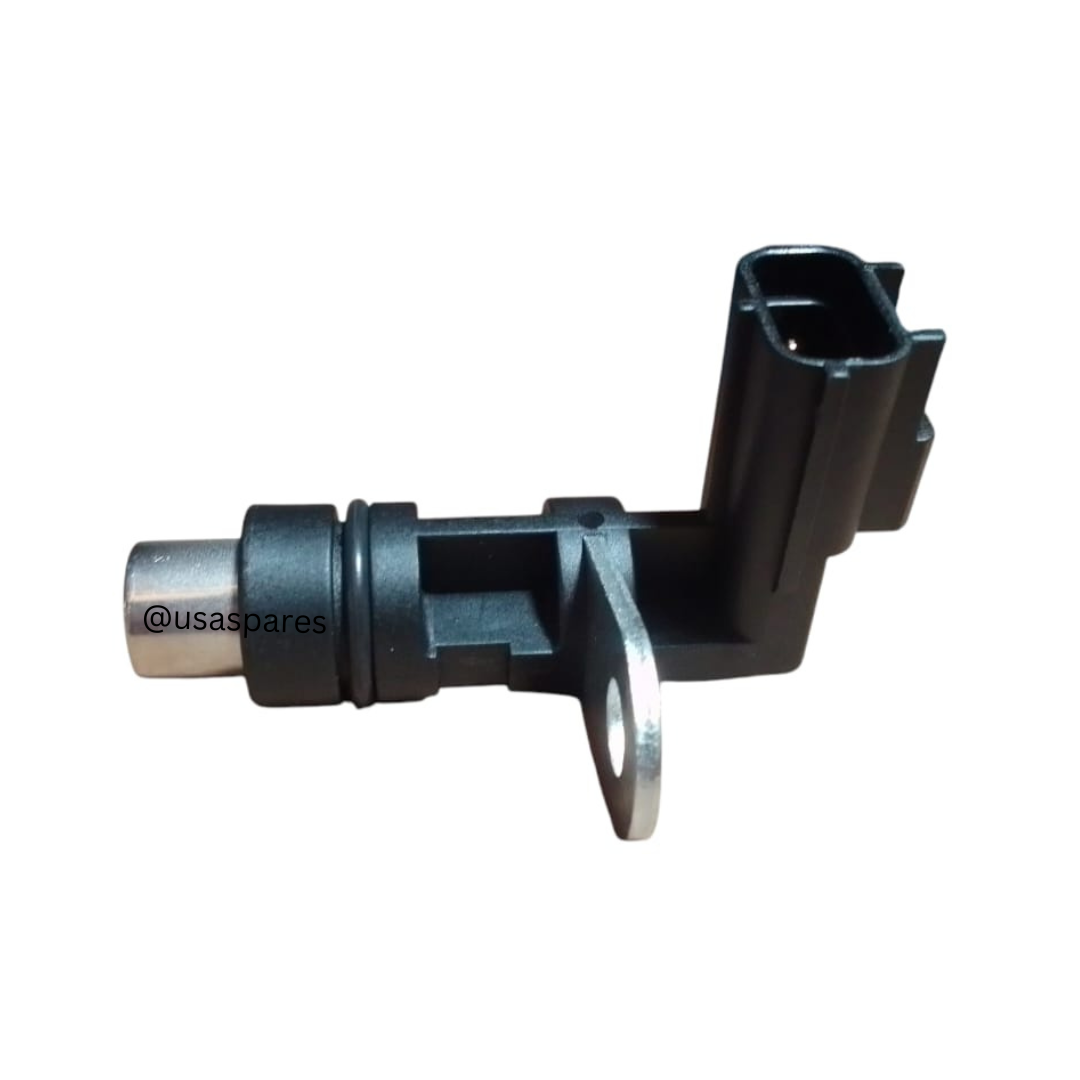
If coolant is low with no leaks, get professional help. Strange noises or steam coming from the engine need immediate attention. If overheating happens often, a mechanic should check the thermostat and radiator. Trust an expert to find and fix hidden issues safely.
Credit: jeepusedparts.co.za
Performance Driving And Temperature
Performance driving pushes your Jeep Cherokee harder than usual. This means the engine runs hotter than during normal driving. Keeping the engine temperature within the right range is key. It helps avoid damage and keeps your Jeep running smoothly. Understanding how driving style affects temperature can guide better care for your vehicle.
Impact Of Aggressive Driving
Aggressive driving raises engine temperature quickly. Rapid acceleration and high speeds cause the engine to work harder. This creates more heat in the cooling system. If the engine gets too hot, it risks overheating. Overheating can lead to engine damage or failure. Monitoring your temperature gauge during spirited driving is important. Slowing down or easing off the throttle can help cool the engine.
Cooling System Upgrades
Upgrading the cooling system helps manage higher temperatures. Larger radiators improve heat dissipation. High-performance fans increase airflow over the engine. Upgraded thermostats keep the engine at optimal temperature. Using quality coolant supports better heat transfer. These upgrades protect the engine during intense driving sessions. They ensure your Jeep Cherokee performs well under stress.
Engine Temperature Monitoring Tools
Monitoring your Jeep Cherokee’s engine temperature is vital for smooth driving and engine health. Engine temperature monitoring tools help you track the heat levels inside the engine. These tools alert you before the engine reaches a dangerous temperature. Proper monitoring prevents costly damage and keeps your Jeep running well.
Dashboard Gauges Explained
Your Jeep Cherokee’s dashboard includes a temperature gauge. This gauge shows the engine’s current temperature. Usually, the needle stays in the middle during normal operation. If the needle moves toward the red zone, the engine is overheating. This gauge uses a simple scale with cold, normal, and hot zones. It gives a quick view of the engine’s heat status.
Besides the gauge, some models have a warning light. This light turns on if the engine gets too hot. It signals you to stop and check the cooling system immediately. Always watch the dashboard while driving to catch early signs of overheating.
Aftermarket Monitoring Options
Aftermarket tools offer advanced monitoring beyond the dashboard gauge. Digital temperature displays provide precise readings in real time. Some devices connect to your smartphone for alerts and data logging. These tools often include alarms that sound when temperatures rise too high.
Other options include infrared thermometers and external sensors. These give more detailed information about the engine and cooling system. Installing aftermarket monitors can improve your Jeep’s safety and performance. They help you react quickly to temperature changes and avoid engine damage.

Credit: www.performancebountiful.com
Common Myths About Engine Temperature
Many Jeep Cherokee owners have questions about engine temperature. Some believe engines should always run cool. Others think running hot means the engine is damaged. These ideas cause confusion about normal operating temperatures.
Understanding the truth helps keep your Jeep running smoothly. It also prevents unnecessary repairs or worries. Let’s clear up common myths about engine temperature now.
Misconceptions On Running Hot
Some drivers think a hot engine always means trouble. Actually, engines run hotter to work efficiently. The thermostat controls this by opening when the engine reaches the right temperature.
Running slightly hot is normal and helps burn fuel better. Too cool, and the engine wastes fuel and creates more pollution. Overheating happens only if the cooling system fails or coolant is low.
Cooling System Facts
The cooling system in a Jeep Cherokee keeps the engine at the best temperature. It uses coolant, a radiator, a thermostat, and fans. Each part has a job to prevent overheating.
Coolant absorbs heat from the engine and moves it to the radiator. The radiator releases this heat into the air. Fans help cool the radiator when the vehicle is slow or stopped.
Thermostats open and close to keep the temperature steady. Regular maintenance, like checking coolant levels, ensures the system works well. Ignoring this can cause real overheating issues.
Credit: www.extremeterrain.com
Frequently Asked Questions
What Temperature Should My Jeep Cherokee Run At?
Your Jeep Cherokee should run between 195°F and 220°F for optimal engine performance. Maintain coolant levels and check the thermostat regularly. Avoid overheating by monitoring the temperature gauge and addressing issues promptly.
What Is The Optimal Operating Temperature For An Engine?
The optimal engine operating temperature ranges between 195°F and 220°F (90°C to 105°C). Maintaining this ensures efficient performance and prevents overheating.
Is It Normal For Jeeps To Run Hot?
Yes, Jeeps can run hotter than average vehicles due to their design. Normal engine temperature ranges from 195°F to 220°F. Consistently higher temps may indicate low coolant, a faulty thermostat, or cooling system issues. Monitor the gauge and address overheating promptly to avoid damage.
Is 230 Degrees To Hot For An Engine?
230 degrees Fahrenheit is slightly high for most engines. Normal operating temperature typically ranges from 195 to 220 degrees. Consistently running at 230 degrees may cause overheating and engine damage. Monitor coolant levels and cooling system health to prevent issues.
Conclusion
Maintaining the normal operating temperature keeps your Jeep Cherokee running smoothly. Watch the temperature gauge closely during drives. Low coolant or a bad thermostat can cause overheating. Regular checks prevent engine damage and costly repairs. Stay alert to unusual heat levels for safe trips.
Proper engine temperature supports better fuel efficiency and performance. Keep your Jeep cool, and it will serve you well.