Jeep Yj Rear Disc Brake Conversion: Ultimate Upgrade Guide
 Reading Time: 11 minutes
 If you own a Jeep YJ, you know how important reliable braking is for both safety and performance. Upgrading your rear brakes from drum to disc is one of the smartest improvements you can make.
With a Jeep YJ rear disc brake conversion, you get stronger stopping power, better heat dissipation, and easier maintenance. Imagine driving with confidence, knowing your brakes respond quickly when you need them most. In this guide, you’ll discover everything you need to know about converting your Jeep YJ’s rear brakes to discs—step-by-step tips, the best kits available, and how this upgrade will transform your driving experience.
Ready to boost your Jeep’s braking power? Let’s dive in!

Credit: www.youtube.com
Benefits Of Rear Disc Brakes
Upgrading to rear disc brakes on your Jeep YJ offers clear advantages. Disc brakes provide better control and safety. They handle tough driving conditions well. These benefits make disc brakes a smart choice for any Jeep owner.
Improving the rear brake system enhances overall braking performance. This upgrade is especially helpful on rough trails and steep hills. Understanding the key benefits helps in making the right decision for your Jeep YJ.
Improved Stopping Power
Rear disc brakes deliver stronger stopping force than drum brakes. They respond faster to brake pedal pressure. This means shorter stopping distances and increased safety. Better stopping power helps in emergencies and daily driving.
Enhanced Heat Dissipation
Disc brakes cool down faster during use. The open design allows air to flow around the rotor. This reduces the chance of overheating on long descents. Cooler brakes maintain their effectiveness longer than drum brakes.
Reduced Brake Fade
Brake fade happens when brakes lose strength from heat buildup. Rear disc brakes resist fade better due to their cooling ability. Consistent braking power is maintained even after heavy use. This keeps your Jeep YJ safer on tough terrain.
Choosing The Right Conversion Kit
Choosing the right conversion kit for your Jeep YJ rear disc brake upgrade is essential. A proper kit ensures better braking performance and safety. It also simplifies installation and fits your vehicle correctly. This guide helps you select the best option for your Jeep YJ.
Popular Brands And Options
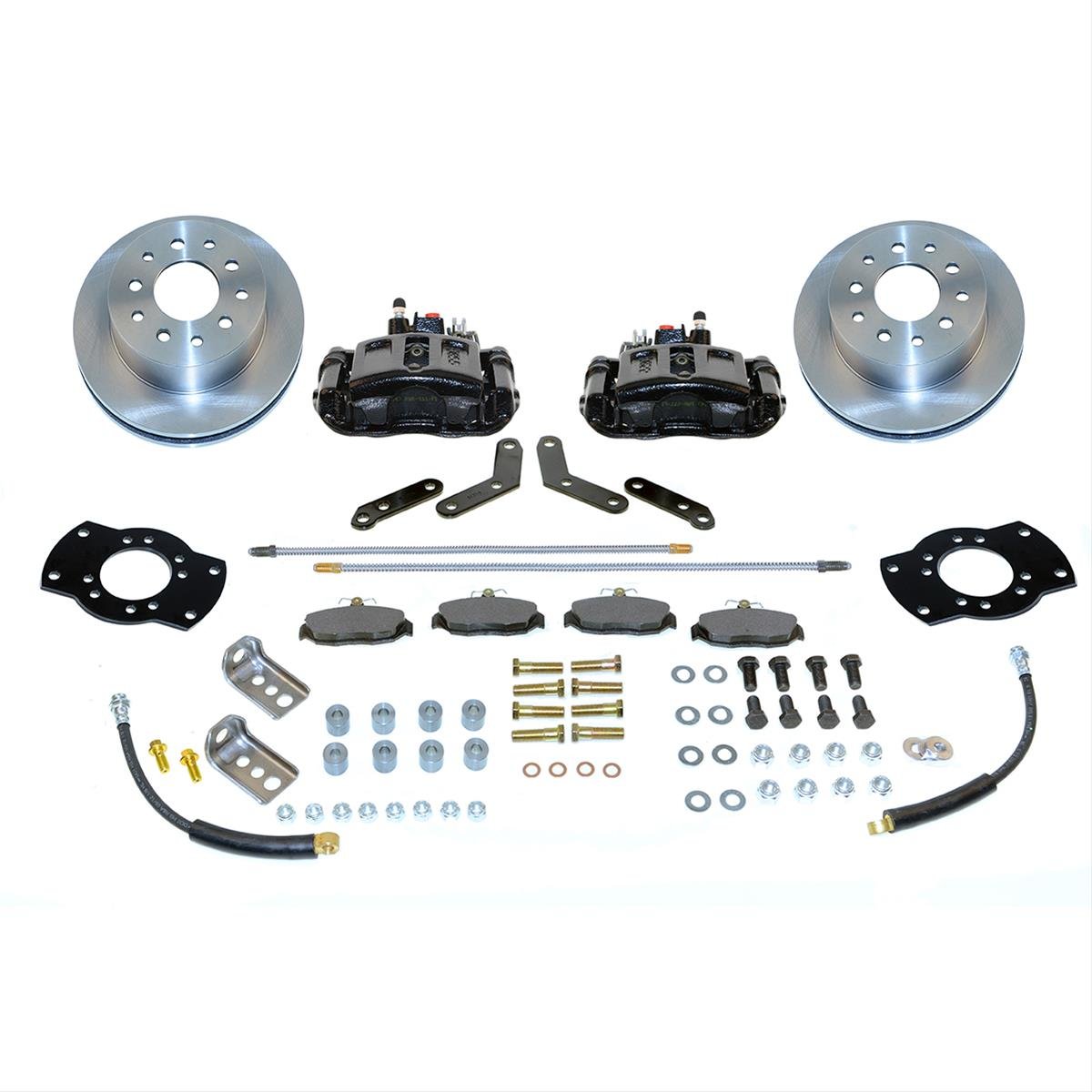
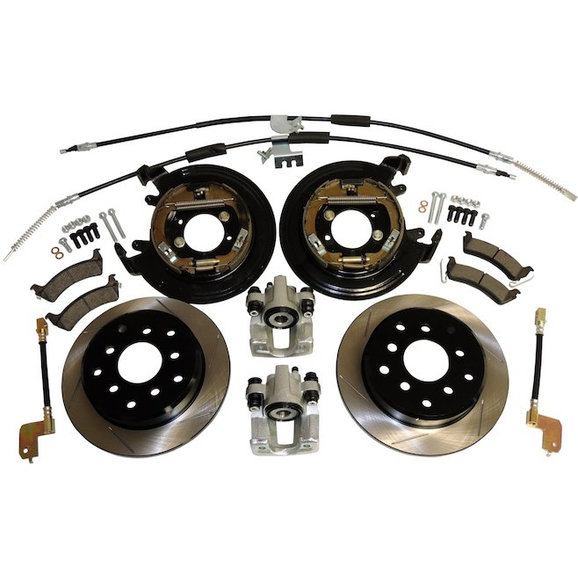
Several brands offer reliable rear disc brake conversion kits for Jeep YJ models. TeraFlex and Quadratec are well-known for quality parts. Iron Rock Off Road and Summit Racing also provide solid options. These kits come with calipers, rotors, pads, and mounting brackets. Choose a brand with good reviews and support.
Compatibility With Jeep Yj Models
Not all conversion kits fit every Jeep YJ model. Check the year and axle type before buying. Some kits are designed for specific rear axle sizes. Confirm if the kit supports your Jeep’s drum brake setup. Using a compatible kit avoids fitment problems and extra modifications.
Budget Considerations
Disc brake conversion kits vary in price. Basic kits start around $300, while premium kits may cost over $800. Factor in costs for brake lines and installation tools. Balance your budget with the quality and features needed. Investing in a durable kit can save money on future repairs.
Tools And Materials Needed
Upgrading your Jeep YJ with a rear disc brake conversion requires specific tools and materials. Having the right equipment ensures a smooth and safe installation. This guide lists all the necessary items to prepare your workspace and complete the job efficiently.
Essential Hand Tools
- Socket wrench set with various sizes
- Combination wrenches for tight spaces
- Flathead and Phillips screwdrivers
- Torque wrench for proper bolt tightening
- Hammer and rubber mallet for gentle tapping
- Pliers and needle-nose pliers
- Wire cutters and strippers
Specialized Brake Tools
- Brake caliper piston tool for compressing pistons
- Brake line flare tool for custom brake lines
- Brake bleeder kit for removing air from the system
- Disc brake rotor puller to remove old rotors
- Brake cleaner spray to remove grease and dirt
- Brake fluid compatible with your Jeep YJ’s system
- Brake hose replacement kit
Safety Equipment
- Protective gloves to guard your hands
- Safety goggles to protect your eyes
- Dust mask to avoid inhaling brake dust
- Jack stands to securely hold the vehicle
- Wheel chocks to prevent rolling
- Fire extinguisher nearby for emergencies
Credit: www.quadratec.com
Preparing Your Jeep Yj
Preparing your Jeep YJ for a rear disc brake conversion is a crucial step. Proper preparation ensures safety and smooth installation. This section covers key tasks before starting the upgrade. Follow these steps carefully to avoid issues during the brake conversion process.
Lifting And Securing The Vehicle
Begin by lifting your Jeep YJ using a reliable jack. Place jack stands under the frame for extra safety. Never rely on the jack alone to hold the vehicle. Ensure the Jeep is stable before working underneath it. Secure the parking brake and chock the front wheels. This prevents any movement while you work on the rear brakes.
Removing Rear Wheels And Drums
Remove the rear wheels by loosening the lug nuts with a tire iron. Take off the wheels carefully and set them aside. Next, remove the rear brake drums. Sometimes drums stick due to rust or dirt. Tap the drum gently with a hammer to loosen it. Keep all removed parts organized for later use or inspection.
Cleaning And Inspecting Components
Clean the brake assembly and surrounding areas using brake cleaner. Remove dirt, grease, and rust for better inspection. Check the condition of brake lines, wheel cylinders, and mounting hardware. Look for leaks, cracks, or worn parts. Replace any damaged components before installing the disc brake kit. Proper cleaning and inspection prevent future brake problems.
Installing The Rear Disc Brake Conversion
Installing the rear disc brake conversion on your Jeep YJ improves braking performance and safety. This process requires careful attention to detail and proper tools. Each step must be done correctly to ensure the brakes work smoothly and last long.
Mounting The Caliper Brackets
Start by cleaning the rear axle housing where the brackets will attach. Secure the caliper brackets using bolts provided in the kit. Tighten the bolts firmly to avoid any movement. Check the alignment of the brackets to ensure the caliper fits perfectly. Use a torque wrench to meet the manufacturer’s torque specs.
Attaching Rotors And Calipers
Slide the rotors onto the axle hubs carefully. Make sure the rotors sit flush against the hub surface. Mount the calipers onto the brackets, aligning them with the rotors. Insert the caliper mounting bolts and tighten them securely. Test the caliper movement by hand to confirm it slides freely.
Fitting Brake Lines And Hoses
Connect the brake lines to the calipers using the supplied fittings. Route the brake hoses to avoid sharp bends and contact with moving parts. Secure the lines with clips or brackets to prevent vibration. Check all connections for leaks before proceeding. Bleed the brakes to remove air and ensure proper brake fluid flow.
Modifications And Fabrication Tips
Upgrading your Jeep YJ with a rear disc brake conversion requires precise modifications and careful fabrication. These steps ensure a safe and effective brake system. Proper welding, hard line fabrication, and using the right tools are key. Follow these tips to achieve a clean and durable installation.
Welding Brackets To Differential
Securely welding brackets to the differential is crucial for a stable brake setup. Clean the differential surface thoroughly before welding. Use a strong, rust-resistant metal for brackets. Tack weld first to check alignment. Complete the welds with steady, even passes. Allow the metal to cool slowly to avoid warping. Proper welding prevents bracket movement under braking stress.
Fabricating Hard Lines
Fabricate hard brake lines to fit the Jeep’s rear axle layout. Measure lengths carefully to avoid leaks or kinks. Use corrosion-resistant steel tubing for durability. Cut tubes with a proper tube cutter for clean edges. Deburr the ends to ensure good seal at fittings. Double-check all bends and connections for tightness. Well-made hard lines improve brake response and safety.
Using Tubing Benders
Using tubing benders helps create smooth, accurate bends in brake lines. Choose the right size bender for your tubing diameter. Avoid sharp bends that can weaken the tube or restrict fluid flow. Make gradual bends with consistent pressure. Support the tube properly to prevent flattening. Practice on scrap tubing before bending real lines. Proper bending keeps brake fluid flowing smoothly and prevents leaks.
Bleeding And Testing The Brakes
After installing the Jeep YJ rear disc brake conversion, bleeding and testing the brakes is essential. This process removes air from the brake lines and ensures the brakes work properly. Proper bleeding and testing improve safety and brake performance on your Jeep.
Proper Bleeding Techniques
Start by topping off the brake fluid reservoir with fresh brake fluid. Use a clear tube on the bleeder valve to see air bubbles. Have a helper press the brake pedal slowly while you open the bleeder valve. Close the valve before the pedal is released. Repeat until no air bubbles appear in the fluid. Check the fluid level often to prevent air from entering the system.
Checking For Leaks
Inspect all connections, fittings, and brake lines after bleeding. Look for wet spots or dripping brake fluid. Tighten any loose fittings carefully. Replace damaged or cracked lines immediately. Leaks can cause brake failure and reduce stopping power. A leak-free system is critical for safe driving.
Road Testing For Performance
Take your Jeep for a slow test drive in a safe area. Apply the brakes gently to feel their response. Check for a firm brake pedal and even stopping power. Listen for unusual noises or vibrations. Test the parking brake to confirm it holds the vehicle on a slope. Adjust or re-bleed if braking feels weak or inconsistent.
Credit: www.quadratec.com
Common Issues And Troubleshooting
Converting your Jeep YJ rear brakes to disc brakes can greatly improve stopping power. Yet, some common issues can arise after the conversion. Knowing these problems helps you fix them fast. Below are frequent troubles and ways to troubleshoot them.
Brake Noise And Vibration
Brake noise often means dirt or rust on rotors or pads. Check for debris and clean the brake parts. Worn pads or warped rotors also cause noise and vibration. Replace damaged parts to restore smooth braking. Tighten all bolts to reduce vibration during braking.
Uneven Brake Wear
Uneven wear happens when calipers do not apply pressure evenly. Inspect caliper pistons for sticking or damage. Lubricate slider pins to ensure smooth caliper movement. Also, check if brake pads are installed correctly. Uneven wear shortens pad life and reduces braking power.
Caliper And Line Fitment Problems
Incorrect caliper or brake line fit can cause leaks or poor braking. Verify the caliper matches the mounting bracket and rotor size. Use the right brake lines designed for the YJ rear disc setup. Avoid bending lines sharply to prevent cracks. Secure all fittings tightly to prevent fluid leaks.
Maintaining Your Rear Disc Brakes
Maintaining the rear disc brakes on your Jeep YJ after conversion ensures safety and peak performance. Regular care prevents brake failure and costly repairs. Clean, inspect, and replace parts on time to keep your brakes reliable.
Regular Inspection And Cleaning
Check the rear disc brakes every few weeks. Look for worn pads, damaged rotors, and leaks in brake lines. Clean dust and debris from the brake components using a soft brush or brake cleaner. This helps avoid rust and ensures smooth braking.
Replacing Pads And Rotors
Brake pads wear down with use and must be replaced regularly. Thin pads reduce stopping power and can damage rotors. Rotors can warp or crack over time. Replace them if they look uneven or have deep grooves. Always use parts that fit your Jeep YJ’s disc brake system.
Brake Fluid Maintenance
Brake fluid transfers force from the pedal to the brakes. It absorbs moisture and loses effectiveness over time. Change the brake fluid every two years or as needed. Use the recommended fluid type for your Jeep YJ. Check for leaks and keep the fluid level full for safe braking.
Upgrading Beyond The Basics
Upgrading your Jeep YJ rear disc brake conversion goes beyond just swapping parts. Enhancing the entire braking system improves safety and driving comfort. This section covers key upgrades that boost brake performance and reliability.
High-performance Brake Pads
High-performance brake pads offer better stopping power than standard pads. They resist heat build-up during hard braking. This reduces brake fade on long downhill drives. These pads also last longer, saving money over time. Choose pads designed for off-road and street use. They provide strong grip and smooth braking.
Stainless Steel Brake Lines
Stainless steel brake lines replace old rubber lines. They resist expansion under pressure, delivering firmer brake feel. These lines are less likely to crack or leak over time. Installation improves brake response and pedal feel. Stainless steel lines also resist corrosion, perfect for wet or muddy trails. Upgrade ensures consistent braking performance.
Adjustable Brake Proportioning
Adjustable brake proportioning helps balance brake force between front and rear wheels. This adjustment improves overall control during braking. It prevents rear wheel lock-up on slippery surfaces. Adjustable proportioning valves allow fine-tuning based on load or terrain. This upgrade adds safety and confidence to your Jeep’s braking system.
Frequently Asked Questions
What Is A Jeep Yj Rear Disc Brake Conversion?
A Jeep YJ rear disc brake conversion upgrades drum brakes to disc brakes. It improves braking performance, safety, and reliability, especially for off-road use.
Why Upgrade To Rear Disc Brakes On A Jeep Yj?
Rear disc brakes offer better stopping power, heat dissipation, and easier maintenance compared to drum brakes. This upgrade enhances overall brake efficiency and durability.
What Parts Are Needed For The Conversion?
You typically need calipers, rotors, brackets, brake lines, pads, and hardware. Some kits include all components for a straightforward installation process.
How Difficult Is The Installation Process?
nstallation difficulty ranges from moderate to advanced. Basic welding and brake line fabrication skills may be required, along with proper tools for a safe conversion.
Conclusion
Upgrading your Jeep YJ with rear disc brakes improves safety and performance. Disc brakes offer better stopping power and easier maintenance. The conversion is a smart choice for daily driving and off-road use. Choose quality parts and follow instructions carefully for best results.
Enjoy smoother, more reliable braking on every adventure.