Jeep Wrangler Vs Rubicon Unleashing the Power: Ultimate Off-Road Showdown
 Reading Time: 11 minutes
 When you’re ready to conquer rugged trails or simply want a Jeep that matches your adventurous spirit, choosing between the Jeep Wrangler and the Rubicon trim can feel overwhelming. Both promise power and durability, but what really sets them apart?
If you want to know which model delivers the ultimate off-road experience straight from the factory, and which one fits your style and needs better, you’re in the right place. Keep reading to uncover the real differences, so you can unleash the full power of your next Jeep and make the best choice for your journey.

Credit: www.dovercdjr.com
Wrangler Vs Rubicon
The Jeep Wrangler and the Jeep Wrangler Rubicon both carry the iconic Jeep spirit. Each model offers a different kind of power and capability. The Wrangler is the base model, perfect for daily driving and casual off-road adventures. The Rubicon focuses on serious off-road performance with many upgrades to handle tough terrain. Comparing these two helps buyers choose what fits their needs best.
Base Model Features
The base Wrangler includes strong off-road ability. It has a reliable engine and solid suspension. Basic tires suit dirt roads and mild trails. The interior is simple but comfortable, with essential tech like touchscreen and Bluetooth. Safety features such as airbags and stability control are standard. The design stays classic with removable doors and roof for open-air driving. This model suits drivers who want a versatile Jeep without extras.
Rubicon Upgrades
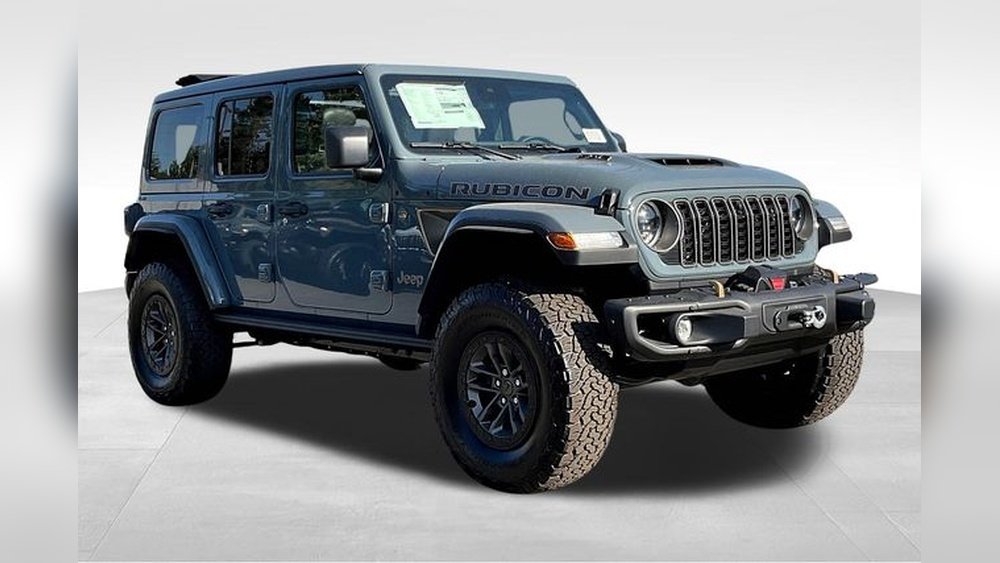
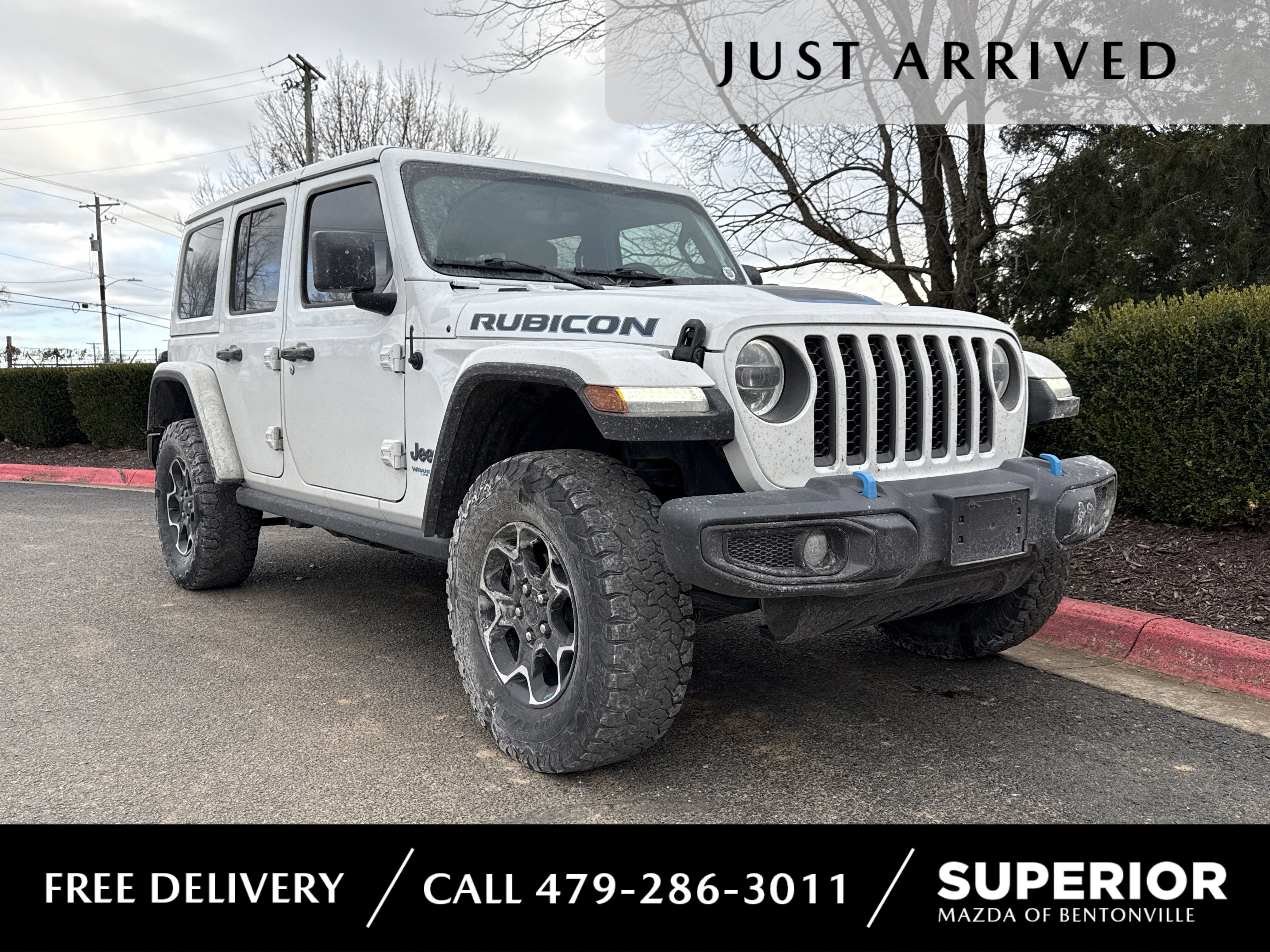
The Rubicon adds many features for off-road fans. It has heavy-duty axles and locking differentials for better traction. The suspension is lifted and includes stronger shocks. Larger, tougher tires improve grip on rocks and mud. Rock rails protect the body from damage on rough trails. A disconnecting sway bar allows more wheel movement. The interior often includes advanced tech and more comfort options. Red tow hooks and special badges give it a unique look. The Rubicon is ready for extreme terrain right away.

Credit: jtscdjrofcolumbia.com
Off-road Hardware
The Jeep Wrangler and Rubicon both come with strong off-road hardware. This gear helps them handle tough trails with ease. The Rubicon has extra features that boost its off-road power. These parts protect the vehicle and improve its grip and control on rocky paths. Let’s explore the key off-road hardware components that set these two apart.
Axles And Differentials
The Rubicon uses heavy-duty axles built for rugged use. It has locking differentials that keep power flowing to all wheels. This stops wheels from spinning on slippery or uneven ground. The standard Wrangler has strong axles too. But it lacks the locking differentials found in the Rubicon. This makes the Rubicon better at climbing steep hills and crossing rough terrain.
Sway Bar And Rock Rails
The Rubicon features a disconnecting sway bar. This helps each wheel move independently on rough ground. It gives better traction and smoother rides over rocks. Rock rails protect the sides from damage. The Rubicon comes with strong rock rails to shield its body. The standard Wrangler has fewer protections. This makes the Rubicon tougher for rough trail driving.
Tires And Suspension
The Rubicon rolls on larger, knobby tires made for off-road grip. Its suspension is designed to absorb shocks from uneven trails. This keeps the ride stable and comfortable. The Wrangler uses smaller, less aggressive tires. Its suspension suits light off-road use and daily driving. These tire and suspension upgrades make the Rubicon ready for serious off-road challenges.
Drivetrain And Gearing
The drivetrain and gearing define how a Jeep Wrangler or Rubicon performs on and off the road. These systems control power delivery to the wheels and influence traction, handling, and climbing ability. Both models offer strong drivetrains but differ in features that affect rugged terrain capability.
Gearing ratios affect torque and speed, playing a key role in off-road performance. Lower gears provide more control and power at slow speeds, essential for climbing rocks or rough trails. The right drivetrain and gearing setup make all the difference in challenging environments.
Jeep Wrangler Drivetrain Basics
The Jeep Wrangler comes with a solid four-wheel-drive system. It has a traditional transfer case with two-speed settings: high and low range. This setup gives balanced power for everyday driving and light off-road use. The standard axles provide durability but lack some advanced features found in the Rubicon.
Rubicon’s Enhanced Drivetrain
The Rubicon features heavy-duty Dana 44 axles front and rear. These axles are stronger and better at handling tough trails. It also includes electronic locking differentials, which lock the wheels on the same axle together. This improves traction on slippery or uneven surfaces. The Rubicon’s electronic sway bar disconnect further improves wheel articulation off-road.
Gearing Differences
Rubicon models have lower gear ratios compared to the standard Wrangler. This means more torque at the wheels and better crawling ability. The Wrangler’s gearing suits moderate trails and highway driving. The Rubicon’s gearing is optimized for extreme off-road challenges, giving drivers precise control over tough terrain.
Protection And Visuals
The Jeep Wrangler and Rubicon both deliver strong protection and striking visuals. These features matter for off-road strength and road presence. Each model shows unique design choices that stand out on and off the trail.
Protection is key for rough terrain. Visuals add character and identity. Together, they define the rugged yet stylish nature of these vehicles.
Rock Rails And Tow Hooks
The Rubicon includes rock rails to shield the body from damage. These rails act as sliders, protecting the sides during tough off-road moves. The standard Wrangler may lack these or have simpler versions.
Red tow hooks on the Rubicon serve both function and style. They help in recovery situations and stand out visually. The basic Wrangler often has body-colored or less visible hooks.
Hood Design And Emblems
The Rubicon’s hood features vents or extractors that improve engine cooling. This design also signals the vehicle’s off-road readiness. The standard Wrangler uses a more basic hood without vents.
Distinct emblems mark the Rubicon, showing its special trim status. These badges often appear on the hood or sides. The Wrangler’s badges are simpler, reflecting its base model role.
Interior And Technology
The interior and technology of the Jeep Wrangler and Rubicon show clear differences. Both models offer rugged utility, but the Rubicon steps up with enhanced features. The cabin reflects their different purposes—daily driving versus extreme off-roading.
Inside, the Wrangler keeps things simple and functional. The Rubicon adds comfort and advanced tech. This makes the Rubicon more appealing for longer trips and rough terrain adventures. Let’s explore their standard features and premium options in detail.
Standard Features
The Jeep Wrangler includes basic but useful interior components. Cloth seats provide durability and easy cleaning. A manual air conditioner keeps the cabin cool. The infotainment system features a 5-inch touchscreen with Bluetooth. USB ports come standard for device charging. Steering wheel controls help keep focus on the road. Safety features include airbags and stability control. The cabin is designed to handle dirt and water from off-road use. It offers a practical and straightforward experience without many distractions.
Premium Options In Rubicon
The Rubicon trim offers upgraded interior features that improve comfort and convenience. Leather-trimmed seats replace cloth for a more refined feel. Power-adjustable seats provide better support during long drives. Dual-zone automatic climate control keeps all passengers comfortable. The infotainment screen increases to 8.4 inches with Apple CarPlay and Android Auto compatibility. A premium sound system delivers clearer and richer audio. Additional tech includes a navigation system and off-road specific apps. The Rubicon also offers a heated steering wheel and heated front seats, perfect for colder climates. These features blend luxury with rugged capability to enhance the driving experience.
Performance Specs
The performance specs of the Jeep Wrangler and Rubicon reveal their true capabilities. Both models deliver strong off-road power. Each has unique features that affect driving experience. Understanding these specs helps you choose the right Jeep for your needs.
Engine Comparison
The standard Jeep Wrangler usually comes with a 3.6-liter V6 engine. This engine produces reliable power for everyday driving and moderate trails. The Rubicon often features the same engine but tuned for better off-road control. Some Rubicon models also offer a 2.0-liter turbocharged four-cylinder engine. This turbo engine boosts fuel efficiency and adds quick response. Both engines use modern technology for smooth performance and durability.
Power And Torque
The Wrangler’s 3.6-liter V6 generates about 285 horsepower. It also delivers 260 lb-ft of torque, enough for most off-road conditions. The Rubicon’s versions can push power slightly higher, depending on trim and engine choice. Torque is key for climbing and rough terrain. The Rubicon often provides more torque at low speeds. This helps in tough off-road situations, giving better control and grip. Power delivery in both models is steady and predictable, making them reliable companions on any path.
Who Should Choose Which
Choosing between the Jeep Wrangler and the Rubicon depends on your driving needs and lifestyle. Both models have unique strengths that suit different types of drivers. Understanding these differences helps you pick the right Jeep for your adventures.
Consider how you plan to use your Jeep. Will it be your daily ride or your off-road companion? Each model offers features tailored to specific purposes.
Wrangler For Daily Use
The standard Jeep Wrangler fits well for everyday driving. It offers comfort and style for city streets and highways. Its suspension and tires are designed for smooth rides on paved roads.
This model handles light trails and rough roads but is not built for extreme off-road challenges. It is ideal for drivers who want a classic Jeep look with practical daily use. The Wrangler also offers room to customize with aftermarket parts later.
Rubicon For Serious Off-roading
The Jeep Rubicon stands out as a serious off-road machine. It comes with heavy-duty axles, locking differentials, and a disconnecting sway bar. These features enhance traction and stability on difficult terrains.
Rubicon’s larger tires and rock rails protect the body from damage during tough trails. It is perfect for drivers who explore rugged paths or climb rocky hills frequently. This model is ready for adventure straight from the factory.
Credit: www.superiormazda.com
Model Year Cautions
Understanding the model year differences is crucial when choosing between the Jeep Wrangler and Rubicon. Some years bring known issues that affect performance and reliability. Other years show clear improvements that enhance off-road power and comfort. Buyers must be aware of these changes to make a wise decision.
Early Jk Issues
The early JK Wrangler models, produced from 2007 to 2011, had some common problems. Electrical system faults often caused dashboard warnings and lighting issues. Suspension components wore out faster on rough trails. Some engines experienced oil leaks and overheating. These issues could affect the vehicle’s power and durability off-road. Repairs might be costly and frequent for these early models.
Rust also appeared on frame parts and door hinges. Buyers should inspect these areas carefully. Despite these concerns, the JK still offers solid off-road ability at a lower price point.
Later Jl Improvements
The JL Wrangler, introduced in 2018, shows major improvements over the JK. Its engine runs cooler and more efficiently, boosting power output. The suspension is stronger with better travel and comfort. Electronics have been upgraded to reduce glitches and add useful features like touchscreen navigation.
Body rust issues have decreased due to better materials and coatings. The JL Rubicon models come with advanced off-road gear, including electronic locking differentials and disconnecting sway bars. These features increase traction and control on tough trails. Overall, the JL offers a more reliable and powerful driving experience.
Customization Potential
The customization potential of the Jeep Wrangler and Rubicon stands out in the off-road world. Both models offer many ways to personalize and improve your ride. Custom parts and accessories let owners create a vehicle that fits their style and needs perfectly.
The Wrangler base model is a blank canvas. It supports a wide range of aftermarket upgrades. Owners can enhance performance, comfort, and appearance with ease. The Rubicon trim, on the other hand, comes with more factory features built for tough terrain. Yet, it also allows further customization to boost its off-road power.
Jeep Wrangler Customization Options
The standard Wrangler offers many choices for upgrades. You can add larger tires to improve ground clearance and traction. Suspension kits help handle rough trails better. Aftermarket bumpers and winches increase protection and utility. Interior mods improve comfort and technology. Lighting upgrades enhance night driving and trail visibility.
Rubicon’s Built-in Enhancements
Rubicon starts with strong off-road parts already installed. Heavy-duty axles and locking differentials come standard. Rock rails protect the body on rocky paths. Factory suspension is designed for rough terrain. These features reduce the need for some upgrades. Still, owners often add custom wheels, lift kits, and storage solutions to fit their adventure style.
Aftermarket Accessories For Both Models
Many companies produce parts fitting both Wrangler and Rubicon. Common upgrades include roof racks, skid plates, and snorkels for water crossings. Performance chips and exhaust systems boost engine power. Custom seats and audio systems improve ride quality. These accessories make each Jeep truly unique and capable.
Frequently Asked Questions
Which Is More Powerful, Wrangler Or Rubicon?
The Rubicon trim is more powerful off-road, featuring heavy-duty axles, locking differentials, and larger tires. Both share similar engines.
What Is The Difference Between Jeep Wrangler And Jeep Wrangler Rubicon?
The Jeep Wrangler offers a classic off-road experience. The Rubicon adds heavy-duty axles, locking differentials, rock rails, and larger tires for extreme off-roading. Rubicon targets serious trail enthusiasts, while the standard Wrangler suits daily driving and light trails.
Which Jeep Has The Most Power?
The Jeep Grand Cherokee Trackhawk has the most power, with a supercharged 6. 2L V8 engine producing 707 horsepower.
Which Jeep Wrangler To Stay Away From?
Avoid early 2007-2010 Jeep Wrangler JK models due to transmission and electrical issues. Inspect maintenance history carefully.
Conclusion
The Jeep Wrangler and Rubicon each bring unique strengths to the table. Wrangler suits everyday drives and light trails with ease. Rubicon stands out for tough off-road challenges straight from the factory. Both models offer reliable engines and classic Jeep styling.
Choose based on your adventure needs and driving style. Either way, you get a rugged, capable vehicle ready for the road or trail. Jeep’s legacy of durability and fun continues in both versions. Adventure awaits with the right Jeep for you.