
Jeep Wrangler Dies While Driving But Restarts: Causes & Fixes
 Reading Time: 8 minutes
 Has your Jeep Wrangler ever died suddenly while driving, only to restart moments later? If you’re nodding yes, you know how unsettling and frustrating this problem can be.
You rely on your Jeep to get you safely where you need to go, so when it unexpectedly shuts off, it raises immediate concerns about your vehicle’s health and your safety on the road. But why does this happen? What’s causing your Jeep to stall and then come back to life?
You’ll discover the most common reasons why your Jeep Wrangler dies while driving but restarts, from sensor failures to fuel and electrical system issues. You’ll learn practical tips to diagnose the problem and understand what steps to take next. Don’t let this mystery leave you stranded—read on to regain control and peace of mind with your Jeep.
Common Causes
The Jeep Wrangler shutting off while driving but restarting is frustrating and unsafe. Understanding common causes helps in quick diagnosis and repair. Many issues can lead to this problem, often related to sensors, fuel, electrical, ignition, battery, or airflow. Identifying the exact cause ensures proper fixes and avoids repeat breakdowns.
Crankshaft And Camshaft Sensors
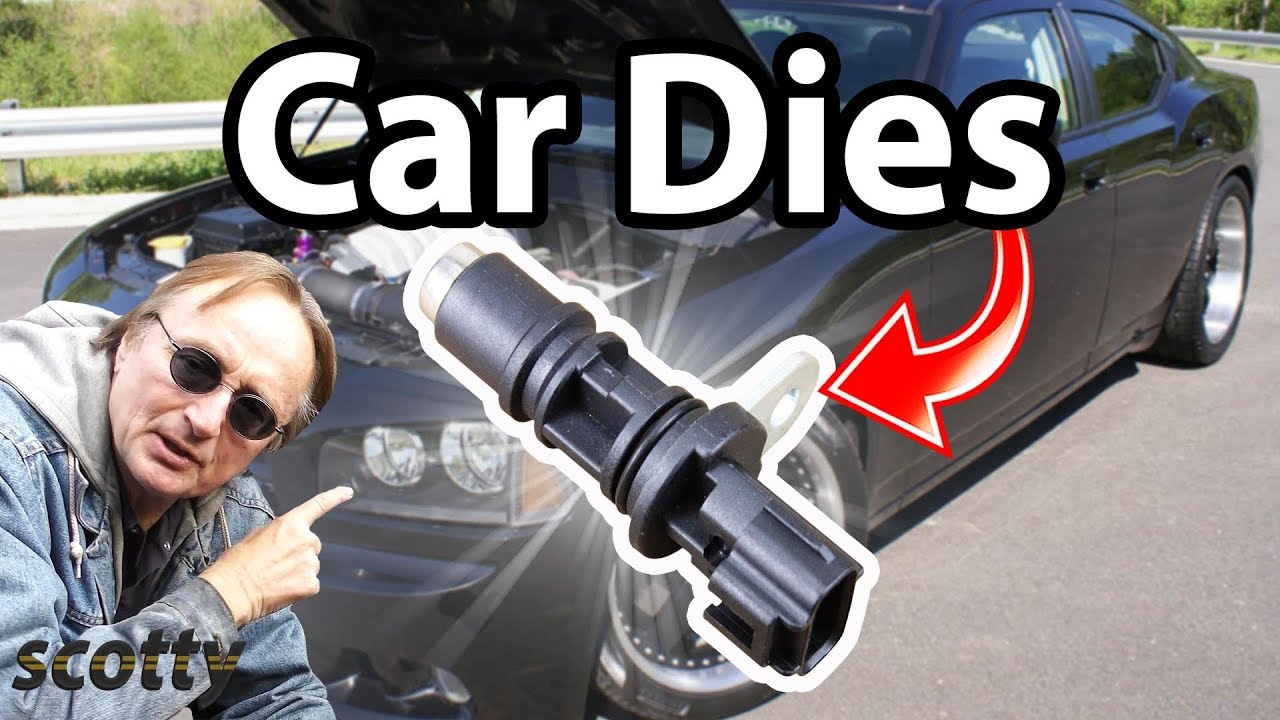
These sensors control engine timing by sending signals to the computer. When they fail, the engine may stall suddenly. A bad crankshaft or camshaft sensor can cause the Jeep to die but restart later. Replacing the faulty sensor often solves the issue.
Fuel System Issues
The fuel pump or relay can stop working properly, cutting off fuel supply. This causes the engine to die while driving. Checking the fuel pump operation and relay condition helps find the problem. Fuel lines and filters should also be inspected for blockages or leaks.
Electrical And Wiring Problems
Loose battery terminals or bad ground wires cause power interruptions. The Totally Integrated Power Module (TIPM) may also fail, causing erratic electrical behavior. Symptoms include flickering dash lights or random activation of wipers and horn. Inspect wiring and connectors for damage or looseness.
Ignition System Faults
Faulty ignition coils or worn spark plugs lead to misfires and stalling. These parts are essential for proper engine firing. Replacing old spark plugs and testing ignition coils can restore smooth running. Ignition problems often cause the Jeep to shut down unexpectedly.
Battery And Charging Failures
A weak battery or bad alternator causes power loss to the engine systems. This can make the Jeep stall and then restart once power returns. Testing the battery voltage and alternator output is important. Replacing a failing battery or alternator prevents repeated shutdowns.
Airflow Restrictions
Blocked or dirty air filters limit airflow to the engine. Restricted air causes poor combustion and stalling. Inspecting and cleaning or replacing air filters helps maintain proper airflow. This simple step can prevent engine dying issues during driving.
Credit: www.autozone.com
Diagnosing The Problem
Diagnosing why your Jeep Wrangler dies while driving but restarts requires a step-by-step approach. Each check reveals clues about the root cause. Start simple, then move to more detailed inspections. This method saves time and avoids unnecessary repairs.
Listening For Fuel Pump Activity
Turn the key to the “on” position without starting the engine. Listen closely near the fuel tank. A humming sound means the fuel pump is working. No sound may indicate a pump or relay problem. This simple test helps identify fuel supply issues quickly.
Checking Electrical Connections
Inspect battery terminals for tightness and corrosion. Loose or dirty connections cause power loss. Check ground wires and wiring harnesses too. Wiggle connectors near the glove box and engine bay. Movement causing changes in engine behavior points to faulty wiring or connections.
Observing Dashboard Indicators
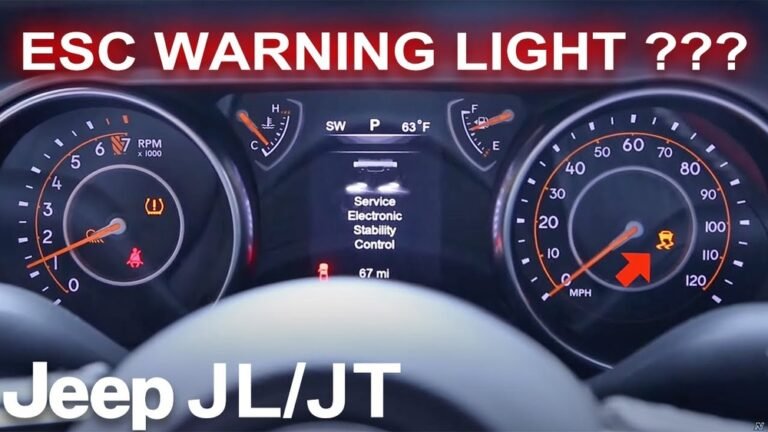
Watch dashboard lights when the engine dies. Flickering or sudden changes in warning lights show electrical faults. The check engine light may flash or stay on. Note any unusual behavior of gauges or warning signals. These signs help direct your troubleshooting.
Performing Sensor Tests
Focus on sensors like the crankshaft and camshaft position sensors. These sensors control engine timing. Faulty sensors cause engine stalls. Use a multimeter to check sensor resistance and signal output. Replace sensors that show abnormal readings to prevent stalling.
Using Diagnostic Scanners
Plug an OBD-II scanner into the Jeep’s diagnostic port. Read stored trouble codes from the engine control unit. Codes reveal specific problems like sensor failures or fuel issues. Clear codes after repairs and test drive to confirm fixes. This tool speeds up accurate diagnosis.
Fixes And Repairs
Fixing a Jeep Wrangler that dies while driving but restarts requires careful diagnosis. Several components can cause this issue. Addressing these parts improves your Jeep’s reliability and safety. Below are effective fixes and repairs that often solve this problem.
Replacing Faulty Sensors
Crankshaft and camshaft sensors monitor engine timing. Faulty sensors send wrong signals to the engine control unit. This causes the engine to stall unexpectedly. Replacing these sensors restores proper timing and smooth engine operation.
Repairing Fuel Pump And Relay
The fuel pump delivers gas to the engine. A failing pump or relay can cut off fuel supply. This causes the engine to die suddenly. Checking and replacing the fuel pump or relay ensures consistent fuel flow and prevents stalling.
Securing Wiring And Grounds
Loose or damaged wiring can cause electrical shorts or power loss. Poor ground connections disrupt the vehicle’s electrical system. Tightening terminals and repairing wires maintain stable electrical flow. This reduces chances of sudden shutdowns.
Changing Spark Plugs And Ignition Coils
Old spark plugs or faulty ignition coils cause misfires. Misfires lead to rough running or engine stalls. Replacing worn plugs and coils improves ignition and engine stability. This fix helps the engine run smoothly without interruptions.
Testing And Replacing Battery Or Alternator
A weak battery or failing alternator causes power issues. Low voltage can shut down the engine unexpectedly. Testing these parts identifies problems early. Replacing bad batteries or alternators restores proper power supply and engine function.
Cleaning Or Replacing Air Filters And Maf Sensor
Dirty air filters reduce airflow to the engine. A clogged mass airflow (MAF) sensor sends wrong data to the engine control. Cleaning or replacing these parts improves air intake accuracy. This helps the engine run consistently without shutting off.
Preventive Maintenance Tips
Preventive maintenance helps keep your Jeep Wrangler running smoothly. It reduces the chances of the engine dying while driving. Regular checks catch problems early. This saves time and money. Follow these simple maintenance tips to keep your Jeep reliable and safe.
Regular Sensor Inspection
Check sensors like the crankshaft and camshaft often. These sensors control engine timing. Dirty or damaged sensors cause stalling. Clean sensors carefully and replace faulty ones. Sensor issues are common reasons for engine shutdowns.
Fuel System Cleaning
Clean the fuel system regularly to ensure proper flow. Dirt or debris can block fuel lines. Inspect the fuel pump and relay for faults. Replace filters as recommended. A clean fuel system keeps your engine running without interruptions.
Battery And Electrical Checks
Test the battery and all electrical connections. Loose terminals or bad grounds cause power loss. Check the Totally Integrated Power Module (TIPM) for faults. Secure all wiring harnesses and clean battery terminals. Good electrical health prevents sudden engine stops.
Scheduled Ignition System Service
Inspect and replace spark plugs and ignition coils on time. Old plugs cause misfires and engine stalls. Follow the Jeep’s service schedule for ignition checks. Proper ignition system care improves engine performance and reliability.
Air Intake System Upkeep
Keep the air intake clean and free of blockages. Replace air filters as needed. Dirty filters reduce airflow and affect engine timing. Regular air intake maintenance helps your Jeep breathe better and run longer without issues.
Safety Measures On The Road
Driving a Jeep Wrangler that dies but restarts can be stressful. Staying safe on the road is the top priority. Knowing how to act quickly helps protect you and others. Follow these safety measures to handle the situation calmly and wisely.
Pulling Over Safely
Move your Jeep to the side of the road as soon as you notice trouble. Use your turn signals to alert other drivers. Find a flat, stable place away from traffic. Stop the vehicle and turn on hazard lights. This warns others about your stopped car. Avoid sudden moves that may confuse other drivers.
Checking Critical Connections
After stopping, check key electrical parts. Look at battery terminals for loose or corroded wires. Inspect visible wiring harnesses for damage or disconnections. Tighten or reconnect loose wires carefully. Small faults can cause the engine to die. This quick check might help you restart safely.
Noting Symptoms For Mechanics
Pay attention to what happens before and after the Jeep dies. Note if dashboard lights flicker or if the radio resets. Remember any strange sounds or smells. Write down these details to tell your mechanic. Clear symptoms help them find the exact cause faster. This saves time and costs less in repairs.
Emergency Preparation
Always keep emergency tools in your Jeep. A flashlight, warning triangle, and basic tools can be lifesavers. Carry a charged phone to call for help if needed. Have contact numbers for roadside assistance ready. Stay calm and wait inside the vehicle if the road is unsafe. Being prepared reduces stress during breakdowns.

Credit: www.reddit.com
Credit: jeepknowledge.com
Frequently Asked Questions
What Causes A Jeep Wrangler To Shut Off While Driving?
A Jeep Wrangler can shut off while driving due to failing crankshaft/camshaft sensors, fuel pump or relay issues, faulty ignition coils or plugs, loose battery grounds, or a bad Totally Integrated Power Module (TIPM). Electrical or fuel system problems commonly cause sudden engine shutdowns.
Why Does My Jeep Keep Stalling While Driving?
Your Jeep stalls while driving due to fuel delivery problems, faulty crankshaft/camshaft sensors, bad ignition coils, or electrical issues. Check fuel pump, filters, wiring, and sensors first. A failing crankshaft position sensor often causes sudden shutdowns without warning lights. Run a diagnostic scan to identify the exact cause.
How To Tell If A Jeep Wrangler Tipm Is Bad?
A bad Jeep Wrangler TIPM causes random engine shutdowns, flickering dash lights, and erratic electrical functions. Check wiring, battery grounds, and TIPM connectors. Perform a diagnostic scan to confirm TIPM failure.
What Are The Signs Of A Bad Fuel Injector In A Jeep Wrangler?
Signs of a bad fuel injector in a Jeep Wrangler include rough idling, engine misfires, poor acceleration, increased fuel consumption, and fuel odor. The engine may also stall or hesitate during driving. Check engine light might illuminate due to injector issues.
Why Does My Jeep Wrangler Die While Driving But Restart?
A failing crankshaft or camshaft sensor often causes sudden engine shutdowns. Fuel pump or ignition issues can also cut power but still allow restarting.
Conclusion
A Jeep Wrangler dying while driving but restarting can feel unsafe. Common causes include sensor failures, fuel problems, or electrical issues. Simple checks like inspecting battery connections and listening for unusual sounds help. Replacing faulty parts like the crankshaft sensor often fixes the problem.
Always prioritize safety by pulling over quickly if your Jeep stalls. Regular maintenance reduces the chance of sudden shutdowns. Knowing these tips keeps you safer on the road and avoids unexpected breakdowns. Stay alert, check your Jeep often, and drive with confidence.