Jeep Tj Rear Disk Brake Conversion: Ultimate Upgrade for Safety
 Reading Time: 7 minutes
 If you own a Jeep TJ, you know how important reliable brakes are for both safety and performance. But what if your rear drum brakes are holding you back?
Upgrading to a Jeep TJ rear disk brake conversion could be the game-changer your vehicle needs. Not only does this conversion simplify maintenance, but it also offers better heat dissipation and improved brake feel. Whether you’re hitting the trails around Austin, Texas, or cruising city streets, making this switch can give you more confidence every time you hit the brakes.
Ready to learn how to transform your Jeep’s braking system and why it matters? Keep reading to discover the benefits, the process, and the best kits available for your TJ.
Benefits Of Rear Disc Brakes
Choosing between drum and disc brakes for your Jeep TJ rear axle is important. Each brake type has its own strengths and weaknesses. Knowing these helps you decide which suits your driving style and needs better.
Stopping Power Differences
Disc brakes offer better and more consistent stopping power. They cool down faster, reducing brake fade on long descents. Drum brakes tend to lose effectiveness when overheated. This makes discs safer for heavy-duty or off-road use.
Durability And Wear
Drum brakes are enclosed, protecting parts from dust and dirt. This can increase their lifespan in rough conditions. Disc brakes are exposed but made from durable materials. Brake pads wear faster than drum shoes but are easier to inspect and replace.
Ease Of Repairs
Disc brakes are easier to service and maintain. Changing pads and rotors takes less time and effort. Drum brakes require more work to remove and clean the drum. Adjusting drum brakes is also more complex compared to discs.
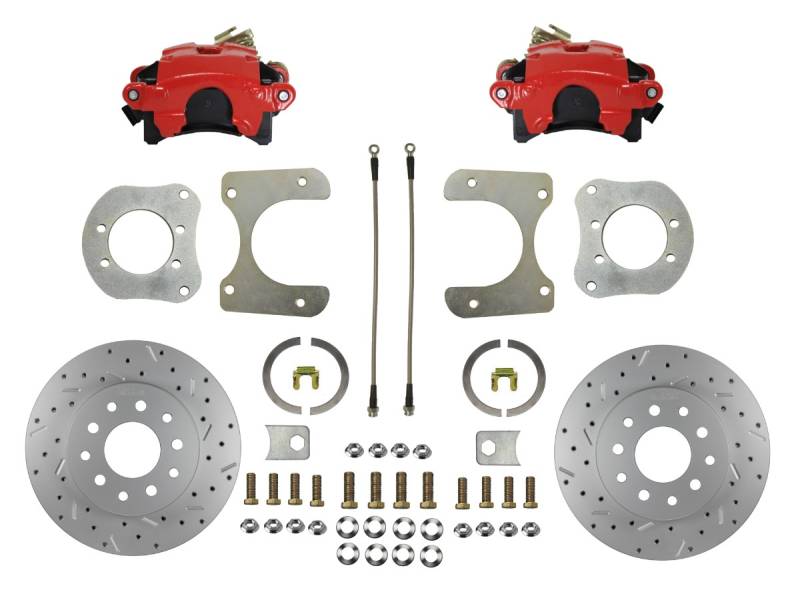
Credit: leedbrakes.com
Comparing Drum And Disc Brakes
Installing a rear disc brake conversion on your Jeep TJ improves brake maintenance and reliability. The process requires careful attention and the right tools. Follow each step closely for a smooth installation. This section breaks down the installation into clear parts. It helps you prepare, work methodically, and handle common challenges.
Required Tools And Parts
- Socket set and wrenches
- Jack and jack stands
- Brake cleaner and lubricant
- Torque wrench
- Rear disc brake conversion kit (rotors, calipers, pads, brackets)
- New brake lines or adapters if needed
- Emergency brake cables (if included)
- Brake fluid and bleeding kit
Step-by-step Guide
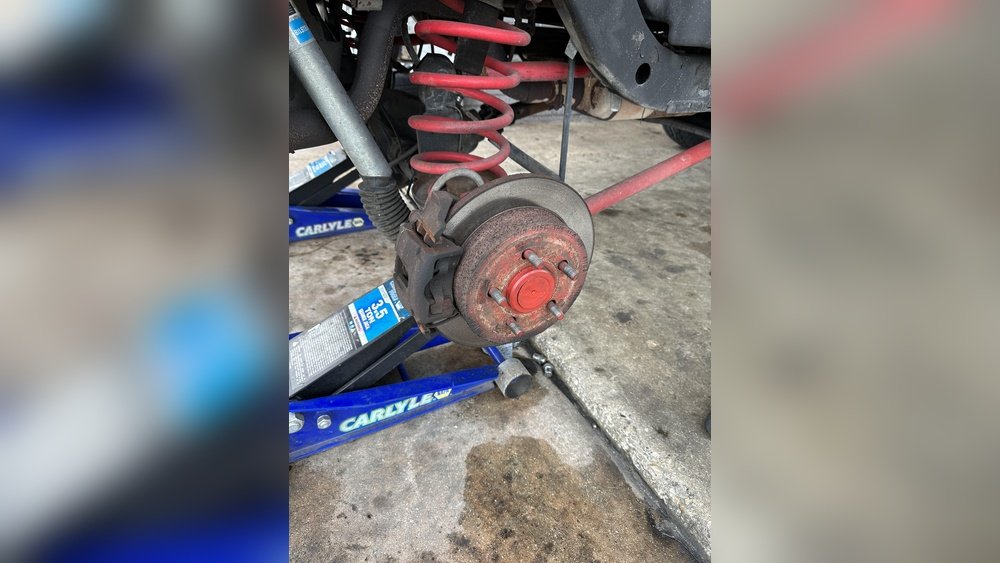
Lift the Jeep and secure it on jack stands. Remove the rear wheels.
Take off the old drum brakes carefully. Keep track of all parts removed.
Clean the brake backing plate and axle flange thoroughly.
Install the new backing plates with caliper brackets from the kit.
Mount the rotors onto the axle hubs. Ensure they sit flush.
Attach the calipers with brake pads onto the brackets.
Connect the emergency brake cables if the kit includes them.
Replace or adapt brake lines for the disc setup. Tighten all fittings.
Refill brake fluid and bleed the system to remove air.
Reinstall the wheels and lower the vehicle.
Test the brakes gently before driving normally.
Common Challenges
Removing old drum brakes can be tough due to rust. Use penetrating oil to loosen parts.
Brake line fittings may not match perfectly. Some adapters might be necessary.
Ensure calipers do not bind on the rotors. Proper alignment is critical.
Bleeding brakes requires patience. Air trapped inside reduces brake performance.
Test emergency brake function carefully. It may need adjustment after installation.
Choosing The Right Conversion Kit
Integrating the emergency brake during a Jeep TJ rear disk brake conversion is essential. The emergency brake must work reliably with the new disc system. Proper connection ensures safety and functionality.
This section covers how to handle emergency brake integration. It explains e-brake cable compatibility and adjusting for disc systems. Follow these tips for a smooth upgrade.
E-brake Cable Compatibility
The original e-brake cables fit drum brakes, not disc brakes. Check if your conversion kit includes new cables. Many kits provide cables made for rear disc setups.
Using correct cables avoids stretching or poor engagement. Measure cable length carefully before installation. Ensure cable ends match the new caliper mounts.
Old cables may need replacement. New cables provide better tension and durability. Proper cable fit keeps your emergency brake working well.
Adjusting For Disc Systems
Disc brakes need different e-brake adjustment than drums. The calipers have built-in parking brake mechanisms. Adjusting these mechanisms is key for proper hold.
Start by setting the cable tension to a firm feel. Avoid too tight or too loose settings. Check the brake lever travel inside the vehicle.
Test the emergency brake on a slope. The vehicle should stay still without rolling. Fine-tune the cable until the brake holds securely.
Regular checks keep the emergency brake reliable. Adjustments may be needed as parts wear over time.
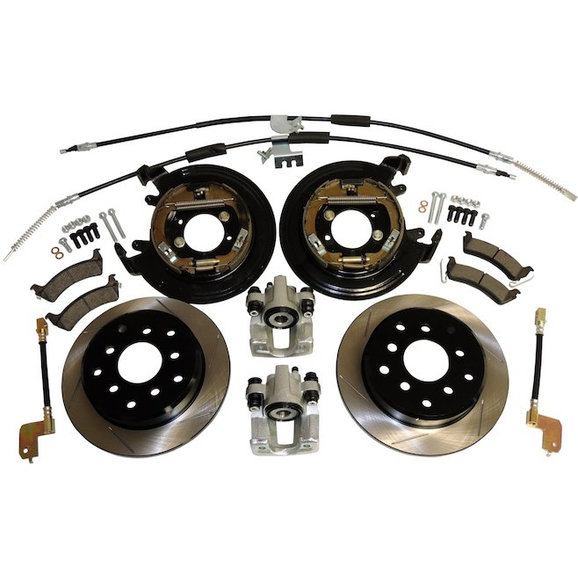
Credit: www.quadratec.com
Installation Process
Users who have completed the Jeep TJ rear disk brake conversion share a variety of experiences. Many emphasize the practical changes they notice during driving and maintenance. Their feedback helps others understand what to expect from this upgrade. Below are detailed insights from users on off-road performance, long-term reliability, and maintenance.
Off-road Performance
Drivers report smoother braking on rough trails. The disk brakes respond faster than the original drum brakes. This helps in controlling the vehicle on steep or slippery surfaces. Some users note better heat dissipation, which keeps brakes from fading during long descents. Overall, off-road handling improves with the conversion.
Long-term Reliability
Many users find the rear disk brakes durable over time. The parts hold up well under harsh conditions like mud and water. A few mention occasional issues with caliper sticking but say regular checks prevent problems. Most agree that the conversion adds reliability compared to worn drum brakes.
Maintenance Feedback
Maintenance becomes easier after switching to rear disk brakes. Users appreciate simple pad replacement and quicker inspections. Cleaning the brakes is less messy than drums, especially after off-road trips. Some warn that the initial installation can be tricky without proper tools. Regular bleeding of brake fluid keeps the system working smoothly.
Emergency Brake Integration
Considering the cost and value of a Jeep TJ rear disk brake conversion helps you make a smart choice. This upgrade involves more than just spending money. It affects your Jeep’s performance, maintenance, and overall worth. We break down key cost and value factors to guide your decision.
Initial Investment Vs Benefits
The initial cost for a rear disk brake conversion ranges from $800 to $1,100. This includes parts like rotors, calipers, and brake pads. Installation costs add extra if you do not install it yourself. The upgrade offers easier maintenance and better heat dissipation. Disk brakes reduce brake fade on long descents. This means safer and more reliable stops. The investment pays off over time through less frequent repairs and better control.
Resale Value Impact
Upgrading to rear disk brakes can improve your Jeep’s resale value. Buyers often seek vehicles with modern and reliable braking systems. Disk brakes show that the Jeep has been maintained well. This can justify a higher asking price. The conversion also signals readiness for off-road use and safety. Overall, it makes your Jeep more attractive to potential buyers.

Credit: www.youtube.com
User Experiences And Reviews
Upgrading your Jeep TJ with a rear disk brake conversion often comes with many questions. Myths and facts swirl around this modification. Knowing the truth helps you make smart choices for your Jeep’s braking system. Let’s clear up common misunderstandings about this upgrade.
Stopping Power Expectations
Many believe rear disk brakes will boost overall stopping power significantly. This is not usually true. The rear brakes handle less stopping force than the front brakes. Upgrading to disks at the rear mainly improves brake feel and consistency. It also reduces fade during long descents. Expect better performance in heat resistance, not a huge jump in stopping distance.
Rear disk brakes give more balanced braking. Drum brakes can overheat and lose effectiveness faster. Disks cool quicker and maintain more stable braking. This can improve safety, especially off-road or during heavy towing.
Maintenance Myths
Some think disk brakes require more frequent maintenance. The opposite is true. Disk brakes are easier to inspect and service. You can see the pads without removing parts. Drum brakes hide wear and need more work to check. Disk pads replace faster but cost less and take less labor time.
Disk brakes resist water and mud better, which helps prevent rust. Drum brakes trap moisture and dirt inside. This causes more frequent repairs and adjustments. Converting to rear disk brakes often lowers maintenance hassle and downtime.
Frequently Asked Questions
What Is A Jeep Tj Rear Disk Brake Conversion?
A rear disk brake conversion replaces drum brakes with disc brakes on a Jeep TJ. It improves maintenance ease and brake cooling but may not increase stopping power significantly.
Why Convert Jeep Tj Rear Drums To Disc Brakes?
Converting to rear disc brakes simplifies maintenance and offers better heat dissipation. It can improve brake feel but won’t drastically boost stopping power compared to drums.
How Much Does A Jeep Tj Rear Disk Brake Conversion Cost?
The cost varies from $800 to $1100 depending on the kit brand and included components. Labor costs may increase total expenses if professionally installed.
Are Jeep Tj Rear Disc Brakes Compatible With Emergency Brake?
Yes, many rear disc brake conversion kits include integrated emergency brake cables and mechanisms for full functionality.
Conclusion
Upgrading your Jeep TJ with rear disc brakes makes maintenance easier. Disc brakes clean faster and handle heat better than drums. While stopping power may stay similar, disc brakes last longer. This upgrade suits off-road adventures and daily driving alike.
Choose quality kits for a smooth, safe brake feel. Proper installation ensures reliable performance on any terrain. Keep your Jeep ready with this practical brake conversion.