
Jeep Grand Cherokee Coolant Leak Back of Engine: Quick Fix Tips
 Reading Time: 10 minutes
 If you’ve noticed coolant leaking from the back of your Jeep Grand Cherokee’s engine, you’re likely wondering what’s causing it and how serious it might be. Coolant leaks can be tricky—sometimes it’s just harmless water from your AC system, but other times it signals a bigger problem that could lead to engine damage.
Knowing how to spot the difference and act quickly can save you time, money, and stress. You’ll learn the common reasons behind coolant leaks at the back of your engine, how to identify the signs, and what steps you should take to fix the issue before it turns into a costly repair.
Keep reading to protect your Jeep and keep it running smoothly.
Symptoms Of Coolant Leak
Detecting a coolant leak at the back of your Jeep Grand Cherokee engine early can prevent serious damage. Recognizing the symptoms helps you act quickly. Coolant leaks often show distinct signs. These signs indicate the need for inspection and repair.
Visible Signs At Engine Back
Look for wet spots or puddles under the engine. The back of the engine may have green, orange, or pink stains. These stains come from dried coolant. You might also notice corrosion or rust near hoses and gaskets. Cracked or swollen hoses at the engine’s rear hint at leaks. A damp or oily feel in these areas is a clear warning.
Fluid Color And Smell
Coolant has a bright color, usually green, orange, or pink. Check the fluid leaking for these colors. Clear water is often just condensation and not a concern. Coolant also has a sweet smell, unlike oil or gasoline. If you smell something sweet near the engine back, it signals a coolant leak. Bad coolant might smell sour or rotten, indicating contamination or old fluid.
Engine Overheating And Smoke
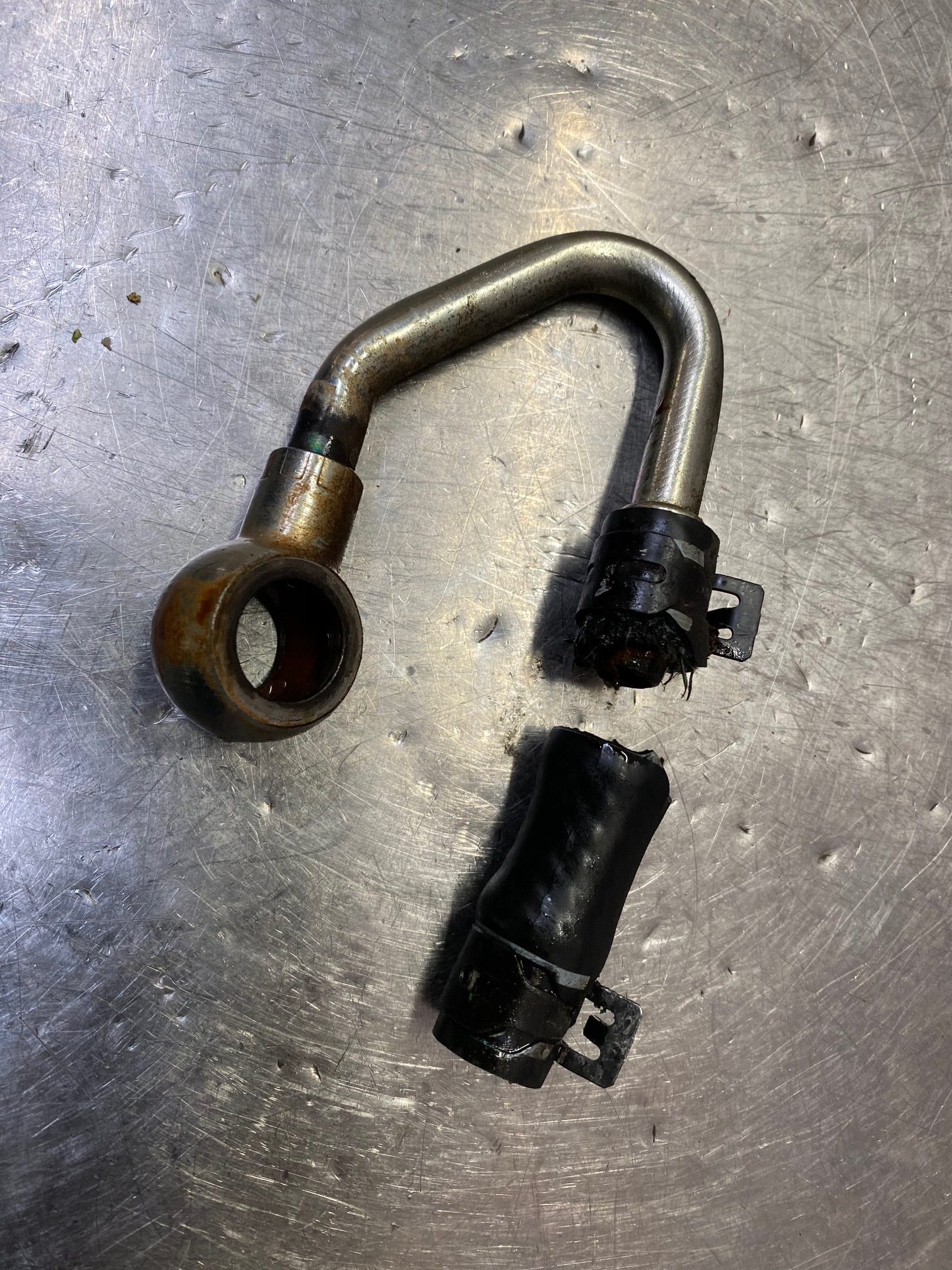
Low coolant levels cause the engine to overheat fast. You may see the temperature gauge rising above normal. Overheating can damage engine parts and lower performance. White smoke from the exhaust or engine area often points to burning coolant. This smoke might come from a blown head gasket or cracked parts. Noticeable steam or smoke near the engine back requires immediate attention.
Credit: gdlauto.com.au
Common Leak Sources
Coolant leaks at the back of a Jeep Grand Cherokee’s engine can cause serious problems. Identifying the common sources helps fix leaks fast. Several parts wear out or fail over time, creating spots where coolant escapes. Understanding these common leak sources protects your engine from damage and costly repairs.
Radiator Hoses Wear
Radiator hoses carry coolant between the engine and radiator. These hoses face heat and pressure daily. Over time, they become brittle and crack. Small holes or tears develop, causing coolant to leak. The hose connections to the engine and radiator also weaken. Leaks often start at these points, making hose inspection vital.
Intake Manifold Gasket
The intake manifold gasket seals the manifold to the engine. It keeps coolant and air from mixing. Heat and age cause the gasket to crack or break. A damaged gasket leaks coolant at the back of the engine. This leak may cause engine overheating or white smoke. Replacing the gasket stops coolant loss and engine damage.
Heater Core And Hoses
The heater core warms the cabin using hot coolant. Coolant flows through small tubes inside it. Hoses connect the heater core to the engine. These hoses and the core can wear out or get clogged. Leaks here cause coolant to drip inside the car or at the engine back. Repairing or replacing these parts restores heating and stops leaks.
Freeze Plug Corrosion
Freeze plugs seal holes in the engine block. They protect the engine from freezing damage. Over time, these plugs corrode and rust. Corrosion weakens the plugs, causing coolant to leak at the engine’s rear. This leak often goes unnoticed until it worsens. Replacing corroded freeze plugs prevents major coolant loss and engine damage.
Harmless Vs Serious Leaks
Coolant leaks at the back of the Jeep Grand Cherokee’s engine can cause concern. Some leaks are harmless and easy to fix. Others signal serious engine trouble. Knowing the difference can save time and money. Watch for the leak’s color, location, and amount. Check if the engine runs hot or shows smoke. These signs help decide if the leak needs urgent repair or just a simple clean-up.
Ac Condensation Drips
AC condensation is a common cause of clear water dripping near the firewall. The air conditioning removes moisture from the air. This moisture turns into water and drips down. It usually happens after running the AC. The drips are clear and odorless. This type of leak is normal and harmless. It does not affect engine performance or cause damage.
Exhaust Condensation
Exhaust condensation forms when hot exhaust gases cool down. This creates small drops of water that drip from the tailpipe. It often occurs on cold starts or humid days. The water is clear or slightly cloudy. This is a normal byproduct of engine operation. It does not harm the engine or indicate coolant loss. Watch for any unusual smells or colors in the drip.
Coolant Leak Indicators
Coolant leaks usually show colored fluid, often green, orange, or pink. The fluid may have a sweet smell. Leaks at the back of the engine can come from hoses, gaskets, or the heater core. Serious leaks cause engine overheating or white smoke from the exhaust. The coolant level in the reservoir will drop quickly. These signs mean a professional check is needed. Early repair prevents engine damage and costly fixes.
Credit: ftp.controlair.com
Diagnosing The Leak
Diagnosing a coolant leak at the back of the Jeep Grand Cherokee’s engine requires careful steps. Identifying the exact source helps avoid costly repairs. The engine’s rear area is hard to access, making visual checks difficult. Using proper methods and tools speeds up the diagnosis and ensures accuracy.
Pressure Testing Cooling System
Pressure testing forces coolant through the system under controlled pressure. It reveals leaks by showing drops in pressure over time. Attach a pressure tester to the radiator or coolant reservoir. Pump the tester to the recommended pressure and watch the gauge. Any pressure drop means there is a leak somewhere in the system.
Inspecting Hoses And Connections
Check all hoses connected to the engine and radiator. Look for cracks, holes, or soft spots on the hoses. Inspect clamps and fittings for looseness or corrosion. Pay special attention to hose ends and bends. Replace damaged hoses or tighten loose connections to stop leaks.
Checking Coolant Reservoir
Examine the coolant reservoir tank for cracks or damage. Look for coolant stains or wet spots around the reservoir. A cracked reservoir may leak when the engine heats up. Also, check the reservoir cap for proper sealing. Replace the reservoir or cap if they are faulty.
Using Leak Detection Tools
Use UV dye and a black light to find hidden leaks. Add the dye to the coolant system and run the engine briefly. Shine the black light on engine parts to spot glowing dye leaks. This method finds small leaks that are hard to see with the naked eye. Leak detection tools improve accuracy and save time.
Diy Quick Fix Tips
Dealing with a coolant leak at the back of your Jeep Grand Cherokee’s engine can be stressful. Quick DIY fixes help you manage the problem before professional help arrives. These tips focus on simple, safe steps anyone can try. Keep your engine safe and running smoothly with these easy actions.
Temporary Hose Repair
Coolant hoses can develop small cracks or holes over time. Use a hose repair tape or a rubber patch to cover the damaged area. Wrap the tape tightly around the leak, ensuring no gaps remain. This stops coolant from escaping and prevents overheating until you get a full repair.
Sealants For Small Leaks
Sealants work well for minor leaks in the cooling system. Choose a product made for automotive use, such as a radiator sealant. Pour the sealant into the radiator or coolant reservoir. It flows through the system and seals tiny holes. Avoid overuse, as too much sealant can clog passages.
Coolant Top-up Procedures
Check the coolant level regularly during a leak issue. Use the recommended coolant type for your Jeep Grand Cherokee. Open the reservoir cap only when the engine is cool. Pour the coolant slowly to avoid air bubbles. Keep the level between the minimum and maximum marks for safe engine operation.
Cleaning And Monitoring
Clean the engine area around the leak to spot new drips easily. Use a rag to wipe away old coolant and dirt. Watch the spot daily to see if the leak grows. Keeping the area clean helps find leaks early and prevents dirt from damaging parts.
When To See A Mechanic
Knowing when to see a mechanic for a Jeep Grand Cherokee coolant leak at the back of the engine can save you from costly repairs. Some leaks seem small but hide serious problems. Acting fast protects your engine and ensures your safety on the road. Watch for warning signs and recall alerts to decide the best time to get professional help.
Signs Of Major Engine Damage
Coolant leaks at the engine’s back may cause overheating. White smoke from the exhaust signals a blown head gasket. Engine misfires or rough idling can also point to damage. A sweet smell near the engine bay means coolant is escaping. Check the temperature gauge frequently; spikes mean trouble. Delaying repairs risks complete engine failure.
Recall Information
Jeep Grand Cherokee models may have recalls related to coolant leaks. These recalls cover faulty gaskets or hoses causing leaks. Check your vehicle’s VIN on official sites for open recalls. Manufacturers fix recalled parts free of charge. Ignoring recalls can worsen leaks and void warranties. Stay updated with Jeep’s recall announcements for your model.
Professional Repair Options
A certified mechanic can locate the leak source accurately. They use pressure tests and inspections to find hidden issues. Repairs may include gasket replacement or hose repairs. Some leaks require engine part replacements for lasting fixes. Always choose experienced technicians familiar with Jeep Grand Cherokees. Proper repairs restore cooling system efficiency and engine health.
Preventive Maintenance
Preventive maintenance plays a key role in avoiding coolant leaks at the back of your Jeep Grand Cherokee’s engine. Keeping the cooling system in good shape protects the engine from overheating and costly repairs. Small steps taken regularly help spot issues early and extend your vehicle’s life.
Simple habits like checking the coolant level and condition catch problems before they grow. Replacing worn hoses on time stops leaks from developing. Flushing the cooling system removes dirt and rust that can cause blockages. Preparing your vehicle for winter adds extra protection during cold months.
Regular Coolant Checks
Check coolant level every few weeks. Use the correct type of coolant for your Jeep Grand Cherokee. Look for any color changes or debris in the fluid. Low or dirty coolant signals a leak or contamination. Top off with fresh coolant to maintain proper engine temperature.
Hose Replacement Schedule
Inspect radiator and heater hoses for cracks or softness. Replace hoses every 4 to 5 years or sooner if damaged. Old hoses can burst or leak at the back of the engine. Use quality hoses designed for your Jeep model. Proper hose care prevents sudden coolant loss.
Cooling System Flush
Flush the cooling system every 30,000 miles or as recommended. Flushing removes rust, scale, and old coolant residue. Clean coolant flows better and cools the engine efficiently. Use a flushing agent or take your vehicle to a trusted mechanic. A clean system lowers the risk of leaks and overheating.
Winterizing Tips
Prepare your Jeep Grand Cherokee for winter by checking antifreeze levels. Use coolant with freeze protection to avoid engine damage. Inspect hoses and clamps before cold weather arrives. Keep the cooling system sealed tight to stop leaks caused by freezing. Winter care keeps your engine safe and running smoothly.

Credit: www.reddit.com
Frequently Asked Questions
What Causes Coolant To Leak From The Back Of The Motor?
Coolant leaks from the back of the motor often result from worn radiator hoses, damaged heater core, failed head gasket, or corroded freeze plugs. Leaks occur at hose connections, intake manifold gaskets, or freeze plugs. Check for colored fluid or sweet smell to identify coolant leaks promptly.
Is There A Recall On Jeep Grand Cherokee Coolant Leaks?
No official recall targets Jeep Grand Cherokee coolant leaks specifically. Some models had cooling system-related recalls. Regular inspections help detect leaks early.
Why Is Water Leaking From The Back Of My Engine?
Water leaking from the back of your engine may be AC condensation or exhaust drip. Colored or sweet-smelling fluid signals coolant leaks from gaskets, heater core, or freeze plugs. White smoke or overheating requires immediate professional inspection to prevent severe engine damage.
Why Is My Jeep Grand Cherokee Leaking Coolant?
Your Jeep Grand Cherokee may leak coolant due to worn radiator hoses, damaged coolant reservoir, or failing gaskets. Check heater core, freeze plugs, and intake manifold for leaks. Colored fluid or white smoke signals serious issues needing prompt repair.
What Causes Coolant Leaks At The Back Of Jeep Grand Cherokee Engines?
Coolant leaks often come from worn hoses, loose clamps, or cracked reservoirs. The back of the engine is hard to reach, so leaks may go unnoticed. Over time, heat and pressure cause seals to weaken and fail.
Conclusion
A coolant leak at the back of your Jeep Grand Cherokee’s engine needs quick attention. Small drips can turn into big problems fast. Check hoses, gaskets, and coolant reservoirs regularly. Early fixes save money and avoid engine damage. Watch for colored fluid or steam, signs of serious leaks.
Keep your engine cool and running smoothly by addressing leaks right away. Stay safe and protect your vehicle with simple, timely care.