Jeep Cherokee Xj Spare Wheel Carrier: Best Options Reviewed
 Reading Time: 7 minutes
 The Jeep Cherokee XJ is a favorite among off-road fans and everyday drivers. One part that often needs upgrading is the spare wheel carrier. This component holds the spare tire securely and makes sure you’re ready for emergencies. But many owners don’t know how much the right carrier can affect their Jeep’s performance, safety, and convenience. If you drive an XJ or plan to buy one, learning about spare wheel carriers is important—especially for beginners.
Why The Spare Wheel Carrier Matters
The spare wheel carrier is more than just a place to store your extra tire. For the Jeep Cherokee XJ, it plays a big role in:
- Keeping your spare tire safe from theft and damage.
- Making tire changes faster and easier.
- Protecting your rear cargo space.
- Improving off-road ability by keeping the tire accessible.
Many factory carriers are inside the cargo area. This takes up space and can make it harder to reach your spare if you have a lot of gear. Upgrading to an external carrier is a popular option, especially for people who go off-road or want to carry larger tires.
Types Of Spare Wheel Carriers For Jeep Cherokee Xj
There are several options available. Each has pros and cons:
1. Factory Internal Carrier
This is the original setup from Jeep. The spare tire is inside the cargo area, usually bolted to the floor.
- Pros: Protected from weather and theft, easy installation.
- Cons: Takes up cargo space, limits tire size.
2. Rear Bumper-mounted Carrier
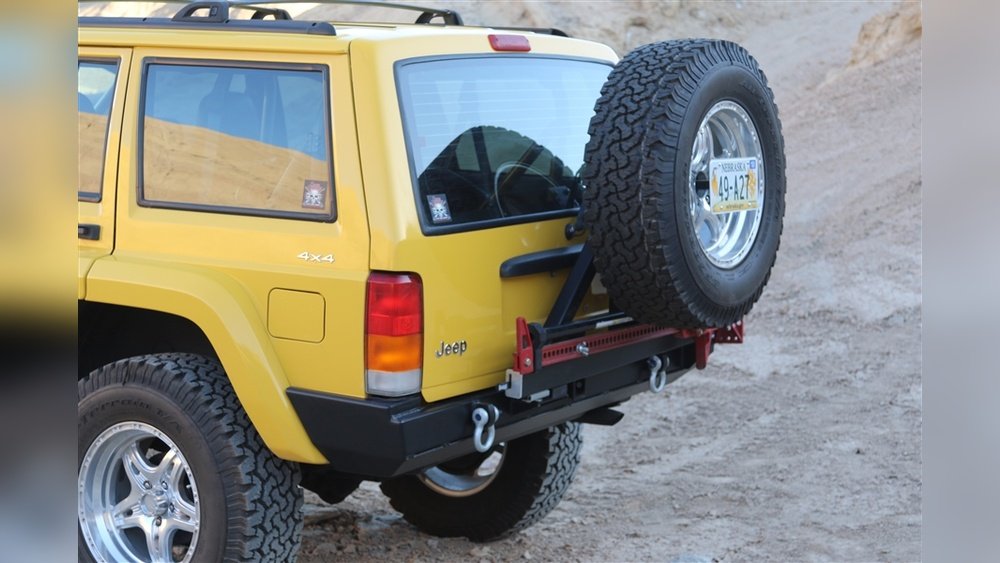
This style attaches to the rear bumper or replaces the bumper entirely.
- Pros: Frees up cargo space, allows for bigger tires, easy access.
- Cons: Higher cost, may require drilling or welding, adds weight.
3. Swing-out Carrier
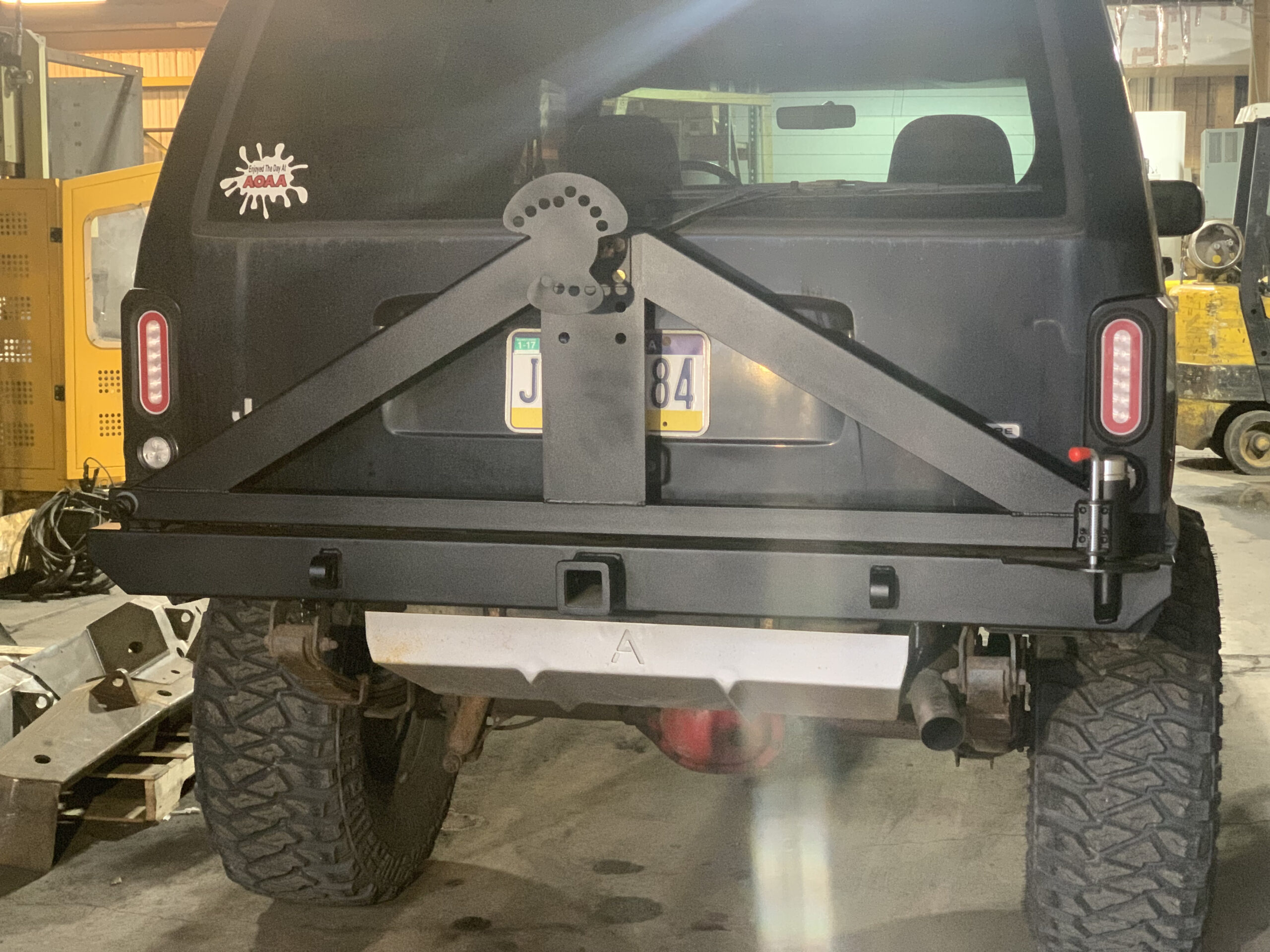
A swing-out carrier is connected to the rear bumper and swings away for access.
- Pros: Quick access to spare, fits large tires, can carry extra gear.
- Cons: Expensive, may need regular maintenance, adds moving parts.
4. Roof-mounted Carrier
Some XJ owners choose roof racks for their spare.
- Pros: Saves cargo space, fits oversized tires.
- Cons: Hard to lift heavy tires, affects vehicle balance, risk of theft.
5. Hitch-mounted Carrier
This style uses the rear hitch receiver.
- Pros: Easy to install, removable, fits bigger tires.
- Cons: Can block rear access, less stable for heavy off-roading.
Below is a quick comparison of the main types:
| Carrier Type | Location | Max Tire Size | Ease of Access | Cost |
|---|---|---|---|---|
| Internal | Cargo Area | Up to 31″ | Good | Low |
| Rear Bumper | Rear Exterior | Up to 35″ | Excellent | High |
| Swing-Out | Rear Exterior | Up to 37″ | Excellent | Very High |
| Roof | Roof Rack | Up to 37″ | Fair | Medium |
| Hitch-Mounted | Rear Hitch | Up to 35″ | Good | Medium |
Choosing The Right Carrier For Your Needs
When picking a spare wheel carrier, consider these factors:
- Tire Size: If you plan to use larger tires for off-roading, make sure the carrier fits.
- Usage: If you use your XJ for camping, you’ll want cargo space. Rear bumper carriers are ideal.
- Budget: Prices range from $100 for simple hitch carriers to over $800 for heavy-duty swing-outs.
- Installation: Some carriers need professional help. Others are simple bolt-on designs.
- Security: Look for carriers with locks or anti-theft features.
A common mistake is buying a carrier that doesn’t match your tire size or daily needs. For example, roof carriers may seem easy, but lifting a 35″ tire overhead can be very hard.
Installation: What Beginners Need To Know
Installing a spare wheel carrier isn’t always simple. Here are the main steps and tips:
1. Check Compatibility
- Confirm your carrier fits the XJ model years (1984–2001).
- Double-check tire size limits.
2. Prepare Tools
- Socket set, wrenches, drill (if needed), torque wrench.
- Safety gear: Gloves, eye protection.
3. Remove Old Carrier
- If upgrading from the factory carrier, take out the old mounting hardware.
- Clean the area for rust and debris.
4. Mount New Carrier
- For bumper or swing-out carriers, align brackets and mark holes.
- Drill carefully if required (many carriers are no-drill).
- Bolt on using recommended torque specs.
5. Secure Tire
- Use proper lug nuts or clamps.
- Double-check tightness.
- Test for movement.
6. Test Access
- Open and close carrier (swing-out).
- Make sure tailgate or hatch works freely.
- Check visibility and rear access.
Most installations take 1–3 hours. Beginners often forget to check for wiring (backup cameras, sensors) before drilling. Always read instructions carefully and watch installation videos if possible.
Credit: affordableoffroad.com
Pros And Cons Of Upgrading Your Spare Wheel Carrier
Is it worth upgrading? Here’s what to expect:
| Advantage | Drawback |
|---|---|
| More cargo space | Higher cost |
| Fits larger tires | Added weight |
| Better access | Possible drilling |
| Improved security | Extra maintenance |
| Custom look | May block rear camera |
Real-world Example: Off-roading With A Swing-out Carrier
Let’s look at a practical situation. Imagine you drive your Jeep Cherokee XJ on rough trails every weekend. You use 33″ tires for better traction, but your factory carrier can’t fit them. You upgrade to a swing-out rear bumper carrier.
Results:
- You keep your cargo area free for camping gear.
- Changing a tire takes less than 10 minutes.
- Your tire stays safe from rocks and mud.
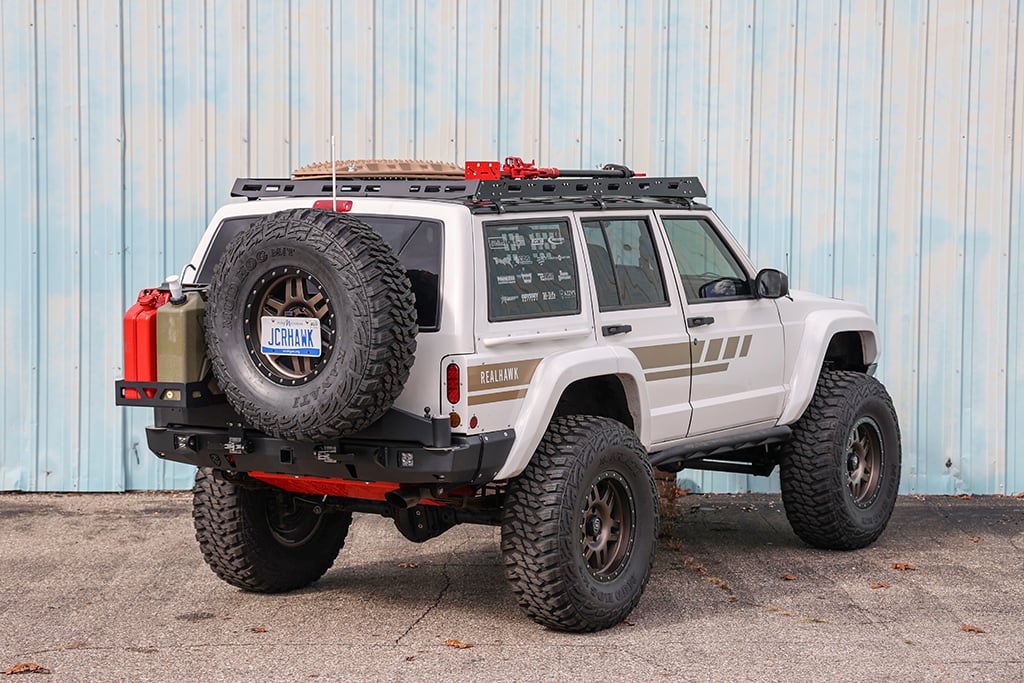
- You add extra accessories like gas cans and hi-lift jacks.
Many off-roaders report fewer delays and lower risk of damage with an external swing-out carrier. It’s a smart move for anyone who takes their XJ beyond paved roads.

Credit: www.reddit.com
Maintenance And Long-term Care
After installing a new spare wheel carrier, you need regular checks. Here’s what beginners often miss:
- Lubricate moving parts (hinges, locks) every few months.
- Inspect bolts for tightness after heavy off-roading.
- Check for rust or paint chips, especially on steel carriers.
- Clean the tire mount to prevent corrosion.
Neglecting maintenance can cause rattling, loose tires, or even loss of your spare. Basic care extends the carrier’s life and keeps your Jeep safe.
Common Beginner Mistakes
If you’re new to upgrades, avoid these pitfalls:
- Buying the wrong carrier for your tire size.
- Not checking for compatibility with roof racks or bumpers.
- Forgetting about weight limits on roof carriers.
- Failing to test rear hatch access after installation.
- Ignoring anti-theft features.
One non-obvious tip: Always test the carrier with a full-size spare before final installation. Sometimes, carriers fit only smaller tires even if advertised for larger sizes.
Top Brands And Where To Buy
There are many brands offering spare wheel carriers for the XJ. Some reliable names include:
- Smittybilt
- JCR Offroad
- Rock Hard 4×4
- Rugged Ridge
Prices vary by type and features. For the best deals and reviews, check sites like Quadratec and 4WD. com. Always compare warranties and return policies.
For more technical details and specs, visit the official Jeep Cherokee XJ Wikipedia page.
Safety And Legal Considerations
Some states have laws about spare tire carriers, especially those that block license plates or rear lights. Check your local rules before installing.
- Make sure your tire doesn’t cover brake lights.
- Avoid blocking rear cameras if your Jeep has them.
- Use reflective tape if the carrier sticks out.
Insurance may require you to declare major modifications. Always keep receipts and photos.
Credit: www.jcroffroad.com
Frequently Asked Questions
What Size Tire Can I Fit On A Factory Jeep Cherokee Xj Carrier?
Most factory carriers fit up to a 31-inch tire. Larger tires need external carriers. Always measure tire diameter before buying.
Do I Need Professional Help To Install A Rear Bumper Carrier?
Some bumper carriers require drilling or welding. If you’re not comfortable, get help from a professional. Many hitch carriers are bolt-on and easy for beginners.
Will A Spare Wheel Carrier Affect Fuel Economy?
Adding a heavy carrier (especially roof or bumper style) can lower fuel economy by 1–3 mpg. The effect is bigger with larger tires or roof-mounted carriers due to wind resistance.
How Do I Prevent Spare Tire Theft?
Look for carriers with locking mechanisms. You can also use cable locks or wheel locks. Make sure your tire can’t be removed without a key.
Can I Use My Spare Carrier For Other Gear?
Many carriers offer mounting points for gas cans, jacks, or recovery tools. Check weight limits and accessory compatibility before loading extra gear.
Final Thoughts
Upgrading your Jeep Cherokee XJ spare wheel carrier is a smart investment for safety, convenience, and off-road readiness. Whether you choose a simple hitch mount or a full swing-out system, make sure it fits your tire size, driving style, and budget. Beginners should take time to research, measure, and plan before buying. With the right carrier, your XJ will be ready for adventure—and you’ll never be stuck without a spare.