Jeep Cherokee XJ Fender Flares: Upgrade Your Off-Road Style
 Reading Time: 7 minutes
 The Jeep Cherokee XJ is an icon among off-road enthusiasts and adventure seekers. One of the most popular upgrades for this vehicle is adding fender flares. But why are fender flares so important? Are they just for looks, or do they serve a bigger purpose? This guide will walk you through everything you need to know about Jeep Cherokee XJ fender flares—from what they do to how to choose the right set for your needs.
What Are Fender Flares?
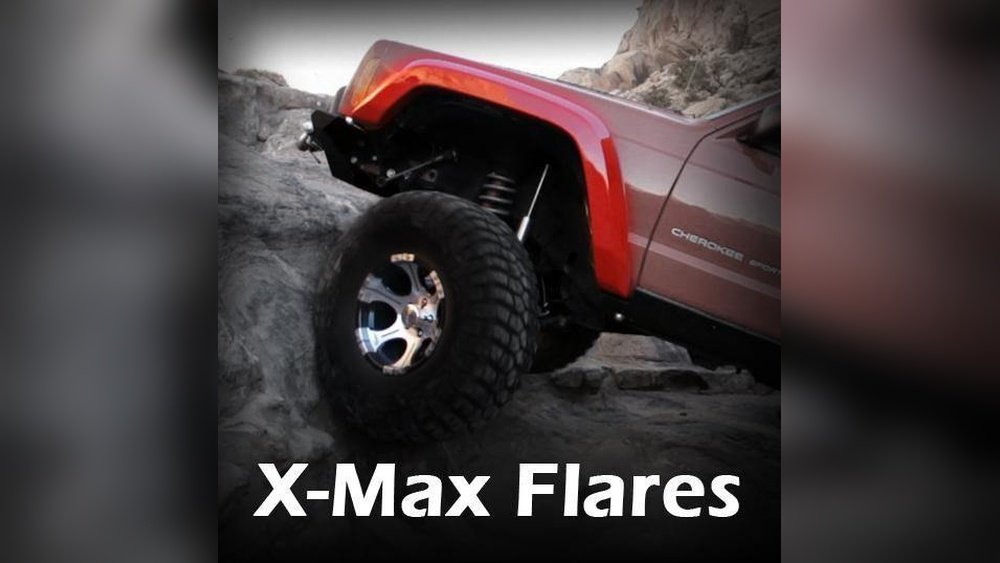
Fender flares are extensions installed over the wheel wells of your Jeep Cherokee XJ. Their main job is to cover larger or wider tires. But they offer more than just coverage:
- Protection: They help shield your Jeep’s body from mud, rocks, and debris thrown up by the tires.
- Legal Compliance: Many states require tires to be covered to a certain extent. Flares help you meet these laws.
- Appearance: Fender flares can give your XJ a more rugged, custom look.
For off-roaders and daily drivers alike, fender flares are often a must-have upgrade.
Why Do You Need Fender Flares On A Jeep Cherokee Xj?
Let’s break down the main reasons people install fender flares:
- Wider Tires: Many Jeep XJ owners install bigger tires for off-roading. These tires can stick out past the stock fenders, spraying mud and stones.
- Protecting Paint and Body: Without flares, rocks and debris can chip your paint or even dent your Jeep’s body panels.
- Staying Legal: In many states, if your tires stick out, you can get a ticket. Flares keep you street legal.
- Custom Looks: Flares add a tough, aggressive style that matches the Jeep’s adventurous spirit.
Interesting insight: Some beginners think fender flares are just for show, but in reality, they are often required after installing a suspension lift or wider wheels.
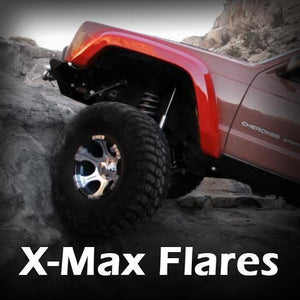
Credit: notchcustoms.com
Types Of Fender Flares For The Xj
Not all fender flares are the same. Here are the most common types you’ll find for the Jeep Cherokee XJ:
1. Factory-style Flares
- Mimic the original look from the factory.
- Made of durable plastic.
- Simple to install.
- Good for daily drivers who want a clean, original appearance.
2. Pocket-style Flares
- Feature visible bolt heads (for looks, not always functional).
- Offer extra tire coverage.
- Provide a rugged, off-road style.
3. Flat Flares
- Straight-edged, flat design.
- Often offer the most clearance for larger tires.
- Popular for serious off-roaders.
4. Tube Flares
- Built with steel tubing.
- Extremely strong and durable.
- Designed for heavy trail use where impacts are likely.
5. Cut-out Flares
- Require trimming the fender area.
- Allow for maximum tire clearance.
- Best for extreme lifts and very large tires.
Here’s a quick comparison of these types:
| Type | Appearance | Coverage | Durability | Ease of Install |
|---|---|---|---|---|
| Factory-Style | Stock look | Standard | Good | Easy |
| Pocket-Style | Rugged, bolt look | Extra | Very good | Medium |
| Flat Flares | Minimalist | Maximum | Excellent | Medium |
| Tube Flares | Off-road | Varies | Excellent | Difficult |
| Cut-Out Flares | Custom | Maximum | Very good | Hard |
Key Factors To Consider Before Buying
Choosing the right fender flares is not just about style. Here’s what you should consider:
- Tire Size: Measure how far your tires stick out. Choose flares that cover them fully.
- Material: Plastic is light and affordable; steel is heavy and tough.
- Installation: Some flares bolt on easily. Others require cutting and drilling.
- Budget: Prices range from $100 to over $500 for a full set.
- Local Laws: Check your state’s rules on tire coverage.
- Planned Use: Will you go off-road often or just drive in the city?
Non-obvious insight: Many first-time buyers forget to check if their new flares will work with existing side steps or rock sliders. Always check compatibility.
Popular Materials For Xj Fender Flares
The material affects both performance and appearance:
- ABS Plastic: Lightweight, affordable, resists UV damage. Great for most drivers.
- Polyurethane: Flexible, tough, resists cracking. Good for off-road use.
- Steel: Heavy, strong, best for extreme trails. Can rust if not coated.
- Fiberglass: Lightweight, custom shapes possible. More prone to cracking.
Here’s a side-by-side look at the pros and cons:
| Material | Weight | Durability | Cost | Best For |
|---|---|---|---|---|
| ABS Plastic | Light | Good | Low | Daily use |
| Polyurethane | Light | Excellent | Medium | Off-road |
| Steel | Heavy | Excellent | High | Extreme use |
| Fiberglass | Light | Average | Medium | Custom builds |
How To Install Fender Flares On A Jeep Cherokee Xj
Installing fender flares is a project many XJ owners can tackle at home. The process depends on the type and brand, but here is a general guide:
Tools You’ll Need
- Socket set or wrench
- Drill (for some flares)
- Measuring tape
- Marker or pencil
- Cutting tool (for cut-out flares)
- Safety glasses
Step-by-step Guide
- Test Fit: Hold the flare up to the fender to check alignment.
- Mark Holes: Use a marker to outline where holes will go.
- Drill Holes: If required, carefully drill new mounting holes.
- Attach Flare: Use supplied hardware to secure the flare.
- Double-Check Fit: Make sure the flare sits tight against the body.
- Repeat for All Wheels: Work methodically around the Jeep.
For cut-out flares, you’ll also need to trim the fender. Always measure twice and cut once.
Pro tip: Spray some rust inhibitor on fresh holes to prevent corrosion.
How Long Does Installation Take?
- Bolt-on flares: 1–2 hours for all four wheels.
- Cut-out flares: 3–4 hours due to extra cutting and fitting.
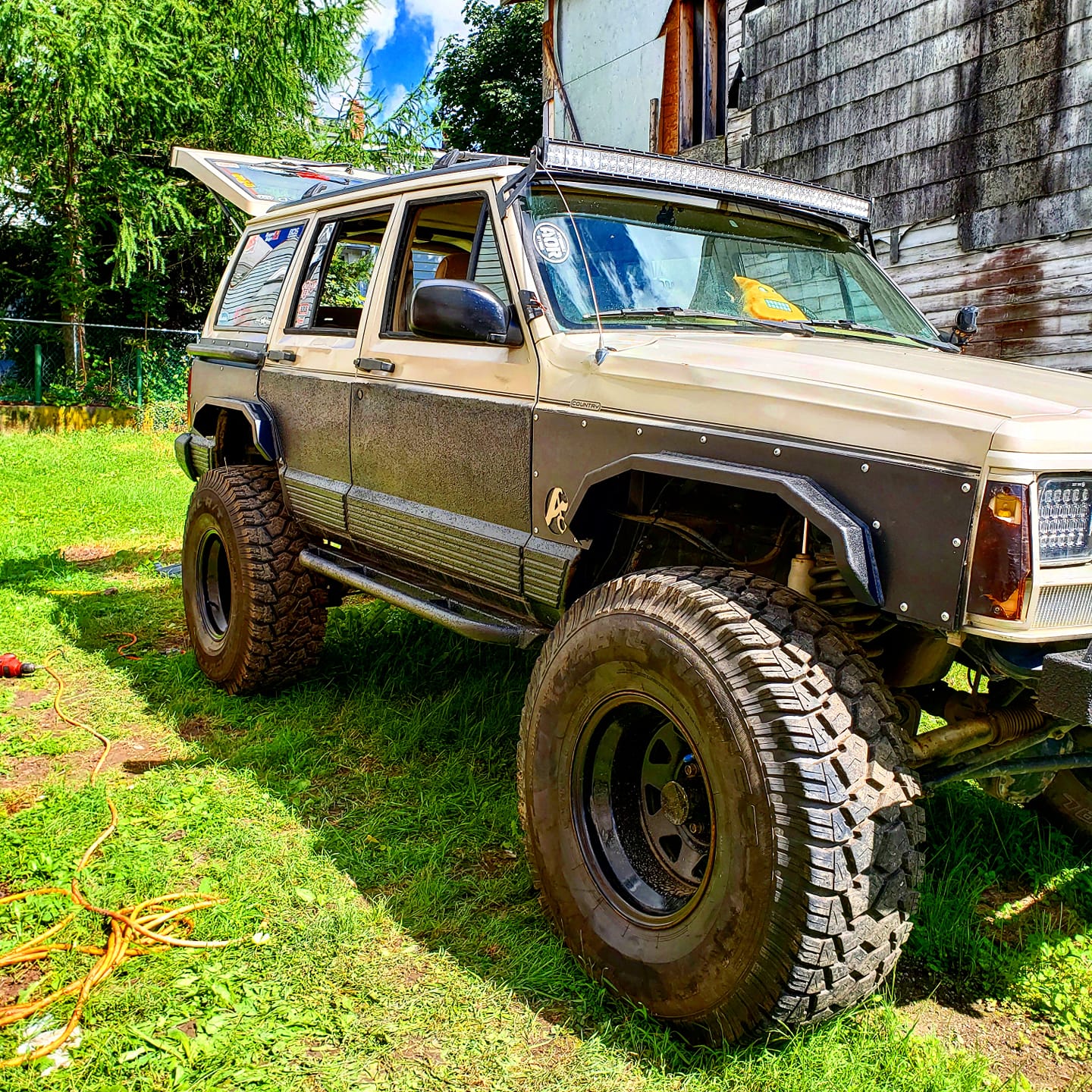
Credit: affordableoffroad.com
Common Installation Mistakes
Many beginners make small errors that lead to big problems later. Here are some things to avoid:
- Skipping test fitting: Always check the alignment before drilling.
- Not sealing drilled holes: This can lead to rust.
- Using the wrong hardware: Use bolts and washers supplied with the kit.
- Forgetting tire clearance: Check that your tires clear the flares at full turn and full suspension compression.
Non-obvious insight: If you plan to upgrade to even larger tires later, buy flares that provide extra coverage now.
Maintenance Tips For Fender Flares
Fender flares take a beating on and off-road. Keep them in good shape with these easy steps:
- Wash regularly: Rinse off mud and salt.
- Check bolts: Tighten any loose hardware.
- Inspect for cracks: Replace or repair cracked plastic immediately.
- Apply protectant: Use a plastic restorer to keep ABS flares looking new.
- Treat rust: For steel flares, touch up scratches to prevent rust.
Proper care extends the life of your investment and keeps your XJ looking sharp.
Top Brands To Consider
Several brands are well-known for quality XJ fender flares:
- Bushwacker: Offers wide, durable pocket-style and cut-out flares.
- Rugged Ridge: Known for affordable, factory-style options.
- Smittybilt: Popular for steel and tube-style flares.
- Napier Precision Products: Specializes in flat-style, off-road flares.
- Rusty’s Off-Road: Custom steel flares for extreme use.
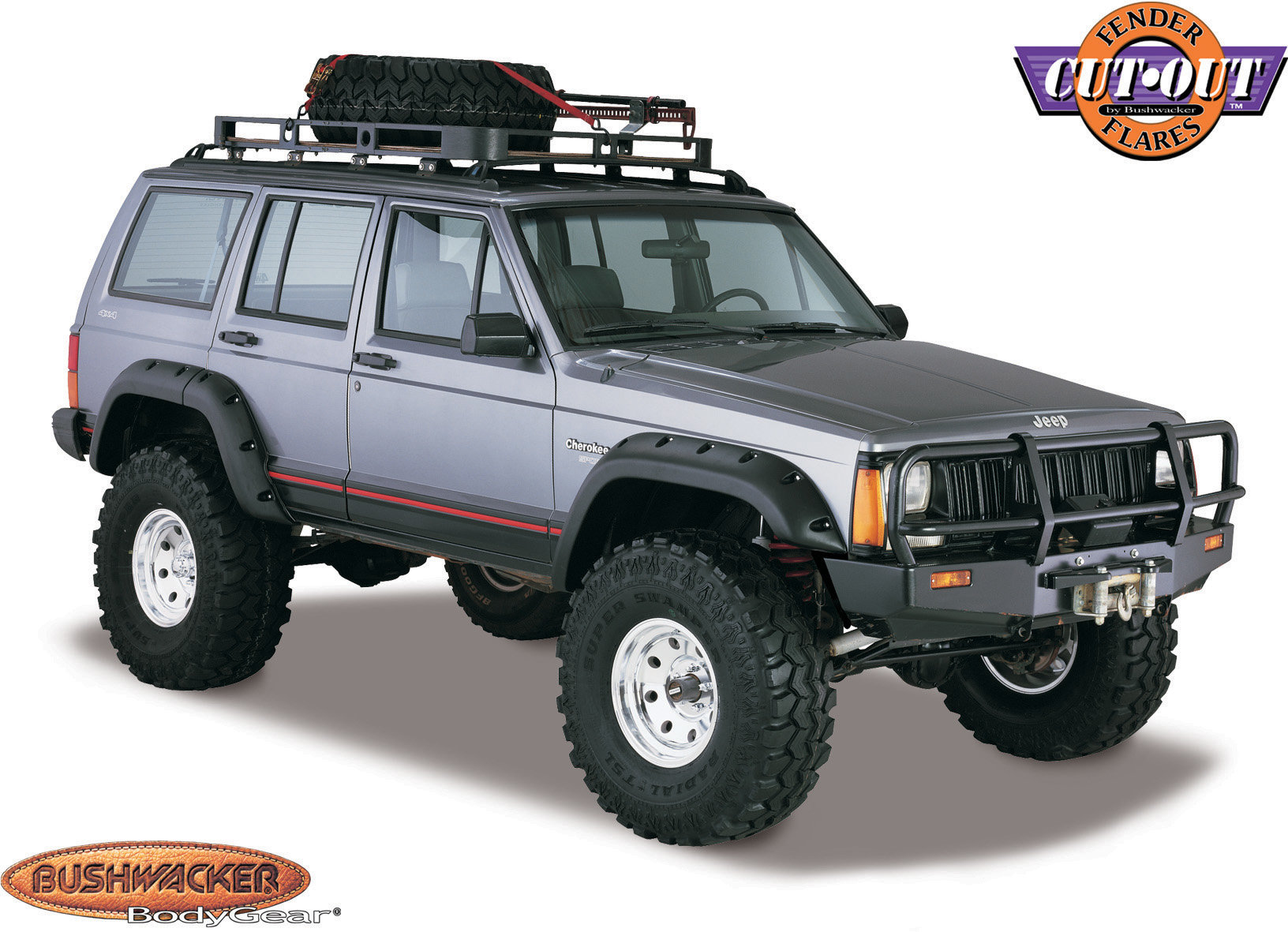
Example: Bushwacker Cut-Out Flares add up to 5.5 inches of tire coverage—enough for 35″ tires with the right lift.
Before you buy, check reviews and warranty information. Some flares come with a limited lifetime warranty.
Cost Breakdown And Value
Fender flares for the Jeep Cherokee XJ range widely in price:
- Basic ABS plastic flares: $100–$200 per set.
- Premium or steel flares: $300–$500+ per set.
- Installation at a shop: $200–$500 extra, depending on complexity.
Tip: If you’re on a tight budget, consider installing basic plastic flares yourself.
Do Fender Flares Affect Resale Value?
For many buyers, a Jeep with quality fender flares is more attractive. Flares show that you’ve taken steps to protect the body and possibly upgraded for off-road adventures. However, poorly installed or mismatched flares can lower value.
- Well-installed flares: May add value or at least help the sale.
- Damaged or poorly installed flares: Can turn buyers away.
Always keep your original fenders if you plan to sell the Jeep in stock condition later.
Legal Requirements: What You Should Know
Each state in the US has different rules about how much tire must be covered. In some places, even a small amount of uncovered tire can lead to a ticket. Search for “tire coverage law” plus your state’s name for specifics.
For example, Colorado and California have strict rules, while others are more relaxed.
Practical advice: If you travel across states, choose flares that provide full coverage to stay safe everywhere.
You can read more about US vehicle modification laws at SEMA.
Credit: www.quadratec.com
Frequently Asked Questions
How Do I Know What Size Fender Flares I Need For My Jeep Cherokee Xj?
Measure how far your tires stick out from the factory fender. Add at least half an inch to ensure full coverage. Most brands list the coverage width in their product description.
Do I Need To Cut My Jeep To Install Fender Flares?
Some fender flares, especially cut-out styles, require trimming your fenders. Factory-style and most pocket flares usually do not. Always check the instructions before buying.
Are Metal Fender Flares Better Than Plastic Ones?
It depends on your needs. Steel flares are stronger and better for heavy off-road use but are heavier and can rust. Plastic flares are lighter and do not rust but may crack if hit hard.
Can I Paint My Fender Flares To Match My Jeep?
Yes, most plastic and fiberglass flares can be painted. Use automotive paint and prep the surface well. Some brands even offer flares pre-painted to popular Jeep colors.
Will Fender Flares Help With Mud And Water?
Absolutely. Fender flares block mud, water, and stones from hitting your Jeep’s body. They help keep your paint and windows cleaner, especially when off-roading.
Adding fender flares to your Jeep Cherokee XJ is a smart investment. Whether you want to protect your vehicle, stay legal, or just turn heads, the right set of flares can make a big difference. Take your time, measure carefully, and choose a product that matches both your style and your driving needs. With the right flares, your XJ will be ready for any adventure—on the trail or on the road.