Is the Jeep Compass Reliable: Ultimate Guide to Durability & Performance
 Reading Time: 11 minutes
 Thinking about buying a Jeep Compass but wondering if it’s reliable enough for your daily drive or weekend adventures? You’re not alone.
When it comes to choosing a vehicle, reliability is one of the first things you want to be sure about. The Jeep Compass has a strong appeal with its rugged looks and off-road promise, but does it live up to expectations when it comes to dependability?
You’ll discover the most common issues owners face, which model years to be cautious about, and how maintenance plays a big role in keeping your Compass running smoothly. By the end, you’ll have a clear picture to decide if the Jeep Compass is the right reliable companion for your journey. Keep reading to get all the facts before you make your move.
Credit: www.motorbiscuit.com
Jeep Compass Reliability Overview
The Jeep Compass shows mixed reliability results. Some owners report smooth experiences. Others face common issues that affect daily use.
Knowing the typical problems helps set realistic expectations. It guides buyers and current owners on what to watch for. Regular care can improve the vehicle’s lifespan.
Common Problem Areas
The transmission often causes trouble. Hesitation, rough shifting, and overheating are common complaints.
Electrical issues appear frequently. Problems with the touchscreen, backup camera, and start-stop system happen.
Water leaks into the cabin occur due to poor seals. This leads to mold and electrical faults.
Brakes may make grinding noises or vibrate. Proper maintenance can fix these problems.
Starting issues sometimes arise from a wet or corroded relay box. This causes no-start conditions.
Suspension parts like struts and control arms wear out over time. This affects ride comfort and safety.
Corrosion is a concern, especially in salty climates. Rust can damage undercarriage parts and hardware.
Model Year Considerations
Some model years show better reliability than others. Certain years rank well despite minor flaws.
Older models may have more issues due to age and wear. Newer versions often have updated parts and fixes.
Factors Influencing Longevity
Maintenance is key to lasting performance. Following the service schedule helps prevent major problems.
Driving habits also impact vehicle life. Gentle driving reduces strain on parts.
Climate and road conditions matter. Harsh weather and salted roads increase corrosion risk.
Addressing issues early keeps the Jeep Compass reliable longer. Regular checks and repairs prevent bigger damage.
Common Problems
The Jeep Compass has earned a mixed reputation for reliability. Some owners report smooth experiences, but others face recurring issues. Understanding common problems helps potential buyers and current drivers manage expectations. These problems often involve key systems that affect daily driving and vehicle longevity.
Transmission Issues
Many Jeep Compass owners notice hesitation during gear shifts. The transmission may feel rough or delay when changing speeds. Overheating can occur, especially in stop-and-go traffic. These issues can reduce driving comfort and sometimes require costly repairs.
Electrical System Faults
Electrical problems are frequent with the Jeep Compass. The touchscreen may freeze or fail to respond. Backup cameras can stop working unexpectedly. Warning lights might appear randomly on the dashboard. The engine start-stop system sometimes fails to restart the engine smoothly.
Water Leaks
Water leaks inside the cabin cause discomfort and damage. Poor sealing around the windshield or sunroof lets water enter. This moisture may lead to mold growth and electrical malfunctions. Owners should check seals regularly to prevent leaks.
Brake Concerns
Some Jeep Compass models produce grinding noises when braking. Vibrations during stops are another common complaint. These issues usually come from worn brake parts or lack of maintenance. Anti-vibration brackets can help reduce noise in some cases.
Starting Difficulties
Starting problems are linked to moisture in the relay box. When wet or corroded, the relay box may cause the engine not to start. This fault can leave drivers stranded unexpectedly. Keeping this area dry and clean can reduce the risk.
Suspension Wear
Worn suspension parts cause a rough ride in the Jeep Compass. Struts may lose their damping ability over time. Control arms and tie rods can fail, affecting handling and safety. Regular inspections help catch these problems early.
Corrosion Risks
Rust is a concern, especially in older Compass models. Salty roads and humid climates increase corrosion on the undercarriage. Corrosion weakens key components and affects vehicle durability. Washing the undercarriage after winter helps prevent rust buildup.
Model Year Differences
The Jeep Compass has evolved over the years. Model year differences affect its reliability and features. Understanding these changes helps buyers choose wisely.
Some years show fewer problems and better performance. Others have reported more issues, especially with electronics and transmission. Let’s explore key model year variations.
2011-2016 Jeep Compass
These early models often faced transmission hesitation and rough shifting. Electrical glitches with the touchscreen and backup camera were common. Water leaks in the cabin also appeared due to poor sealing. Brake noise and suspension wear showed up after some time. Rust was more noticeable in salty climates.
2017-2021 Jeep Compass
This generation improved in many ways. Transmission issues became less frequent but did not disappear. The infotainment system still had occasional glitches but was more stable. Better sealing reduced water leak problems. Brakes and suspension parts lasted longer. Corrosion resistance improved with updated materials.
2022 And Newer Models
The latest Compass models offer enhanced reliability. Transmission and electrical systems are more refined. New safety features and tech upgrades come standard. Water leaks and brake noise issues are rare. Rust protection is stronger. Regular maintenance remains key to long-term durability.
Longevity Factors
The longevity of the Jeep Compass depends on several key factors. These influence how long the vehicle can serve reliably. Understanding these helps owners get the most out of their Compass. Proper care and attention can extend its life significantly.
Some factors are within the owner’s control, while others relate to design or model year. Paying attention to maintenance, driving style, and known issues improves reliability.
Maintenance Importance
Regular maintenance is vital for Jeep Compass longevity. Changing oil, filters, and fluids on time keeps the engine healthy. Brake checks and tire rotations prevent premature wear. Ignoring small repairs can lead to bigger, costly problems later. Scheduled inspections catch issues early, protecting the vehicle’s performance.
Driving Habits
How you drive affects the Jeep Compass lifespan. Smooth acceleration and braking reduce stress on parts. Avoiding harsh conditions like deep mud or rough roads prevents damage. Long trips at steady speeds help the engine run efficiently. Aggressive driving may cause faster wear of brakes and suspension.
Specific Model Issues
Certain model years have common problems to watch for. Transmission hesitation and rough shifting appear in some versions. Electrical glitches in the touchscreen or cameras also occur. Water leaks in the cabin can cause mold and electrical faults. Knowing these helps owners address issues quickly and maintain reliability.
Reliability Compared
The reliability of the Jeep Compass often raises questions among buyers. Comparing its performance to others helps understand its strengths and weaknesses. This section breaks down how the Compass fares against its class and main competitors.
Knowing these details assists in making an informed decision. It reveals whether the Compass meets the expectations for daily use and long-term ownership.
Class Average Performance
The Jeep Compass performs close to the average of compact SUVs. It shows moderate reliability scores in industry reports. Issues like transmission and electrical problems appear more often than average. Some models face water leaks, which is less common in its class.
Routine maintenance can reduce many problems and improve lifespan. The Compass scores slightly below average in repair frequency. Owners often report fixes for brakes and suspension parts.
Despite these points, many drivers find it dependable for city and light off-road use. It offers solid safety features, which add to overall value.
Competitor Comparison
Compared to rivals like the Honda CR-V and Toyota RAV4, the Compass shows lower reliability. Both competitors have fewer reported issues and better resale values. Their engines and transmissions tend to be more durable.
The Subaru Forester also outperforms the Compass in reliability surveys. It offers better all-weather performance and fewer mechanical complaints. Jeep’s off-road capability remains a plus but comes with more maintenance needs.
In summary, the Compass suits those wanting style and moderate off-road ability. Buyers seeking top reliability might consider alternatives with higher dependability scores.
Years To Avoid
Some Jeep Compass model years have shown more problems than others. Avoiding these years can help you find a more reliable vehicle. Certain model years had issues that caused frequent repairs and owner complaints. Knowing these years helps you make a better buying decision.
High-risk Model Years
The 2011 and 2012 Jeep Compass models are often flagged for reliability concerns. Owners reported many transmission troubles and electrical faults in these years. The 2017 model also faced criticism due to engine stalling and sensor failures. These years had higher repair costs and more frequent visits to the mechanic. Avoiding these models reduces the risk of unexpected breakdowns.
Known Defects
Transmission problems include rough shifting and overheating, leading to poor driving experience. Electrical defects often cause touchscreen glitches and warning lights that confuse drivers. Water leaks through faulty seals let moisture inside, damaging the interior and electronics. Brake issues like grinding noises can also appear in specific years. Suspension parts may wear faster, causing a rough ride and handling problems. These defects tend to cluster in the high-risk model years.
Better Year Choices
Choosing the right year can improve the Jeep Compass reliability experience. Some model years have fewer problems and better reviews. Picking a better year means less worry about repairs and breakdowns.
Knowing which years show better performance helps buyers make smart decisions. Below are some of the better year choices for the Jeep Compass.
2017 Jeep Compass
The 2017 model fixed many earlier issues, especially with transmission and electronics. Owners report smoother shifting and fewer warning lights. It has a solid build and decent fuel economy. Many drivers find it reliable for daily use.
2018 Jeep Compass
The 2018 Compass improved interior quality and added safety features. Problems with water leaks and touchscreen glitches dropped compared to previous years. This year offers better comfort and fewer common complaints. It is a popular choice among used SUV buyers.
2020 Jeep Compass
The 2020 model introduced a more refined engine and updated technology. Transmission issues are less frequent, and the start-stop system works more reliably. It also has better crash test ratings. This year is recommended for those seeking newer features with good reliability.
Credit: www.copilotsearch.com
Owner Insights
Owner insights offer a clear view of the Jeep Compass reliability. Real users share their experiences, highlighting strengths and weaknesses. These insights help potential buyers understand what to expect. Below, we explore positive features, common repair costs, and user reviews.
Positive Features
Many owners praise the Jeep Compass for its comfortable ride. The interior design receives positive remarks for being spacious and user-friendly. Drivers appreciate the smooth handling on city roads and light off-road trails. Fuel efficiency is often noted as above average in its class. The vehicle’s safety features gain good feedback from daily users. Overall, the Compass meets basic expectations for a compact SUV.
Common Repair Costs
Some owners report repairs related to the transmission and electrical system. Transmission issues may include rough shifting and hesitation. Electrical problems often involve the touchscreen and backup camera. Water leaks into the cabin have caused mold and other troubles. Brake repairs are common but usually inexpensive. Suspension parts like struts might need replacement over time. Repair costs vary but remain manageable with regular maintenance.
User Reviews
User reviews show mixed opinions about the Jeep Compass. Many owners find it reliable for daily use and short trips. Others mention occasional problems that require visits to the mechanic. Reliability improves with consistent service and care. The vehicle suits drivers who want a budget-friendly SUV with decent performance. Some users recommend checking specific model years for fewer issues. Overall, owner feedback helps gauge long-term satisfaction.
Performance Highlights
The Jeep Compass delivers a performance that balances everyday driving with adventurous spirit. It offers a smooth ride on city roads and holds its own on rougher terrain. The vehicle’s capabilities show in its powertrain options, handling, and comfort features. These highlights contribute to its overall reliability and appeal.
Off-road Capability
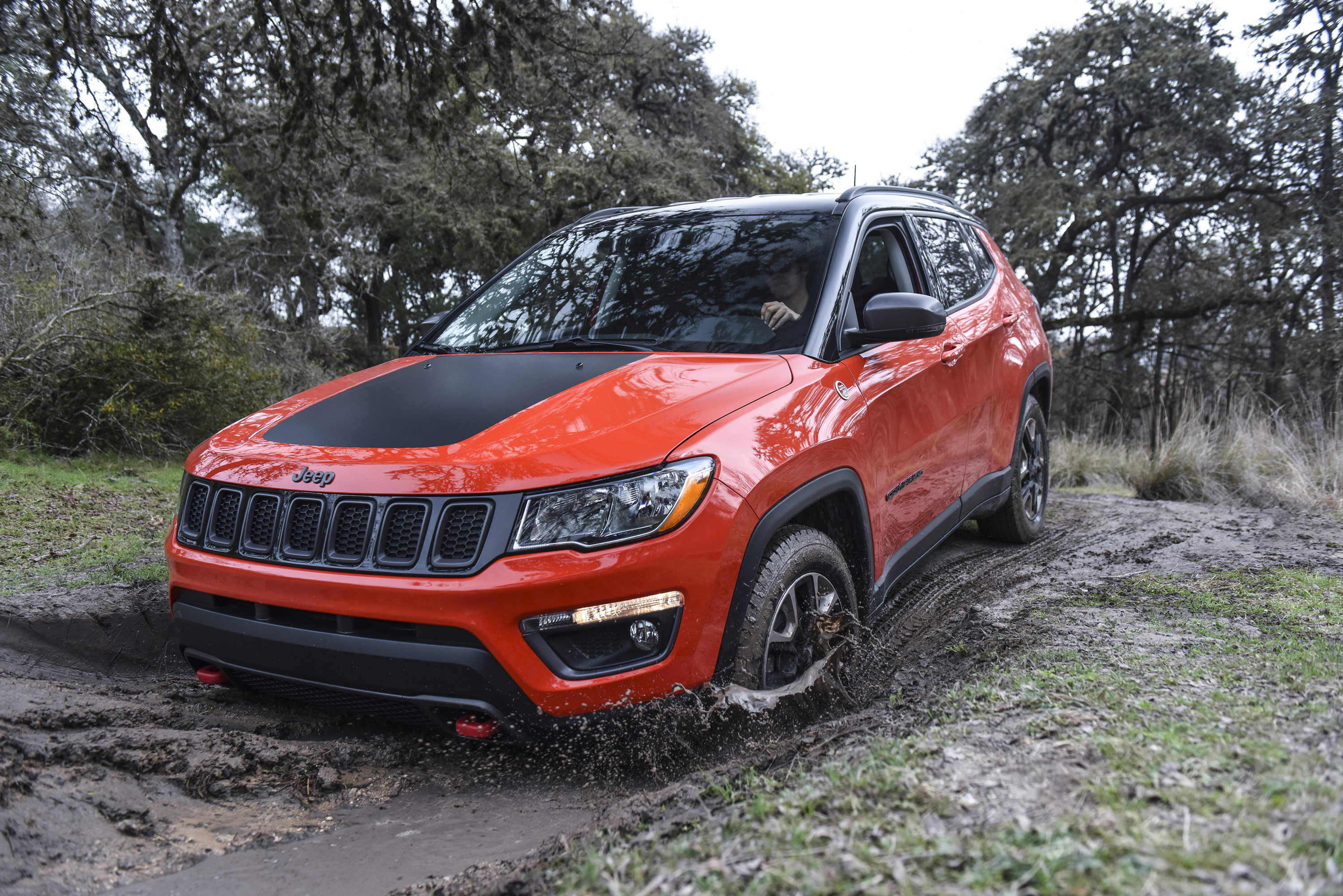
The Jeep Compass stands out with its off-road skills. It comes with an available four-wheel-drive system. This setup improves traction on slippery or uneven surfaces. The Trailhawk model, in particular, features higher ground clearance and skid plates. This helps protect vital parts when driving over rocks or rough ground. The Compass also includes Jeep’s Active Drive Low system. It offers a low-range gear for tough climbs and descents. Drivers find confidence in its off-road performance for weekend adventures or tough weather conditions.
Styling And Value
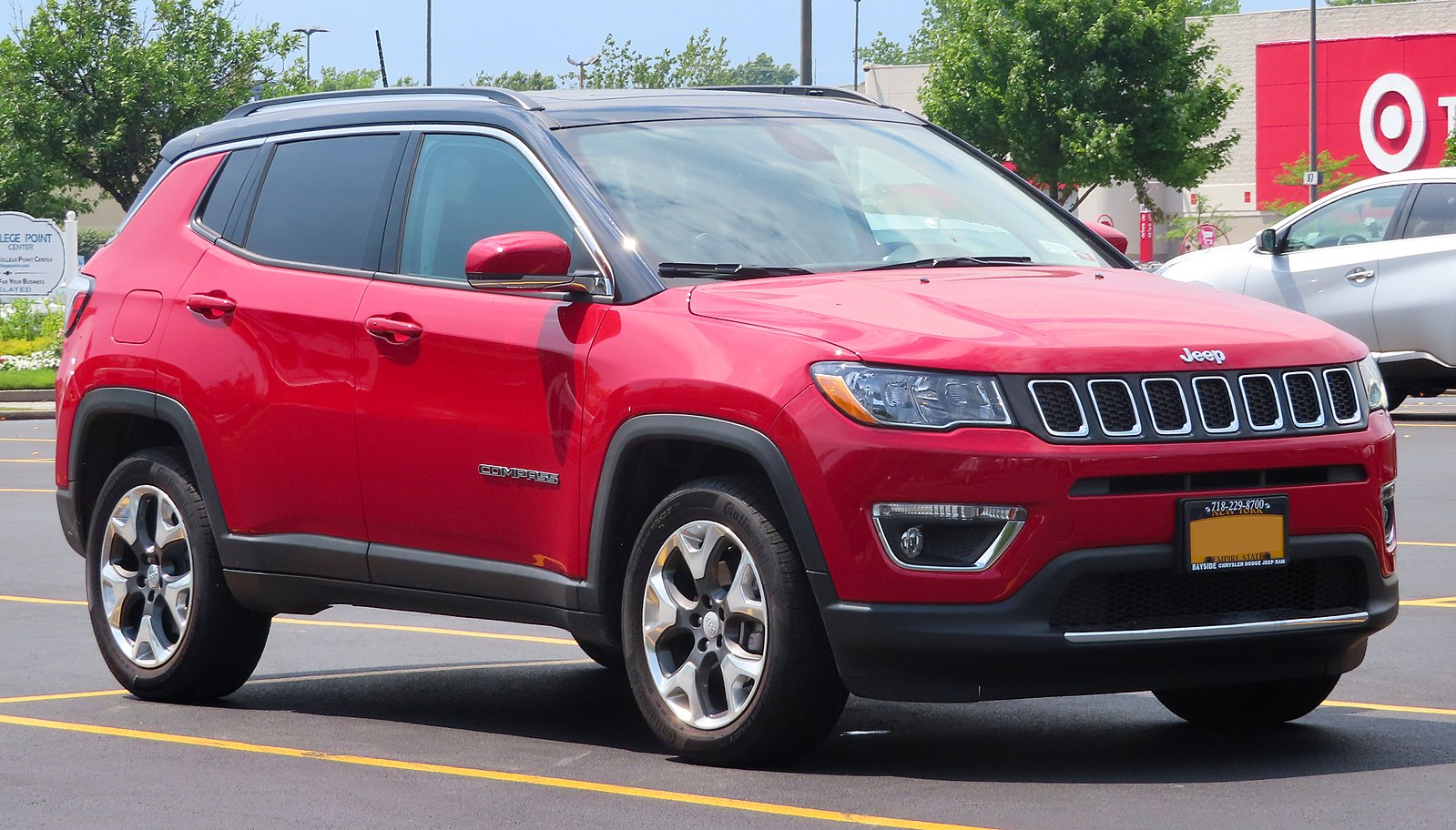
The Jeep Compass combines rugged looks with modern design. It has a bold front grille and sleek body lines. The interior offers comfort with user-friendly controls. Quality materials make the cabin feel upscale. Tech features include touchscreen displays and smartphone integration. The Compass provides good value for its price. It offers many features found in higher-end SUVs. Buyers appreciate the mix of style, comfort, and utility in one package.

Credit: repairpal.com
Frequently Asked Questions
Is The Jeep Compass A Good Reliable Car?
The Jeep Compass offers average reliability with common issues like transmission and electrical problems. Proper maintenance improves longevity. Some model years perform better than others. It ranks below top competitors but suits those seeking a budget-friendly SUV with decent features and care.
What Is The Most Common Problem With A Jeep Compass?
The most common problem with a Jeep Compass involves transmission issues like hesitation and rough shifting. Electrical glitches, water leaks, and brake noise also occur frequently. Regular maintenance helps reduce these problems and improve reliability.
How Long Will A Jeep Compass Last?
A Jeep Compass typically lasts around 150,000 to 200,000 miles with proper maintenance. Regular servicing extends its lifespan.
What Years To Stay Away From Jeep Compass?
Avoid Jeep Compass model years 2011 to 2016 due to frequent transmission and electrical issues. Later models improved reliability.
Conclusion
The Jeep Compass shows average reliability with some common issues. Regular maintenance helps avoid many problems. Transmission and electrical glitches appear often but can be managed. Older models may face more corrosion and suspension wear. Choosing the right model year improves dependability.
Driving style also affects how long it lasts. Overall, the Compass suits drivers who stay on top of repairs. It offers decent performance but not the highest reliability in its class. Consider your needs carefully before deciding on this SUV.