Is the Jeep 36 V6 a Good Engine? Performance and Reliability
 Reading Time: 9 minutes
 If you’re considering the Jeep 36 V6 engine, you probably want to know if it truly delivers on performance and reliability. After all, your vehicle’s heart needs to be both strong and dependable, especially when you’re tackling tough trails or daily drives.
This engine has earned a mixed reputation—some praise its durability and simplicity, while others highlight certain quirks and common issues. You’ll discover what makes the Jeep 36 V6 tick, the problems you should watch out for, and whether it’s the right choice for your Jeep.
Keep reading to find out if this engine can unleash the power and dependability you expect.
Jeep 36 V6 Engine Specs
The Jeep 36 V6 engine offers a blend of performance and reliability that suits many Jeep enthusiasts. Understanding its specifications helps evaluate its true capabilities. This engine has a solid reputation for durability but also faces some challenges that owners should know.
Below, we explore key specs including power, fuel economy, and design features. These details reveal how the engine performs on and off the road.
Power And Torque Output
The Jeep 36 V6 delivers around 210 horsepower. Torque output stands near 235 lb-ft. This power level is adequate for daily driving and moderate off-road use. The engine provides smooth acceleration in city traffic and on highways. It may feel less strong when the vehicle carries heavy loads or large tires.
Fuel Economy Insights
The fuel economy for the 36 V6 engine averages about 17 miles per gallon in the city and 21 on the highway. These numbers are typical for a V6 in an SUV of this size. The engine’s design focuses more on power than fuel savings. Drivers who want better mileage might consider smaller engines or newer technologies.
Engine Design Features
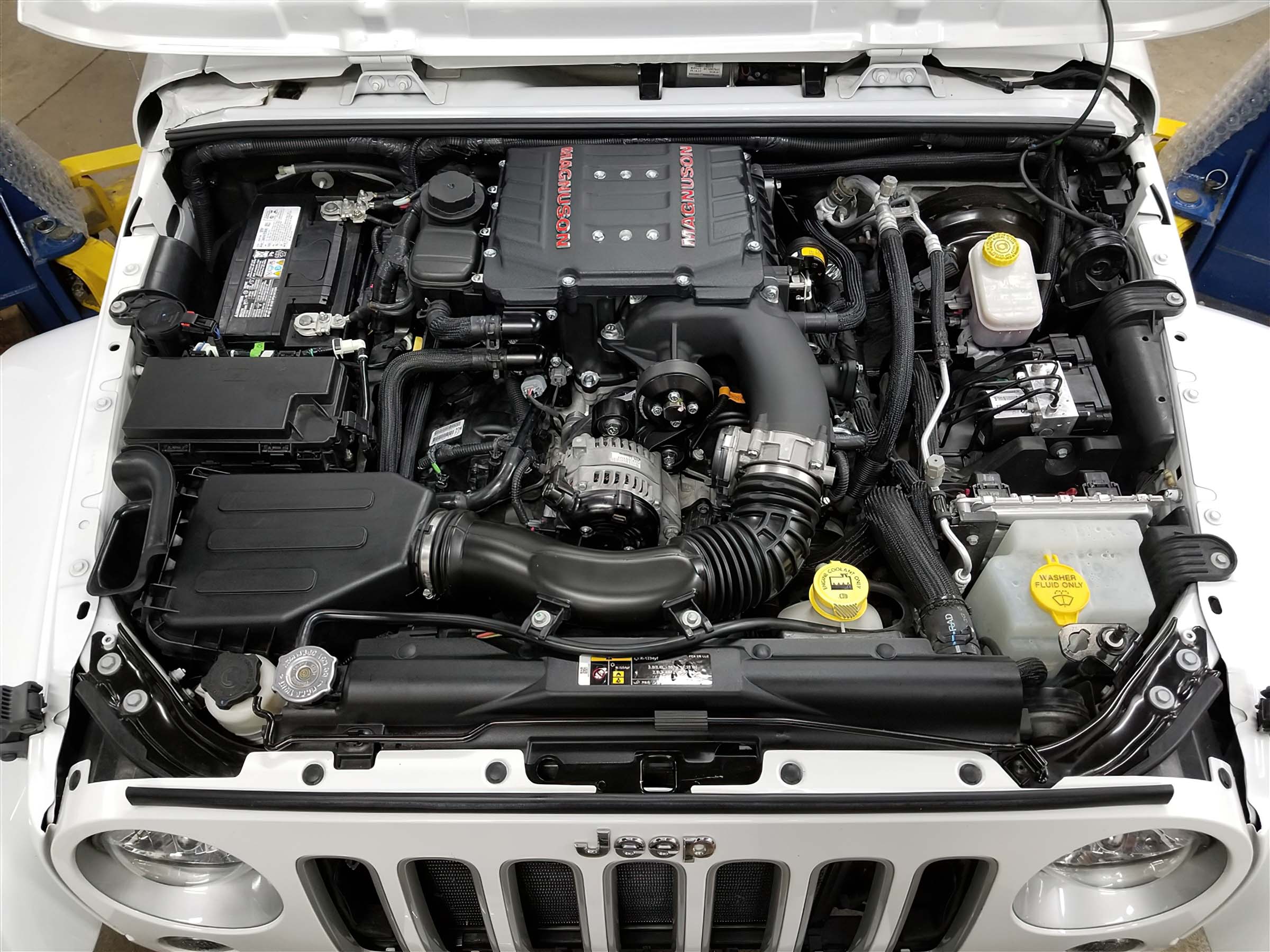
This V6 uses a pushrod design with overhead valves. It is simpler than modern overhead cam engines. This simplicity can make repairs easier and cheaper. The engine includes features like cast iron block and aluminum heads. These materials balance strength and weight. Some common issues include oil cooler leaks and gasket wear, so regular checks are important.

Credit: www.covertauto.com
Performance Highlights
The Jeep 3.6 V6 engine delivers a balanced mix of power and dependability. Its performance suits various driving needs. This section highlights key aspects of its capabilities.
Understanding these performance details helps determine if this engine fits your Jeep lifestyle.
On-road Driving Experience
The 3.6 V6 offers smooth acceleration for highway and city driving. It handles daily commutes with ease. The engine’s power is steady but not overly aggressive. Fuel efficiency remains reasonable for a V6 of its size. Noise and vibration are noticeable but manageable. Overall, it provides a comfortable ride for most drivers.
Off-road Capabilities
This engine supports Jeep’s strong off-road heritage. It delivers enough torque to climb steep trails and navigate rough terrain. The 3.6 V6 responds well to throttle input during low-speed maneuvers. Its simple design helps with easier repairs after tough off-road use. Some drivers note it lacks extra power for heavy off-road setups. Still, it performs reliably in many off-road situations.
Towing And Hauling
The 3.6 V6 can tow moderate loads efficiently. It handles light trailers and small campers without strain. Towing capacity suits average Jeep owners who tow occasionally. The engine maintains stable power under load but may struggle with heavier trailers. Proper maintenance improves its towing reliability. It remains a solid choice for casual hauling tasks.
Reliability Factors
The Jeep 3.6 V6 engine offers solid performance but comes with its share of common problems. Knowing these issues helps in spotting trouble early and maintaining reliability. This section covers the frequent problems Jeep owners report. Understanding these can save time and repair costs.
Oil Cooler Leaks
Oil cooler leaks are a frequent issue with the Jeep 3.6 V6 engine. The cooler can develop cracks or loose seals. This causes coolant or oil to leak. Leaks can lead to overheating and engine damage if not fixed quickly. Regularly check for any signs of fluid under the vehicle.
Rocker Arm Ticking Noise
A ticking noise from the rocker arms is common. It often comes from worn roller followers. This noise might increase as the engine runs longer. While it may not cause immediate damage, ignoring it can lead to bigger engine problems. Early repair keeps the engine running smoothly.
Cooling System Failures
The cooling system sometimes fails due to water pump or oil cooler housing issues. These failures cause coolant leaks and engine overheating. Overheating can damage engine parts seriously. Frequent coolant checks and prompt repair of leaks are important. Maintain the cooling system in good condition for optimal engine health.
Gasket And Seal Issues
This engine has many gaskets and seals that can wear out over time. Common issues include leaks from intake manifold gaskets, valve cover seals, and timing cover gaskets. Leaks reduce engine efficiency and can cause oil or coolant loss. Replace worn gaskets promptly to avoid major repairs.
Credit: magnusonsuperchargers.com
Frequent Problems
The Jeep 36 V6 engine is known for several advantages that attract many drivers. Its design focuses on strength and ease of maintenance. These features make it a practical choice for those who want dependable performance without complex repairs. Below are some key benefits of the 36 V6 engine.
Durability And Simplicity
The 36 V6 has a simple pushrod design. This simplicity means fewer parts can fail over time. Its sturdy build helps it handle tough driving conditions. Mechanics find it easier to service and repair. This durability reduces downtime and repair costs.
Long Lifespan Potential
With proper care, the 36 V6 can last many miles. Regular maintenance such as oil changes and timely repairs keeps it running smoothly. Its solid construction supports long-term use. Many users report high mileage without major engine failures.
Affordable Replacement Parts
Parts for the 36 V6 are widely available and affordable. Since it shares components with minivan engines, replacements cost less. This availability helps keep repair bills low. Drivers can find parts easily, making upkeep simpler and cheaper.
Pros Of The 36 V6
The Jeep 36 V6 engine has some drawbacks that affect its overall appeal. Understanding these cons helps buyers make informed decisions. These issues impact performance, maintenance, and comfort.
Underpowered Performance
The 36 V6 often feels weak for Jeep’s size and weight. It struggles with heavy loads and steep climbs. Acceleration can be slow, especially with automatic transmissions. Larger tires also reduce its power delivery. Drivers may find it sluggish on highways or off-road trails.
Oil Consumption Concerns
This engine tends to use more oil than expected. Many owners report frequent oil top-ups between changes. Excessive oil use can indicate worn piston rings or valve seals. Ignoring this issue risks engine damage and costly repairs. Regular oil checks become necessary to avoid problems.
Noise And Vibration Levels
The 36 V6 produces more noise inside the cabin compared to newer engines. Engine vibration is noticeable at idle and low speeds. This can reduce driving comfort over long trips. Some owners describe a ticking sound from rocker arms. These factors make the ride less refined.
Vulnerability To Off-road Wear
Off-road use exposes the engine to harsh conditions. Components like the oil cooler and valve cover are prone to leaks. Dirt and debris can damage gaskets and seals more easily. Frequent maintenance is needed to prevent failures during rugged driving. This lowers reliability in tough environments.

Credit: www.youtube.com
Cons Of The 36 V6
Comparing the Jeep 3.6 V6 engine with other engines helps understand its strengths and weaknesses. This section highlights how it performs against popular alternatives. It also examines its fit for different Jeep models, especially the Wrangler.
Vs. Pentastar V6
The Jeep 3.6 V6 is often compared to the Pentastar V6. Both engines share similar displacement but differ in design and technology. The Pentastar V6 offers better fuel efficiency and smoother power delivery. It uses advanced fuel injection and variable valve timing. The Jeep 3.6 V6 is simpler and easier to repair. It produces solid torque, which helps in off-road conditions. Pentastar is slightly more refined but also more complex and costly to maintain.
Vs. Older Jeep Engines
Older Jeep engines, like the 4.0 inline-six, have a strong reputation for durability. The 3.6 V6 is more modern and provides more horsepower. The 4.0 engine is known for its simplicity and long life but lacks the power needed for today’s heavy SUVs. The 3.6 V6 improves acceleration and towing capacity. Reliability is mixed for both, depending on maintenance. The 3.6 V6 has more electronic components, which can mean higher repair costs.
Suitability For Wrangler
The 3.6 V6 suits the Jeep Wrangler well. Its torque supports off-road driving and towing. The engine fits well with the Wrangler’s weight and size. It provides enough power for daily driving and trail use. Some users notice oil consumption and minor leaks over time. Regular maintenance reduces these issues. Overall, the engine balances performance and reliability for Wrangler owners.
Maintenance Tips
The Jeep 3.6 V6 engine offers a balance of performance and reliability. It serves well in various driving conditions. This engine is known for its simplicity and durability. Yet, it has some common issues that require attention. Proper maintenance greatly improves its lifespan and efficiency. Understanding these factors helps in making an informed decision.
Is It Worth The Investment?
The 3.6 V6 engine provides decent power for daily driving. It handles city roads and highways comfortably. Off-road use is possible but may feel underpowered with heavy modifications. Repair costs can be moderate if maintenance is regular. Some parts like the oil cooler and gaskets may need frequent checks. Overall, it offers good value for the price.
Who Should Choose This Engine?
This engine suits drivers who want reliable everyday transportation. It fits well for those who prefer simple mechanics. Enthusiasts with basic DIY skills will find it easier to service. People not requiring high horsepower or heavy towing will benefit most. It is a practical choice for moderate off-road adventures. Those seeking top performance might consider stronger alternatives.
Frequently Asked Questions
Is The Jeep 3.6 L V6 Reliable?
The Jeep 3. 6L V6 is generally reliable if maintained well. Watch for oil cooler leaks, rocker arm noise, and coolant issues. Regular oil changes and timely repairs improve longevity. It’s durable but may feel underpowered and noisy compared to newer engines.
What Is The Oil Problem With The Chrysler Pentastar 3.6 L V6 Engine?
The Chrysler Pentastar 3. 6L V6 engine often faces oil cooler leaks causing oil or coolant loss. Worn rocker arms create ticking noises. Common oil issues include gasket leaks and oil consumption. Regular maintenance prevents severe damage and ensures engine reliability.
Is The Jeep 3.8 V6 A Good Engine?
The Jeep 3. 8 V6 is reliable and durable if well-maintained. It’s underpowered and prone to oil leaks. Regular upkeep ensures longevity.
How Reliable Is The 3.6 L 6 Cylinder Gas Engine?
The 3. 6L 6-cylinder gas engine is durable and reliable with proper maintenance. Watch for oil cooler leaks and gasket issues. It offers solid performance but can consume oil and lacks power for heavy loads. Regular oil changes and cooling system care enhance its longevity and reliability.
Conclusion
The Jeep 3. 6 V6 engine offers solid reliability when maintained well. It handles everyday driving and light off-roading without major issues. Some common problems like oil cooler leaks need quick attention. This engine isn’t the most powerful but stays dependable over time.
Regular oil changes and cooling checks keep it running smoothly. Overall, it suits drivers who value durability over high performance. Understanding its limits helps avoid surprises on the road. The Jeep 3. 6 V6 remains a practical choice for many Jeep owners.