How to Wire Auxiliary Lights on Jeep: Easy Step-by-Step Guide
 Reading Time: 10 minutes
 If you’re looking to add auxiliary lights to your Jeep, wiring them correctly is key to getting reliable, powerful illumination without risking electrical problems. You want your setup to be safe, clean, and easy to control—just like the factory-installed systems.
Whether you’re gearing up for off-road adventures or just want better lighting for nighttime drives, knowing how to wire auxiliary lights on your Jeep will save you time and hassle. In this guide, you’ll learn simple, step-by-step instructions that anyone can follow, even if you’re new to vehicle wiring.
Ready to light up your Jeep the right way? Let’s dive in.
Credit: www.jeepgladiatorforum.com
Auxiliary Lights Basics
Auxiliary lights add extra visibility and style to your Jeep. These lights help during night drives and off-road adventures. Understanding the basics of auxiliary lights is key before wiring them. This section covers types of auxiliary lights and their main benefits.
Types Of Auxiliary Lights
There are several types of auxiliary lights for Jeeps. Light bars offer wide and powerful illumination. Spotlights focus light on a narrow area for distance. Floodlights spread light evenly over a wide area. Fog lights improve visibility in foggy or dusty conditions. Rock lights shine under the Jeep to highlight obstacles. Each type serves a different purpose and fits various needs.
Benefits Of Adding Auxiliary Lights
Auxiliary lights improve safety by increasing visibility. They make night driving easier and safer. Off-road trips become more enjoyable with better lighting. These lights also add a rugged look to your Jeep. They help you spot obstacles and wildlife early. Auxiliary lights can reduce driver fatigue on long trips. Installing them enhances your Jeep’s functionality and style.
Tools And Materials Needed
Before wiring auxiliary lights on your Jeep, gather the right tools and materials. Proper preparation makes the job easier and safer. It also ensures your lights work well and last longer.
Wiring Kits And Connectors
Use a complete wiring kit designed for auxiliary lights. These kits include wires, fuses, and connectors. Choose connectors that fit your Jeep’s wiring system. Good connectors prevent loose connections and electrical shorts. Select wires with enough length to reach your lights and switch.
Switches And Relays
Select a switch made for automotive use. It should handle the current your lights need. Use a relay to protect the switch and wiring from high current. Relays also improve the reliability of your lighting system. A relay kit usually includes the relay, socket, and wiring.
Safety Equipment
Wear safety glasses to protect your eyes from sparks. Use insulated gloves to avoid electric shocks. Have a multimeter to test electrical connections. Keep a fire extinguisher nearby for emergencies. Safety gear helps prevent accidents and injury during installation.
Planning Your Wiring Setup
Planning your wiring setup for auxiliary lights on your Jeep ensures a safe and effective installation. Proper planning avoids electrical issues and makes the system reliable. Spend time deciding where to place lights, pick power sources, and plan wire routes. A well-thought-out plan saves effort and prevents damage.
Choosing Light Locations
Select spots that give the best light coverage for driving. Front bumpers, roof racks, and grille areas work well. Avoid blocking airflow to the radiator or sensors. Make sure lights do not interfere with airbags or other safety parts. Check for sturdy mounting points to hold the lights firmly. Consider ease of access for maintenance or bulb changes.
Selecting Power Sources
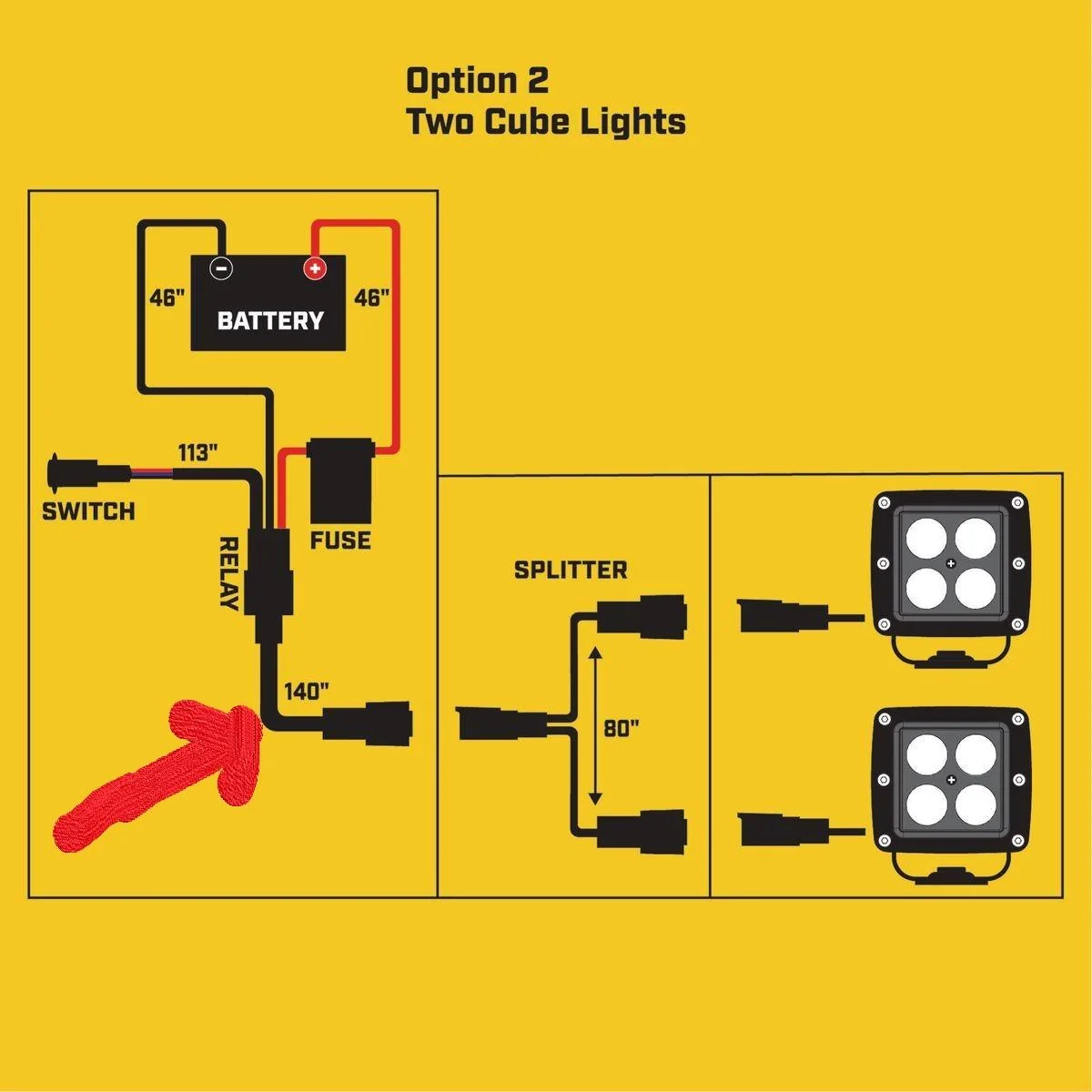
Identify a power source that matches your Jeep’s electrical system. The battery is a common choice but use a fuse and relay for safety. You can tap into the factory auxiliary switches if available. This keeps wiring neat and integrates with your vehicle’s controls. Avoid overloading circuits by choosing the right fuse size. Always use wires rated for the current your lights draw.
Routing Wires Safely
Plan wire paths away from heat, moving parts, and sharp edges. Use grommets when passing wires through metal panels to avoid damage. Secure wires with clips or zip ties to prevent chafing. Keep wiring clear of suspension and steering components. Protect connections with waterproof connectors or heat shrink tubing. Proper routing reduces shorts and increases the life of your wiring.
Wiring Steps
Wiring auxiliary lights on your Jeep requires careful attention to detail. Following clear steps ensures your lights work safely and reliably. These wiring steps cover the main parts you need to connect for a successful installation. Each step is simple and important for the overall system.
Connecting To The Battery
Start by connecting the power wire to the Jeep’s battery. Use a fuse holder close to the battery terminal. This protects your wiring from electrical shorts. Choose a wire gauge that matches your auxiliary lights’ power needs. Secure the positive wire to the battery’s positive terminal. Make sure the connection is tight and clean to avoid power loss.
Installing The Relay
The relay acts as a switch that handles high power safely. Mount the relay near the battery or fuse box. Connect the power wire from the battery to the relay’s input terminal. Attach another wire from the relay’s output terminal to the auxiliary lights. This setup prevents the switch inside the Jeep from carrying heavy current directly.
Wiring The Switch
Run a wire from the Jeep’s ignition or accessory power source to the switch. Connect the switch to the relay’s control terminal. This allows the switch to turn the relay on and off. Place the switch inside the cabin where it is easy to reach. Use a wire harness or loom to keep wiring neat and protected.
Grounding The Lights
Ground wires complete the electrical circuit. Attach the lights’ ground wires to a clean metal surface on the Jeep’s frame. Use a ring terminal and tighten it well to the grounding point. Check that the ground connection is free of rust or paint. Good grounding ensures the lights function correctly and avoid flickering.
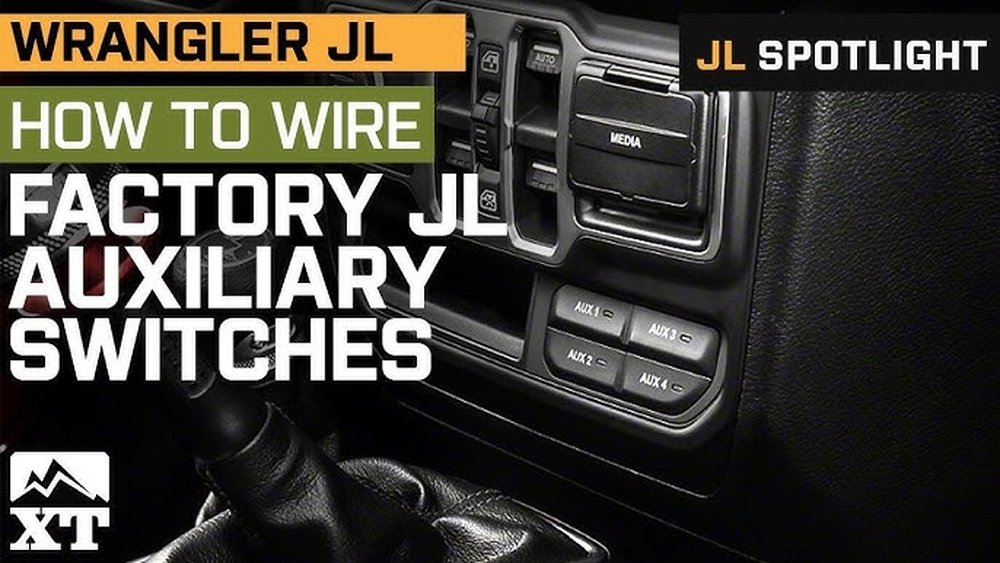
Using Factory Aux Switches
Using factory auxiliary (aux) switches on your Jeep offers a neat and reliable way to control extra lights. These switches come pre-installed in many Jeep models, designed for easy integration with aftermarket accessories. They allow you to power auxiliary lights without adding clutter or complicated wiring.
Factory aux switches use dedicated circuits, relays, and fuses. This setup protects your Jeep’s electrical system and ensures safe operation. Plus, it keeps your dashboard tidy and professional-looking.
Locating Factory Switches
Factory aux switches are usually found on the Jeep’s dashboard or center console. Look for blank switch covers labeled “Aux” or “Accessory.” Your Jeep owner’s manual can help identify their exact location.
Some models have multiple switches to control different accessories. Confirm which switch controls which circuit before wiring your lights.
Integrating With Factory Wiring
Connect your auxiliary lights to the factory aux switch wiring harness. This harness is pre-wired with power, ground, and relay connections. Use the correct connectors to avoid damaging the wiring.
Make sure to fuse your lighting circuit properly. Use wiring kits designed for Jeep aux switches to keep everything safe and functional.
Programming Switch Functions
Some newer Jeep models allow programming of aux switch functions via the vehicle’s settings. Use the touchscreen or onboard controls to assign switches to specific accessories.
This lets you customize how each switch behaves. You can set delays, indicators, or auto-off features depending on your needs.

Credit: wranglertjforum.com
Testing And Troubleshooting
Testing and troubleshooting are key steps after wiring auxiliary lights on your Jeep. These steps ensure the lights work correctly and safely. They help find and fix problems before hitting the trail.
Careful testing saves time and prevents damage. It also guarantees your Jeep’s electrical system stays in good shape. Follow these simple checks to keep your auxiliary lights working perfectly.
Checking Connections
Start by inspecting all wire connections. Look for loose or corroded terminals. Tighten any loose nuts or screws. Clean dirty connectors with electrical contact cleaner. Make sure wires are firmly crimped or soldered. Check that all connectors match the correct terminals. Proper connections prevent flickering or no power to lights.
Verifying Switch Operation
Turn the switch on and off several times. Notice if the lights respond smoothly. Use a multimeter to test voltage at the switch terminals. Confirm the switch sends power when turned on. Replace the switch if it feels loose or sticks. A faulty switch can stop lights from working properly.
Fixing Common Wiring Issues
Check for broken or pinched wires along the wiring path. Repair damaged wires by cutting out bad sections and splicing new wire. Verify the ground wire is connected to a clean metal surface. Use a fuse of the correct rating to protect the circuit. If lights do not turn off, inspect the relay and switch wiring. Correct wiring mistakes to avoid short circuits and blown fuses.
Safety Tips And Best Practices
Wiring auxiliary lights on your Jeep enhances visibility and safety during night drives and off-road adventures. Following safety tips and best practices prevents electrical issues and damage. Proper wiring protects your vehicle’s electrical system and ensures reliable light performance.
Fuse Protection
Always use a fuse rated for the auxiliary light circuit. The fuse stops electrical surges from damaging wires or lights. Place the fuse close to the battery terminal for maximum safety. Check the fuse size recommended by the light manufacturer. Replace blown fuses with the exact rating to avoid fire hazards.
Avoiding Electrical Overloads
Do not connect too many lights to one circuit. Overloading causes wires to heat and may melt insulation. Use relays to control high current loads safely. Separate circuits for different lights help balance the electrical load. Regularly inspect wiring for signs of wear or damage.
Maintaining Weatherproofing
Use waterproof connectors designed for automotive use. Seal all connections with dielectric grease to prevent corrosion. Protect wiring with flexible conduit or loom tubing. Secure wires away from sharp edges and moving parts. Test lights after rain or washing to ensure no water intrusion.
Upgrading And Expanding
Expanding your Jeep’s auxiliary lighting can enhance visibility and style. Upgrading allows you to add more lights and integrate smarter controls. It also lets you connect your lights with your vehicle’s systems for seamless operation. These upgrades improve safety and convenience during off-road adventures or night drives.
Adding More Lights
Start by choosing compatible lights that match your Jeep’s power capacity. Use a relay and fuse for each new light to protect your electrical system. Connect the lights in parallel to keep voltage stable. Make sure the wiring is secure and weatherproof to avoid shorts. Plan the wiring route carefully to prevent damage from heat or moving parts.
Using Smart Switches
Smart switches offer better control than basic on/off switches. They can dim lights or operate multiple lights at once. Many smart switches have built-in timers or automatic shut-off features. These switches reduce power drain and extend the life of your lights. Install smart switches in an accessible place for easy operation while driving.
Integrating With Vehicle Systems
Integration means connecting auxiliary lights with your Jeep’s existing electrical setup. Use factory auxiliary switch circuits to keep a clean look and reliable control. Some systems allow lights to turn on with the ignition or headlights. Integration can also enable warning indicators on your dashboard. Proper integration requires understanding your Jeep’s wiring diagram and may need a professional touch.
Credit: www.youtube.com
Frequently Asked Questions
Can I Wire Led Lights Directly To A Battery?
You can wire LED lights directly to a battery, but always use a fuse and a resistor or driver. This prevents damage and ensures safety.
What Are Jeep Auxiliary Switches Used For?
Jeep auxiliary switches control aftermarket accessories like lights, winches, air compressors, and air lockers. They offer a clean, factory-installed look with pre-wired circuits, relays, and fuses for easy, safe operation without complex wiring or drilling.
How To Wire 12v Lights With 2 Switches?
Connect the 12V power source to the first switch’s input. Link the first switch output to the second switch input. Connect the second switch output to the light’s positive terminal. Attach the light’s negative terminal to the ground. Use proper fuses and wires rated for 12V systems.
Where Is The Secret Compartment On The Jeep Wrangler?
The Jeep Wrangler’s secret compartment is usually behind the rear seats or under the rear cargo floor. It offers discreet storage.
Conclusion
Wiring auxiliary lights on your Jeep improves night driving safety and visibility. Following simple steps ensures a clean, reliable setup. Use proper tools and quality parts for best results. Double-check connections to avoid electrical issues later. Enjoy better off-road adventures with your new lighting system.
Keep learning and upgrading your Jeep wisely.