How to Turn Oil Change Light off in Jeep: Quick & Easy Steps
 Reading Time: 8 minutes
 Seeing the oil change light come on in your Jeep can be a bit unsettling, but don’t worry—it’s a common alert designed to keep your engine running smoothly. If you’ve already changed your oil and the light is still on, or you just want to reset it yourself, you’re in the right place.
In this guide, you’ll learn simple, step-by-step ways to turn off the oil change light in your Jeep quickly and safely. By following these easy methods, you’ll ensure your Jeep’s dashboard stays clear and your vehicle stays in top shape.
Ready to take control and reset that light? Let’s dive in.
Oil Change Light Basics
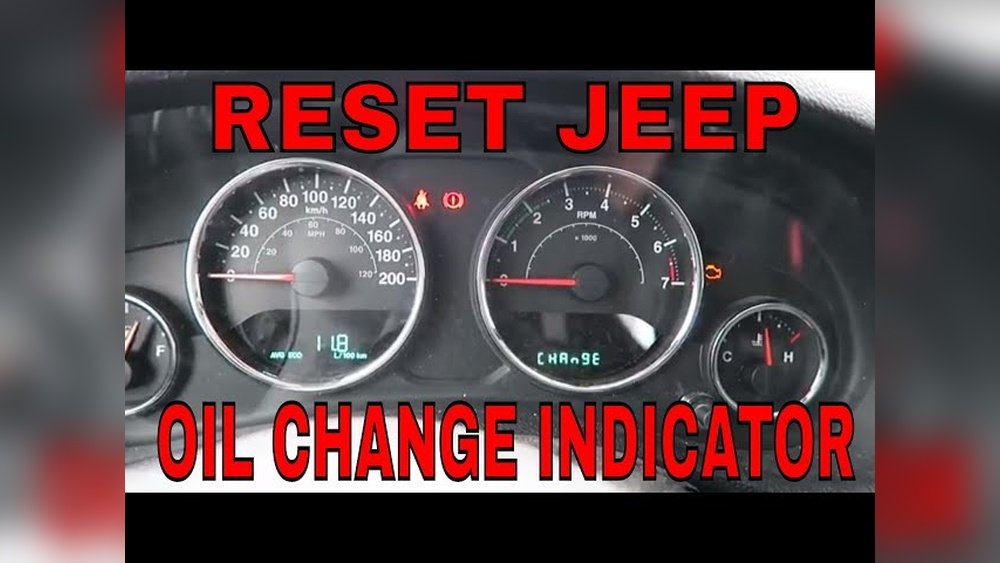
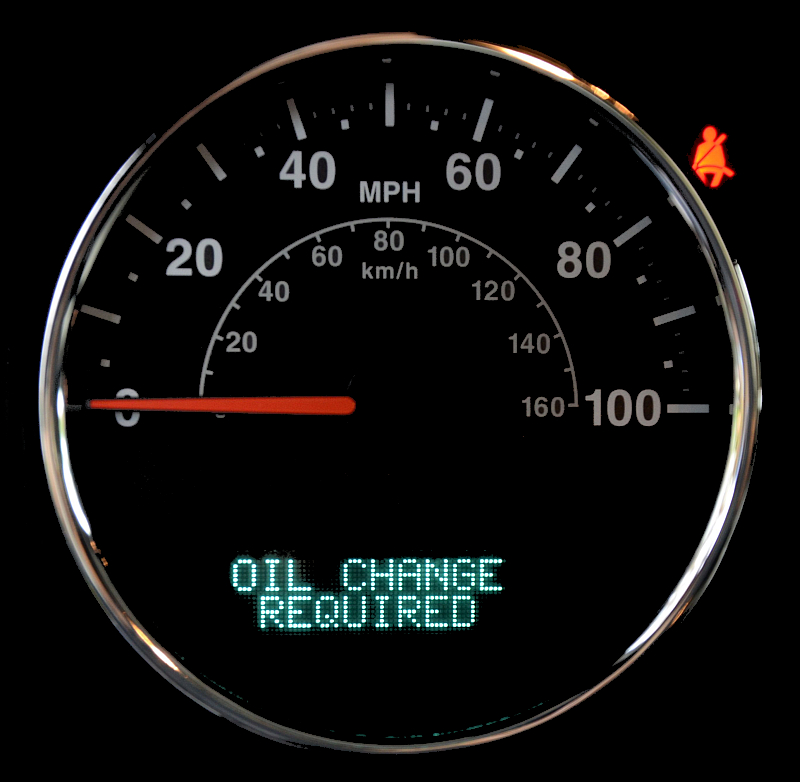
The oil change light in a Jeep is a simple alert system. It shows when the engine oil needs changing. Understanding this light helps keep your Jeep running well. Ignoring it can cause engine damage and costly repairs.
The light does not mean the oil is empty. It signals that the oil has lost its effectiveness. Changing the oil on time protects the engine parts and improves performance. Knowing why the light turns on and how to reset it is important for every Jeep owner.
Why The Light Turns On
The oil change light comes on based on your Jeep’s oil life system. It tracks how long the oil has been used. The system uses factors like engine temperature and miles driven. When the oil quality drops, the light alerts you.
This alert helps you change oil before it causes engine wear. It is not just about distance but oil condition. Driving in tough conditions can make the light come on sooner. The light helps prevent running old, dirty oil in the engine.
Importance Of Resetting
Resetting the oil change light after an oil change is crucial. If not reset, the light may stay on wrongly. This can cause confusion about the oil status. Resetting tells the system the oil is fresh and new.
Resetting keeps the Jeep’s maintenance tracking accurate. It ensures the light works properly for the next oil change. Without reset, the Jeep may warn too early or too late. This simple step helps avoid neglecting important engine care.

Credit: www.jeeppatriot.com
Preparation Steps
Resetting the oil change light in your Jeep needs careful preparation.
This ensures the process works and avoids errors.
Follow these steps before starting the reset.
Engine Off, Ignition On
Make sure the engine is completely off.
Turn the ignition to the “On” position without starting the engine.
This powers the dashboard and allows access to the reset function.
Do not press the accelerator or brake pedals at this stage.
Safety Precautions
Park your Jeep on a flat, stable surface.
Apply the parking brake to prevent any movement.
Switch off all electrical devices inside the vehicle.
Keep the keys handy but do not start the engine yet.
Wear gloves if you plan to touch any engine parts later.
These steps protect you and your vehicle during the reset.
Reset Methods
Resetting the oil change light in your Jeep is essential after completing an oil change. This step clears the reminder and ensures accurate tracking of your oil life. Jeep models offer several reset methods, making it easy to turn off the oil change light without professional tools. The most common approaches involve using the accelerator pedal, dashboard buttons, or steering wheel controls. Each method works slightly differently but achieves the same goal. Follow the steps below to reset the oil change light quickly and safely.
Using Accelerator Pedal
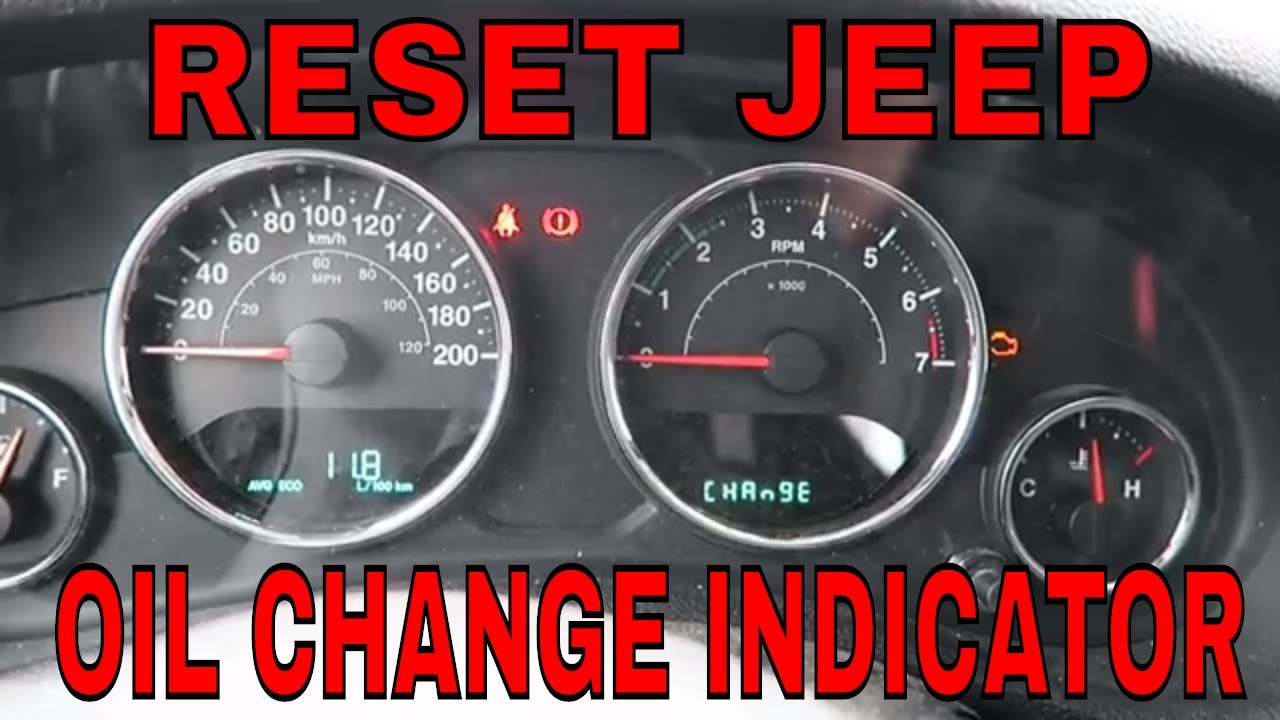
Turn the ignition to the “On” position without starting the engine. Quickly press the accelerator pedal fully three times within five seconds. After the third press, the oil change light will begin to blink or turn off. Turn off the ignition and restart the engine to confirm the reset. This method is simple and works for many Jeep models. It requires no additional tools or menu navigation.
Using Dashboard Buttons
Switch the ignition to “On” without starting the Jeep. Locate the “Trip” or “Reset” button on the dashboard. Press and hold this button until the oil change light starts blinking or disappears. Some models need you to release and press the button again to complete the reset. Turn off the ignition and turn it back on to check if the light is off. This method uses the physical buttons on the dash and is easy to perform.
Using Steering Wheel Controls
Turn the ignition to the “On” position without starting the engine. Use the steering wheel buttons to access the vehicle’s menu system. Navigate to the “Vehicle Settings” or “Oil Life” section. Find the “Oil Life Reset” option and press the select or OK button. Hold the button for a few seconds until the system confirms the reset. Turn off the ignition and restart the Jeep to verify the oil change light is off. This method suits newer Jeep models with digital displays and steering wheel controls.
Jeep Model Specific Steps
Resetting the oil change light in a Jeep varies by model. Each Jeep model has unique steps to turn off this light. Following the correct procedure ensures your dashboard stays clear.
Below are the specific steps for popular Jeep models. These easy instructions help you reset the oil change light quickly. Keep your Jeep running smoothly without distractions.
Wrangler And Gladiator
Turn the ignition to the “ON” position without starting the engine.
Press the accelerator pedal fully three times within five seconds.
The oil change light will flash and then turn off.
Turn off the ignition and start the engine to confirm the reset.
Grand Cherokee And Compass
Turn the ignition to the “ON” position without starting the vehicle.
Use the steering wheel buttons to access the vehicle settings menu.
Navigate to “Oil Life” or “Maintenance” and select “Reset.”
Confirm the reset and turn off the ignition.
Start the engine to verify the oil change light is off.
Other Jeep Models
Turn the ignition on without starting the engine.
Locate the “Trip” or “Reset” button on the dashboard.
Press and hold the button until the oil change light blinks or resets.
Release the button and turn off the ignition.
Start the vehicle to check the light is off.
Troubleshooting Reset Issues
Resetting the oil change light on a Jeep can sometimes be tricky. The light may stay on even after completing the reset steps. Troubleshooting these reset issues helps avoid confusion and ensures your vehicle’s maintenance is up to date. Below are common problems and solutions to try if the oil change light refuses to turn off.
When Reset Doesn’t Work
The oil change light may not reset for several reasons. The reset procedure might not have been done correctly. Make sure the ignition is in the proper position during the reset steps. Sometimes, the vehicle needs to be fully turned off before trying again. A weak battery or electrical issue can also prevent the reset. Check that all buttons or pedals used for resetting are functioning well. If the light still stays on, the oil change sensor may be faulty and require replacement.
Consulting The Owner’s Manual
The Jeep owner’s manual is a valuable resource for reset instructions. It provides model-specific steps for turning off the oil change light. Look for the maintenance or instrument cluster section. The manual might list different reset methods based on your Jeep’s year and model. Follow the exact sequence and timing described. Some models use a button on the dashboard, others a combination of pedals. The manual can also explain warning light meanings and troubleshooting tips. Keep it handy for quick reference whenever reset problems occur.
Credit: www.youtube.com
Maintaining Oil Change Reminders
Keeping the oil change light working properly helps protect your Jeep’s engine. It reminds you to change the oil on time. This reminder ensures the engine runs smoothly and lasts longer. Ignoring the light can cause engine damage and costly repairs.
Resetting the oil change light only after changing the oil keeps reminders accurate. Tracking the maintenance schedule helps plan future oil changes and other services. Both steps maintain your Jeep’s health and improve performance.
Reset Only After Oil Change
Always reset the oil change light only after completing an oil change. Resetting early can cause false reminders and risk engine damage. After changing the oil, turn the ignition to “On” without starting the engine. Then, follow the reset procedure for your Jeep model. This keeps the system accurate and reliable.
Tracking Maintenance Schedule
Track your Jeep’s maintenance schedule to stay on top of oil changes and other services. Use a calendar or app to note service dates and mileage. Regular tracking helps avoid missed oil changes and keeps the engine clean. Stick to the manufacturer’s recommended intervals for best results.
Credit: jeepoffroadadventures.com
Frequently Asked Questions
How Do I Get My Jeep To Stop Saying Change Oil?
Turn the ignition to “On” without starting the engine. Press the accelerator pedal three times within five seconds. Oil change light will reset. Check your Jeep’s manual if this doesn’t work. Only reset after changing the oil and filter.
How Do I Manually Turn Off The Oil Change Light?
Turn the ignition to “On” without starting. Pump the accelerator pedal three times within five seconds. Check the light resets.
How To Reset Oil Change Light On 2013 Jeep Wrangler?
Turn the ignition to “On” without starting the engine. Press the accelerator pedal fully three times within five seconds. Turn off the ignition, then start the engine to confirm the oil change light is reset.
How To Reset Oil Change On Jeep App?
Turn the ignition to “On” without starting. Press the accelerator pedal three times within five seconds. The oil change light will reset. Check your Jeep app or owner’s manual for specific steps.
Conclusion
Resetting the oil change light in your Jeep is simple. Follow the steps carefully with the ignition on but engine off. Use the accelerator pedal or dashboard buttons as needed. Always check your Jeep’s manual for exact instructions. Regular oil changes keep your engine healthy and running smoothly.
Turning off the oil change light after maintenance helps avoid confusion. Keep your Jeep in good shape by resetting the light promptly. This small task saves time and keeps you informed about your vehicle’s needs.