How to Tell What Size Lift is on My Jeep: Easy Guide Revealed
 Reading Time: 9 minutes
 Wondering how to tell what size lift is on your Jeep? Whether you bought your Jeep used or want to confirm the lift height before upgrading, knowing the exact lift size is essential.
It affects your ride quality, off-road capability, and even which tires will fit properly. Luckily, measuring your Jeep’s lift doesn’t have to be complicated. In this guide, you’ll learn simple, step-by-step methods to accurately measure your Jeep’s lift—using just a tape measure and some easy tips.
By the end, you’ll confidently know your Jeep’s lift size and be ready to make informed decisions about upgrades or maintenance. Let’s get started!
Lift Kit Basics
Understanding the basics of lift kits helps you identify the size of your Jeep’s lift. Lift kits raise your vehicle for better off-road ability and a tougher look. They change how high your Jeep sits above the wheels and ground. Knowing the type and size of your lift kit is key to making upgrades or repairs.
Lift kits come in various forms and sizes. Each type affects your Jeep’s height and performance differently. Some lifts raise only the body, while others adjust the suspension. Measuring your lift involves simple steps that show how much your Jeep has been raised.
Types Of Lift Kits
Lift kits mainly fall into two groups: body lifts and suspension lifts. Body lifts raise the vehicle’s body away from the frame. Suspension lifts change the height of the axle and suspension parts. Each type has different parts and goals.
Body lifts use spacers between the body and frame. They keep the original suspension and ride quality. Suspension lifts replace or add parts like springs, shocks, and control arms. This type improves ground clearance and wheel travel.
Body Lift Vs Suspension Lift
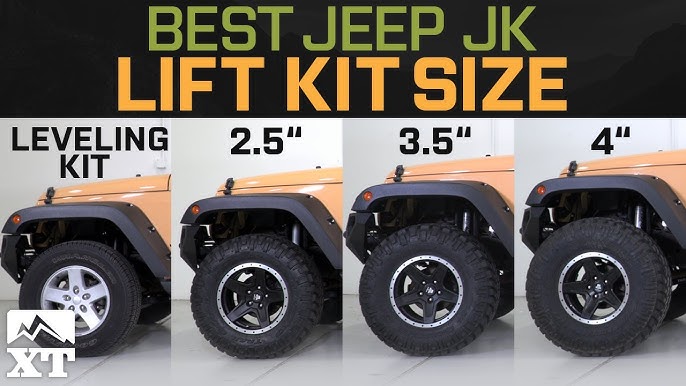
Body lifts raise your Jeep by 1 to 3 inches. They keep suspension and tires stock size. Body lifts are easier and cheaper to install. They mainly improve the look, not the off-road ability.
Suspension lifts can raise your Jeep from 2 inches up to 6 inches or more. These lifts improve clearance under the axles and allow bigger tires. Suspension lifts change how your Jeep drives and handles.
To tell which lift your Jeep has, check under the vehicle. Look for spacers between the body and frame. If you see new springs or shocks, you have a suspension lift. Measure from the axle to the frame or from the wheel hub to the fender to find the lift height.
Measuring Lift Height
Measuring lift height on your Jeep is a simple way to determine how much it has been raised. This helps you understand the changes made to your vehicle and plan future upgrades. Taking accurate measurements ensures you know the exact lift size.
Wheel Hub To Fender Measurement
Start by parking your Jeep on level ground. Measure from the center of the wheel hub straight up to the bottom edge of the fender flare. Repeat this on all four wheels for accuracy. This measurement shows the total height increase, including tire size and suspension changes.
Axle To Frame Measurement
Locate a flat spot on the axle tube and measure vertically to the frame rail above it. Do this for both front and rear axles. Compare these numbers to stock measurements to find the lift height from the suspension. This method isolates suspension lift without tire influence.
Using Spring Spacers To Gauge Lift
Check the coil springs for spacers between the coils. Measure the height of these spacers to estimate lift size. Spacers add height by increasing spring length. Note any part numbers on the spacers for exact lift details.
Identifying Lift Components
Identifying lift components on your Jeep helps determine the size of the lift installed. Knowing which parts have been changed or added is key. These components directly affect your vehicle’s height and performance. You can spot them by carefully examining suspension and related areas.
Spotting Longer Shocks
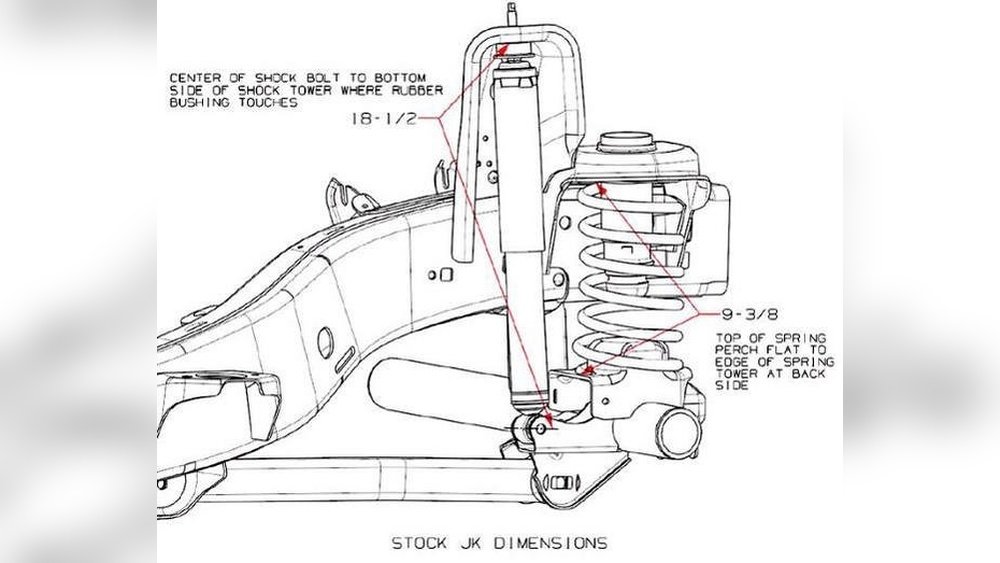
Look at the shocks mounted near the wheels. Longer shocks often replace the factory ones to allow more suspension travel. Measure the shock from one mounting point to the other. Compare this length to stock specifications found online or in your Jeep’s manual. Longer shocks usually indicate a higher lift.
Checking For Adjustable Parts
Some lifts use adjustable control arms or track bars. These parts often have visible adjustment points like bolts or threaded sections. Check both front and rear suspension for these components. Adjustable parts allow fine-tuning of your Jeep’s height and alignment. Their presence often means a custom or modular lift kit.
Locating Coil Spring Spacers
Coil spring spacers sit on top or below the coil springs to add height. Lifted Jeeps often have these small blocks inserted to raise the body. Inspect the coil springs closely for any added parts. These spacers are usually made of metal or hard plastic. Spotting them helps estimate the lift size without removing springs.
Credit: www.youtube.com
Tools And Tips For Accurate Measurement
Accurate measurement is key to knowing the size of the lift on your Jeep. Using the right tools and following clear steps helps you get precise results. Simple tools like a tape measure and a level surface make the process easier. Paying attention to details avoids errors that can affect your lift size estimate.
Park On Level Ground
Start by parking your Jeep on a flat, level surface. This ensures the vehicle sits evenly and gives true height readings. Avoid slopes or uneven terrain, as they can distort measurements. Use a bubble level if needed to confirm the ground is flat.
Measure All Four Corners
Measure from the center of each wheel hub to the bottom edge of the fender flare. Record measurements for the front left, front right, rear left, and rear right wheels. This shows if your lift is even or if one side is higher. Repeat measurements twice for accuracy.
Compare With Stock Jeep Dimensions
Find the original stock height for your Jeep model from the manual or online. Compare your measurements to these stock numbers. The difference shows your lift size. This method accounts for tire size and suspension changes, giving a clear picture of your lift height.
Common Signs Your Jeep Is Lifted
Identifying if your Jeep has a lift and its size starts with recognizing key signs. These signs show changes made to your Jeep’s suspension or body. Spotting them helps understand the lift level without detailed tools. Here are common signs to check.
Increased Gap Between Tire And Fender
A larger gap between the tire and fender is a clear lift indicator. Stock Jeeps have a small space here. If this gap looks bigger, your Jeep likely has a lift. This extra space allows for bigger tires and better off-road clearance.
Measure the gap from the top of the tire to the bottom of the fender flare. Compare it with the stock gap for your Jeep model. The bigger the gap, the higher the lift.
Presence Of Lift Blocks Or Spacers
Lift blocks or spacers add height by raising the axle or body. Look under your Jeep near the rear axle for rectangular blocks. These blocks sit between the axle and leaf springs.
Spacers may be found on coil springs or between the body and frame. Their presence means your Jeep has a body or suspension lift. Check for aftermarket parts or new components not part of the original build.
Unusual Suspension Geometry
A lifted Jeep often shows changes in suspension angles and link lengths. Notice if the control arms, shocks, or sway bars look longer or angled differently. These changes help maintain proper suspension function after a lift.
Look for extended or aftermarket suspension parts. Odd angles or stretched components often mean a suspension lift. This sign is subtle but important for identifying lift size and type.
Cross-referencing Lift Size
Cross-referencing lift size helps confirm the exact height of your Jeep’s lift kit. It avoids guesswork and ensures accuracy. This method uses multiple sources to verify the lift measurement. Cross-referencing is useful when original documentation is missing or unclear.
Checking Manufacturer Specifications
Start by identifying your lift kit brand and model. Visit the manufacturer’s website. Look for detailed product specs and installation guides. These documents often list the exact lift height. Compare your Jeep’s measurements with those specs. This step confirms if the lift matches the manufacturer’s description.
Using Part Numbers On Springs
Inspect the coil springs or leaf springs on your Jeep. Find any stamped or printed part numbers. These codes indicate the spring model and size. Use the part number to search online databases or manufacturer catalogs. This helps identify the spring’s lift rating. Cross-checking part numbers provides a reliable lift size estimate.
Consulting Jeep Forums And Communities
Join Jeep-focused online forums and social media groups. Experienced owners often share lift kit details and installation tips. Post photos and measurements of your Jeep’s suspension. Community members may recognize your lift setup. Their input helps verify your lift size. Forums offer practical advice from real Jeep owners.
Measuring Lift On Specific Jeep Models
Measuring lift on specific Jeep models helps you know how much height your vehicle gained. Each Jeep model has unique features. These differences affect how you measure the lift. Use the right method for your model to get accurate results. This ensures you understand your Jeep’s modifications well.
Jeep Cherokee Tips
Park your Cherokee on flat ground. Measure from the center of the wheel hub to the bottom of the fender flare. Write down this number for all four wheels. Compare these numbers to the stock measurements of your model year. You can also measure from the axle tube to the frame rail. This shows suspension lift height alone. Check the springs for part numbers to confirm lift size.
Jeep Wrangler Jk Guidelines
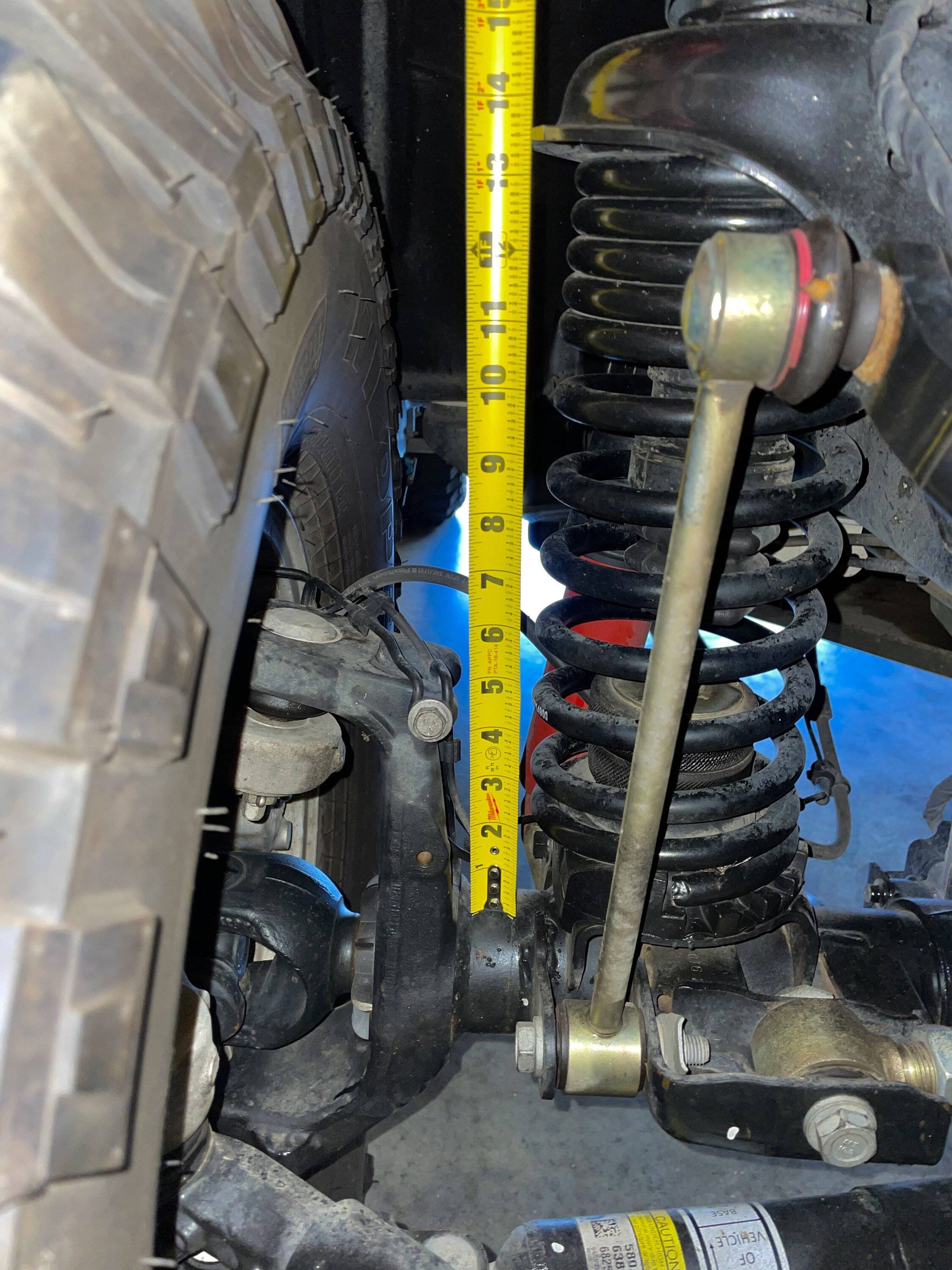
Start with the Jeep on a level surface. Measure from the wheel hub center to the fender’s edge. Record these values for each wheel. Check the distance from the top of the front axle tube to the frame. Repeat for the rear axle. Compare these numbers to factory specs. Look for lift kit stickers or part numbers on suspension parts. These clues help identify the lift size.
Jeep Wrangler Jl Considerations
Use a flat spot to park your JL Jeep. Measure the hub center to the fender bottom on all wheels. Note any differences between front and rear measurements. Measure from the axle tube to the frame rail for suspension lift. Look closely at the springs for stamped part numbers. These numbers often indicate the lift kit size. Check for aftermarket shocks or spacers too.
Credit: www.jlwranglerforums.com
Frequently Asked Questions
How Can I Tell What Size Lift Kit I Have Without?
Measure from the center of the wheel hub to the bottom of the fender flare on all corners. Compare to stock height for lift size. Check for spacers or longer shocks. Cross-reference part numbers on springs if visible.
How Can I Tell How Tall My Lift Is?
Measure from the center of the wheel hub to the bottom of the fender flare on all corners. Compare these measurements to your vehicle’s stock height. The difference shows your lift height. Check for spacers or longer shocks for added clues.
How Do You Determine The Size Of A Lift Kit?
Measure from the wheel hub center to the fender edge on all wheels. Compare with stock height. The difference equals your lift kit size.
How To Measure An Existing Lift Kit?
Measure from the wheel hub center to the bottom of the fender flare on all corners. Compare to stock measurements. Alternatively, measure from the axle tube to the frame rail. Check spring spacers or shock length for additional clues about the lift size.
Conclusion
Knowing your Jeep’s lift size helps with upgrades and repairs. Measure carefully from the axle to the frame or wheel hub to fender. Compare these numbers to your Jeep’s stock height for accuracy. Look for extra parts like spacers or longer shocks as clues.
Taking these simple steps gives you a clear idea of your lift. This knowledge makes maintenance easier and guides future modifications. Keep your measurements handy for reference. Your Jeep’s lift size is now easier to identify.