
How to Reset Esp Bas Light: Quick and Easy Fix Guide
 Reading Time: 8 minutes
 If you’ve noticed the ESP BAS light glowing on your dashboard, you’re not alone—and it’s something you definitely want to address quickly. This warning isn’t just a random flicker; it signals an issue with your vehicle’s Electronic Stability Program (ESP) and Brake Assist System (BAS), both crucial for keeping you safe on the road.
Ignoring it could mean reduced control during tricky driving conditions or even brake problems. But don’t worry—you can often reset the light yourself with a few simple steps. You’ll discover exactly why the ESP BAS light comes on, what common causes to watch for, and how to reset it safely to get back on the road with confidence.
Keep reading, because understanding and fixing this warning light could save you time, money, and a lot of stress.
Credit: www.youtube.com
Esp Bas Light Basics
The ESP BAS light on your dashboard signals issues with important safety systems. Understanding the basics helps you handle this alert properly. This section explains what ESP and BAS systems do and what common alerts mean.
Role Of Esp And Bas Systems
ESP stands for Electronic Stability Program. It helps keep your vehicle stable during turns and slippery roads. The system detects loss of control and applies brakes to specific wheels. This prevents skidding and accidents.
BAS means Brake Assist System. It boosts braking force in emergencies. When you slam the brakes, BAS ensures maximum stopping power quickly. Both systems work together to keep you safe on the road.
Common Dashboard Alerts
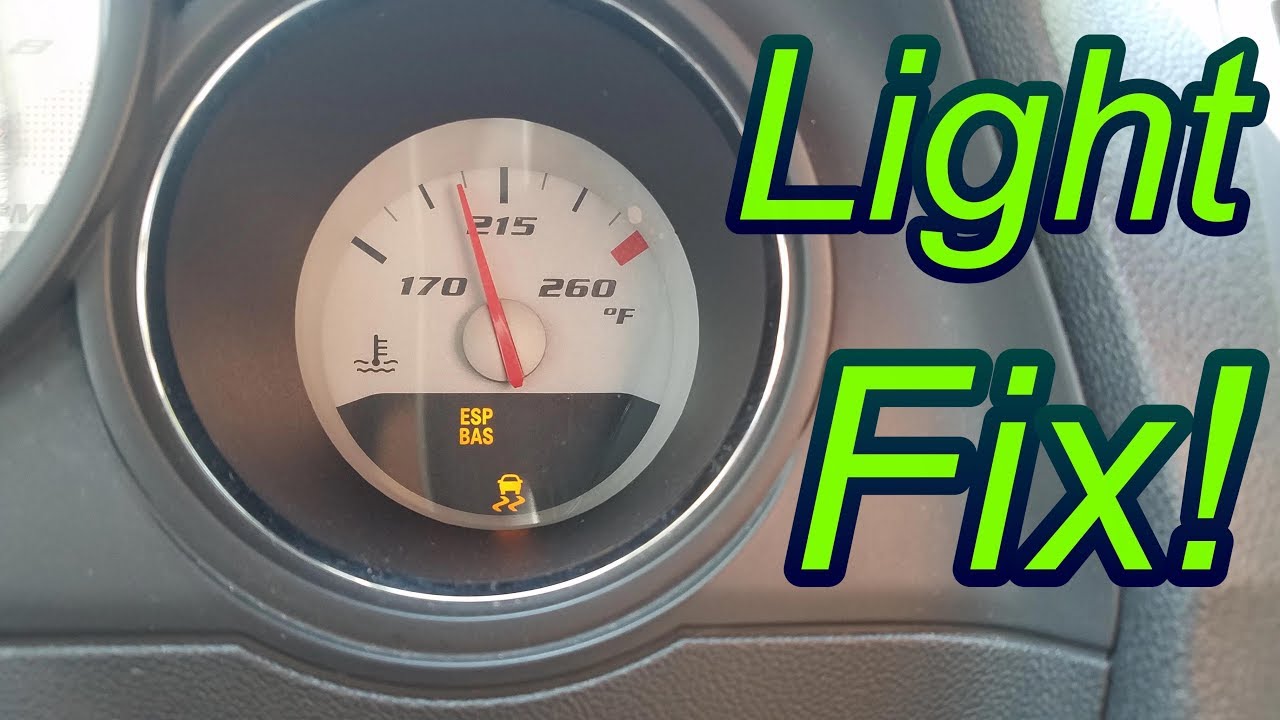
The ESP BAS light usually appears as a yellow or orange icon. It may flash or stay solid. Flashing often means the system is active, working to control stability. A solid light means there is a problem needing attention.
Other related alerts include ABS warning lights or brake system warnings. These can signal sensor failures, low brake fluid, or wiring issues. Ignoring these lights can reduce vehicle safety and control.
Frequent Causes
The ESP BAS light on your dashboard signals issues in your vehicle’s stability and braking systems. Understanding its common causes helps in quick diagnosis and reset. These causes often relate to sensors, wiring, brake fluid, and tire conditions. Each plays a crucial role in your car’s safety features.
Sensor Issues
Faulty wheel speed sensors often trigger the ESP BAS light. These sensors monitor wheel rotation and detect skids. A bad steering angle sensor also causes this warning. It measures the direction your wheels point. Problems in the ABS module can affect sensor readings. Sensor faults confuse the system and switch the warning on.
Wiring And Connection Problems
Damaged wires or corroded connectors cause signal loss. Loose connections disrupt communication between sensors and the control unit. Moisture or dirt in wiring harnesses adds to connection problems. These issues create false warnings or system errors. Checking and fixing wiring restores proper function.
Brake Fluid Levels
Low brake fluid affects the Brake Assist System. This system relies on fluid pressure to help braking. Fluid leaks or evaporation reduce levels below safe limits. The vehicle senses this drop and lights the ESP BAS warning. Regularly checking brake fluid ensures system readiness and avoids alerts.
Tire And Mechanical Factors
Uneven tire pressure changes traction control readings. Worn or mismatched tires can confuse the system. Misaligned wheels or damaged brake parts cause mechanical faults. These faults affect stability and braking performance. The ESP BAS light alerts you to these issues promptly.
Quick Fixes
The ESP BAS light signals a problem with your vehicle’s stability and brake assist systems. Quick fixes can help turn off the light and get you back on the road safely. These simple steps often solve the issue without needing a mechanic.
Try these quick fixes first to reset the ESP BAS light fast and easily.
Tire Pressure Check
Low or uneven tire pressure can trigger the ESP BAS light. Use a tire pressure gauge to check all tires. Inflate them to the recommended pressure found in your car manual or on the door sticker. Correct tire pressure helps the sensors work properly and may turn off the warning light.
Steering Angle Sensor Reset
The steering angle sensor tells the car how the wheels are turned. Sometimes it needs a reset after hitting a bump or after wheel alignment. To reset, turn the steering wheel fully left, then fully right. Center the wheel and start the engine. This can recalibrate the sensor and clear the ESP BAS light.
Vehicle Restart
Restarting your vehicle can sometimes clear minor glitches. Turn off the engine and remove the key. Wait for about 30 seconds before starting again. This simple step resets the car’s computer and can turn off the ESP BAS light if the problem was temporary.

Credit: www.chryslerminivan.net
Using Diagnostic Tools
Using diagnostic tools is a smart way to reset the ESP BAS light. These tools help identify the exact cause of the warning. They give clear information about the vehicle’s system. This method saves time and avoids guesswork. Anyone can learn the basics and use these tools at home or in a workshop.
Obd-ii Scanner Basics
An OBD-II scanner reads data from the car’s computer. It plugs into a port under the dashboard. The scanner shows error codes related to the ESP BAS system. It works on most vehicles made after 1996. These scanners come in simple handheld models or smartphone apps. They are affordable and easy to use. You just connect, turn on the ignition, and scan for codes.
Interpreting Error Codes
Error codes explain what part of the system has a problem. For example, codes can point to wheel speed sensors or the steering angle sensor. Each code has a specific meaning found in the scanner’s manual or online. After reading the code, you can decide the next step. Some errors reset after fixing the issue. Others need a manual reset with the scanner. Understanding these codes helps fix the ESP BAS light quickly and correctly.
When To Consult A Mechanic
The ESP BAS light warns about your vehicle’s stability and brake systems. Sometimes, you can reset the light yourself. Other times, the problem needs a mechanic’s help. Knowing when to visit a mechanic can save you time and keep your car safe.
Persistent Warning Lights
If the ESP BAS light stays on after resets, a deeper problem exists. Persistent warning lights mean the system detects ongoing faults. Ignoring these warnings risks brake failure or loss of control. A mechanic can use special tools to read error codes. This helps find the exact cause of the problem. It is unsafe to drive long with the light on.
Sensor And Module Repairs
The ESP BAS system relies on sensors and modules working well. Faulty wheel speed sensors or steering angle sensors trigger the warning light. Sometimes, wiring issues cause false alerts or system failure. These parts need precise testing and repair by a professional. Mechanics have the skills and tools to fix or replace sensors safely. Trying to repair these yourself can cause more damage.
Credit: www.chargerforumz.com
Preventive Tips
Preventing the ESP BAS light from turning on is easier than fixing the issue later. Simple habits keep your vehicle safe and your dashboard clear. Regular checks and care help avoid sensor problems and system errors. Focus on key areas that affect your car’s stability and braking systems.
Regular Maintenance
Keep up with scheduled car servicing. Mechanics check sensors, brakes, and wiring during routine visits. Replace worn brake pads and clean sensor parts. Regular maintenance stops small issues from growing. It helps the Electronic Stability Program work correctly.
Monitoring Brake Fluid
Check brake fluid levels often. Low fluid causes the BAS system to fail. Use the recommended brake fluid type for your vehicle. Refill or replace fluid as needed. Clean brake fluid improves sensor accuracy and braking power. Avoid leaks by inspecting brake lines regularly.
Tire Care
Maintain correct tire pressure for all wheels. Uneven pressure affects traction sensors and stability control. Rotate tires every 5,000 to 7,000 miles for even wear. Replace tires before tread becomes too thin. Good tires support the ESP system and prevent warning lights.
Frequently Asked Questions
Is It Easy To Fix Esp Bas Myself?
Fixing ESP BAS yourself involves basic checks like fuses and sensors but often requires a mechanic for accurate diagnosis and repairs.
How Do I Reset My Esp Fault?
Turn off your engine and remove the key. Turn the steering wheel fully left, then right, and back to center. Restart the engine to reset the ESP fault. If the light stays on, use an OBD-II scanner or consult a mechanic for diagnosis.
What Causes Esp Bas Light To Come On?
The ESP BAS light comes on due to faulty wheel speed sensors, steering angle sensor issues, wiring problems, or low brake fluid. These faults affect stability and brake assist systems, warning drivers of potential safety risks. Prompt inspection and sensor checks help maintain safe vehicle control.
How Do I Turn Off The Esp Warning Light?
Turn off the engine and key. Check tire pressure and brake fluid. Reset the steering angle sensor by turning the wheel fully left, right, then center. Restart the car. Use an OBD-II scanner for persistent issues. Visit a mechanic if the light stays on.
Conclusion
Resetting the ESP BAS light helps keep your car safe on the road. Start by checking tire pressure and brake fluid levels. Turn the steering wheel fully left, right, then center to reset the sensor. If the light stays on, scan for error codes or consult a mechanic.
Regular checks prevent bigger problems and improve driving stability. Stay alert to dashboard warnings and act quickly to fix issues. Safe driving depends on a properly working ESP and BAS system.