How to Remove a Frozen Spark Plug: Easy Steps for Quick Fix
 Reading Time: 8 minutes
 Have you ever faced the frustration of trying to remove a spark plug, only to find it frozen tight and refusing to budge? You’re not alone—and getting it out without causing damage can feel like a tricky challenge.
But don’t worry, you’re about to learn simple, effective steps that will help you loosen that stubborn spark plug safely and with confidence. Whether you’re a seasoned DIYer or just tackling your car’s maintenance for the first time, this guide will walk you through exactly what to do, what tools to use, and how to avoid costly mistakes.
Ready to free your frozen spark plug and get your engine running smoothly again? Keep reading.
Causes Of Frozen Spark Plugs
Frozen spark plugs cause engine problems and can be hard to remove. Understanding what causes spark plugs to freeze helps prevent damage. Several common issues lead to spark plugs getting stuck in their holes.
Corrosion And Rust
Moisture inside the engine cylinder causes rust on spark plug threads. Rust creates a strong bond between the spark plug and cylinder head. This bond makes the spark plug hard to turn or remove. Salt, water, and humidity speed up corrosion. Regular maintenance can reduce rust buildup.
Over-tightening
Too much force when installing spark plugs damages the threads. Over-tightened spark plugs squeeze tightly against the cylinder head. This pressure causes the metal to bind and stick. Over-tightening also increases the risk of breaking the spark plug during removal. Follow manufacturer torque specifications to avoid this problem.
Heat Expansion
Engine heat causes metal parts to expand and contract. Spark plugs and cylinder heads expand at different rates. This difference can cause the spark plug to seize in its hole. Heat cycles over time increase the chance of spark plugs freezing. Allowing the engine to cool before removing plugs helps reduce heat expansion issues.
Credit: www.championautoparts.com
Tools Needed For Removal
Removing a frozen spark plug requires the right tools to avoid damage. Each tool plays a key role in loosening the plug safely. Using proper tools ensures an easier and safer removal process. Prepare these tools before starting to save time and effort.
Penetrating Oil
Penetrating oil helps to loosen rust and corrosion around the spark plug. Spray it generously on the base of the plug. Let it soak for several hours or overnight for best results. This oil reduces friction and makes turning the plug easier.
Spark Plug Socket And Ratchet
A spark plug socket fits perfectly on the plug to prevent slipping. It usually has a rubber insert to grip the plug firmly. Attach the socket to a ratchet for controlled turning. Use steady, gentle force to avoid breaking the plug.
Breaker Bar
A breaker bar provides extra leverage for stubborn plugs. It is longer and stronger than a regular ratchet. Use it carefully to apply slow, steady pressure. Avoid sudden or harsh movements to protect the spark plug and cylinder head.
Rubber Mallet
A rubber mallet helps to tap the socket gently. This tapping can loosen rust and corrosion without damaging parts. Use light, controlled taps instead of hard hits. It assists the penetrating oil in freeing the spark plug.
Preparing To Remove Frozen Spark Plug
Removing a frozen spark plug requires careful preparation. Proper steps reduce the risk of damage. Preparing well makes the removal easier and safer. Follow these key actions before trying to unscrew the spark plug.
Apply Penetrating Oil
Start by spraying penetrating oil around the spark plug base. Choose a quality oil designed to loosen rust and corrosion. Spray enough to cover all threads. This oil seeps into tight spaces and breaks down rust. It helps the spark plug turn more freely.
Let Oil Soak
Allow the penetrating oil to soak for several hours. This gives the oil time to work deep inside the threads. Do not rush this step. Patience helps loosen stuck parts without extra force. For best results, leave it overnight if possible.
Warm Up The Engine
Warm the engine slightly to expand metal parts. Run the engine for a few minutes until it feels warm, not hot. Heat causes the metal around the spark plug to expand. This expansion can help release the spark plug. Be careful not to overheat the engine during this step.
Step-by-step Removal Process
Removing a frozen spark plug requires care and patience. Follow the right steps to prevent damage to the plug or engine. This guide breaks down the removal process into simple actions.
Each step uses basic tools and gentle techniques. Small efforts now avoid costly repairs later. Stay calm and work methodically.
Use Proper Socket And Ratchet
Select a spark plug socket that fits perfectly. Use a ratchet with a long handle for better control. Avoid using an adjustable wrench or pliers. A loose fit can round off the plug edges. Secure tools help apply even force without slipping.
Apply Gentle, Steady Torque
Turn the ratchet slowly and steadily. Do not force the plug to move quickly. Gentle pressure loosens rust and deposits gradually. Sudden force can break the plug inside the cylinder head. Keep your movements smooth and consistent.
Rock Plug Back And Forth
Try to slightly tighten the plug first, then loosen it. This rocking motion breaks the rust’s grip. Repeat this back and forth gently several times. Patience is key to freeing the frozen plug safely. Avoid strong force or jerky movements.
Tap Socket Lightly With Mallet
Use a rubber or plastic mallet to tap the socket lightly. This vibration helps loosen corrosion around the plug. Do not hit hard or use a metal hammer. Soft taps reduce the risk of damaging the spark plug or threads. Tap gently and check progress often.
When Removal Gets Difficult
Removing a frozen spark plug can be frustrating and tricky. Sometimes, it does not come out easily. This section guides you through the best actions when removal gets difficult. Follow these steps carefully to avoid damage and safely free the spark plug.
Repeat Oil Application
Apply penetrating oil around the spark plug base. Let the oil soak for several hours. This helps break down rust and corrosion. Reapply the oil if the plug remains stuck. Patience here can make removal easier.
Avoid Excessive Force
Use steady, gentle pressure when turning the spark plug. Do not use too much force. Excessive force can damage the threads or break the plug. Use a proper spark plug socket and a ratchet for better control. A slow, careful approach works best.
Stop To Prevent Breakage
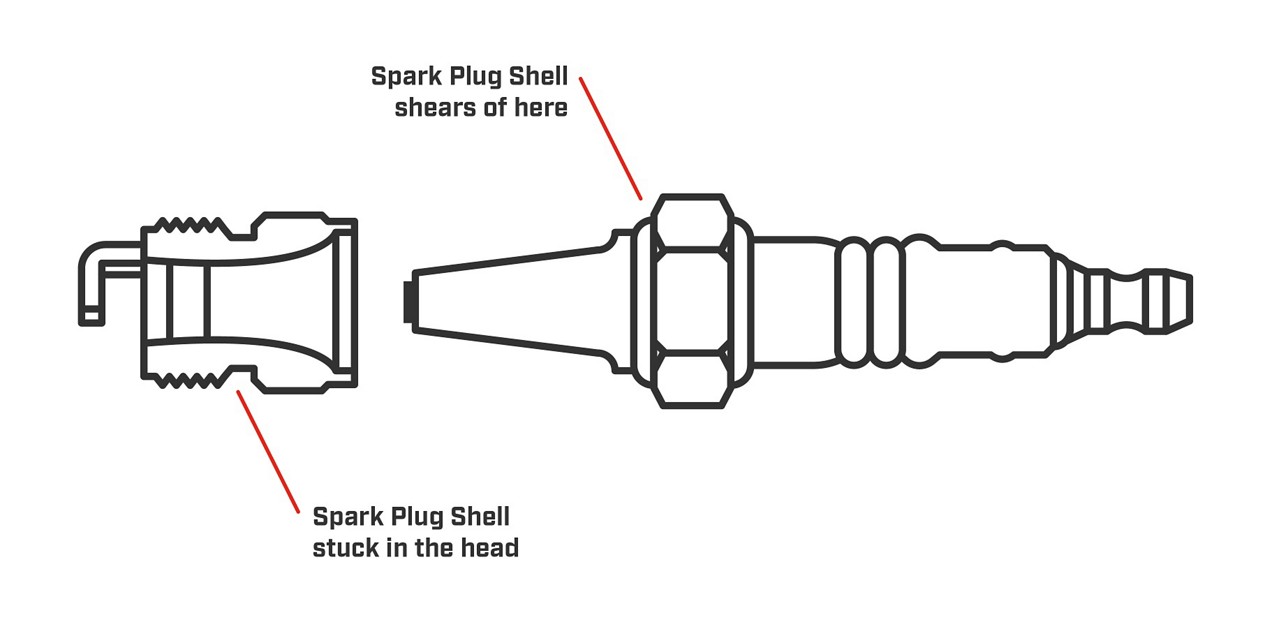
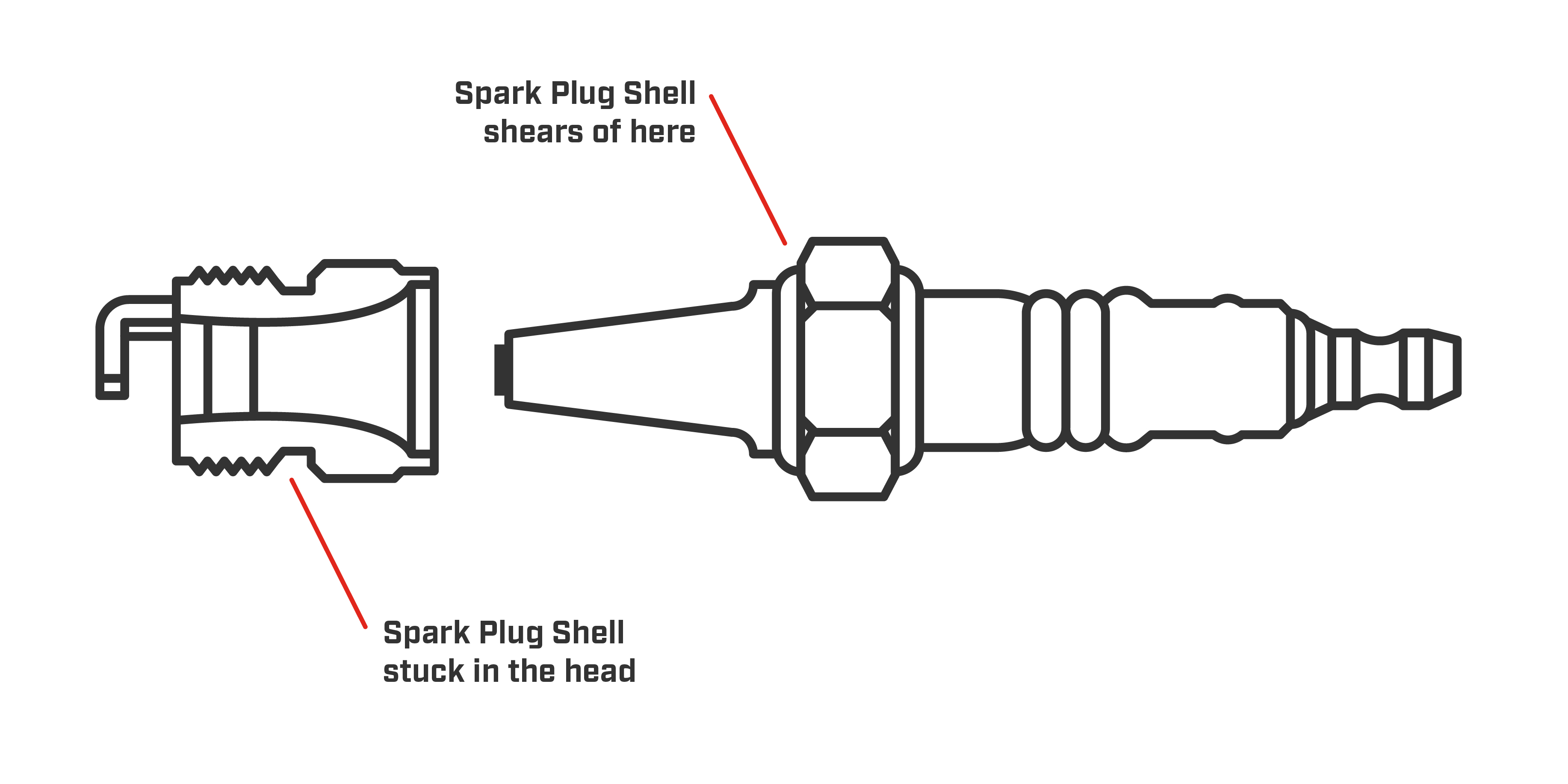
If the plug does not budge, stop turning immediately. Forcing it can cause the plug to break inside the cylinder head. A broken spark plug is harder to remove and may cause costly repairs. Consider seeking professional help if removal is too difficult.
Credit: www.championautoparts.com
Handling Broken Or Stuck Plugs
Handling broken or stuck spark plugs requires care and the right tools. These plugs can break or seize inside the engine, making removal tricky. Using force can cause serious damage. Patience and the correct approach help avoid costly repairs. Follow these tips to handle stuck or broken plugs safely.
Use Specialized Extractors
Specialized extractors are designed to remove broken spark plugs. They grip the broken piece securely. Insert the extractor into the spark plug hole carefully. Turn it slowly counterclockwise to remove the stuck part. These tools reduce the risk of further damage. They work best when the plug is broken inside the cylinder head.
Seek Professional Help
Professional mechanics have experience removing stuck plugs safely. They use advanced tools and techniques. If the plug resists removal, calling a pro is wise. Avoid causing damage by forcing the plug out. Experts can also check for hidden issues. This approach saves time and prevents costly engine repairs.
Avoid Cylinder Head Damage
Applying too much force risks damaging the cylinder head threads. Damaged threads can lead to expensive repairs or engine failure. Use gentle, steady pressure when loosening the plug. Apply penetrating oil and let it soak to ease removal. If resistance remains, stop and reconsider the method. Protecting the cylinder head preserves your engine’s integrity.
Tips To Prevent Future Freezing
Preventing spark plug freezing saves time and avoids damage. Regular care keeps spark plugs easy to remove. Using the right parts and techniques stops plugs from freezing in the future. Follow these simple tips to protect your engine and spark plugs.
Use Quality Spark Plugs
Choose spark plugs made from high-quality materials. They resist corrosion and heat better. Good spark plugs last longer and perform well. Avoid cheap plugs that can seize or break easily. Reliable plugs reduce the risk of freezing in the cylinder head.
Apply Anti-seize Compound
Apply a thin layer of anti-seize on the spark plug threads. This prevents rust and corrosion buildup. It helps spark plugs turn smoothly during removal. Use the right type of anti-seize recommended for spark plugs. Be careful not to apply too much, which can affect torque readings.
Follow Proper Installation Torque
Tighten spark plugs to the manufacturer’s recommended torque. Over-tightening can cause plugs to seize or break. Under-tightening may lead to poor engine performance. Use a torque wrench for accuracy. Correct torque ensures a secure fit without damage.

Credit: www.youtube.com
Frequently Asked Questions
How To Get A Frozen Spark Plug Out?
Apply penetrating oil around the spark plug base and let it soak for hours. Use a spark plug socket and ratchet. Gently rock it back and forth. Tap lightly with a rubber mallet if needed. Stop if it resists to avoid damage and seek professional help.
What To Do If Your Spark Plugs Won’t Come Out?
Apply penetrating oil around the spark plug and let it soak for hours. Warm the engine briefly, then use a breaker bar to rock the plug back and forth. Avoid excessive force to prevent damage. Seek professional help if it remains stuck.
Can I Use Wd-40 To Loosen Spark Plugs?
WD-40 can help loosen spark plugs by penetrating rust and corrosion. Apply, let it soak, then gently loosen with a proper socket. Avoid using excessive force to prevent damage.
What Happens If A Spark Plug Gets Stuck?
A stuck spark plug can cause engine misfires and damage threads if forced out. Apply penetrating oil, warm the engine, then carefully rock it loose. Avoid excessive force to prevent breakage. Seek professional help if it won’t budge to avoid costly repairs.
Conclusion
Removing a frozen spark plug takes patience and care. Apply penetrating oil and let it soak well. Use the right tools and gently rock the plug back and forth. Warming the engine slightly can help metal expand. Avoid forcing the plug to prevent damage.
If it won’t budge, consider professional help. Following these simple steps keeps your engine safe and running smoothly. Keep calm and work steadily for the best results.