How to Put a Jeep Wrangler in 4Wd: Easy Step-by-Step Guide
 Reading Time: 7 minutes
 Putting your Jeep Wrangler in 4WD is easier than most people think, but doing it wrong can cause damage or leave you stuck. Many beginners worry about shifting, hearing noises, or not knowing which mode to use. This guide will help you shift confidently, avoid mistakes, and understand when—and how—to use 4WD. Whether your Wrangler is newer or older, this article covers every step, practical example, and essential data you need.
What Is 4wd And Why Does It Matter?
Four-wheel drive (4WD) means power goes to all four wheels, not just two. This boosts traction on slippery surfaces like snow, mud, or sand. Jeeps are famous for their rugged 4WD systems, helping you drive safely off-road or during bad weather.
- 2WD (Two-Wheel Drive): Only the rear wheels get power; good for dry, paved roads.
- 4WD High (4H): All four wheels get power; best for snow, sand, gravel, and light off-roading.
- 4WD Low (4L): Strong torque for tough off-road, steep hills, deep mud.
Key Benefits:
- Better control in slippery conditions
- More power on rough terrain
- Safer driving in snow and rain
Types Of 4wd Systems In Jeep Wrangler
Wranglers use different systems depending on the year and model. You need to know which you have before shifting.
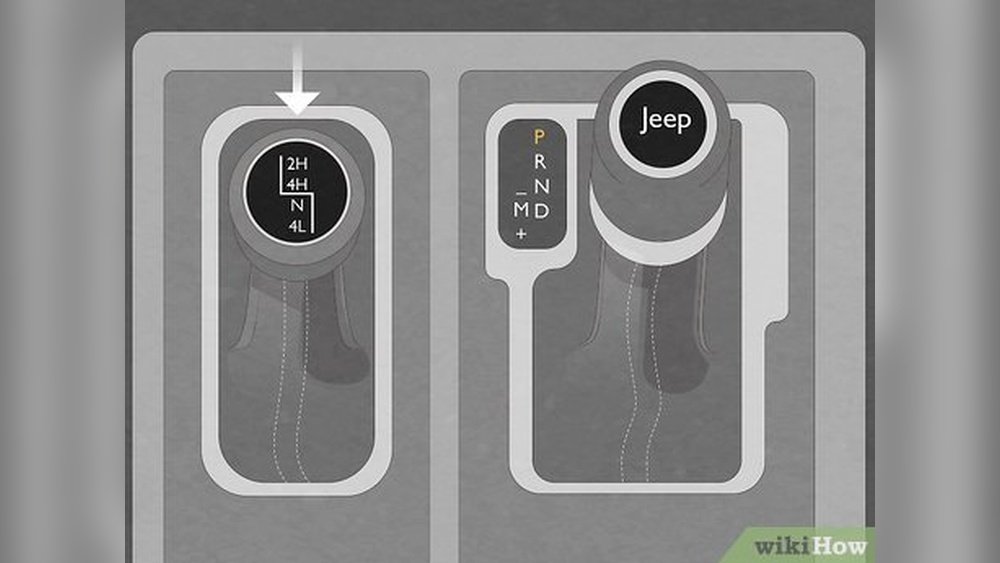
Manual Shift (lever)
Older Wranglers (like YJ, TJ, some JK) use a mechanical lever next to the gear shifter.
- Simple, reliable design
- You move the lever to change modes
Electronic Shift (switch/knob)
Newer models (JL, some JK) have a button or knob.
- Easier to use
- Computer controls the shift
Comparison Of Jeep Wrangler 4wd Systems
Here’s a quick look at how the two main systems compare:
| System | Activation | Model Years | Ease of Use |
|---|---|---|---|
| Manual Lever | Pull/Pull lever | YJ, TJ, early JK | Requires some force |
| Electronic Switch | Turn knob or push button | JL, late JK | Very easy |
Tip: Always check your owner’s manual to confirm which system your Jeep uses.

Credit: www.youtube.com
How To Put A Jeep Wrangler In 4wd: Step-by-step
Here’s a clear guide for both manual and electronic systems. Follow the steps for your Jeep.
For Manual Lever Models
- Know Your Modes:
- 2H (2WD): Everyday driving
- 4H (4WD High): Snow, sand, gravel, mild off-road
- 4L (4WD Low): Extreme off-road, steep hills, deep mud
- Find Safe Conditions:
- Only shift to 4WD on slippery or loose surfaces.
- Avoid using 4WD on dry pavement; it can cause damage.
- Shifting to 4H (4WD High):
- Slow down to under 55 mph.
- Take your foot off the gas.
- Firmly pull the lever from 2H to 4H.
- You may hear a click or feel resistance; this is normal.
- Shifting to 4L (4WD Low):
- Stop the Jeep completely.
- Shift transmission to Neutral (N).
- Firmly pull lever from 4H to 4L.
- Wait for the 4WD indicator light.
- Returning to 2WD:
- For 4H to 2H, slow down and shift while moving.
- For 4L to 2H, stop, shift to Neutral, move lever back to 2H.
For Electronic Shift Models
- Know Your Controls:
- Look for a knob or buttons labeled 2H, 4H, and 4L.
- Shifting to 4H:
- Slow down below 55 mph.
- Turn knob or press button for 4H.
- Wait for the dashboard indicator.
- Shifting to 4L:
- Stop the Jeep.
- Shift transmission to Neutral.
- Turn knob or press button for 4L.
- Wait for 4WD light.
- Returning to 2H:
- Shift back while moving for 4H.
- For 4L, stop and shift to Neutral first.
Real Example: If you’re on a snowy road, slow to 40 mph, shift from 2H to 4H (manual lever or button). Your Jeep will grip the road better. If you’re stuck in deep mud, stop, shift to Neutral, then switch to 4L.
Understanding 4wd Modes: When And Why To Use Each
Choosing the right mode is key. Using 4WD at the wrong time can cause damage or make driving harder.
2h (two-wheel Drive)
- Best for dry, paved roads.
- Saves fuel and reduces wear.
4h (four-wheel Drive High)
- Use for slippery surfaces: Snow, rain, sand, gravel.
- Good for mild off-roading.
- Do NOT use on dry pavement.
4l (four-wheel Drive Low)
- For tough situations: Deep mud, steep hills, rocky paths.
- Maximum torque and control, but only at low speeds (under 25 mph).
Data Example: According to Jeep, using 4H can improve traction by up to 40% on snow compared to 2H.
| Mode | Typical Speed | Best Surface | Fuel Use |
|---|---|---|---|
| 2H | 0–70 mph | Paved, dry | Lowest |
| 4H | 0–55 mph | Snow, sand, gravel | Medium |
| 4L | 0–25 mph | Steep hills, mud, rocks | Highest |
Common Mistakes Beginners Make
Even experienced drivers sometimes get it wrong. Here are the most frequent errors and how to avoid them.
- Using 4WD on dry pavement: Can damage the transfer case and tires.
- Shifting to 4L at speed: Only shift to 4L when stopped and in Neutral.
- Ignoring dashboard lights: Always check for the 4WD indicator before driving off.
- Forgetting to shift back: Driving long distances in 4H or 4L wastes fuel.
- Turning sharply in 4WD: Causes binding, which feels like jerky movement.
Practical Tip: If you hear grinding or feel resistance when shifting, stop and try again more gently.
How To Tell If 4wd Is Engaged
It’s important to know if your Jeep is really in 4WD. Here’s how:
- Dashboard Light: Look for the 4WD indicator.
- Feel: You may notice heavier steering or more grip.
- Noise: Sometimes you’ll hear a click or slight whir.
- Test: On slippery ground, accelerate gently; all four wheels should move.
Non-obvious Insight: Some older Wranglers may not have a clear dashboard light. If unsure, check for a change in driving feel.

Credit: www.youtube.com
When To Shift Back To 2wd
- After leaving slippery or rough terrain, switch back to 2H.
- This saves fuel and reduces wear.
- If you forget, your Jeep may feel sluggish and use more gas.
Example: After driving through a muddy trail, return to 2H once you reach pavement.
Jeep Wrangler 4wd Maintenance Basics
Keeping your 4WD system healthy is vital for safety and performance.
- Check fluid levels in the transfer case every 12,000 miles.
- Inspect the driveshafts and CV joints for wear.
- Listen for unusual noises after shifting.
- Have a mechanic check the system yearly.
Data: Transfer case fluid replacement costs $60–$120 and prevents expensive damage.

Credit: www.wikihow.com
Table: Jeep Wrangler 4wd Maintenance Checklist
| Check Item | Frequency | Cost Estimate |
|---|---|---|
| Transfer Case Fluid | 12,000 miles | $60–$120 |
| Driveshaft Inspection | Yearly | $50–$100 |
| CV Joint Lubrication | Yearly | $40–$80 |
Extra Tip: If you drive off-road often, check these items more frequently.
What To Do If 4wd Won’t Engage
Sometimes 4WD doesn’t work as expected. Here’s what to check:
- Stuck Lever/Switch: Try shifting with the vehicle stopped and in Neutral.
- Dashboard Light Not On: Double-check steps; sometimes the light takes a few seconds.
- Strange Sounds: Stop immediately and check for obstructions.
- Electronic System: If the knob/button doesn’t work, check the fuse or battery.
If you still can’t engage 4WD, visit a certified Jeep dealer.
Practical Tips For Beginners
- Practice shifting in a safe area before tackling tough terrain.
- Use 4WD only when needed; too much can cause damage.
- Always slow down before shifting.
- Don’t panic if you hear noises—most are normal.
- Read your owner’s manual; every model is slightly different.
Non-obvious Insight: Some drivers forget to shift back to 2H after off-roading. This leads to poor fuel economy and more wear.
4wd Safety Precautions
- Never use 4WD on dry pavement.
- Shift only when safe—don’t rush.
- Use 4L only at low speeds.
- Avoid sharp turns in 4WD.
- Always watch for warning lights.
Example: If you’re driving in snow and the road clears up, shift back to 2H to protect your Jeep.
Real-world Data: Jeep Wrangler 4wd Usage
According to a survey by the Jeep Owners Club:
- 68% of owners use 4H for snow.
- 23% use 4L for mud or steep hills.
- Only 9% use 4WD for sand or beach driving.
This shows most people use 4WD mainly for winter and off-road trails.
Where To Learn More
For more detailed technical info, check the official Jeep site:
jeep Wrangler Official
Frequently Asked Questions
How Fast Can I Drive In 4wd?
You can drive up to 55 mph in 4H. In 4L, keep speed under 25 mph. Never drive fast in 4L, as it’s for tough conditions only.
Can I Shift To 4wd While Moving?
Yes, you can shift from 2H to 4H while moving, but always slow down first. Only shift to 4L when stopped and in Neutral.
What Surfaces Need 4wd?
Use 4WD on snow, ice, mud, sand, gravel, or rough off-road terrain. Don’t use it on dry pavement.
Why Is My Jeep Making Noise After Shifting?
Some noise is normal, like a click or whir. Loud grinding or banging is not. If you hear strange sounds, stop and check for problems.
How Do I Know My Jeep Is In 4wd?
Look for the 4WD indicator light on the dashboard. You may also feel heavier steering or more grip. If unsure, test gently on slippery ground.
Putting your Jeep Wrangler in 4WD isn’t complicated, but knowing when and how is key for safety and fun. With these steps, practical tips, and real-world data, you’re ready to shift confidently and enjoy your Jeep’s full power. Always check your owner’s manual and practice safe shifting—your Jeep will thank you with years of reliable adventure.