How to Measure Ground Clearance: Easy Steps for Accurate Results
 Reading Time: 8 minutes
 Have you ever wondered how much space really exists between your vehicle’s lowest point and the road? Knowing your ground clearance is more important than you might think.
It affects how smoothly you drive over bumps, speed bumps, or rough terrain, and it can even protect your car from damage. But how do you measure ground clearance accurately? This simple yet crucial measurement isn’t always obvious, and getting it right can save you from costly repairs or tricky situations on the road.
In this guide, you’ll learn exactly how to measure your vehicle’s ground clearance step-by-step, using easy tools you probably already have. Stick with me, and you’ll gain confidence in understanding your vehicle’s height and how it impacts your daily drive. Ready to get started? Let’s dive in!
Credit: goodcar.com
Tools Needed
Measuring ground clearance requires a few simple tools. Using the right items makes the process easy and accurate. Prepare these tools before starting to get the best results.
Tape Measure
A tape measure is essential for measuring the distance from the vehicle’s lowest point to the ground. Choose a tape that is long enough and easy to read. A flexible tape measure helps reach under the vehicle smoothly.
Flat Surface
Park your vehicle on a flat, solid surface. This ensures correct ground clearance measurement. Avoid slopes or uneven ground as they can give wrong readings. A level driveway or garage floor works well.
Vehicle Load Preparation
Prepare your vehicle by loading it as you normally would. Include passengers or cargo to get a realistic measure. Measure ground clearance both with and without load for comparison. This shows how weight affects clearance.

Credit: practicalmotoring.com.au
Preparing Your Vehicle
Preparing your vehicle correctly is essential before measuring ground clearance. Small adjustments ensure accurate results. Follow these steps carefully to prepare your car.
Choose Level Ground
Park your vehicle on a flat, hard surface. Avoid slopes or soft soil. Level ground keeps the measurement precise and consistent. A driveway or parking lot works well.
Unload Passengers And Cargo
Remove all passengers and extra weight from the vehicle. Extra load lowers the car and affects clearance. The measurement should reflect the vehicle’s normal empty state.
Check Tire Pressure
Inspect each tire’s pressure and inflate them to the recommended level. Low tire pressure changes the vehicle height. Proper pressure gives a true reading of ground clearance.
Finding Lowest Point
Finding the lowest point under your vehicle is essential to measure ground clearance accurately. This step helps identify the part of your car closest to the ground. Measuring from this point gives a true reading of how much space you have. It affects your car’s ability to clear bumps, rocks, and uneven roads without damage.
Common Areas To Measure
Look under your vehicle for parts that hang the lowest. These often include the front and rear differentials, exhaust pipes, and the chassis frame. Measure the distance from these points straight down to the ground. Each vehicle has a different lowest point, so check multiple areas to find the smallest measurement. This ensures you get the exact ground clearance number.
Avoid Tires And Wheels
Do not measure ground clearance using tires or wheels. These parts touch the ground and do not represent the actual clearance. Tires can vary in size and pressure, causing misleading results. Focus only on the solid parts of your vehicle’s undercarriage. This method gives a consistent and useful measurement for your ground clearance.
Measuring Steps
Measuring ground clearance requires careful steps to get accurate results. Follow a simple process to ensure you measure the height between the lowest vehicle part and the ground correctly. These measuring steps help avoid mistakes and provide clear data for your vehicle.
Position Tape Measure
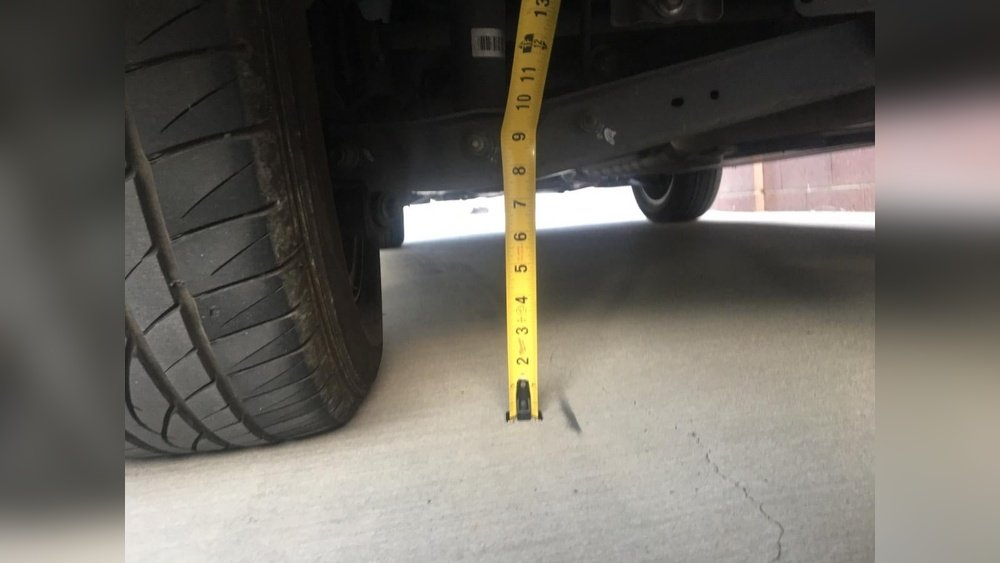
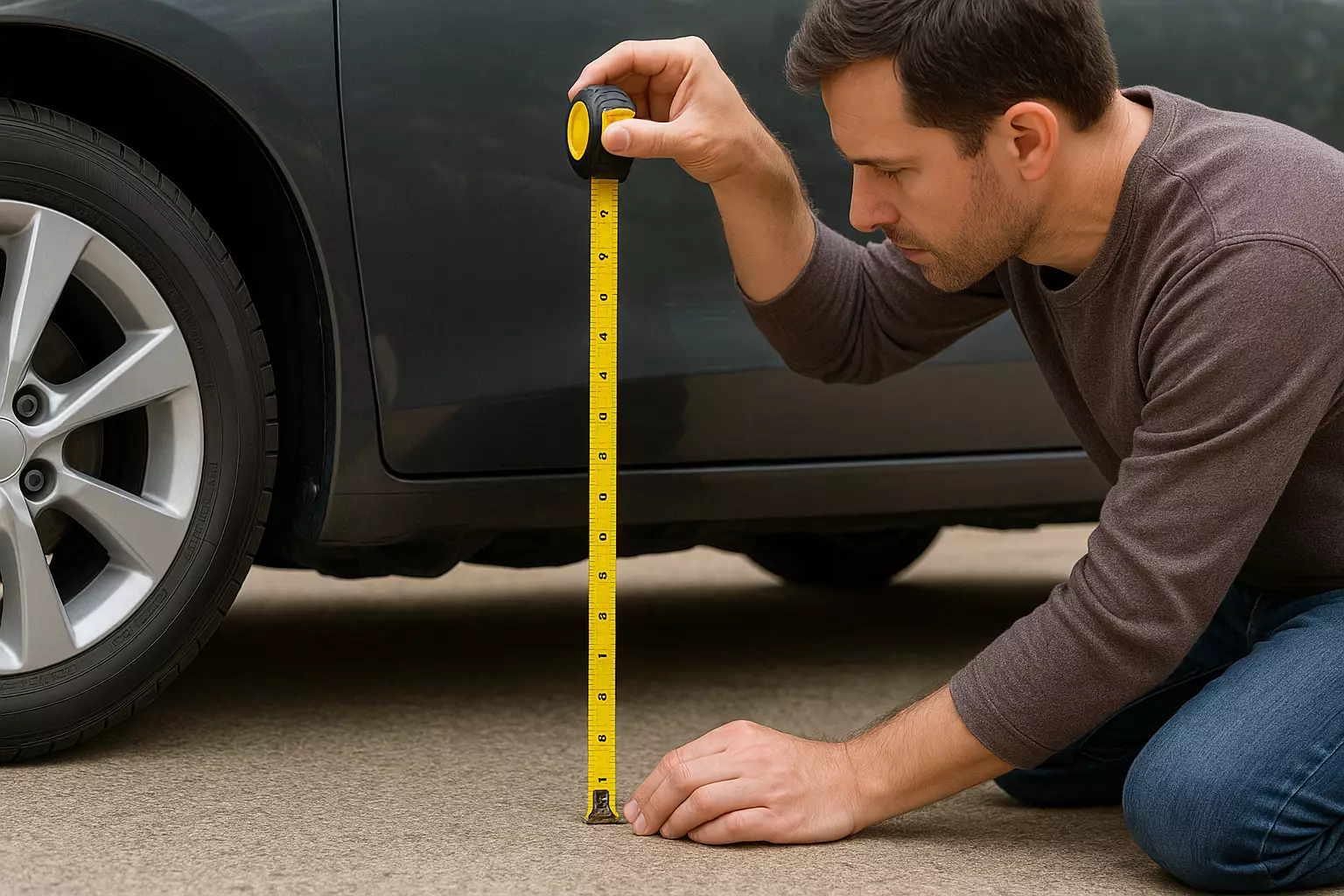
Place your vehicle on a flat, hard surface. This prevents errors caused by uneven ground. Take a tape measure and position it vertically under the lowest part of the vehicle. The tape should stand straight from the ground up to the vehicle’s underside.
Take Vertical Measurement
Look for the lowest point under your car. It could be the differential, frame, or exhaust pipe. Hold the tape measure against this point and note the vertical distance to the ground. Make sure the tape is straight and not slanting to get the correct height.
Record Multiple Points
Measure ground clearance at several spots under your vehicle. Different parts may have different heights from the ground. Record each measurement carefully. Check both sides and the center to find the lowest clearance value for safety and performance.
Measuring Loaded Vs Unloaded
Measuring ground clearance changes depending on whether your vehicle is loaded or unloaded. The height differs because weight affects suspension and tire compression. This difference impacts driving safety and performance. Knowing both measurements helps you understand your vehicle’s true clearance in real conditions. Below, we explain how to measure unladen and laden ground clearance and why both are important.
Unladen Ground Clearance
Unladen ground clearance means measuring your vehicle without any passengers or cargo. Ensure the vehicle is on a flat, hard surface. Use a tape measure to find the distance from the lowest point under the vehicle to the ground. Check areas like the differential, frame, or exhaust pipe. This measurement shows the maximum height your vehicle sits above the road.
Laden Ground Clearance
Laden ground clearance refers to measuring the vehicle with passengers and cargo inside. Load your vehicle as you normally would for travel. Park on a flat surface again. Measure from the lowest point of the vehicle to the ground. Weight compresses the suspension, lowering the clearance. This number reflects real-world driving conditions and helps predict obstacles you might face.
Why Both Matter
Both unladen and laden ground clearance give a complete picture of your vehicle’s height. Unladen clearance is useful for understanding potential off-road capabilities. Laden clearance shows how your vehicle handles daily driving with weight. Ignoring either can lead to unexpected scraping or damage. Measuring both helps ensure safety and prepares you for different driving scenarios.
Interpreting Results
Interpreting the ground clearance measurement is key to understanding your vehicle’s capabilities. This step helps you see if your car meets safety and performance needs. It also guides decisions on modifications or usage, especially for off-road driving. Let’s explore how to interpret these results effectively.
Compare With Manufacturer Specs
Start by checking your measurement against the vehicle’s official ground clearance. Manufacturers list this in the manual or online. Your number may be slightly different due to wear or added parts. A lower reading might indicate suspension issues or damage. A higher reading could mean lifted suspension or bigger tires.
Matching the spec confirms your vehicle is as designed. Large differences should prompt further checks or professional inspection.
Adjust For Modifications
Consider any changes made to your vehicle. Lift kits, bigger tires, or added body parts affect clearance. These upgrades usually raise the lowest point from the ground. Adjust your measurement by noting these modifications. This helps understand real-world clearance after changes.
For example, installing larger tires can increase clearance by a few inches. Keep track of these details for maintenance and resale value.
Assess Off-road Capability
Ground clearance affects how well your vehicle handles rough terrain. More clearance means better ability to cross rocks, ruts, and obstacles. Use your measurement to judge off-road readiness. Low clearance limits where you can safely drive without damage.
Check if your measured clearance matches the type of off-road driving planned. This helps avoid getting stuck or damaging the undercarriage. Adjust driving style or vehicle setup accordingly.
Common Mistakes
Measuring ground clearance accurately is key to understanding your vehicle’s capability. Many people make simple mistakes that give wrong results. These errors can cause issues on rough roads or off-road trips. Avoiding common pitfalls ensures your measurements reflect the true clearance.
Measuring On Uneven Ground
Measuring ground clearance on uneven ground leads to wrong numbers. Slopes or bumps change the distance between your car and the ground. Always find a flat, hard surface to measure on. This gives a reliable and consistent reading every time.
Including Tires In Measurement
Some confuse tire height with ground clearance. Tires touch the ground and should not be part of the measurement. Measure from the lowest part of the vehicle’s frame or chassis straight down. This shows how much space your car has above the ground.
Ignoring Vehicle Load
Ground clearance changes when the vehicle carries weight. Passengers, fuel, and cargo lower the car. Measure clearance with the vehicle empty and loaded for best results. This helps know the real clearance in daily driving conditions.
Tips For Accurate Measurement
Accurate ground clearance measurement helps assess your vehicle’s ability to handle rough roads. Taking precise measurements avoids errors and gives reliable data. Follow simple tips to ensure you get the right numbers every time.
Use A Helper
Having someone assist makes the process easier. One person can hold the tape measure while the other reads the numbers. This teamwork reduces mistakes and speeds up the task.
Measure Multiple Times
Measure the clearance several times at the same point. This practice catches any slips or misreads. Take the average of your measurements for the most accurate result.
Document Measurements
Write down each measurement clearly. Note the exact spot where you measured. Keeping records helps compare changes over time or after modifications.

Credit: www.youtube.com
Frequently Asked Questions
Is 7 Inch Ground Clearance Good?
Yes, 7-inch ground clearance suits most city and highway driving conditions. It offers decent protection from road obstacles and rough terrain.
Is 170 Mm Ground Clearance Good?
A 170 mm ground clearance suits most city roads and highways. It balances comfort and obstacle handling well.
How To Check Ground Clearance?
Park your vehicle on a flat surface. Locate the lowest point underneath. Measure the vertical distance from it to the ground using a tape measure. Record measurements with and without load for accuracy.
What Does 7 Foot Clearance From The Ground Mean?
Seven-foot clearance from the ground means an object or vehicle’s lowest part is seven feet above the surface. This height allows safe passage underneath without contact. It ensures clearance for vehicles, pedestrians, or structures below, preventing collisions and enabling smooth movement.
Conclusion
Measuring ground clearance helps you understand your vehicle’s ability to clear obstacles. Use a tape measure to find the lowest part under your car. Always measure on a flat surface for accurate results. Check both empty and loaded conditions to see the difference.
Remember, ground clearance varies by vehicle design and load. Knowing this simple info keeps your driving safe and smooth. Keep measuring to ensure your vehicle suits your needs.