How to Keep Windshield Washer Fluid from Freezing: Expert Tips
 Reading Time: 7 minutes
 When winter hits, nothing is more frustrating than reaching for your windshield washer fluid—only to find it frozen solid. You rely on that fluid to keep your windshield clear and your drive safe, especially when icy roads and slushy conditions limit visibility.
So, how can you make sure your windshield washer fluid keeps flowing, no matter how low the temperature drops? You’ll discover simple, effective tips and easy DIY solutions to prevent your washer fluid from freezing. Keep reading, and you’ll never have to worry about a frozen windshield again.
Causes Of Washer Fluid Freezing
Windshield washer fluid freezes when exposed to cold temperatures. This can make it hard to clean your windshield. Understanding why washer fluid freezes helps prevent it. Several factors cause this problem in winter months.
Many people do not realize that not all washer fluids are the same. Some fluids are designed for warm weather only. Using the wrong type can lead to freezing in cold conditions.
Low Freezing Point Of The Fluid
Washer fluid with a high water content freezes quickly. Water freezes at 32°F (0°C). If the fluid has little antifreeze, it will freeze easily. Check the label for freezing temperature information.
Extreme Cold Weather
Very low temperatures cause even some winter fluids to freeze. In places with harsh winters, standard fluid may not be strong enough. The colder the weather, the more resistant fluid you need.
Using Plain Water Instead Of Washer Fluid
Some drivers fill the reservoir with plain water. Water freezes faster than washer fluid. This causes the system to freeze and stop working. Always use fluid made for windshield cleaning.
Old Or Contaminated Fluid
Old washer fluid can lose its antifreeze properties. Dirt and debris may also build up inside the reservoir. This can reduce the fluid’s ability to resist freezing. Replace the fluid regularly for best results.
Incorrect Mixture Of Homemade Fluid
Some make their own washer fluid with alcohol and water. Wrong proportions can cause freezing problems. Too much water or not enough alcohol lowers the freezing point. Follow trusted recipes carefully to avoid this.
Choosing The Right Fluid
Choosing the right windshield washer fluid is key to prevent freezing during cold months. The fluid must work well in low temperatures. Selecting the proper type helps keep your windshield clear and safe. Two common types fit winter needs: winter formula concentrates and alcohol-based fluids. Each offers unique benefits for freezing conditions.
Winter Formula Concentrates
Winter formula concentrates mix easily with water. They contain antifreeze agents to lower the freezing point. These concentrates protect your washer system from ice damage. Using them ensures the fluid stays liquid in cold weather. They also clean salt and grime effectively. Choose a concentrate labeled for freezing temperatures in your area.
Alcohol-based Fluids
Alcohol-based fluids use alcohol to stop freezing. Isopropyl or methanol alcohol is common in these solutions. Alcohol lowers the freezing point more than water alone. These fluids often come pre-mixed and ready to use. They evaporate quickly, leaving a streak-free shine. Be careful with high alcohol content, as it can harm paint or rubber. Look for products safe for your vehicle’s surfaces.
Diy Freeze-proof Recipes
Making your own windshield washer fluid that won’t freeze saves money and keeps your windshield clear. These DIY freeze-proof recipes use common household ingredients. They work well in cold weather and are easy to prepare.
Each recipe uses a mix of liquids that lower the freezing point. You can adjust the ratios depending on how cold it gets. Try these simple methods to keep your washer fluid flowing all winter.
Basic Mixture Ratios
Start with a base of distilled water and add alcohol to prevent freezing. A common ratio is 3 parts distilled water to 1 part rubbing alcohol. This mix usually works down to about -20°F (-29°C). For colder climates, increase the alcohol to 1 part water to 1 part alcohol.
Use a clean jug for mixing. Shake well to combine. Test the fluid overnight in a cold place to be sure it won’t freeze.
Using Rubbing Alcohol
Rubbing alcohol, or isopropyl alcohol, is a key ingredient. It lowers the freezing point and cleans the windshield. Use 70% or 90% rubbing alcohol for best results.
Add about 1 cup of rubbing alcohol per gallon of distilled water. Include a few drops of liquid dish soap to help remove dirt and grime. Mix well before filling your car’s reservoir.
Adding Vinegar And Soap
Vinegar helps prevent freezing and removes residue on the glass. Mix 1 cup of white vinegar with 1 gallon of distilled water. Add 1 tablespoon of liquid dish soap to improve cleaning power.
Shake the mixture well. This recipe works best in mild freezing conditions. Avoid using too much vinegar, as it can damage some car parts.
Mixing And Application Tips
Mixing and applying windshield washer fluid correctly helps prevent freezing. Proper preparation ensures your fluid works well in cold weather. Follow simple steps to create a freeze-resistant mixture. Careful handling keeps your windshield clear and safe.
Using Distilled Water
Always use distilled water for mixing. Tap water contains minerals that can clog the system. Distilled water helps keep the mixture pure. It also prevents ice crystals from forming in cold temperatures. This choice improves fluid performance and protects your car.
Shaking And Testing
After mixing, shake the container well. This action blends all ingredients evenly. Test the fluid by placing some in a freezer. Check if it freezes after a few hours. Adjust the mixture if it solidifies to avoid blockages on the road.
Labeling Homemade Mixtures
Label your homemade fluid clearly. Include the date and contents on the bottle. This practice avoids confusion with other liquids. It also warns children and pets to stay away. Proper labeling keeps everyone safe and informed.
Safety Precautions
Safety comes first when preventing windshield washer fluid from freezing. Using additives like alcohol requires care. Improper handling can cause harm or damage. Follow safety guidelines to protect yourself and your vehicle.
Handling Alcohol Safely
Use rubbing alcohol in a well-ventilated area. Avoid breathing in fumes directly. Keep alcohol away from open flames or heat sources. Wear gloves to protect your skin from irritation. Do not ingest rubbing alcohol. Store it out of reach of children and pets. Label any homemade fluid clearly to prevent accidents.
Storage Guidelines
Store windshield washer fluid in a cool, dry place. Avoid direct sunlight to prevent chemical breakdown. Use sealed containers to keep fluid clean and effective. Keep containers upright to prevent leaks. Do not mix different fluids unless specified. Check labels for expiration dates and dispose of old fluid properly. Proper storage maintains fluid quality and your safety.
Maintaining Washer System In Winter
Maintaining your windshield washer system during winter keeps it working well. Cold weather can cause fluid to freeze and block the system. Proper care helps prevent damage and ensures clear visibility on icy roads. Follow simple steps to keep the washer fluid flowing smoothly throughout the season.
Regular Fluid Checks
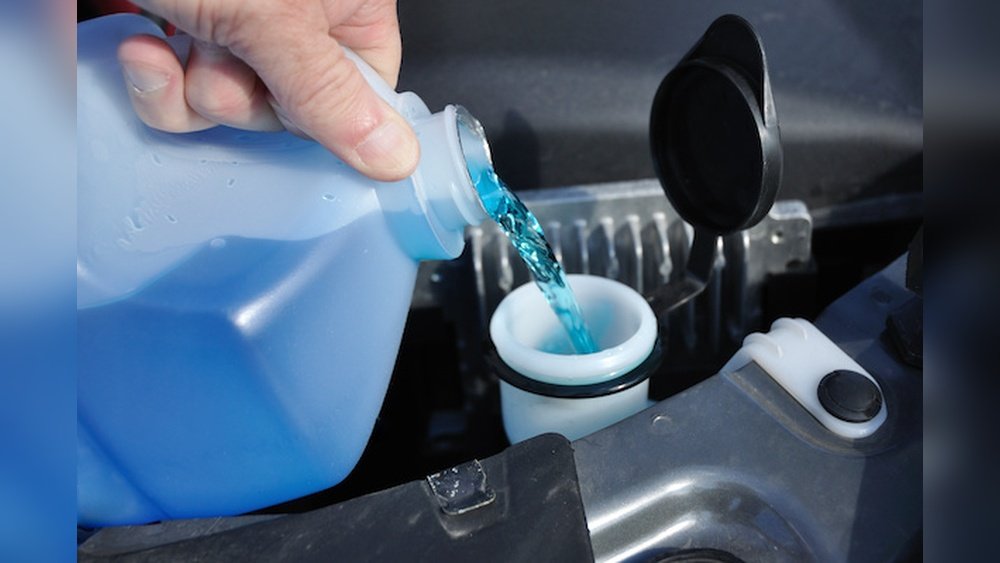
Check the washer fluid level often during winter months. Low fluid can cause the pump to run dry and fail. Use winter-grade fluid with antifreeze properties to prevent freezing. Top up the reservoir before driving in freezing temperatures. Inspect the fluid color and clarity; replace if dirty or cloudy. Clear fluid improves spray quality and windshield cleaning.
Avoiding Mineral Buildup
Mineral deposits can clog washer nozzles and hoses. Use distilled water instead of tap water when mixing homemade fluid. Distilled water has fewer minerals, reducing buildup risks. Clean the washer system at least once a year to remove deposits. Flush the reservoir and spray nozzles with a mild cleaner or vinegar solution. Regular cleaning ensures steady fluid flow and better spray performance.

Credit: gunk.com
Frequently Asked Questions
What Can I Put In Washer Fluid To Keep It From Freezing?
Add isopropyl (rubbing) alcohol and a drop of dish soap to distilled water in washer fluid. This prevents freezing.
How Much Rubbing Alcohol To Keep Windshield Washer Fluid From Freezing?
Add 1 cup of rubbing alcohol per gallon of windshield washer fluid to prevent freezing. Mix thoroughly before use.
How To Make Your Own Windshield Washer Fluid That Won’t Freeze?
Mix ¾ gallon distilled water, 1 cup rubbing alcohol, and a few drops of dish soap. Shake well. Test to ensure it won’t freeze.
What Is The Additive To Prevent Freezing Windshield Washer Fluid?
The additive to prevent freezing in windshield washer fluid is typically isopropyl alcohol or methanol. These alcohols lower the freezing point effectively.
Conclusion
Keeping your windshield washer fluid from freezing helps maintain clear vision. Use a mix of distilled water, rubbing alcohol, and a small amount of soap. Shake the mixture well before use. Test your fluid in cold conditions to ensure it stays liquid.
Store any homemade fluid safely and label it clearly. Regularly check your washer fluid, especially in winter months. Clear windshield means safer driving in freezing weather. Simple steps make a big difference on cold days.