How to Fix Jeep Death Wobble: Ultimate Guide to Smooth Driving
 Reading Time: 10 minutes
 If you’ve ever felt your Jeep’s front end suddenly shake uncontrollably while driving, you’ve likely experienced the dreaded “Jeep Death Wobble.” This nerve-wracking vibration can make steering feel impossible and turn a smooth ride into a safety concern. But here’s the good news: you don’t have to live with it or panic every time your Jeep hits a bump.
Understanding what causes this problem and knowing exactly how to fix it can save you time, money, and stress. In this guide, you’ll discover simple, effective steps to stop the Death Wobble and get your Jeep driving smoothly again—so you can focus on the adventure ahead without fear.
Keep reading to learn how to take control of your Jeep’s steering and eliminate that scary shake for good.
Causes Of Death Wobble
Death wobble is a harsh shaking of your Jeep’s front end. It starts after hitting bumps or rough roads. This shaking makes steering hard and unsafe. Understanding the causes helps you fix the problem faster.
Worn Steering Components
Steering parts wear out over time. Tie rods, ball joints, and the track bar suffer the most. When these parts get loose or damaged, the axle moves too much. This movement triggers the death wobble.
Loose Suspension Parts
Suspension parts like control arms and bushings keep the axle stable. Loose bolts or worn bushings let the axle shift side to side. This extra play causes the front end to shake violently.
Improper Alignment
Alignment affects how the Jeep tracks the road. Low caster angles or poor alignment cause instability. This condition makes the death wobble worse by allowing the wheels to oscillate.
Tire And Wheel Issues
Uneven or unbalanced tires can trigger death wobble. Worn tires or bent wheels add vibrations. Proper balancing and tire condition are key to avoiding shaking.
Impact Of Lift Kits
Lift kits change suspension geometry. Incorrect installation or poor quality parts cause extra stress. This stress loosens steering and suspension components faster, increasing wobble risks.
Key Parts To Inspect
Fixing Jeep death wobble starts with checking key parts. These parts often wear out or loosen, causing the front end to shake uncontrollably. Inspecting each component carefully helps find the source of the problem. Focus on the steering and suspension parts that affect stability.
Track Bar
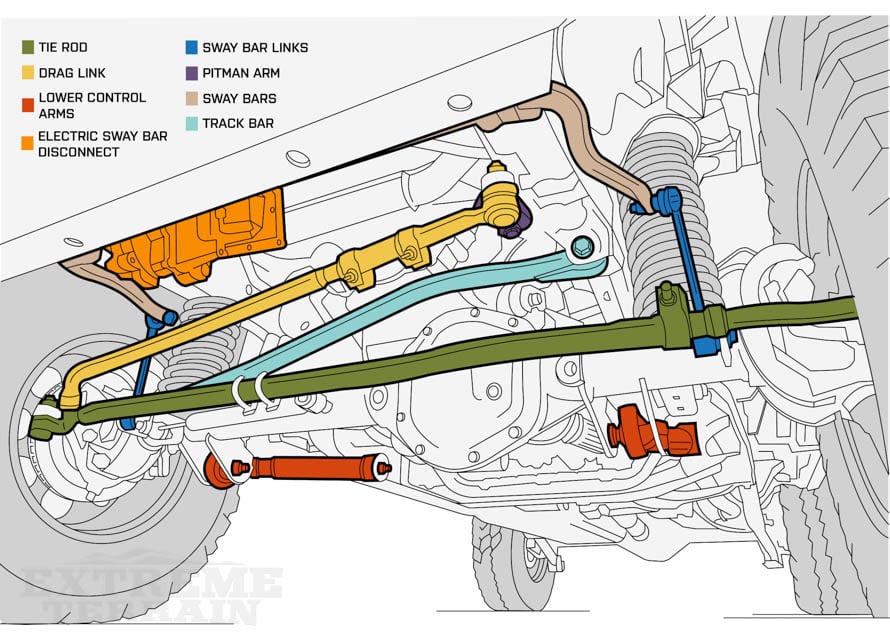
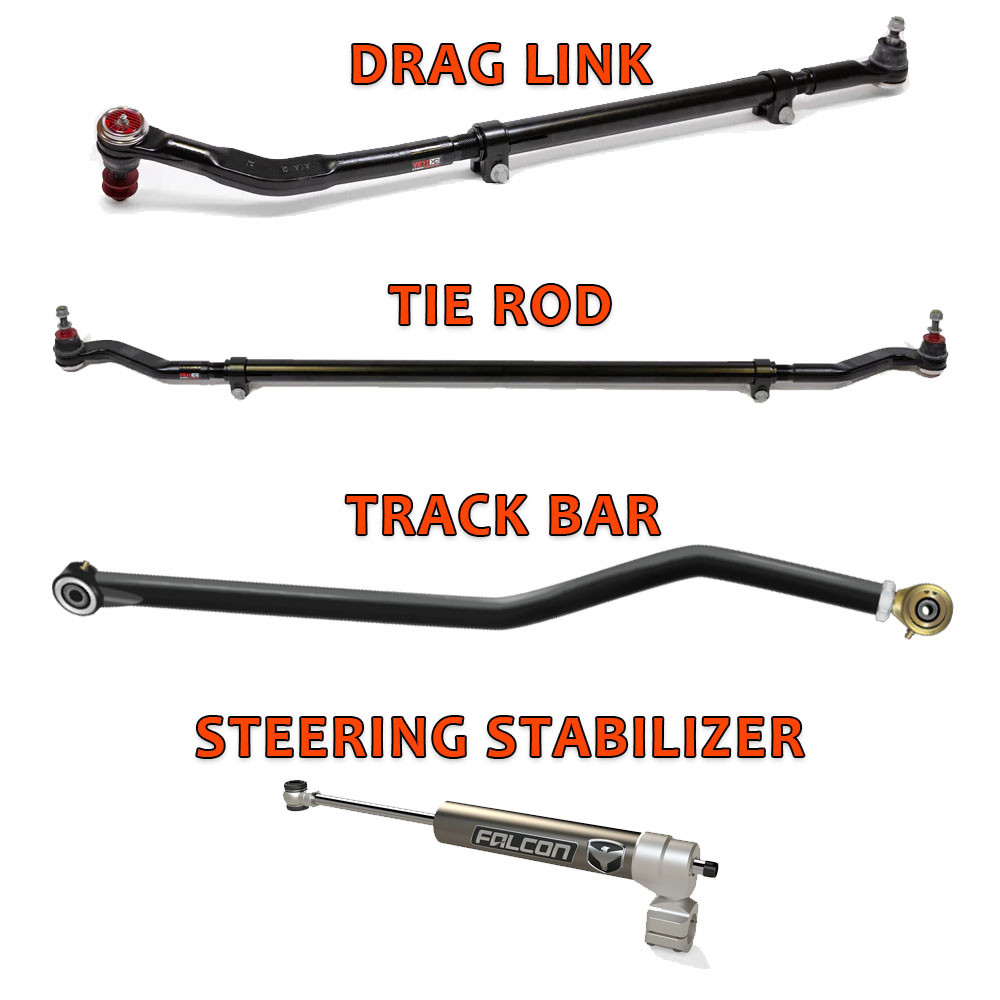
The track bar keeps the axle centered under the Jeep. Worn bushings or loose bolts let the axle move side to side. This movement triggers the death wobble. Tighten bolts and replace worn bushings to stop the shaking.
Tie Rods And Ends
Tie rods connect the steering wheel to the wheels. Loose or worn tie rod ends cause play in steering. This makes the Jeep harder to control and worsens wobble. Replace damaged tie rods and tighten connections.
Ball Joints
Ball joints allow suspension movement and hold the axle in place. Worn ball joints create extra play and clunking noises. This contributes to the front end shaking. Inspect and replace ball joints if they show wear.
Control Arm Bushings
Control arms hold the axle and allow movement. Their rubber bushings wear out over time. Worn bushings let the axle move too much, causing instability. Swap out old bushings to restore control.
Steering Damper
The steering damper reduces vibrations in the steering system. A bad damper worsens the death wobble symptoms but does not cause it alone. Replace the damper if it is leaking or damaged for better handling.
Wheel Bearings
Wheel bearings allow the wheels to spin smoothly. Loose or worn bearings cause wobbling and noise. Check the bearings for play and noise. Tighten or replace them to improve stability.
How Death Wobble Develops
Death wobble starts as a small issue in the Jeep’s suspension and steering parts. Over time, worn or loose components allow the front axle to move more than it should. This movement quickly grows and spreads through the steering system. The result is a violent shaking that is hard to control. Understanding how death wobble develops helps you spot problems early and fix them effectively.
Initial Impact On Loose Components
Death wobble often begins after the Jeep hits a bump or pothole. The impact causes loose parts like the track bar or tie rods to shift. These components may have worn bushings or loose bolts. This extra play lets the front axle move side to side more than normal. The initial movement seems small but sets the stage for bigger problems.
Axle Movement Amplification
As the axle moves, it pushes and pulls on other suspension parts. This movement gets stronger because the worn parts cannot hold the axle firmly. The loose control arm bushings and ball joints allow the axle to swing more freely. This amplifies the initial movement and sends vibrations through the entire front end.
Oscillation Through Steering Parts
The axle’s movement travels into the steering system. Tie rods and steering linkages start to oscillate. The steering stabilizer cannot stop this back-and-forth motion if parts are worn. This creates a rapid shaking in the steering wheel. The oscillation grows faster and harder, making the Jeep difficult to steer.
Resulting Violent Shake
The shaking becomes violent and uncontrollable. It feels like the front end is vibrating wildly. The steering wheel may jerk or twitch suddenly. This violent shake, known as death wobble, can be dangerous. It often happens at certain speeds or after hitting rough terrain. Fixing the worn parts stops the wobble and restores smooth driving.
Credit: www.youtube.com
Diagnosing Death Wobble
Diagnosing death wobble in a Jeep requires a careful and step-by-step approach. The goal is to find the root cause of the shaking. This helps in applying the correct fix and improving safety. The process involves checking multiple parts of the steering and suspension system. A thorough diagnosis prevents repeated problems and costly repairs.
Visual Inspection Tips
Start with a close look at the Jeep’s front end. Look for cracked, worn, or broken parts. Pay special attention to the track bar, tie rods, and control arm bushings. Check for any signs of rust or damage. Look for loose or missing bolts and nuts. Inspect the steering damper for leaks or damage. Catching visible issues early can save time and money.
Checking For Loose Bolts
Loose bolts often cause death wobble. Use a wrench to test the tightness of all bolts on the track bar and suspension. Check the tie rod ends and control arm bolts as well. Tighten any bolts that feel loose but avoid over-tightening. Loose bolts allow parts to move too much, causing the front end to shake. This step is simple but very important.
Testing Suspension Play
Check for play in the suspension parts by moving the wheels by hand. Grab the tire at the top and bottom and try to rock it back and forth. Any movement could mean worn ball joints or wheel bearings. Also, test the tie rods by moving the wheel side to side. Excessive play means parts are loose or damaged. This test helps find worn parts that need replacement.
Evaluating Tire Balance And Pressure
Tires that are out of balance or have incorrect pressure cause vibrations. Use a tire gauge to check all tire pressures. Inflate them to the Jeep’s recommended levels. Uneven tire wear or damage can also cause wobble. Getting tires balanced at a shop can fix this. Proper tire care reduces shaking and improves driving comfort.
Step-by-step Fixes
Fixing Jeep Death Wobble requires a clear, step-by-step approach. Addressing each worn or loose part improves steering stability. Follow these simple repairs to reduce or stop the shaking.
Tightening And Replacing Track Bar Components
The track bar holds the axle in place. Loose bolts or worn bushings allow side-to-side movement. First, check all bolts for tightness. Use a torque wrench to tighten them to the Jeep’s specs. If bushings look cracked or soft, replace them. New bushings or a new track bar can stop axle shifts that cause wobble.
Replacing Worn Tie Rod Ends
Tie rod ends connect the steering wheel to the wheels. Worn ends cause play and loose steering. Inspect the tie rod ends for damage or looseness. Remove the old parts and install new ones. Grease the joints well. Properly tightened tie rods help maintain steady steering and reduce wobble.
Swapping Out Ball Joints
Ball joints allow the wheels to move up and down. Worn joints add unwanted movement and clunking noises. Check for any play by lifting the wheel and moving it side to side. Replace any ball joints that feel loose or have torn boots. New ball joints keep the wheels stable and aligned.
Upgrading Control Arm Bushings
Control arm bushings keep the axle aligned. Old rubber bushings wear out and allow axle movement. Replace worn bushings with new ones or upgrade to polyurethane bushings for better durability. This upgrade tightens suspension movement and helps control wobble.
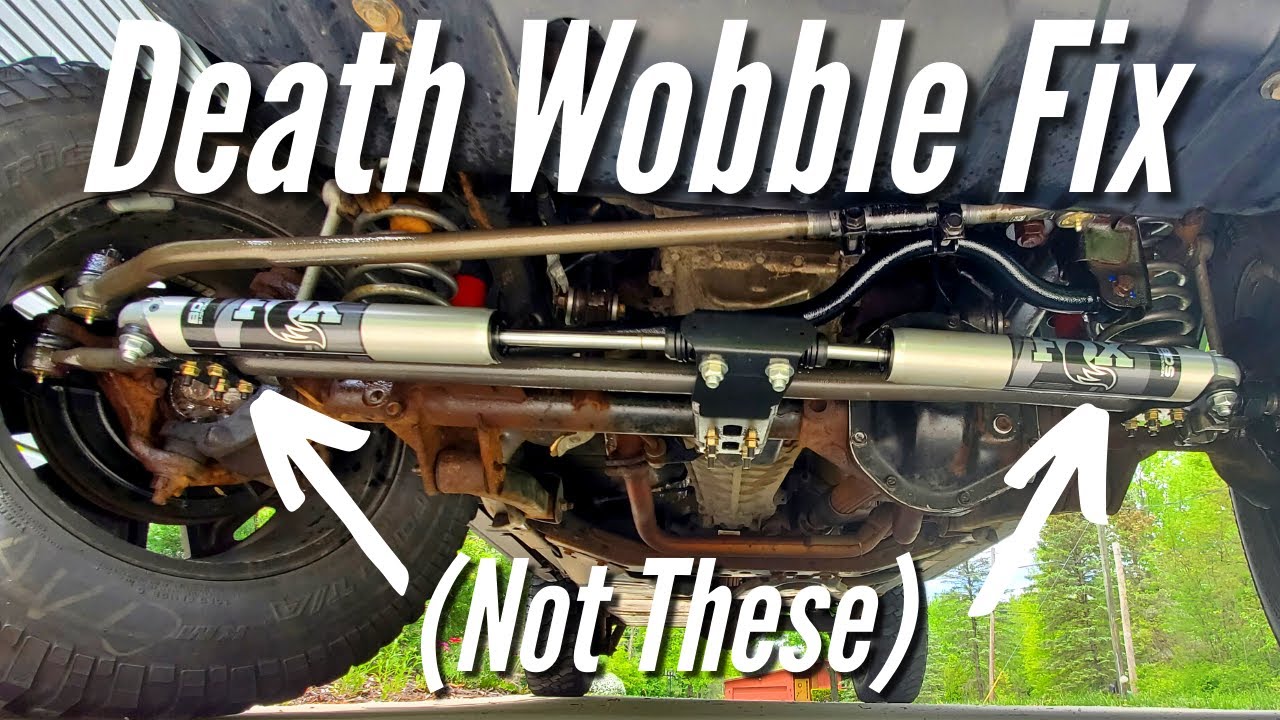
Installing A New Steering Damper
The steering damper reduces vibrations in the steering system. A bad damper does not cause wobble but can make it worse. Replace the damper if it leaks or feels weak. A new steering damper smooths out bumps and improves steering feel.
Credit: www.extremeterrain.com
Preventive Measures
Preventing Jeep death wobble starts with regular care and attention. Small steps help keep your Jeep steady and safe. Avoiding the wobble means maintaining key parts and using quality components. Follow these preventive measures to reduce the chance of death wobble occurring.
Proper Wheel Alignment
Correct wheel alignment keeps tires pointing in the right direction. Misalignment causes uneven tire wear and steering issues. It increases stress on suspension parts. Schedule wheel alignment checks at least once a year. Proper alignment improves handling and reduces wobble risks.
Regular Suspension Maintenance
Inspect suspension parts regularly for wear or damage. Look at ball joints, control arms, and bushings closely. Replace any worn or loose components quickly. Clean and lubricate moving parts to keep them working smoothly. Good suspension health prevents excessive play in the steering system.
Choosing Quality Lift Kits
Use lift kits made for your Jeep model. Cheap kits may cause instability and worsen death wobble. High-quality kits fit well and maintain proper geometry. They help keep suspension and steering parts aligned. Invest in trusted brands to avoid future problems.
Maintaining Correct Tire Pressure
Check tire pressure often to keep it at the recommended level. Over- or under-inflated tires cause uneven wear and handling issues. Proper tire pressure improves stability and steering response. Use a reliable gauge and adjust pressure before every trip.
Routine Component Inspections
Make it a habit to inspect steering and suspension parts regularly. Check track bars, tie rods, and ball joints for tightness and wear. Look for cracks, rust, or loose bolts. Early detection of faults prevents severe wobble problems. Keep a maintenance log to track repairs and inspections.
Driving Tips To Avoid Wobble
Driving plays a big role in keeping your Jeep steady and safe. Small habits can reduce the chance of death wobble starting. The way you handle rough roads, steer, and control speed matters. Follow these driving tips to avoid wobble and enjoy smoother rides.
Handling Rough Terrain Smoothly
Drive slowly over bumps and uneven surfaces. Avoid hitting potholes hard. Use gentle throttle and brake inputs. Keep the steering wheel steady and avoid jerky movements. Smooth handling reduces stress on steering parts. This lowers the chance of wobble starting.
Avoiding Sudden Steering Inputs
Make slow and small steering corrections. Sudden turns can shake the front end. Avoid quick, sharp movements with the wheel. Keep your hands steady during rough patches. Smooth steering helps maintain control and reduces wobble risk. Be calm and precise with your steering.
Speed Management On Uneven Roads
Reduce speed on gravel, dirt, or rocky roads. High speed increases impact on suspension and steering. Slow down before bumps and rough patches. Drive at a pace that lets you react smoothly. Proper speed control prevents harsh jolts and wobble triggers. Stay in control by adjusting your speed to the terrain.
Credit: rebeloffroad.com
Frequently Asked Questions
What Is The Main Cause Of Jeep Death Wobble?
The main cause of Jeep death wobble is worn, loose, or damaged steering and suspension parts, especially the track bar and tie rods.
Can The Death Wobble Be Fixed?
Yes, the death wobble can be fixed by inspecting and tightening or replacing worn steering and suspension parts. Proper alignment and balanced tires also help.
How Much Does It Cost To Fix The Death Wobble On A Jeep?
Fixing Jeep death wobble costs between $200 and $800, depending on parts like track bars or tie rods replaced. Labor charges vary by shop.
Is It Safe To Drive A Jeep With Death Wobble?
Driving a Jeep with death wobble is unsafe. It causes uncontrollable shaking, risking loss of control. Fix steering and suspension issues immediately.
Conclusion
Fixing Jeep death wobble requires careful inspection and timely repairs. Start with the track bar and steering components. Tighten or replace worn parts to reduce play. Check alignment and tire balance for added stability. Small fixes prevent dangerous shaking on the road.
Stay safe by addressing issues early and maintaining your Jeep regularly. Death wobble does not have to control your drive. Take action and enjoy smooth steering again.