How to Fix Death Wobble Jeep: Quick and Effective Solutions
 Reading Time: 12 minutes
 If you’ve ever felt your Jeep’s steering wheel suddenly start shaking uncontrollably while driving, you’ve probably experienced the dreaded death wobble. It’s more than just an annoying vibration—it can be scary and dangerous if left unchecked.
But here’s the good news: you don’t have to live with it or spend a fortune on repairs. In this guide, you’ll learn exactly how to fix death wobble in your Jeep by targeting the key parts that cause it.
Whether you’re a weekend adventurer or daily driver, understanding what triggers this problem and how to stop it will give you confidence behind the wheel again. Ready to take control and enjoy a smooth ride? Let’s dive in and get your Jeep wobble-free fast.
Symptoms Of Death Wobble
Recognizing the symptoms of Death Wobble is the first step to fixing it. This issue causes sudden, violent shaking in the front end of a Jeep. It can be scary and dangerous if not addressed quickly. Understanding the signs helps you act fast and prevent further damage.
What Death Wobble Feels Like
You will feel a strong shaking or vibration in the steering wheel. The whole front end may shake violently. The steering wheel might jerk from side to side. It often feels like the Jeep is trying to pull away from your hands. This shaking can last for several seconds or longer. It can make it hard to control the Jeep.
Common Speeds When It Occurs
Death Wobble usually happens at speeds between 40 and 60 miles per hour. It can also occur at highway speeds or just after hitting a bump. The shaking often starts suddenly without warning. Sometimes it happens when accelerating or braking. It rarely happens at very low speeds.
Main Causes
Death wobble in Jeeps happens due to several worn or loose steering and suspension parts. Identifying the main causes helps to fix the issue effectively. The problem often comes from parts that wear out over time or get loose from rough driving conditions.
Each cause affects the Jeep’s stability and steering control. Checking these parts regularly can prevent death wobble. Below are the most common reasons behind this dangerous shaking.
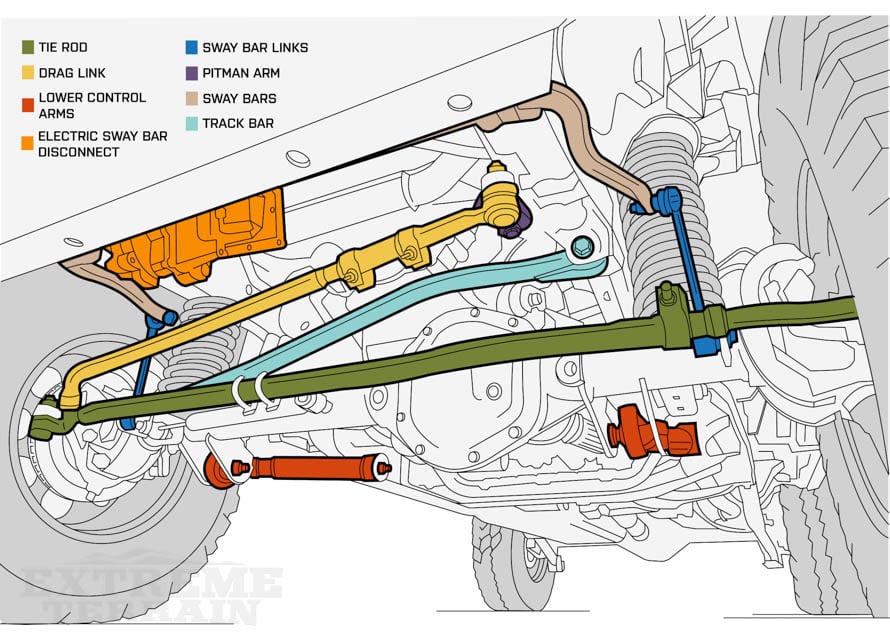
Worn Track Bar And Bushings
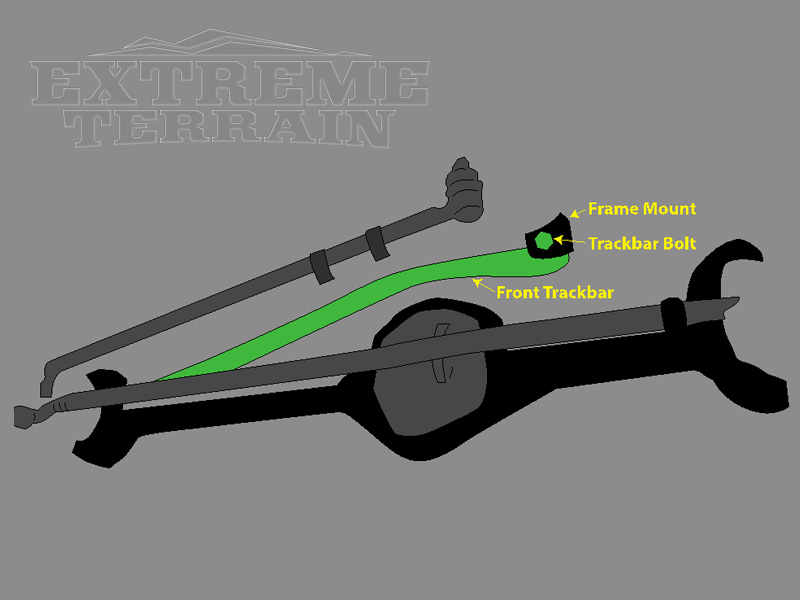
The track bar keeps the axle centered under the Jeep. Worn bushings or loose bolts in the track bar cause extra play. This looseness leads to the axle shifting during driving. The result is a strong, uncontrolled wobble at certain speeds.
Replacing worn bushings or tightening the track bar bolts often stops the wobble immediately.
Damaged Ball Joints
Ball joints connect the steering knuckles to the control arms. They allow smooth wheel movement. When ball joints wear out, they create slack in the steering. This slack causes the wheels to shake violently on rough roads or at higher speeds.
Inspect ball joints for damage and replace them if they are loose or cracked.
Loose Tie Rods And Drag Links
Tie rods and drag links connect the steering wheel to the wheels. If these parts loosen or wear out, steering becomes unstable. Loose connections allow the wheels to move unpredictably, causing death wobble.
Check for play in tie rods and drag links and tighten or replace them as needed.
Control Arm Bushing Wear
Control arm bushings cushion the control arms’ movement. When these bushings wear out, the control arms shift more than they should. This extra movement affects axle alignment and steering precision. The Jeep may shake or wobble on uneven surfaces.
Worn control arm bushings need replacement to restore proper suspension function.
Steering Stabilizer Issues
The steering stabilizer dampens vibrations in the steering system. A bad or worn stabilizer cannot absorb shocks properly. Though it does not cause death wobble alone, a weak stabilizer makes the wobble worse. It can also hide problems in other steering parts.
Replacing a faulty steering stabilizer improves control and helps reduce wobble symptoms.
Additional Factors
Several factors can contribute to the death wobble in your Jeep beyond the usual suspects. These additional elements often go unnoticed but play a big role in steering stability. Understanding these can help you spot issues early and maintain a smoother ride.
Improper Wheel Alignment
Wheel alignment affects how your Jeep handles on the road. When alignment is off, tires do not point in the right direction. This causes uneven tire wear and poor steering response. Misalignment can increase the risk of death wobble. Getting a professional alignment check can fix this issue fast. Proper alignment keeps the wheels working together properly and reduces shaking.
Tire Imbalance And Wear
Tires must be balanced for smooth driving. Imbalanced tires cause vibrations at certain speeds. Worn tires with uneven tread can worsen these vibrations. Regular tire rotation and balancing prevent these problems. Check for bald spots, cupping, or uneven wear patterns. Replacing damaged tires improves control and reduces wobble risks.
Effects Of Lift Kits And Modifications
Lift kits change the height and angle of your Jeep’s suspension. These modifications can alter the steering geometry. If not done correctly, lift kits can cause or worsen death wobble. Upgraded parts may need stronger components to handle stress. Always inspect suspension and steering parts after any lift or modification. Proper installation and quality parts help maintain stability.
Credit: www.extremeterrain.com
Inspection Checklist
Before fixing the death wobble in your Jeep, a thorough inspection is key. This checklist helps find worn or loose parts causing the problem. Each component affects steering and suspension stability. Careful checks prevent guesswork and save repair costs.
Follow these steps to spot issues early and plan your repair work correctly. Use basic tools and a safe workspace for the inspection.
Checking Track Bar Play
The track bar keeps the axle centered under the Jeep. Check for movement by grabbing the bar and trying to move it side to side. Any play or looseness means worn bushings or loose bolts. Tighten bolts or replace bushings to restore proper alignment.
Testing Ball Joints For Looseness
Ball joints connect the wheels to the suspension. Jack up the Jeep and wiggle the wheel up and down, and side to side. If you feel looseness or hear clunks, the ball joints may be worn out. Replace worn ball joints to stop steering wobble.
Examining Tie Rods And Drag Links
Tie rods and drag links control wheel movement when you steer. Grab each and try to move it by hand. Any play means worn joints or loose connections. Tighten or replace these parts to keep steering tight and responsive.
Assessing Control Arm Bushings
Control arm bushings cushion movement between the axle and frame. Look for cracks, tears, or excessive movement in the bushings. Worn bushings allow the axle to shift, causing wobble. Replace damaged bushings for a stable ride.
Evaluating Steering Stabilizer Condition
The steering stabilizer dampens vibration and shock in the steering system. Check for leaks, dents, or damage on the stabilizer. A worn stabilizer cannot control the wobble effectively. Replace it to improve steering smoothness and control.
Quick Fixes
Quick fixes can often stop the death wobble in your Jeep fast. These solutions focus on common causes that create steering problems. They require basic tools and some time but improve safety and control immediately. Follow these simple steps to reduce or remove the shaking while driving.
Tightening Suspension Bolts
Loose suspension bolts often cause the death wobble. Check all bolts on the track bar, control arms, and steering components. Use a torque wrench to tighten them to manufacturer specs. Tight bolts keep parts from shifting during driving. This step is quick and can solve the wobble in many cases.
Replacing Worn Bushings
Bushings absorb shocks and keep suspension parts steady. Over time, they wear out and become loose. Replace old or cracked bushings in control arms and track bars. New bushings reduce play in the suspension. This lowers the chance of wobble and improves ride quality.
Balancing And Rotating Tires
Unbalanced or uneven tires cause vibrations that worsen the wobble. Rotate tires regularly to even out wear. Have a professional balance each tire for smooth driving. Balanced tires reduce shaking and help steering stay steady on the road.
Adjusting Wheel Alignment
Misaligned wheels create uneven forces on suspension parts. Check your Jeep’s alignment with a shop or use an alignment tool. Correct alignment ensures tires point straight and track properly. This fix helps prevent death wobble and improves tire life.
Credit: www.extremeterrain.com
Component Replacement
Component replacement plays a key role in fixing the death wobble on your Jeep. Over time, certain parts wear out and cause instability in steering. Replacing these worn components restores proper function and smooth driving. This section covers essential parts to upgrade or replace for lasting stability.
Upgrading Track Bar
The track bar keeps your Jeep’s axle centered under the frame. A worn or bent track bar causes the axle to shift side to side. Upgrading to a heavy-duty or adjustable track bar reduces play and improves control. Make sure to tighten all bolts to factory torque specs during installation.
Installing Heavy-duty Ball Joints
Ball joints connect the control arms to the steering knuckles. Old ball joints develop looseness that leads to steering wobble. Heavy-duty ball joints provide stronger support and last longer. Replacing both upper and lower ball joints ensures balanced steering response and safety.
Replacing Tie Rods And Drag Links
Tie rods and drag links link the steering gear to the wheels. Worn or bent tie rods create excess play that causes shaking. Replace them with quality parts to restore tight steering. Check for wear on tie rod ends and drag link ends and replace as needed.
Choosing Aftermarket Control Arms
Control arms hold the axle in place and absorb road shocks. Stock control arms can bend or their bushings wear out. Aftermarket control arms offer stronger materials and better bushings. They keep your Jeep’s suspension aligned and reduce death wobble risk.
Steering Stabilizer Role
The steering stabilizer helps reduce vibrations in your Jeep’s steering system. It acts like a shock absorber for the steering, smoothing out bumps and small shakes. This part is important for controlling minor steering feedback and improving driving comfort.
However, the stabilizer does not fix the root causes of death wobble. It only helps control the symptoms. The main steering components must be in good condition for the stabilizer to work well. A worn stabilizer can make the wobble worse or feel more unstable.
When To Replace It
Replace the steering stabilizer if you notice leaking fluid or visible damage. If your steering feels loose or bouncy, the stabilizer might be worn out. Also, when your Jeep has death wobble and the stabilizer is old, replacing it can help reduce symptoms.
Check for uneven tire wear or sudden steering jerks. These signs often mean the stabilizer is no longer effective. Make sure to replace it with a quality part designed for your Jeep model.
Limitations In Fixing Wobble
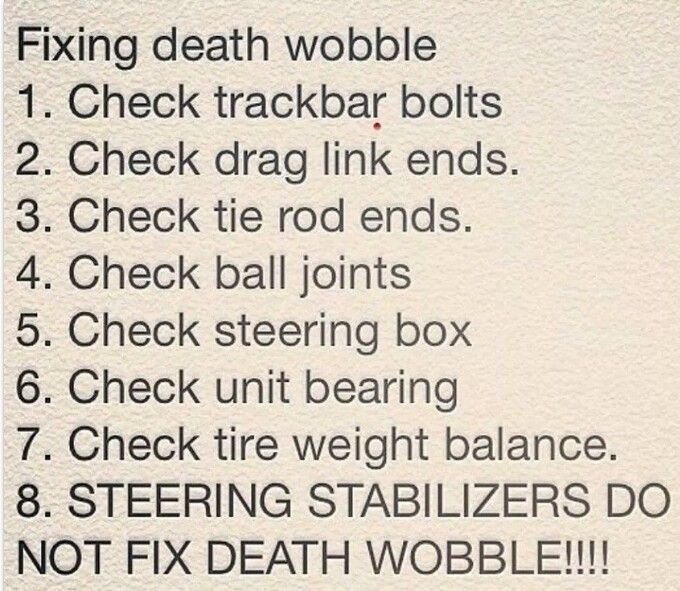
The steering stabilizer alone cannot fix death wobble. It only dampens the vibrations temporarily. The real cause usually comes from worn ball joints, tie rods, or a loose track bar.
Ignoring these worn parts and relying on the stabilizer can make the problem worse. Fixing death wobble requires a full inspection and repair of all steering components. The stabilizer is just one part of the solution.
Cost Factors
Fixing the death wobble in a Jeep involves several cost factors. Understanding these helps plan your repair budget. Costs vary based on parts, labor, and upgrades. Each factor affects the total expense differently. This section breaks down the main cost contributors to help you prepare.
Parts Quality And Brand
Parts quality impacts price and durability. OEM parts cost more but fit perfectly. Aftermarket parts offer savings but vary in quality. Trusted brands like Moog or Metalcloak provide reliability. Cheaper parts may wear out faster, causing recurring issues. Choose parts based on your budget and usage needs.
Labor Charges
Labor costs depend on shop rates and job complexity. Fixing death wobble requires detailed inspection and precise work. Shops in urban areas often charge higher hourly rates. Independent mechanics may offer cheaper service than dealerships. Labor time varies from one to several hours based on damage.
Upgrades And Lift Kits
Lifting your Jeep or adding upgrades raises repair costs. Lift kits change suspension geometry, needing stronger parts. Upgraded track bars, control arms, and stabilizers may be necessary. These parts cost more than stock replacements. Upgrades improve performance but increase the total repair bill.
Typical Repair Cost Breakdown
- Ball Joints: $50 to $150 each
- Steering Stabilizer: $40 to $120
- Tie Rods and Drag Links: $70 to $200 each
- Control Arms: $100 to $300 each
- Tires (if needed): $100 to $250 per tire
Overall, expect repair costs between $300 and $1,200 depending on parts and labor. Multiple worn components increase expenses. Replacing only worn parts can save money. Consider quality and upgrades for long-term value.
Preventive Measures
Preventive measures play a crucial role in avoiding the death wobble in your Jeep. Taking steps to maintain your vehicle’s suspension and steering system can help keep your Jeep stable and safe on the road. Regular care and attention reduce the chance of serious issues developing. This section highlights key preventive actions you should follow.
Regular Suspension Inspections
Check your suspension parts regularly for wear or damage. Look at ball joints, control arms, and track bars closely. Replace any worn or loose components immediately. Tighten bolts and nuts to the correct torque specifications. Early detection of problems stops the death wobble before it starts.
Proper Tire Maintenance
Keep your tires balanced and rotated frequently. Inspect tires for uneven wear or cupping patterns. Replace tires that show signs of damage or excessive wear. Use the right tire pressure as recommended by the manufacturer. Good tires improve steering stability and reduce wobble risks.
Alignment Checks After Modifications
After any lift or suspension modification, get a proper alignment done. Misaligned wheels can cause uneven tire wear and steering issues. Ensure the steering components are adjusted to factory settings. Alignment checks help your Jeep drive straight and reduce vibrations. This step is vital for lifted or customized Jeeps.
Credit: www.offroadelements.com
Frequently Asked Questions
How Much Does It Cost To Repair A Jeep Death Wobble?
Repairing Jeep death wobble typically costs between $300 and $1,000. Costs vary by parts like ball joints, tie rods, and labor. Upgrading suspension or using heavy-duty parts can increase expenses. Multiple worn components often cause it, so thorough inspection is essential for accurate repair pricing.
What Is The Most Common Cause Of The Death Wobble In A Jeep?
The most common cause of death wobble in a Jeep is a worn or loose track bar. It allows axle movement, triggering violent steering shakes.
Is There A Fix For Death Wobble?
Yes, fixing death wobble requires inspecting and replacing worn steering and suspension parts. Tighten the track bar, ball joints, tie rods, and control arm bushings. Proper wheel alignment and balanced tires also help. A steering stabilizer alone cannot fix the underlying issues causing death wobble.
At What Speed Does A Jeep Death Wobble?
Jeep death wobble typically occurs between 35 and 50 mph. It causes violent steering wheel shaking.
Conclusion
Fixing death wobble in your Jeep takes patience and careful checks. Start by inspecting key parts like ball joints, tie rods, and the track bar. Replace any worn or loose components to reduce shaking. Remember, a steering stabilizer helps but cannot fix the root cause.
Regular maintenance keeps your Jeep safe and stable on the road. Stay alert to changes in handling and act quickly to prevent bigger issues. With proper care, you can enjoy smoother, wobble-free rides every time.