How to Easily Remove Jeep Wrangler Carpet Step by Step Guide: Simple & Quick Methods
 Reading Time: 9 minutes
 If you own a Jeep Wrangler and want to freshen up your ride or tackle some deep cleaning, removing the carpet is a great place to start. But if you’re worried about the hassle or don’t know where to begin, this step-by-step guide will make the process simple and straightforward.
You’ll learn exactly how to strip out your Jeep’s carpet quickly and safely, without any confusion or frustration. By following these easy instructions, you’ll save time and avoid common mistakes, making your Jeep feel like new again. Ready to get your hands dirty and transform your interior?
Let’s dive into how you can easily remove your Jeep Wrangler carpet, one step at a time.
Tools Needed
Gathering the right tools makes carpet removal easier and faster. Using proper tools helps avoid damage and injury. Prepare all items before starting to work.
Pliers Or Staple Puller
These tools help grip and pull staples holding the carpet. Pliers are common and easy to find. A staple puller works well for stubborn staples.
Utility Knife With Sharp Blade
A utility knife cuts the carpet into strips for easier handling. Change blades often for clean cuts. Use caution to avoid cutting yourself.
Pry Bar And Hammer
Use these tools to lift and remove tack strips from the floor. Work slowly to avoid damaging the floor or nails.
Floor Scraper
This tool removes leftover padding, glue, or staples from the subfloor. A scraper clears the surface for new flooring installation.
Trash Bags And Tape
Use trash bags to collect carpet pieces and padding. Tape bags shut to keep debris contained during disposal. Keeping the area clean helps prevent accidents.

Credit: www.lodicdjr.com
Prepare The Jeep
Start by preparing your Jeep Wrangler before removing the carpet. This step ensures a smooth and safe carpet removal process.
Proper preparation helps avoid damage and makes the task easier. Focus on clearing the interior and removing small parts carefully.
Clear Furniture And Items
Remove all seats, mats, and loose items from inside the Jeep. This clears the workspace and prevents damage to your belongings.
Take out any floor mats or seat covers. Store them safely away from dirt and debris during the carpet removal.
Remove Vent Covers
Locate the vent covers on the floor and dashboard areas. Use a screwdriver or trim tool to gently pry them off.
Removing vent covers prevents obstruction and allows better access to the carpet edges. Set the covers aside in a safe spot.
Start Removing Carpet
Begin your Jeep Wrangler carpet removal by focusing on the edges. The process is easier when you find a good starting point. Pulling from a corner helps loosen the carpet without much effort. This method reduces the chance of tearing the carpet or damaging the floor underneath.
Wear gloves to protect your hands from sharp staples or nails. Keep a pair of pliers nearby to grab and pull the carpet firmly. Take your time to avoid ripping the material. Step by step, you will get the carpet free from the vehicle floor.
Find A Corner To Begin
Locate a corner inside your Jeep where the carpet looks loose or lifted. Corners are the best spots to start pulling because the carpet is often tucked under trim or panels there. Gently lift the carpet edge with your fingers to check for gaps.
If the carpet feels tight, try to pry it up slightly with a flat tool. Avoid using too much force to prevent damage. Once a corner is free, you have a firm grip area to pull the carpet out smoothly.
Use Pliers To Pull Carpet
Use pliers to grab the carpet firmly at the corner you freed. Pull slowly and steadily to lift the carpet from the floor. The pliers help you get a strong hold, especially if the carpet is stapled down tightly.
Work your way along the edge, pulling small sections at a time. This prevents sudden tears and keeps the carpet intact. Keep pulling until the carpet peels away from the tack strips and clips holding it down.
Cut And Roll Carpet
After loosening the Jeep Wrangler carpet, cutting and rolling it makes removal simpler. This step breaks the carpet into smaller parts that are easier to handle and carry. Rolling also prevents the carpet from unfolding and creating a mess during disposal. Follow these simple steps to cut and roll the carpet efficiently.
Cut Carpet Into Strips
Use a sharp utility knife to cut the carpet into strips. Aim for strips about 12 to 18 inches wide. Cutting into strips reduces weight and bulk for easier handling. Work slowly and carefully to avoid damaging the floor beneath. Cut along natural seams or fold lines if possible.
Roll And Tape Sections
Once cut, roll each carpet strip tightly from one end to the other. A tight roll saves space and keeps the carpet compact. Secure each roll with strong tape to prevent it from unrolling. Label the rolls if needed for easier sorting later. Keep the rolls upright to avoid damage during transport.
Remove Carpet Padding
Start by pulling the Jeep Wrangler carpet from a corner using pliers. Cut it into strips with a utility knife, then roll and remove the carpet padding carefully. Use a pry bar to lift tack strips and scrape any leftover glue or staples for a clean floor.
Understanding Carpet Padding In Your Jeep Wrangler
Carpet padding lies beneath the carpet in your Jeep Wrangler. It adds comfort and insulation while driving. Removing it is a key step before installing new flooring or cleaning thoroughly.
Padding often sticks to the floor and may tear during removal. Be gentle but firm to avoid damage to the vehicle floor. Prepare to handle dust and debris as you work.
Tools Needed For Removing Carpet Padding
- Gloves to protect your hands from rough edges
- Floor scraper or putty knife for lifting stubborn padding
- Trash bags to collect removed padding
- Mask to avoid inhaling dust
Step-by-step Process To Remove Carpet Padding
Start by grabbing an edge of the padding with your gloved hands. Pull slowly and steadily to lift it from the floor. If it resists, use a floor scraper to loosen the glue or staples holding it.
Work in sections, rolling up each piece as you remove it. Place the padding in trash bags to keep your workspace clean. Check for leftover glue or staples and scrape them off carefully.
Tips For A Smooth Carpet Padding Removal
- Wear a mask to protect from dust and small particles
- Remove all staples and glue to prevent bumps under new carpet
- Dispose of old padding promptly to avoid clutter
- Take breaks to avoid straining your hands and back

Credit: www.royalautodealer.com
Detach Tack Strips
Detaching the tack strips is a crucial step in removing your Jeep Wrangler carpet. Tack strips are thin wooden slats with sharp nails that hold the carpet firmly in place. Removing them carefully prevents damage to your vehicle’s floor and prepares the surface for new flooring or cleaning. This process requires some simple tools and attention to safety.
Use Pry Bar And Hammer
Start by positioning a pry bar under the edge of the tack strip. Gently lift the strip to loosen the nails from the floor. Tap the pry bar with a hammer to increase leverage if the strip resists. Work slowly along the strip to avoid bending or breaking it. Pull the strip away from the floor once the nails start to come free. Repeat this step for all tack strips around the carpet edges.
Handle Nails Safely
Tack strips have sharp nails that can cause injury. Wear thick gloves to protect your hands while handling them. Place the removed strips on a flat surface with nails facing up to avoid accidents. Use pliers or a hammer claw to remove any nails left in the floor. Dispose of the strips and nails safely to keep your workspace secure. Keeping safety in mind will make the process smoother and risk-free.
Clean The Floor
After removing the Jeep Wrangler carpet, cleaning the floor is the next vital step. This prepares the surface for any new flooring or treatments. Proper cleaning ensures no residue or damage remains hidden beneath.
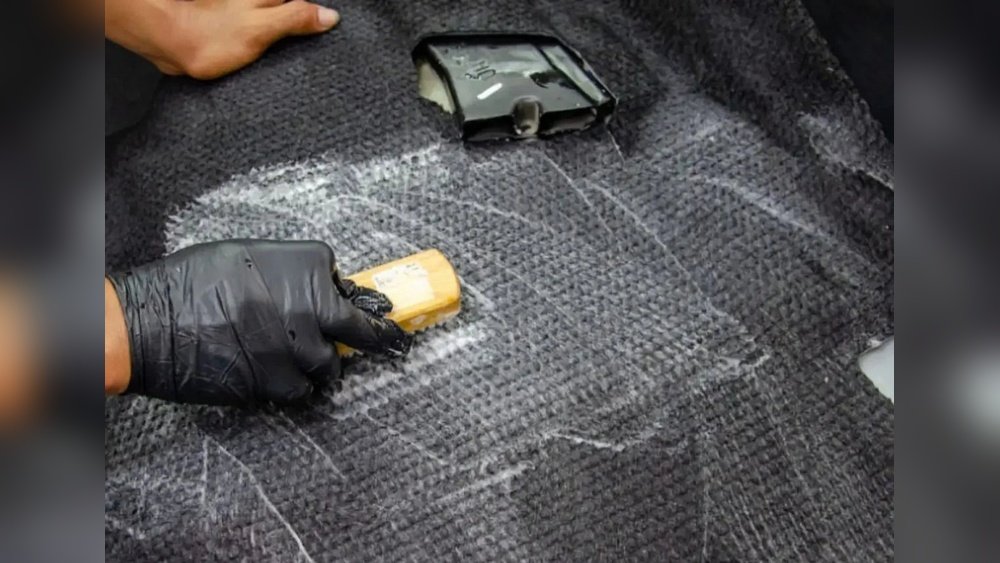
Scrape Adhesive And Staples
Use a floor scraper to remove leftover adhesive and staples. Scrape gently but firmly to avoid damaging the subfloor. Removing all glue and metal pieces creates a smooth surface. This step prevents bumps or uneven spots later on.
Inspect Subfloor For Damage
Look closely at the subfloor for cracks, rust, or holes. Check for any soft or weak areas by pressing lightly. Fix damaged spots before installing new carpet or mats. A strong subfloor improves safety and durability for your Jeep.
Safety Tips
Safety is the first priority when removing your Jeep Wrangler carpet. The process can expose you to sharp objects, dust, and debris. Proper precautions help prevent injuries and keep the work clean.
Wearing the right protective gear reduces risks and makes the task easier. Follow these essential safety tips before starting your carpet removal.
Wear Gloves And Mask
Use sturdy gloves to protect your hands from sharp staples and tack strips. Gloves also prevent cuts and scrapes from rough carpet edges.
A mask is important to avoid breathing in dust and dirt. Removing old carpet often stirs up particles that can irritate your lungs. A simple dust mask or respirator works well.
Protect Eyes From Debris
Safety glasses shield your eyes from flying debris and dust. Tiny particles can cause irritation or injury during carpet removal.
Choose well-fitting glasses or goggles to keep your eyes safe. This protection is especially important when pulling staples or using tools like pry bars.
Disposal And Cleanup
Disposal and cleanup are essential after removing your Jeep Wrangler carpet. Proper handling keeps your workspace safe and tidy. It also helps prepare your vehicle for the next step, whether installing new flooring or cleaning the interior.
Removing carpet leaves behind bulky materials and sharp objects. These must be handled carefully to avoid injury and mess. Follow these steps to dispose of all parts efficiently and safely.
Bag Carpet And Padding
Roll the carpet strips tightly to save space. Use strong trash bags to hold the rolled carpet. Seal the bags with tape to prevent dirt from spilling out.
Next, collect the padding or underlay. Roll and bag it like the carpet. Padding can hold moisture and dirt, so bagging keeps your vehicle clean.
Dispose Of Tack Strips Safely
Tack strips have sharp nails that can cause injury. Use gloves to handle them carefully. Wrap the strips in old cloth or cardboard to cover nails.
Secure the wrapping with tape. This prevents accidental cuts during trash disposal. Dispose of them in a rigid container if local rules require it.

Credit: www.youtube.com
Frequently Asked Questions
What Is The Easiest Way To Remove Carpet?
The easiest way to remove carpet is to pull it from a corner using pliers, cut into strips, roll, then remove padding and tack strips carefully. Wear gloves and safety gear to protect from dust and sharp objects. Dispose of materials properly.
What Year To Avoid A Jeep Wrangler?
Avoid Jeep Wrangler models from 2007 to 2011 due to frequent complaints and safety recalls. The 2008 and 2010 models had the most issues.
What Is The Process Of Removing Carpet?
To remove carpet, start by pulling it from a corner using pliers. Cut into strips with a utility knife. Roll and bag each strip. Remove padding and tack strips using a pry bar. Finally, scrape the floor to clear adhesive or staples.
Wear protective gear throughout.
What Is The Best Tool For Removing Carpet?
The best tool for removing carpet is a utility knife for cutting, pliers or staple puller for pulling, and a pry bar for tack strips. A floor scraper helps remove stubborn padding and adhesive. These tools make carpet removal efficient and safe.
Conclusion
Removing your Jeep Wrangler carpet is simple with clear steps. Start by pulling the carpet from a corner using pliers. Cut the carpet into smaller strips for easier handling. Roll each strip tightly and bag it for disposal. Don’t forget to remove the padding and tack strips carefully.
Use a scraper to clean leftover glue or staples on the floor. Wear gloves and safety gear to protect yourself. Follow these steps, and your Jeep will be ready for new flooring in no time. This task saves money and lets you customize your ride easily.