How to Drive Stick Shift Jeep: Master Manual Driving Easily
 Reading Time: 9 minutes
 Learning how to drive a stick shift Jeep can feel like a challenge at first, but once you get the hang of it, it’s an incredibly rewarding experience. If you’re ready to take full control of your Jeep and enjoy the power of a manual transmission, this guide is made just for you.
You’ll discover simple, step-by-step instructions that will help you master clutch control, gear shifting, and smooth starts without stalling. Whether you’re driving in busy Austin streets or exploring rugged trails, knowing how to drive a stick shift Jeep gives you confidence and freedom behind the wheel.
Keep reading, and you’ll be shifting gears like a pro in no time.
Stick Shift Basics
Driving a stick shift Jeep requires learning some basic controls first. Understanding the pedals and gear shifter helps you operate the vehicle smoothly. This section explains the key parts you will use to drive a manual Jeep.
Focus on the clutch, gas, and brake pedals, the gear shifter layout, and how to find the clutch bite point. Practice these well to avoid stalling or jerky movements.
Clutch, Gas, And Brake Pedals
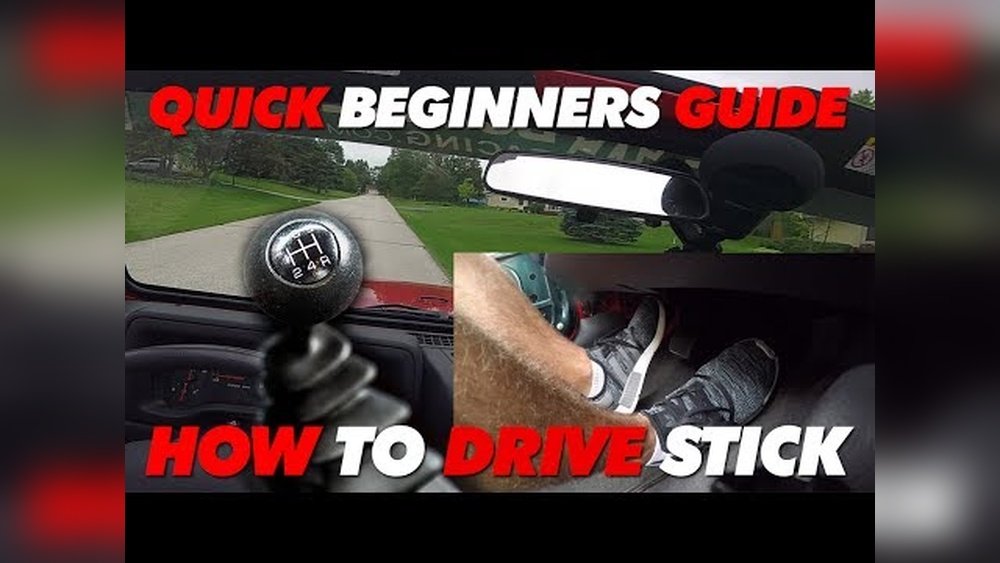
The clutch pedal is on the far left. Press it to change gears. The gas pedal is on the far right. Use it to increase speed. The brake pedal is between the clutch and gas. Press it to slow down or stop. Your left foot controls the clutch. Your right foot controls gas and brake pedals.
Gear Shifter Layout
The gear shifter usually has a simple layout. First gear is at the top left. Second gear is straight down from first. Third and fourth gears are to the right. Fifth gear is often at the top right. Reverse gear might need you to push down or pull up on the shifter. Learn your Jeep’s gear pattern before driving.
Finding The Clutch Bite Point
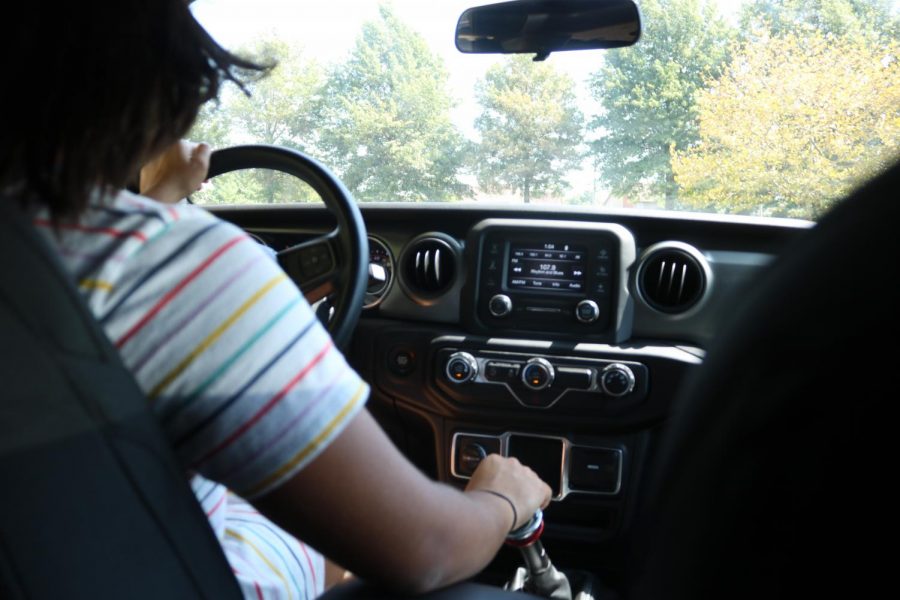
The clutch bite point is where the Jeep starts to move as you release the clutch. Slowly lift your left foot off the clutch pedal. Feel when the Jeep begins to roll forward. Hold the clutch steady at this point while gently pressing the gas pedal. Practice this to start smoothly without stalling. This skill is key to driving a stick shift Jeep well.
Credit: pldlamplighter.org
Starting Your Jeep
Starting your stick shift Jeep is the first step to a smooth driving experience. This process requires attention and control over the clutch, brake, and gear shifter. Learning to start correctly helps prevent stalling and builds confidence. Follow these simple steps to get your Jeep moving.
Pressing Clutch And Brake
Press the clutch pedal fully with your left foot. This disconnects the engine from the wheels. Keep your right foot on the brake pedal to stop the Jeep from rolling. Both pedals must be pressed before you start the engine. This step ensures safety and control.
Starting The Engine
Turn the ignition key or press the start button while holding the clutch and brake. The engine will start without any load from the transmission. Keep the clutch and brake pressed until the engine runs smoothly. This prevents the Jeep from moving unexpectedly.
Engaging First Gear
Move the gear shifter into first gear while the clutch is still pressed. Slowly release the brake pedal with your right foot. Gently lift your left foot off the clutch until you feel the “bite point.” This is when the engine and wheels begin to connect. Apply light pressure on the gas pedal as you release the clutch fully.
Getting Moving Smoothly
Getting moving smoothly in a stick shift Jeep requires good coordination of the clutch and gas pedals. Starting out too fast or too slow can cause the Jeep to stall or jerk. The key is to find the right balance between releasing the clutch and applying gas. This section explains simple steps to start your Jeep gently and confidently.
Releasing The Clutch Slowly
Press the clutch pedal all the way down before shifting into first gear. Slowly lift your foot off the clutch pedal. Feel for the “bite point” where the Jeep begins to move. At this point, pause briefly to avoid sudden jerks. Releasing the clutch too fast can stall the engine or cause a rough start.
Applying Gas Gently
As you release the clutch, gently press the gas pedal with your right foot. Apply just enough gas to keep the engine running smoothly. Too much gas can cause the Jeep to lurch forward. Too little gas can make it stall. Practice this balance in a safe, open space until it feels natural.
Avoiding Stalls
Stalls happen when the clutch is released too quickly or gas is not applied enough. If the engine stalls, press the clutch and brake, then restart the engine. Keep calm and try again. Smooth starts come with practice and patience. Focus on slow clutch release and steady gas application to avoid stalls.

Credit: www.youtube.com
Shifting Gears
Shifting gears in a stick shift Jeep is a key skill for smooth driving. It requires timing and coordination between the clutch and the gear shifter. Proper gear changes keep your Jeep running efficiently and prevent engine strain. Understanding when and how to shift makes your ride safer and more enjoyable.
When To Change Gears
Change gears based on engine sound and speed. Shift up as the engine revs higher to avoid damage. Shift down when the Jeep slows or climbs hills. Listen for engine noise; a loud roar means it’s time to shift up. If the engine struggles or slows, shift down to gain power.
Downshifting Techniques
Downshifting helps control speed, especially downhill or in rough terrain. Press the clutch fully before moving the shifter to a lower gear. Match the engine speed by gently pressing the gas while releasing the clutch. This prevents jerks and keeps the Jeep steady. Practice smooth downshifts to improve control.
Using The Gear Shifter Properly
Hold the gear shifter firmly but relaxed. Push the clutch pedal fully before changing gears. Move the shifter smoothly into the next gear without forcing it. Avoid resting your hand on the shifter while driving. This can wear the transmission over time. Focus on precise, calm movements for better gear changes.
Stopping And Parking
Stopping and parking a stick shift Jeep require careful coordination of the clutch, brake, and gear shifter. Proper technique prevents stalling and keeps the vehicle secure. Practice these steps to ensure safe and smooth stops and parking maneuvers.
Using Clutch And Brake Together
Press the clutch pedal fully before applying the brake. This disconnects the engine from the wheels. It prevents the Jeep from stalling as you slow down. Keep both pedals pressed until the Jeep nearly stops. Release the brake gently to avoid jerky stops. This balance helps maintain control and safety.
Shifting To Neutral
Once stopped, move the gear shifter into neutral. This frees the engine from the drivetrain. You can release the clutch pedal now without stalling the Jeep. Neutral also prepares the vehicle for parking or waiting at a light. Hold the brake to keep the Jeep still if on a slope.
Securing The Jeep
After shifting to neutral, apply the parking brake firmly. This locks the rear wheels to prevent rolling. On steep hills, turn the front wheels toward the curb. This adds extra safety against movement. Finally, turn off the engine and remove your foot from the pedals. Your Jeep is now safely stopped and parked.
Driving In Different Conditions
Driving a stick shift Jeep requires adapting to various road and weather conditions. Each setting calls for different techniques and gear choices. Understanding these differences helps you control the vehicle better. It keeps you safe and improves your Jeep’s performance.
Dry Road Settings
On dry roads, use normal driving gear patterns. Start in first gear and shift smoothly up as speed increases. Keep the clutch control precise to avoid jerky movements. Maintain steady acceleration to ensure a comfortable ride. Use higher gears on highways to save fuel and reduce engine wear. Stay alert and ready to downshift if you need more power.
Handling Slippery Surfaces
Slippery roads need careful clutch and throttle use. Rain, ice, snow, or loose gravel reduce traction. Drive slowly and avoid sudden moves. Use higher gears to reduce wheel spin. Ease off the clutch gently to avoid stalling or skidding. Brake softly and give more space to other vehicles. Keep the steering smooth and steady to maintain control.
Off-road And Extreme Terrain Tips
Off-road driving demands low gears and careful clutch use. Choose first or second gear for better torque. Use the clutch and throttle to control slow movements over rocks or mud. Avoid riding the clutch; use it only to balance speed. Engage 4WD if available for extra traction. Approach hills slowly and maintain momentum without sudden acceleration. Always watch the terrain and adjust your speed to match obstacles.
Jeep-specific Driving Tips
Driving a stick shift Jeep offers a unique experience that blends control and adventure. Jeep models have specific features and quirks that affect how you drive them. Understanding these details helps you drive smoothly and safely on all terrains. Here are some Jeep-specific driving tips to improve your manual driving skills.
Avoid Riding The Clutch
Riding the clutch means keeping your foot partially on the clutch pedal. This causes extra wear on the clutch parts. In a Jeep, the clutch can be sensitive, so avoid resting your foot on it while driving. Use the clutch only when shifting gears or stopping. This practice extends the life of your clutch and keeps your Jeep running well.
Practice In An Empty Lot
Start your learning in a large, empty parking lot. This gives you space to find the clutch’s “bite point” without stress. An empty lot lets you practice starting, stopping, and shifting gears smoothly. Repeating these steps builds confidence. Once comfortable, try driving on gentle roads before moving to hills or rough terrain.
Manual Mode In Modern Jeep Models
Many newer Jeep models offer a manual mode even with automatic transmissions. This mode lets you shift gears using the gear lever or paddle shifters. Manual mode gives more control on hills and off-road trails. It simulates a stick shift feel without a clutch pedal. Use manual mode to enjoy a more engaging drive and better control in tricky conditions.

Credit: amoffroad.com
Frequently Asked Questions
How Do You Drive A Stick Shift Step By Step?
Press clutch and brake pedals, start the car, shift to first gear. Slowly release clutch to the bite point, gently press gas, and accelerate. Shift gears by pressing clutch, moving shifter, then releasing clutch smoothly. Use brake and clutch to stop, shift to neutral.
Practice for smooth control.
Should I Drive My Jeep In 2h Or 4h?
Drive your Jeep in 2H for normal, dry-road conditions to save fuel and reduce wear. Use 4H on slippery or loose surfaces for better traction and control. Switch to 4L only during extreme off-road situations requiring maximum power and torque at low speeds.
How To Put A Jeep In Manual Mode?
To put a Jeep in manual mode, shift from Drive and pull the gear lever toward you one click. This activates manual mode for gear control.
Should My Jeep Be In 4h Or 4l For Snow?
Use 4H for driving on snowy or icy roads at normal speeds to maintain traction. Choose 4L only for deep snow or very slow, technical off-road conditions requiring maximum torque.
Conclusion
Driving a stick shift Jeep takes practice and patience. Start slow and focus on smooth clutch control. Listen to the engine and feel the gear changes. Practice in a safe, open space before hitting busy roads. Soon, shifting gears will feel natural.
Enjoy the unique driving experience only a manual Jeep offers. Keep practicing to build confidence and improve your skills. Driving stick shift can be fun and rewarding with time.