How to Disassemble a Spark Plug: Step-by-Step Easy Guide
 Reading Time: 5 minutes
 If you’ve ever wondered what’s inside a spark plug or need to replace one yourself, knowing how to disassemble a spark plug is a handy skill. Whether you’re a car enthusiast or just want to save money on repairs, this simple guide will walk you through the process step-by-step.
You’ll learn the right tools to use, the best techniques to avoid damage, and tips to make the job easier. Keep reading, and soon you’ll feel confident handling spark plugs like a pro!

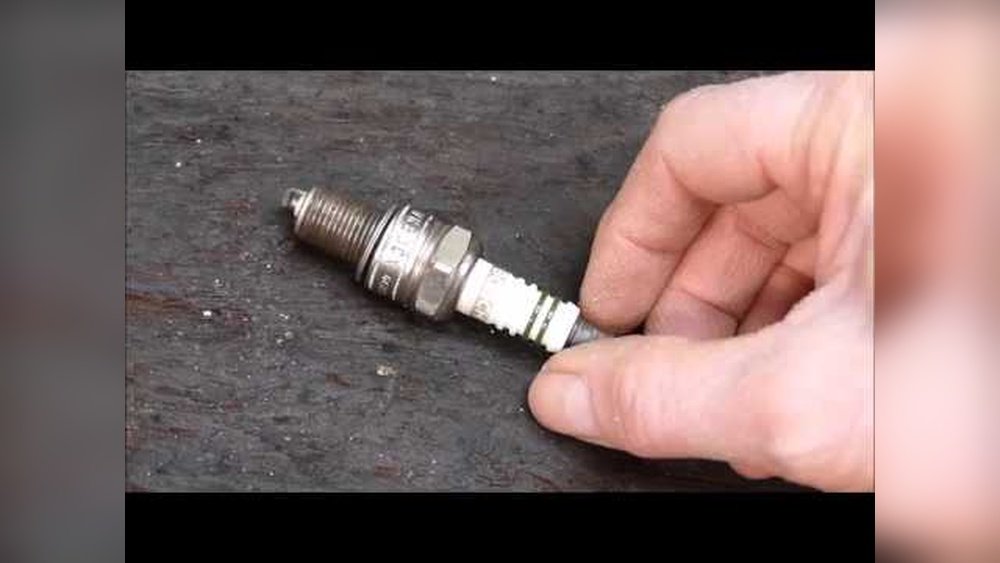
Credit: bobistheoilguy.com
Tools Needed
Disassembling a spark plug requires some basic tools. Having the right equipment makes the task easier and safer. Below are the essential tools you need to prepare before starting.
Socket Wrench And Extensions
A socket wrench is the main tool for removing spark plugs. It provides strong grip and control. Extensions help reach plugs deep inside the engine. Choose a wrench with a comfortable handle for better leverage.
Spark Plug Socket Types
Spark plug sockets come in different sizes and designs. Most common sizes are 5/8 inch and 13/16 inch. Look for a socket with a rubber insert or magnetic feature. This holds the plug securely during removal.
Cleaning Supplies
Cleaning supplies keep the area clean and prevent dirt from entering the engine. Use a small brush or compressed air to clear debris. A clean cloth helps wipe the spark plug and socket.
Penetrating Oil For Stuck Plugs
Penetrating oil loosens spark plugs stuck from rust or dirt. Spray it on the plug threads and wait a few minutes. This reduces the risk of breaking the plug during removal. Always have penetrating oil handy for tough plugs.
Credit: www.championautoparts.com
Preparing The Spark Plug
Removing the spark plug is the first step in disassembling it properly. This task requires careful handling and the right tools. A clean workspace and patience will help avoid damage to the spark plug or the engine.
Start by preparing the tools and positioning yourself for easy access to the spark plug. Follow the steps below to remove the spark plug safely and efficiently.
Attaching The Socket And Ratchet
Select the correct spark plug socket that fits snugly over the plug. Attach this socket to a ratchet wrench. Ensure the socket grips the spark plug firmly to avoid slipping. This setup provides the leverage needed to loosen the spark plug.
Turning Counter-clockwise
Place the socket over the spark plug carefully. Turn the ratchet handle slowly in a counter-clockwise direction. Use steady pressure to break the plug loose from the engine. Continue turning until the spark plug is free and can be removed by hand.
Handling Stuck Or Broken Plugs
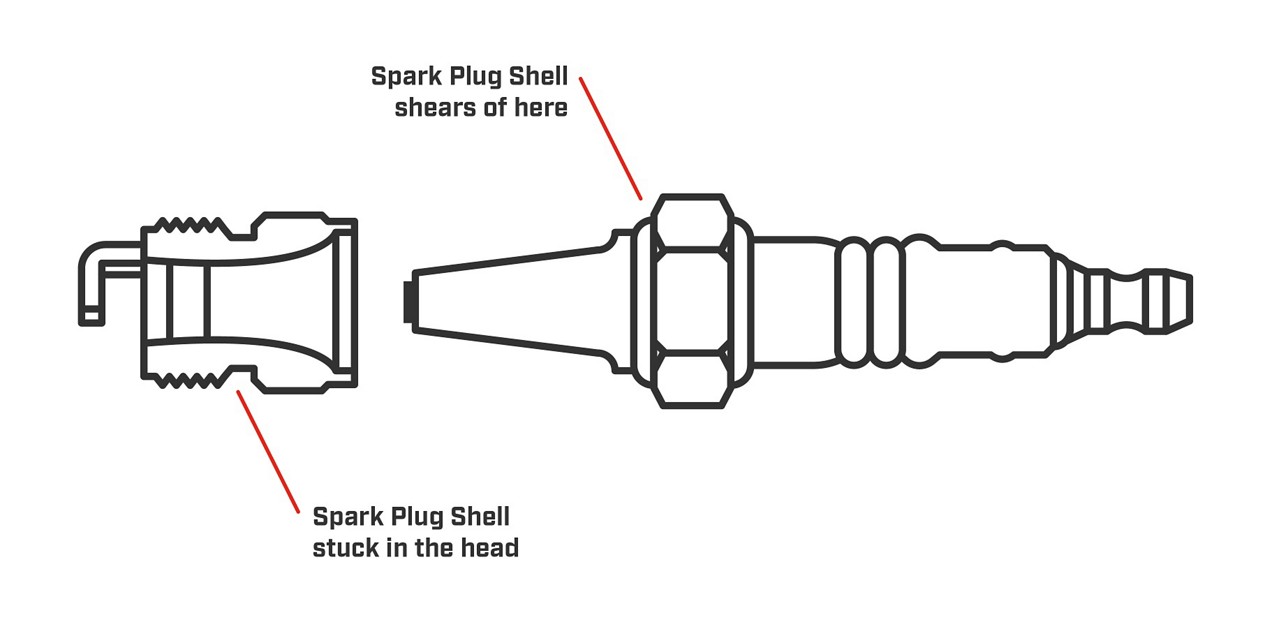
Stuck spark plugs require extra care. Spray penetrating oil around the plug and wait a few minutes. Use gentle, steady pressure to avoid breaking the plug. If the plug breaks, use a spark plug extractor tool. Work slowly to remove broken parts without damaging the threads.
Removing The Spark Plug
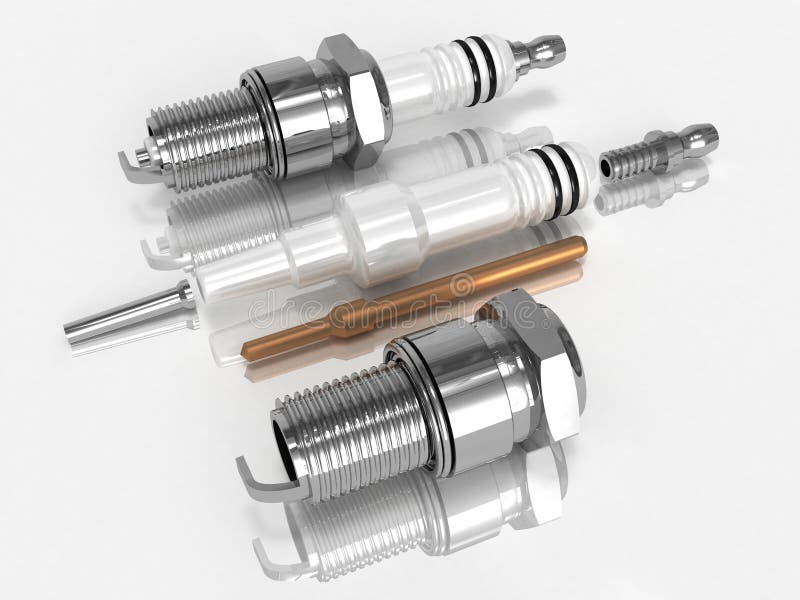
Disassembling a spark plug requires care and attention to avoid damage and ensure safety. Following essential tips and safety precautions helps protect both the spark plug and yourself. Simple habits make the process smoother and reduce risks.
Avoiding Damage During Removal
Turn off the engine and let it cool completely before starting. Hot parts can cause burns and damage. Use gentle force when loosening the spark plug. Avoid twisting or pulling too hard to prevent breaking the plug or damaging threads. Clean the area around the spark plug to keep dirt away. This prevents debris from falling into the engine.
Protecting Against Dirt And Debris
Cover the spark plug hole with a clean cloth or tape before removal. This blocks dirt and small particles from entering the cylinder. Clean the spark plug surface with a brush before disassembly. Use compressed air to blow away dust and debris. Keeping the area clean protects engine parts and maintains performance.
Using Proper Tools And Techniques
Select the right spark plug socket and ratchet for your vehicle. A socket with a rubber insert holds the plug securely without damage. Avoid using pliers or adjustable wrenches that can crush the plug. Turn the socket counterclockwise slowly and steadily to loosen the plug. Use a torque wrench when reassembling to tighten it to the correct specification. Proper tools and techniques prevent damage and ensure a safe job.
Credit: www.dreamstime.com
Frequently Asked Questions
How To Open A Spark Plug?
Disconnect the ignition wire by gently pulling the boot. Use a spark plug socket and ratchet to turn the plug counter-clockwise. Remove the spark plug carefully to avoid breakage. Clean the spark plug well and inspect the removed plug.
How To Get Broken Spark Plug Threads Out?
Use penetrating oil to loosen corrosion first. Then, gently extract broken threads with a long spark plug extractor or left-hand drill bit. Avoid forcing to prevent damage.
How To Open A Spark Plug Gap?
Use a spark plug gap tool to gently pry the electrode apart. Insert the tool’s edge and lift carefully. Adjust the gap to the recommended size by opening or closing it slightly. Avoid bending the electrode excessively to prevent damage.
Check the gap with a feeler gauge for accuracy.
How To Open Spark Plug Without Socket?
Grip the spark plug with adjustable pliers or a wrench. Turn counter-clockwise carefully. Use penetrating oil if stuck. Avoid excessive force.
Conclusion
Disassembling a spark plug is simple with the right tools and steps. Take your time to avoid damage. Always keep the area clean and work carefully. Practice makes the process easier and faster. Proper spark plug care helps your engine run smoothly.
Now you have the basics to do it yourself. Stay safe and enjoy your handiwork!