
How to Clean Out Spark Plug Wells: Easy Steps for a Perfect Fix
 Reading Time: 7 minutes
 If you’ve ever noticed oil, dirt, or grime building up around your spark plug wells, you know it can be a real headache. Dirty spark plug wells don’t just look messy—they can cause misfires, reduce engine performance, and even lead to costly repairs if left unchecked.
But cleaning them out doesn’t have to be a frustrating or complicated task. In this guide, you’ll learn simple, step-by-step methods to clean your spark plug wells safely and effectively, using tools you probably already have. Keep reading to discover how a little care can keep your engine running smoothly and save you money in the long run.

Credit: mechanics.stackexchange.com
Tools Needed
Cleaning out spark plug wells requires a few simple tools. These tools help remove dirt, oil, and debris safely. Using the right equipment makes the job easier and protects the engine from damage. Below are the essential tools needed for a clean and effective process.
Vacuum And Hose
A vacuum with a narrow hose is perfect to remove loose dirt and dust. It helps suck out debris without pushing it deeper. A small plastic or rubber tube attached to the hose can reach tight spaces. This step prevents dirt from falling into the cylinder when removing spark plugs.
Brake Cleaner And Solvent
Brake cleaner dissolves grease and oil inside the wells. Spray it carefully to avoid excess liquid entering the engine. Solvents break down stubborn grime and make cleaning easier. Use a rag or brush to wipe the walls after applying the cleaner.
Compressed Air
Compressed air blasts away loosened dirt and moisture. Always cover the spark plug hole with a rag before blowing air. This prevents contaminants from entering the engine. Compressed air also helps dry the area after cleaning.
Brushes And Rags
Soft brushes reach into corners to scrub away buildup. Use nylon or small wire brushes made for automotive cleaning. Rags help wipe off loosened dirt and excess solvent. Keep them clean to avoid adding more debris to the wells.
Removing Loose Debris
Removing loose debris from spark plug wells is the first step in keeping your engine clean. Dirt, dust, and small particles can gather around the spark plug area. This debris can cause problems if it falls into the cylinder. Cleaning out this loose material helps maintain engine health and performance. Use simple tools to remove dirt before deeper cleaning.
Vacuuming First
Start by using a shop vacuum with a narrow hose attachment. Place the hose near the spark plug well and gently suck out loose dirt and dust. This method captures debris without pushing it further inside. For better reach, tape a small plastic or rubber tube to the vacuum hose. Vacuuming first reduces the risk of debris falling into the engine.
Using Compressed Air
After vacuuming, use compressed air to blow out remaining particles. Cover the spark plug hole with a rag to prevent debris from entering the engine. Aim the air nozzle carefully around the well. This step clears hard-to-reach dirt and dust. Compressed air also helps dry the area before using cleaning solutions.
Greased Brush Technique
Apply a small amount of grease to a soft brush or cloth. Use this greased brush to gently sweep loose debris from the walls of the spark plug well. The grease traps dirt and prevents it from spreading. This technique is effective for sticky or oily residues. Clean the brush frequently to avoid reintroducing dirt.
Cleaning Oil And Gunk
Cleaning oil and gunk from spark plug wells is essential to keep your engine running smoothly. Oil leaks and dirt buildup can cause misfires and damage. Removing this grime prevents future problems and keeps the wells dry and clean. Follow these simple steps to clean out the oil and gunk effectively.
Soaking With Penetrating Oil
Start by applying penetrating oil into the spark plug well. Use a small amount to avoid excess dripping. Let the oil soak for 10 to 15 minutes. The oil helps break down thick gunk and stuck debris. This step loosens the grime for easier removal.
Wiping And Soaking Walls
Next, use a clean cloth or rag to wipe the walls inside the well. Rotate the rag to pick up oil and dirt. For stubborn spots, apply more penetrating oil and let it soak again. Repeat wiping until the walls look cleaner. Avoid pushing dirt deeper into the well.
Blowing Dry
Use compressed air to blow out loosened oil and dirt. Cover the spark plug hole with a rag or your finger to protect the engine. Blow air into the well carefully to remove moisture and debris. This drying step prevents oil from entering the cylinder.
Repeating The Process
Repeat soaking, wiping, and blowing dry until the spark plug well is clean. Multiple rounds may be needed for heavy buildup. Take your time for a thorough clean. A clean well ensures better spark plug performance and engine health.

Credit: www.youtube.com
Safety Precautions
Cleaning spark plug wells requires care to avoid damage or injury. Following safety precautions protects you and your engine. Take simple steps to ensure a safe cleaning process. Never skip safety checks before starting.
Use proper tools and work methodically. A safe workspace prevents accidents and helps you clean efficiently. Pay attention to engine condition and your surroundings.
Working On A Cool Engine
Always clean spark plug wells when the engine is cool. Hot parts can cause burns or damage tools. Wait at least 30 minutes after turning off the engine. This reduces the risk of injury and prevents heat damage.
Protecting The Engine
Cover the spark plug holes with a clean cloth or tape. This stops dirt and liquids from entering the engine cylinders. Avoid using too much liquid cleaner. Excess fluid can cause engine problems later.
Ensuring Good Ventilation
Work in a well-ventilated area to avoid inhaling fumes. Brake cleaner and solvents can release harmful vapors. Open doors or windows and use fans if needed. Keep children and pets away from the workspace.
Checking Spark Plug Boots
Inspect spark plug boots for cracks or wear before cleaning. Damaged boots can let dirt or moisture inside. Replace old boots to maintain engine performance. Handle boots gently to avoid tearing them during cleaning.
Tips For Best Results
Cleaning out spark plug wells requires care and attention. Small mistakes can cause dirt or moisture to enter the engine. Follow these tips for the best results. They help keep your engine safe and ensure a clean, smooth process.
Covering Spark Plug Holes
Always cover spark plug holes before cleaning. Use a clean rag or tape. This stops dirt and liquids from entering the cylinder. Protecting the engine is key to prevent damage or poor performance.
Avoiding Contaminants
Keep the work area free of dust and debris. Use a vacuum or compressed air to remove loose particles. Clean tools and rags help avoid adding new contaminants. Clean in a well-lit, dry place for better control.
Proper Disposal Of Waste
Dispose of used brake cleaner, oily rags, and debris safely. Follow local regulations for hazardous waste. Do not pour chemicals down drains or on soil. Proper disposal protects the environment and your health.
Inspecting For Damage
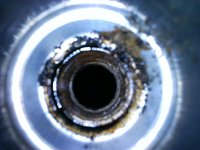
Check spark plug wells and surrounding areas for cracks or rust. Inspect spark plugs for wear or corrosion. Replace damaged parts immediately. Early detection prevents costly repairs and keeps the engine running well.
Credit: www.500eboard.co
Frequently Asked Questions
How To Clean Inside Of Spark Plug Well?
Remove loose debris with a vacuum or hose. Apply brake cleaner or solvent using a rag or brush. Wipe the walls thoroughly. Blow dry with compressed air while covering the hole to prevent contamination. For oil, soak with penetrating cleaner, then vacuum or air dry until clean.
Can You Spray Brake Cleaner In Spark Plug Well?
Yes, you can spray brake cleaner in a spark plug well carefully. Avoid letting liquid enter the cylinder. Always cover the hole and work on a cool engine. Use compressed air to dry and remove loosened debris after cleaning.
How To Clean Gunk From A Plug Hole?
Remove loose debris with a vacuum or hose. Apply brake cleaner or solvent using a rag or brush. Wipe thoroughly, then dry with compressed air. Cover the hole to prevent debris falling inside. Repeat if oily gunk persists, ensuring the engine is cool and well-ventilated.
Can I Spray Carb Cleaner Into A Spark Plug Hole?
Spraying carb cleaner into a spark plug hole risks damaging the engine. Use brake cleaner and a vacuum instead. Always protect the cylinder from debris.
Conclusion
Cleaning spark plug wells protects your engine from dirt and damage. Start by removing loose debris with a vacuum or compressed air. Use brake cleaner and a brush to wipe away stubborn grime. For oily wells, soak and wipe carefully to avoid pushing oil inside.
Always keep the area dry before reinstalling spark plugs. Regular cleaning keeps your car running smoothly and extends spark plug life. Simple steps, big benefits. Keep your spark plug wells clean for better engine health.