How to Check Coolant Level Jeep Grand Cherokee: Easy Step-by-Step Guide
 Reading Time: 7 minutes
 Is your Jeep Grand Cherokee running hotter than usual? It might be time to check your coolant level.
Keeping your coolant at the right level is essential to prevent engine overheating and costly repairs. But how do you quickly and safely check the coolant in your Jeep? This guide will walk you through simple, step-by-step instructions so you can protect your vehicle and drive with confidence.
By the end, you’ll know exactly what to look for, how to spot warning signs, and what to do if your coolant is low. Let’s dive in and keep your Jeep running smoothly.

Credit: www.youtube.com
Locate Coolant Reservoir
Locating the coolant reservoir in your Jeep Grand Cherokee is the first step to checking the coolant level. This part holds the antifreeze that keeps your engine cool. Knowing its exact spot helps you inspect and refill it easily. This section guides you through finding the reservoir safely and quickly.
Open Jeep Hood Safely
Park your Jeep on a flat surface and turn off the engine. Wait for the engine to cool down to avoid burns. Locate the hood release lever inside the vehicle, usually under the dashboard. Pull the lever to unlock the hood. Move to the front of the Jeep and find the secondary latch under the hood’s edge. Lift the hood slowly and secure it with the prop rod.
Identify Reservoir Position
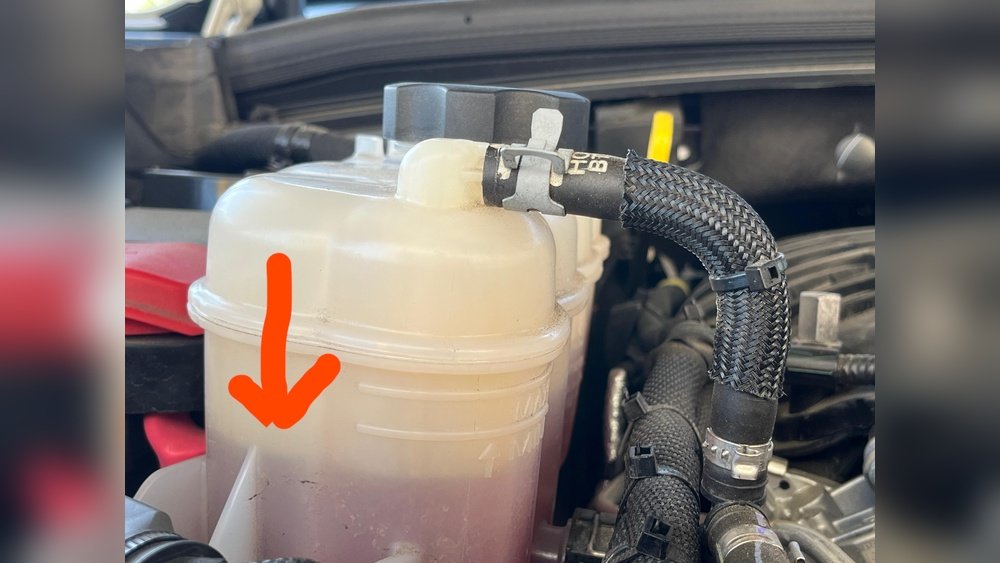
The coolant reservoir is a translucent plastic tank near the engine. Look for a container with “min” and “max” marks on the side. It often has a colored cap, sometimes labeled “coolant” or “engine coolant.” On a Jeep Grand Cherokee, it usually sits on the passenger side of the engine bay. Spotting this reservoir helps you check the fluid level clearly.
Check Coolant Level
Checking the coolant level in your Jeep Grand Cherokee is essential to keep the engine running smoothly. Coolant helps prevent overheating and protects the engine from damage. Regular checks ensure your vehicle stays reliable and safe on the road.
Always check the coolant level when the engine is cool. Opening the coolant reservoir or radiator cap when hot can cause burns from escaping steam or hot fluid. Use a clean cloth to wipe the reservoir before inspecting the level.
Read Minimum And Maximum Marks
Locate the coolant reservoir under the hood. It is usually a translucent plastic tank with markings on the side. Look for the minimum and maximum level lines.
The coolant level should be between these two marks. If the fluid is below the minimum line, it needs to be topped up. Avoid overfilling beyond the maximum mark, as it can cause pressure problems.
Inspect Fluid Color And Clarity
Check the coolant’s color through the reservoir. It should be bright and clear, often green, orange, or pink depending on your Jeep’s coolant type. Cloudy or rusty fluid indicates contamination or old coolant.
If the coolant looks dirty or has particles, consider having it replaced. Clear and clean coolant helps the engine cool effectively and prevents corrosion inside the cooling system.
Add Coolant If Needed
Adding coolant to your Jeep Grand Cherokee is important when the level is low. Coolant helps the engine stay cool and avoid overheating. You need to add the right coolant carefully to keep your vehicle safe and running well. Follow these steps to add coolant correctly.
Choose Correct Coolant Type
Use the coolant type recommended in your Jeep’s owner manual. Jeep Grand Cherokees usually need specific coolant formulas. Using the wrong type can cause engine damage or reduce cooling performance. Buy coolant that matches your Jeep’s model year and engine type. Check the label to be sure.
Mix Coolant Properly
Some coolants come pre-mixed, but others need water added. Use clean distilled water to mix with concentrated coolant. The common mix ratio is 50% coolant and 50% water. Mixing properly ensures the coolant works well and prevents freezing or boiling. Avoid using tap water as it can cause deposits inside the engine.
Pour Coolant Safely
Let the engine cool down before opening the coolant reservoir. Opening it when hot can cause burns from steam or hot fluid. Slowly pour the coolant into the reservoir up to the maximum fill line. Do not overfill, as the coolant expands when hot. Secure the cap tightly after filling to avoid leaks.

Credit: www.4xeforums.com
Signs Of Low Coolant
Recognizing the signs of low coolant in your Jeep Grand Cherokee helps avoid engine damage. Coolant keeps the engine at the right temperature. Without enough coolant, the engine can overheat quickly. Watch for early warning signs to act fast and keep your vehicle safe.
Temperature Gauge Behavior
The temperature gauge shows engine heat levels. If the needle moves toward the red zone, coolant might be low. A sudden rise in temperature means the engine is not cooling properly. Check the coolant level immediately to prevent overheating.
Dashboard Warning Lights
Warning lights on the dashboard alert you to problems. A thermometer icon or engine light may turn on. These lights warn of low coolant or overheating. Do not ignore these signals; they mean the engine needs attention.
Steam Or Sweet Smell
Steam coming from under the hood is a clear sign. It means coolant is leaking or boiling off. A sweet smell inside or outside the car also indicates antifreeze leaks. Both signs need immediate inspection and repair.
Heater Performance Issues
The heater uses hot coolant to warm the cabin. If the heater blows cold air, coolant may be low. Insufficient coolant means less heat reaches the heater core. This problem signals a coolant system issue that requires checking.
Visible Leaks
Look under your Jeep for puddles of colored liquid. Coolant can be green, orange, or pink. Any leak means coolant is escaping and the level will drop. Find and fix leaks quickly to keep your engine safe.
Safety Tips
Checking the coolant level in your Jeep Grand Cherokee is essential for keeping the engine safe and running smoothly. Following safety tips helps avoid injuries and damage during this simple task. Always handle coolant carefully and respect the engine’s heat.
Let Engine Cool Before Checking
Never open the coolant reservoir or radiator cap when the engine is hot. Hot coolant can spray out and cause burns. Wait at least 30 minutes after turning off the engine. This allows the coolant to cool down and pressure to drop. Checking when cool keeps you safe.
Avoid Overfilling
Fill the coolant only up to the maximum mark on the reservoir. Overfilling can cause leaks or damage to the cooling system. Too much coolant puts extra pressure on hoses and seals. Use a clean funnel and pour slowly to control the amount added.
Wear Protective Gear
Wear gloves and safety glasses while checking or adding coolant. Coolant is toxic and can irritate your skin and eyes. Use old clothes in case of spills. Proper gear protects you from harmful chemicals and unexpected splashes.
When To Seek Professional Help
Knowing when to seek professional help for your Jeep Grand Cherokee’s coolant system is crucial. Some issues may seem minor but can lead to serious engine damage. Recognize the signs that need expert attention to keep your vehicle running smoothly and safely.
Persistent Low Coolant Levels
Consistently low coolant levels may indicate a hidden problem. A simple refill is not enough if the coolant drops repeatedly. This could be a sign of a damaged radiator, faulty thermostat, or internal leaks. A mechanic can perform a pressure test to find the exact cause and fix it properly.
Coolant Leaks
Spotting coolant leaks under your Jeep is a warning sign. Leaks reduce coolant and can overheat the engine. Some leaks are visible as puddles or wet spots. Others may be hidden inside the engine compartment. A professional can locate and repair leaks to prevent further damage.
Engine Overheating
Engine overheating is a serious issue that requires immediate attention. Overheating can cause engine parts to warp or fail. Warning signs include a high temperature gauge or steam from under the hood. Stop driving and have a technician inspect the cooling system to avoid costly repairs.

Credit: www.reddit.com
Frequently Asked Questions
How Do I Know If My Jeep Coolant Is Low?
Check the coolant reservoir’s fluid level against the “minimum” and “maximum” marks. Low coolant may cause overheating, warning lights, steam, or sweet smells.
Can I Check My Coolant Level Myself?
Yes, you can check your coolant level yourself. Locate the reservoir and ensure the fluid stays between minimum and maximum marks. Always check when the engine is cool to avoid burns. Use the correct coolant type if you need to add any.
What Are The Symptoms Of Low Coolant?
Symptoms of low coolant include a rising temperature gauge, dashboard warning lights, steam from the engine, sweet antifreeze smell, poor heater performance, visible leaks, and engine shutting off.
Is It Okay To Drive With Low Coolant?
Driving with low coolant risks engine overheating and severe damage. Stop immediately, let the engine cool, and refill properly. Always fix leaks promptly.
Conclusion
Checking the coolant level in your Jeep Grand Cherokee keeps the engine safe. Always check the reservoir when the engine is cool. Keep the coolant between the minimum and maximum marks. Use the right coolant type for your vehicle. Regular checks help avoid overheating and costly repairs.
Stay attentive to warning signs like steam or a hot temperature gauge. Simple steps can save your Jeep from serious damage. Take care of your vehicle, and it will take care of you.