How to Align Front Struts: Easy Steps for Perfect Wheel Alignment
 Reading Time: 5 minutes
 If you’ve just replaced your front struts or are planning to, you might wonder why aligning them is so important. Your car’s front struts play a huge role in how smoothly and safely you drive.
Misaligned struts can lead to uneven tire wear, shaky steering, and even costly repairs down the road. But don’t worry—aligning your front struts isn’t as complicated as it sounds. In this guide, you’ll discover simple, effective steps to properly align your front struts and keep your vehicle running smoothly.
Stick with me, and by the end, you’ll know exactly how to get your struts aligned right the first time, saving you time, money, and frustration.

Credit: www.reddit.com
Strut Basics
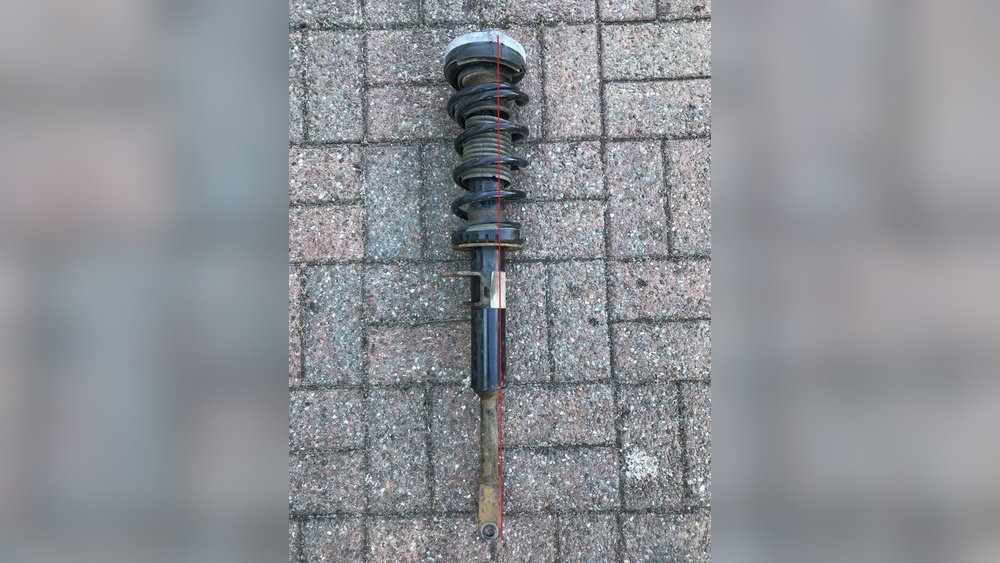
Understanding the basics of front struts helps you maintain your car’s safety and comfort. Struts are key parts of your vehicle’s suspension system. They absorb shocks from the road and support the car’s weight. Knowing how they work makes it easier to see why alignment is crucial.
Role Of Front Struts
Front struts connect the wheels to the car’s frame. They control the up-and-down movement of your wheels. This keeps your ride smooth on rough roads. Struts also help with steering and braking stability. Without good struts, your car feels unstable and hard to control.
When Alignment Matters
Alignment ensures the wheels point in the right direction. After installing or replacing front struts, alignment is important. Misaligned wheels cause uneven tire wear and poor handling. Proper alignment improves fuel efficiency and extends tire life. It also keeps your vehicle driving straight and safe.
Tools Needed
Installing front struts requires care and precision. Mistakes during installation can lead to serious problems. These errors affect vehicle safety, handling, and the lifespan of the parts. Understanding common errors helps avoid costly repairs and ensures a smooth drive.
Incorrect Torque Issues
Using the wrong torque can damage strut bolts or cause them to loosen. Over-tightening stresses parts and may lead to cracks. Under-tightening creates loose connections that affect alignment. Always follow the manufacturer’s torque specifications. Use a reliable torque wrench to get accurate results.
Using Wrong Tools
Wrong tools can damage the strut or surrounding components. Impact guns may break bolts or strip threads. Using improper tools increases installation time and effort. Choose hand tools designed for suspension work. Proper tools protect parts and ensure a secure fit.
Damaging Brake And Abs Lines
Brake and ABS lines run close to struts and need careful handling. Pulling or twisting these lines can cause leaks or failures. Damaged lines compromise braking safety and ABS function. Inspect lines before installation and avoid sharp bends. Secure lines properly to prevent rubbing or tearing.
Improper Spring Handling
Strut springs store a lot of energy and require caution. Incorrect handling may cause the spring to slip or release suddenly. This risks injury and damages parts. Use a spring compressor tool designed for the job. Compress springs evenly and check for wear before installing.
Preparing For Alignment
After installing front struts, some key steps ensure your vehicle runs smoothly. These post-installation tips help maintain alignment and extend strut life. Follow these steps carefully to avoid future issues and keep your ride safe.
Replacing In Pairs
Always replace front struts in pairs. This keeps balance and even wear on both sides. Uneven struts cause poor handling and uneven tire wear. Pair replacement maintains vehicle stability and safety.
Inspecting Joints And Bushings
Check all joints and bushings near the struts. Worn or damaged parts affect alignment and cause noise. Replace any faulty components to support proper strut function. Regular inspection prevents costly repairs later.
Scheduling Professional Alignment
Book a professional alignment after strut installation. Strut replacement changes wheel angles and suspension geometry. A precise alignment restores proper steering and tire contact. Professionals use special tools for accurate adjustment.

Credit: www.youtube.com

Credit: www.youtube.com
Frequently Asked Questions
Do You Must Do Alignment With Front Struts?
Yes, you must perform an alignment after replacing front struts. It ensures proper handling, tire wear, and safety.
Can You Install Struts Incorrectly?
Yes, struts can be installed incorrectly. Mistakes include wrong torque, using improper tools, damaging lines, incorrect orientation, and not replacing in pairs. These errors cause poor handling, noise, premature wear, and safety risks. Always follow proper procedures and use correct tools for safe, effective installation.
Can You Adjust Front Struts?
Yes, you can adjust front struts using alignment bolts or camber kits. Proper tools and knowledge ensure safe, accurate adjustment.
How To Position Struts?
Position struts by aligning mounting points precisely with the vehicle’s frame. Tighten bolts to manufacturer’s torque specs. Use proper tools and replace struts in pairs. Ensure brake lines and ABS wires stay clear. Perform wheel alignment after installation for safe handling and optimal performance.
Conclusion
Properly aligning front struts improves your vehicle’s handling and safety. Check and adjust alignment bolts carefully for best results. Avoid common mistakes like incorrect torque or using wrong tools. Regularly inspect joints and bushings during alignment to prevent issues. Taking time to align front struts ensures smooth driving and longer strut life.
Stay safe by following these steps with attention and care.