How To 4WD Jeep Wrangler 2: Easy Off-Road Guide
 Reading Time: 10 minutes
 Introduction
To put a Jeep Wrangler 2-door into four-wheel drive, first identify its transfer-case controls, then select 4H for loose or slippery surfaces and 4L for slow, high-torque off-road driving. Most Wrangler systems allow shifting between 2H and 4H while moving slowly, while shifting into or out of 4L requires the Jeep to be stopped or moving at a very low speed in neutral.
The Wrangler’s two-door body style does not determine the shifting procedure. The correct method depends on the model year, transfer case, transmission, and whether the Jeep uses a floor shifter or electronic 4WD controls. Always confirm the instructions in the owner’s manual for the specific Wrangler.
Understand the Jeep Wrangler 4WD Modes
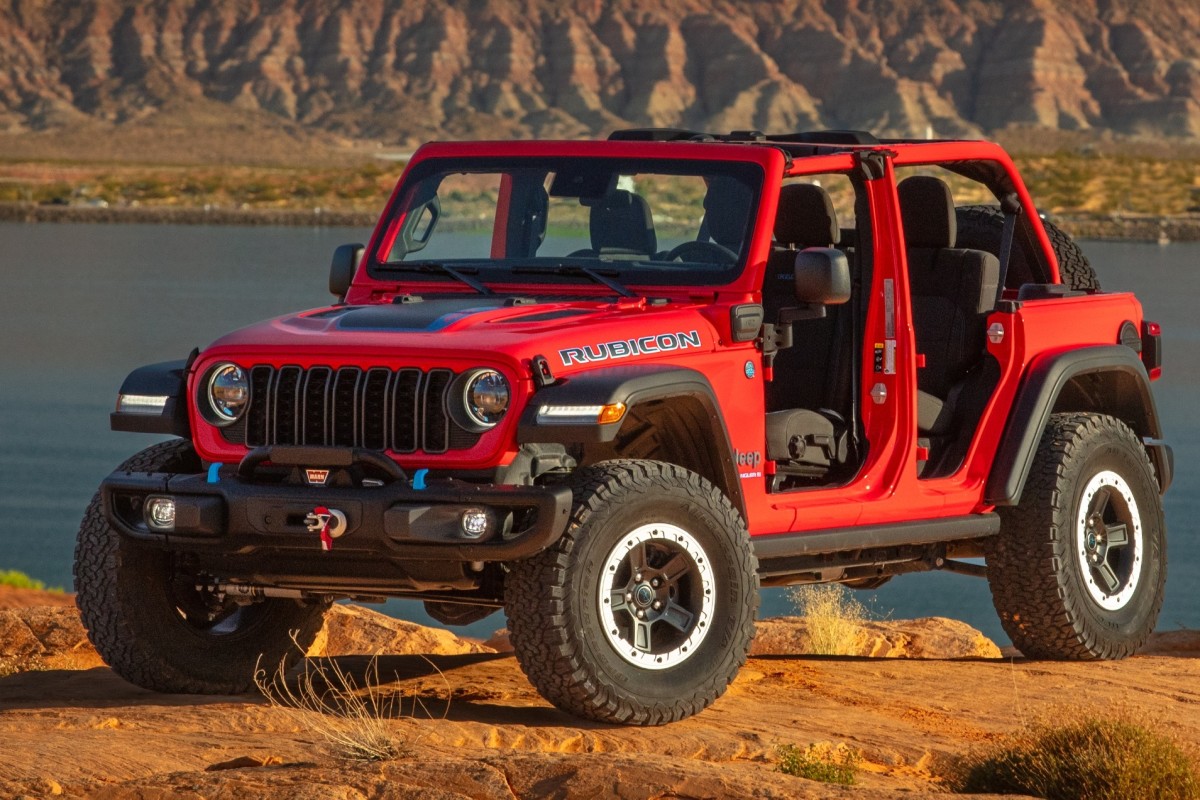
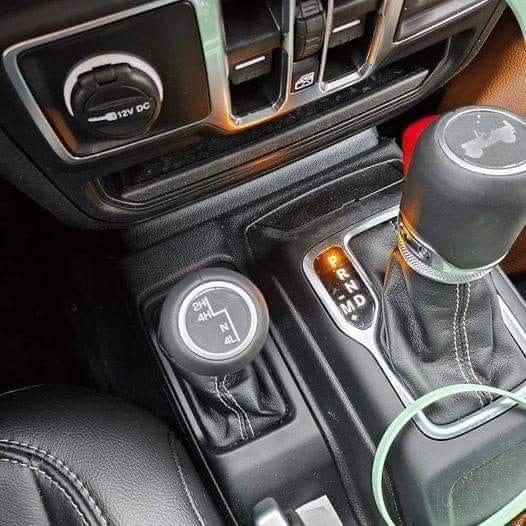
A Wrangler’s transfer case sends engine power to the front and rear axles. The available positions vary, but the most common modes are 2H, 4H, N, and 4L.
| Mode | Meaning | Appropriate use |
|---|---|---|
| 2H | Two-wheel drive, usually rear-wheel drive | Dry pavement and normal road driving |
| 4H Part-Time | Four-wheel drive with a locked front-to-rear connection | Snow, mud, sand, gravel, and other loose surfaces |
| 4H Auto | Automatically manages front-axle engagement on equipped models | Changing traction conditions, including some paved-road situations |
| N | Transfer case neutral | Towing the Jeep with all four wheels on the ground, when approved |
| 4L | Low-range four-wheel drive | Rock crawling, deep mud, steep trails, and controlled slow-speed driving |
4H Part-Time versus 4H Auto
The distinction between these modes is critical:
- 4H Part-Time mechanically couples the front and rear driveshafts. It improves traction on loose surfaces but can cause drivetrain binding on high-traction pavement.
- 4H Auto, available on some Wrangler models with the appropriate Selec-Trac system, can be used when traction conditions vary. The transfer case automatically adjusts front-wheel engagement.
- 4L multiplies torque and reduces vehicle speed at the wheels. It is not simply a stronger version of 4H for highway use.
Do not assume every Wrangler has 4H Auto. A Wrangler equipped with a traditional part-time transfer case may have only 2H, 4H, N, and 4L.
What “2-door” changes
A two-door Wrangler generally has a shorter wheelbase than a four-door Wrangler, which can affect handling on steep approaches, descents, and uneven terrain. However, the 4WD selection procedure is determined by the transfer case—not by the number of doors.
Before shifting, identify:
- The Wrangler’s model year.
- The transmission type.
- The transfer-case name, if shown.
- Whether the Jeep has a floor-mounted transfer-case lever or electronic buttons or switches.
- The exact mode markings beside the control.
How to Shift a Jeep Wrangler Into 4H
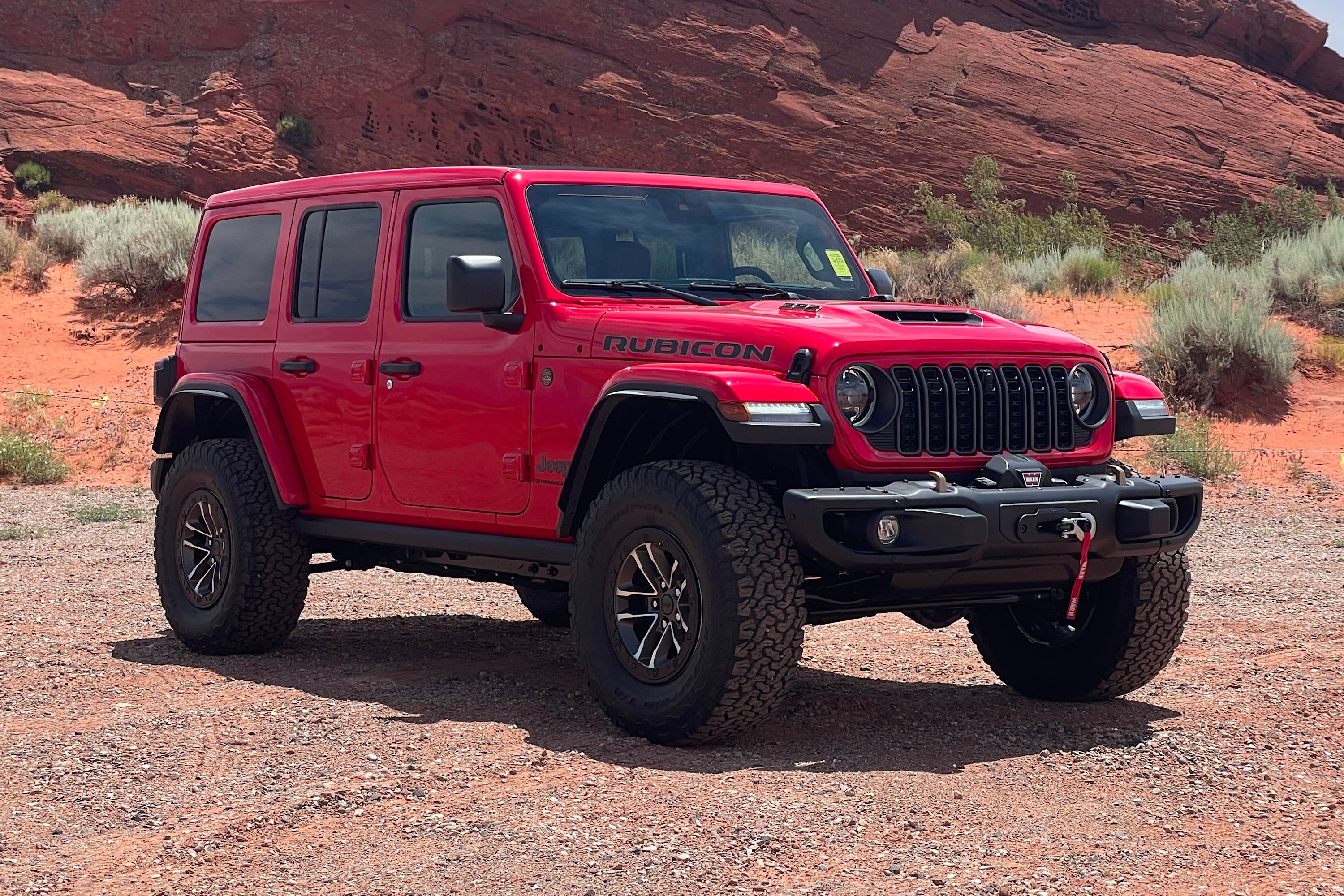
Use 4H when additional traction is needed on snow-covered roads, wet grass, gravel, sand, mud, or an off-road trail. Do not use 4H Part-Time continuously on dry pavement.
Floor-shift transfer case: 2H to 4H
For many Wrangler models with a mechanical transfer-case lever:
- Reduce speed to approximately 2 to 5 mph if conditions permit.
- Keep the Jeep traveling straight.
- Ease off the accelerator.
- Move the transfer-case lever firmly from 2H to 4H.
- Apply light, steady throttle and confirm that the 4WD indicator illuminates.
- Continue driving at a speed suitable for the terrain.
Some Jeep manuals permit shifting from 2H to 4H while moving without stopping. The lever may require a firm movement, but do not force it. If the lever will not engage, slow down further or stop safely and follow the model-specific manual.
Electronic 4WD selector: 2H to 4H
On a Wrangler with an electronic 4WD switch or button:
- Drive at a low, steady speed.
- Release the accelerator.
- Select 4H.
- Wait for the 4WD indicator to stop flashing or confirm engagement on the instrument display.
- Resume gentle acceleration.
The exact switch design varies by model year. Some systems use a rotary selector, while others use push buttons or a separate transfer-case control. The dashboard indicator is useful, but it should not replace the operating instructions in the owner’s manual.
When to select 4H
Select 4H before traction becomes inadequate when possible. It is usually better to engage four-wheel drive before entering deep snow, loose sand, or a muddy section than after the Jeep has already lost momentum.
Use 4H Part-Time only when the tires can slip slightly relative to the surface. Suitable conditions include:
- Packed or loose snow
- Unpaved roads
- Gravel
- Mud
- Sand
- Wet grass
- Rocky trails
- Other surfaces with limited tire grip
Do not use 4H Part-Time on dry concrete, dry asphalt, or other high-traction surfaces unless the owner’s manual specifically permits it.

How to Shift a Jeep Wrangler Into 4L
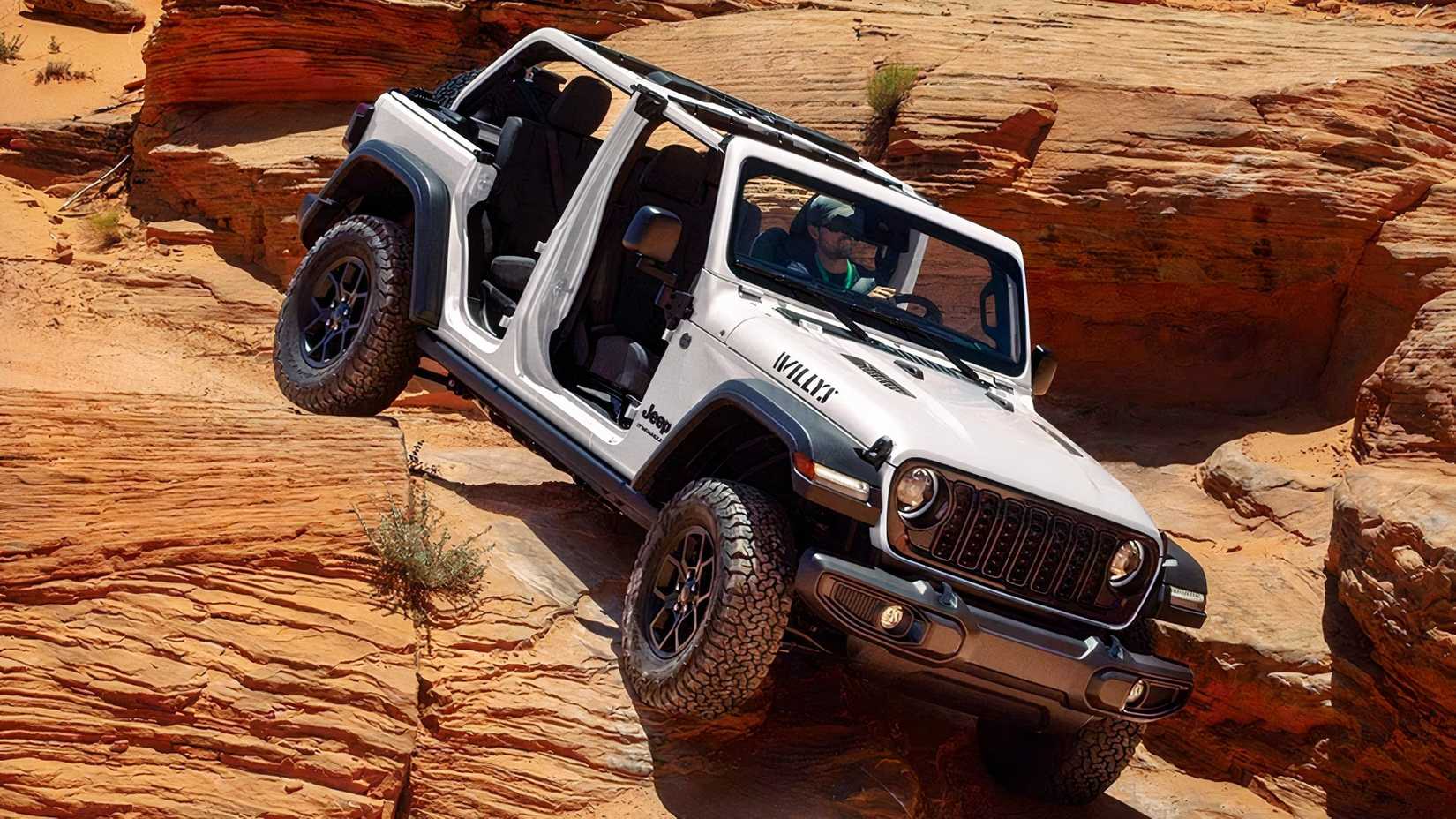
Use 4L for slow-speed control and maximum drivetrain torque, not for normal driving. It is useful when the Wrangler needs controlled power rather than road speed.
Typical 4L situations include:
- Steep climbs or descents
- Large rocks and ledges
- Deep mud
- Deep sand at controlled speeds
- Technical trails
- Pulling through an obstacle at low speed
- Situations requiring engine braking
Standard procedure for a manual transmission
For a Wrangler with a manual transmission:
- Bring the Jeep to a complete stop.
- Press and hold the clutch pedal.
- Shift the main transmission into Neutral.
- Move the transfer-case lever from 4H to 4L.
- If the lever does not engage immediately, release the clutch briefly in neutral, press the clutch again, and try once more. Do not force the lever.
- Confirm that the 4L indicator appears.
- Shift the manual transmission into a low gear and proceed slowly.
The precise technique varies by transfer case. Use the owner’s manual if the lever resists engagement.
Standard procedure for an automatic transmission
For an automatic Wrangler:
- Stop the Jeep or reduce it to the low speed specified in the owner’s manual.
- Press the brake pedal.
- Shift the automatic transmission into Neutral.
- Move the transfer-case control from 4H to 4L.
- Wait for the 4L indicator to confirm engagement.
- Shift the automatic transmission into 1st gear or select a low range as appropriate.
- Release the brake smoothly and use gentle throttle.
Some Wrangler manuals permit a very low rolling speed during a 4L shift, while others emphasize a complete stop. Follow the instruction for the specific transfer case rather than applying a universal rule.
How fast can you drive in 4L?
4L is designed for low-speed operation. The maximum recommended speed depends on the model, tire size, gearing, terrain, and owner’s manual. As a practical rule, remain at a controlled crawling speed and avoid using 4L for ordinary road travel.
If the Jeep reaches a speed where the engine is revving excessively or the drivetrain feels strained, stop and reassess the selected range. Low range provides torque multiplication, but it does not make high-speed driving safe.
How to Return a Jeep Wrangler to 2H
After leaving a slippery or off-road surface, return to 2H when the Jeep is back on a surface with normal traction.
Returning from 4H to 2H
For many Wranglers with a floor shifter:
- Keep the Jeep traveling straight.
- Reduce speed and release the accelerator.
- Move the transfer-case lever from 4H to 2H.
- Continue driving gently until the drivetrain disengages.
- Confirm that the 4WD indicator turns off.
Some systems may remain engaged briefly after the lever is moved. This can be normal. Avoid abrupt acceleration during the transition.
For electronic controls, select 2H while traveling slowly and wait for the dashboard confirmation. If the indicator continues flashing, follow the troubleshooting steps in the owner’s manual.
Returning from 4L to 4H
To leave low range:
- Stop the Wrangler or use the model-specific low-speed procedure.
- Press the brake pedal.
- Shift the main transmission into Neutral.
- Move the transfer-case control from 4L to 4H.
- Wait for the 4H indicator.
- Shift the main transmission into a suitable gear.
- Select 2H after returning to a normal-traction surface.
Do not attempt to shift between 4L and 4H while accelerating or while the tires are spinning.

What to Do If 4WD Will Not Engage or Disengage
A flashing 4WD light, a resistant transfer-case lever, or continued binding usually indicates that the shift has not fully completed or that driveline torque is preventing the gears from releasing.
If 4H will not engage
Try the following:
- Reduce speed.
- Drive straight.
- Release the accelerator.
- Move the lever or press the control again using the procedure in the manual.
- If necessary, stop safely and shift the transmission into Neutral.
- Check whether the 4WD indicator confirms engagement.
Do not repeatedly force a mechanical lever. Excessive force can damage the linkage or transfer case.
If 4L will not engage
Confirm all of the following:
- The Jeep is stopped or moving at the approved low speed.
- The main transmission is in Neutral.
- The brake pedal is applied if required.
- The engine is running.
- The transfer-case control is being moved decisively but not forced.
If the gears are not aligned, briefly releasing and reapplying the clutch on a manual transmission, or allowing a slight controlled drivetrain movement in Neutral on an automatic transmission, may help. Use only the technique permitted by the owner’s manual.
If the Jeep will not return to 2H
Drivetrain windup is a common cause. It occurs when the front and rear axles are forced to rotate at slightly different speeds, often after using 4H Part-Time on dry pavement.
To relieve windup:
- Stop using 4H Part-Time on high-traction pavement.
- Drive slowly in a straight line on a loose surface, if available.
- Avoid tight turns and hard acceleration.
- Try the shift again according to the manual.
- If the indicator remains on or the vehicle binds severely, stop and seek qualified service.
Do not continue driving if the Jeep makes severe clunking noises, loses propulsion, leaks fluid, or shows a drivetrain warning.

Common 4WD Mistakes to Avoid
Using 4H Part-Time on dry pavement
This is the most consequential mistake. Because the front and rear axles are locked together, they cannot always rotate at the different speeds required during turns. The result can be steering resistance, tire scrub, hopping, or drivetrain stress.
Confusing 4WD with better braking
Four-wheel drive can help the Wrangler accelerate on slippery surfaces, but it does not provide four-wheel braking. Stopping distance still depends on tire grip, speed, road conditions, and braking technique.
Using 4L for extra highway power
Low range is not intended for normal highway driving. It increases torque at the wheels and limits practical vehicle speed. Use the appropriate transmission gear and 4H or 2H for ordinary travel.
Shifting while the tires are spinning
Do not change transfer-case ranges while the wheels are spinning aggressively. Lift off the throttle and follow the required speed and transmission-neutral conditions.
Ignoring tire differences
Four-wheel-drive systems work best when all four tires have compatible dimensions, construction, tread wear, and inflation. A substantially different tire circumference can increase driveline stress and affect handling. Check the vehicle’s tire placard and owner’s manual before replacing only one tire.
Removing traction control without understanding why
Some off-road conditions benefit from changing traction-control settings, but this is separate from selecting 4WD. Use the Wrangler’s documented off-road controls only when appropriate, and remember to restore normal settings for public-road driving.
Quick Decision Guide
| Driving condition | Recommended setting |
|---|---|
| Dry U.S. highway or city street | 2H |
| Rain on paved roads | Usually 2H; use 4H Auto only if equipped and permitted |
| Snow-covered pavement | Follow the manual; 4H Auto or 4H Part-Time may apply depending on system and conditions |
| Gravel road | 4H Part-Time may be appropriate |
| Loose sand | 4H, with tire-pressure adjustments only within safe, manufacturer-supported limits |
| Muddy trail | 4H or 4L depending on speed and depth |
| Rock crawling | 4L |
| Steep technical descent | 4L and controlled speed |
| Dry pavement after leaving a trail | Return to 2H |
This table is a general operating guide, not a substitute for the transfer-case instructions for a particular Wrangler.
Safety Checks Before Using 4WD
Before driving off-road or in severe weather, verify:
- The tires are properly inflated and have adequate tread.
- The transfer-case mode matches the surface.
- The vehicle has sufficient fuel and recovery equipment for the route.
- Seat belts are fastened.
- Loose cargo is secured.
- The route does not exceed the Wrangler’s ground clearance, water-fording, or slope limits.
- You understand the local trail rules and public-road requirements.
- You know how to disengage 4WD before returning to dry pavement.
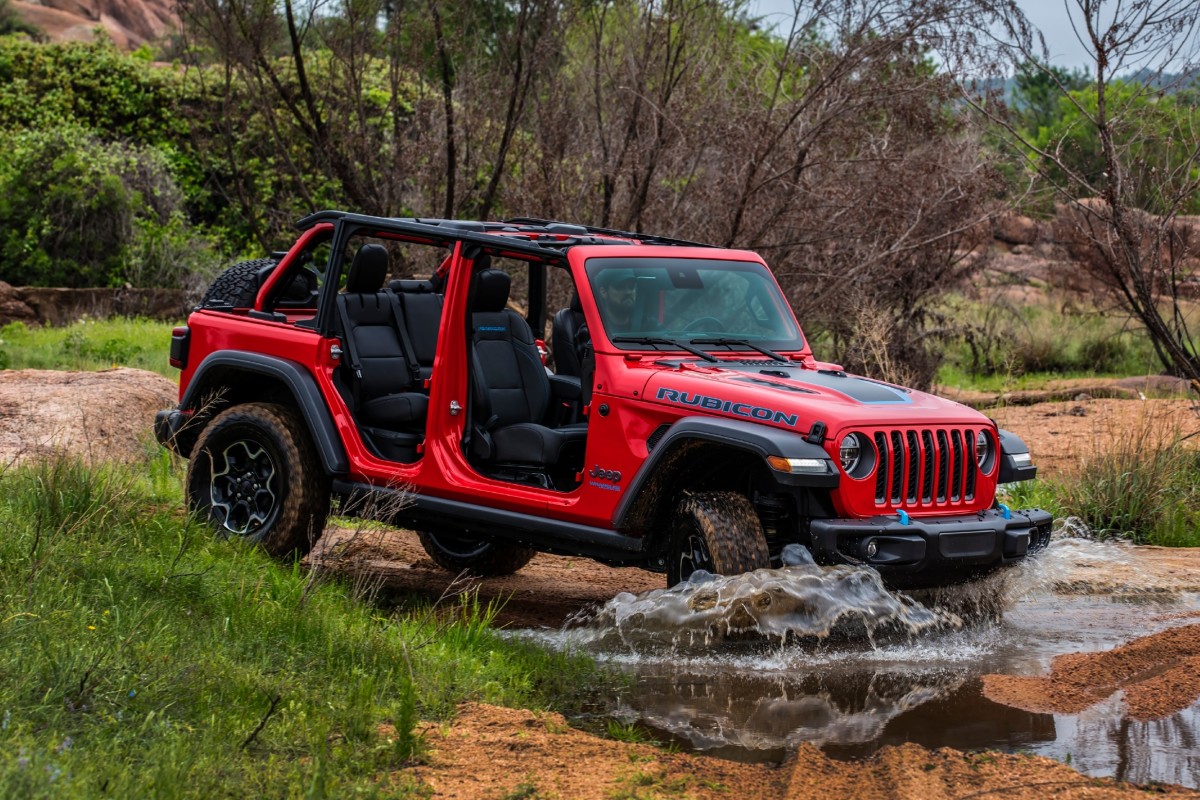
Never enter moving water without confirming the Wrangler’s model-specific water-fording limits and inspecting the crossing. Water depth, current, hidden obstacles, and intake location can change the risk substantially.
Frequently Asked Questions
Can I put a Jeep Wrangler 2-door in 4WD while driving?
Often, yes, when shifting between 2H and 4H at a low speed and under the conditions specified by the owner’s manual. Shifting into or out of 4L generally requires Neutral and a stop or very low vehicle speed.
Should I use 4H or 4L in snow?
Use 4H for normal driving on a snow-covered surface when the transfer case permits it. Use 4L only for slow, difficult conditions such as deep snow, steep terrain, or when the Jeep needs controlled torque.
Can I use 4WD on dry pavement?
Use 2H on dry pavement unless the Wrangler has a mode specifically designed for changing traction conditions, such as 4H Auto. Do not use 4H Part-Time on dry, high-traction surfaces.
Why is the 4WD light flashing?
A flashing indicator usually means the transfer case is still shifting or has not fully confirmed the selected mode. Slow down, follow the correct Neutral and brake procedure, and consult the manual if the light remains flashing.
Does a Wrangler 2-door shift differently from a four-door Wrangler?
Usually not. The transfer case and control layout determine the shifting procedure. The two-door body style can change off-road handling characteristics, but it does not normally change how the transfer case is selected.
Can I tow a Jeep Wrangler in Neutral?
Some Wrangler configurations can be flat-towed with the transfer case in Neutral, but the exact procedure and equipment requirements vary by model year and transmission. Follow the official towing instructions rather than selecting Neutral based only on the transfer-case label.
Conclusion
To use four-wheel drive in a Jeep Wrangler 2-door, select 4H for loose or slippery surfaces and 4L for slow, demanding off-road conditions. Use 2H on dry pavement, shift only under the speed and transmission conditions specified for the Wrangler, and verify engagement through the vehicle’s indicator.
The safest next step is to locate the Wrangler’s model-year owner’s manual through the official Jeep owner resources and confirm the exact transfer-case procedure before using 4L or flat-towing the vehicle.