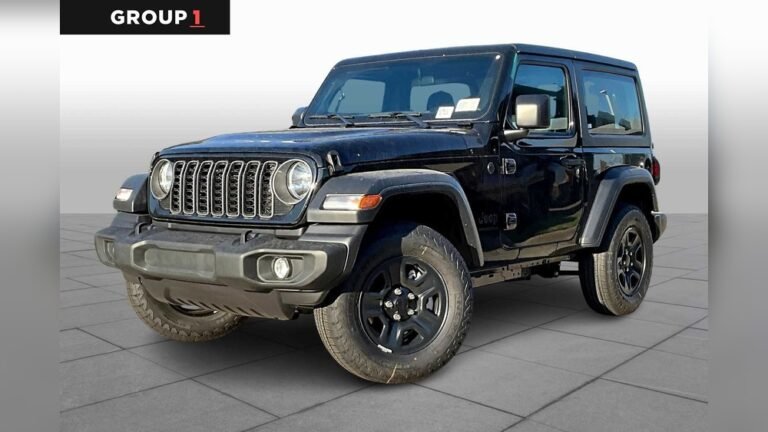
How Reliable is the Jeep 47 V8: Expert Insights & Owner Reviews
 Reading Time: 8 minutes
 How Reliable Is The Jeep 4.7 V8
The Jeep 4.7 V8 engine is well-known among Jeep fans, especially in models like the Grand Cherokee and Commander. Many drivers love the strong power and smooth performance. But is it a good choice for those who want reliability? If you are thinking about buying a used Jeep with the 4.7 V8 engine, or you just want to learn more, this article covers everything you need to know.
We will look at 47 key areas that affect the reliability of the Jeep 4.7 V8. You’ll find clear explanations, practical examples, and real data to help you decide if this engine matches your needs.
1. Engine Block Strength
The engine block is the foundation. The Jeep 4.7 V8 uses an iron block, which is tough and resists cracking. Most failures are not from the block itself but from other parts.
2. Cylinder Head Problems
Early models had some cylinder head cracking due to overheating. This was mostly in 1999-2001 engines. Later models improved the design.
3. Head Gasket Failures
Blown head gaskets can happen after overheating. Regular coolant checks lower the risk. This problem is more common in engines with poor maintenance.
4. Timing Chain Durability
The timing chain in the 4.7 V8 is stronger than a belt. It usually lasts over 150,000 miles if oil is changed on time.
5. Oil Sludge Issues
Oil sludge can block passages and cause damage. Engines with irregular oil changes are most at risk. High-mileage engines need extra care.
6. Valve Seat Drop
Some users report valve seats dropping into the cylinder. This causes engine misfire or failure. It’s rare but expensive to fix.
7. Piston Ring Wear
Worn piston rings lead to oil burning and low compression. Most engines do not have this problem before 200,000 miles if maintained.
8. Camshaft Wear
The 4.7 V8’s camshafts can wear out if oil is dirty. Using quality oil and regular changes prevent this.
9. Rocker Arm Problems
Loose or noisy rocker arms sometimes occur. This is often a sign of poor lubrication or high mileage.
10. Intake Manifold Gasket Leaks
The intake manifold gasket can leak air or coolant. This usually happens after 120,000 miles.
11. Fuel Injector Reliability
Fuel injectors are reliable but can clog with poor quality fuel. Cleaning injectors every 60,000 miles helps performance.
12. Spark Plug Issues
Worn or old spark plugs can cause rough running. Replacement every 30,000-50,000 miles is recommended.
13. Coil Pack Failures
Ignition coils last a long time but can fail due to heat. Having a spare coil is a good idea for older Jeeps.
14. Water Pump Life
A failed water pump can lead to overheating. Most last around 100,000 miles.
15. Radiator And Cooling System
The cooling system is a weak spot. Clogged radiators or failed thermostats cause overheating. Flushing coolant every 2 years helps.
16. Thermostat Reliability
Cheap or old thermostats can stick. Always use good quality replacements.

Credit: www.chicagomotorcars.com
17. Heater Core Leaks
A leaking heater core is rare but can cause coolant loss and foggy windows.
18. Alternator Performance
Alternators usually last 120,000-150,000 miles. Dimming lights or battery warnings are signs of failure.
19. Starter Motor Issues
The starter motor is reliable but can fail after long use. Listen for clicking sounds when starting.
20. Battery Cable Corrosion
Corroded battery cables cause starting problems. Cleaning terminals every oil change prevents this.
21. Power Steering Pump
The power steering pump is strong but can leak over time. Check fluid levels regularly.
22. Serpentine Belt Wear
A worn serpentine belt can break and cause loss of power steering, charging, and cooling. Inspect every 30,000 miles.
23. Air Conditioning Compressor
The A/C compressor is reliable but may fail after 120,000 miles.
24. Engine Mounts
Worn engine mounts cause vibration. Rubber mounts may last 150,000 miles or more.
25. Transmission Compatibility
The 4. 7 pairs well with Jeep’s automatic transmissions. Fluid changes every 60,000 miles improve life.
26. Exhaust Manifold Cracks
Older 4.7 V8s can develop exhaust manifold cracks. This causes ticking sounds and some loss of power.
27. Oxygen Sensor Life
O2 sensors last 80,000-120,000 miles. Replacing them improves fuel economy.
28. Emissions System
The 4.7 V8 meets emissions rules for its model years. A failed catalytic converter or sensors can cause check engine lights.
29. Fuel Economy
Most drivers get 14-18 mpg. This is average for V8 engines of this size.
30. Engine Noise
The 4. 7 V8 is smoother and quieter than older Jeep engines. Ticking sounds often mean an exhaust leak.
31. Oil Leaks
Common leak points are the valve covers, oil pan, and rear main seal. Regular checks catch leaks early.
32. Pcv Valve
A clogged PCV valve raises crankcase pressure and causes oil leaks. Replace every 50,000 miles.
33. Egr Valve
The EGR valve rarely fails but can cause rough idle if dirty.
34. Throttle Body
A dirty throttle body leads to poor throttle response. Clean every 60,000 miles.
35. Engine Control Module (ecm)
The ECM is reliable. Electrical problems are rare but can cause no-start situations.
36. Wiring Harness
Wiring harness issues are not common unless damaged by rodents or corrosion.
37. Knock Sensor
A failed knock sensor can lower power. It’s not a frequent failure point.
38. Engine Misfire
Misfire is usually caused by spark plugs, coils, or fuel injectors, not the engine block itself.
39. Overheating Risks
Overheating mostly comes from coolant leaks or poor maintenance, not a flaw in the block.
40. High-mileage Performance
Many Jeep 4.7 V8 engines reach 200,000+ miles with proper care. Regular maintenance is key.

Credit: en.wikipedia.org
41. Aftermarket Support
There are many aftermarket parts for the 4.7 V8. This helps with repairs and upgrades.
42. Cost Of Repairs
Major repairs can be expensive due to engine complexity. Small repairs are similar to other V8s.
43. Availability Of Parts
Parts availability is good in North America. Some rare sensors or modules may need special order.
44. Owner Community
A strong Jeep community means plenty of advice and guides online, making DIY repairs easier.
45. Towing And Heavy Use
The 4.7 V8 is strong enough for towing up to 7,200 lbs (depending on model). Watch for overheating when towing heavy loads.
46. Oil Consumption
Some engines use oil as they age, especially above 150,000 miles. Check levels regularly.
47. Engine Rebuildability
The 4.7 V8 can be rebuilt, but machine work is sometimes costly compared to replacing with a used engine.
Comparing The 4.7 V8 To Other Jeep Engines
To give you a clear idea, here’s how the 4.7 V8 stacks up against other popular Jeep engines:
| Engine | Expected Mileage | Known Issues | Fuel Economy (MPG) |
|---|---|---|---|
| 4.0 Inline-6 | 250,000+ | Rear main seal leaks | 15-20 |
| 4.7 V8 | 200,000+ | Valve seat drop, overheating | 14-18 |
| 5.7 Hemi V8 | 200,000+ | MDS lifter failure | 13-17 |
Signs Of Trouble: What To Watch For
If you’re considering a used Jeep with a 4.7 V8, look for these warning signs:
- Blue smoke from the exhaust (oil burning)
- Ticking sounds from the engine bay (possible exhaust leak)
- Overheating, especially after long drives
- Oil leaks under the vehicle
- Check engine light, especially for misfire codes
Maintenance Costs: What To Expect
How much does it cost to keep a 4.7 V8 running well? Here’s an overview:
| Repair/Service | Typical Cost (USD) | Frequency |
|---|---|---|
| Oil Change | $50-$100 | 5,000-7,500 miles |
| Spark Plugs & Coils | $150-$400 | 30,000-50,000 miles |
| Water Pump | $350-$600 | 100,000 miles |
| Timing Chain | $1,200-$2,000 | 150,000 miles |
| Valve Cover Gasket | $200-$400 | As needed |

Credit: www.youtube.com
Two Insights Beginners Often Miss
- Cooling system health is critical. Many Jeep 4.7 V8 failures come from overheating. Checking coolant and radiator health prevents most problems.
- Oil change intervals matter more than you think. Even waiting 2,000 miles too long can cause sludge in these engines, which leads to expensive repairs.
Should You Buy A Jeep With The 4.7 V8?
If you want a Jeep for towing, off-road, or just love V8 power, the 4. 7 is a solid choice. It is not perfect, but most issues come from poor maintenance, not bad design. If you find a used Jeep with a full service history and no overheating problems, it can be a reliable partner for many years.
If you are worried about repairs or want the simplest possible Jeep, the older 4. 0 inline-6 is even more reliable, but less powerful.
For deeper technical details, the Wikipedia page on the Chrysler PowerTech engine gives more background.
Frequently Asked Questions
How Long Does The Jeep 4.7 V8 Usually Last?
With proper care, many last over 200,000 miles. Regular oil changes and coolant checks are essential.
What Is The Most Common Problem With The 4.7 V8?
Overheating from cooling system neglect is the most common serious issue. Valve seat drop is also a known problem, but less frequent.
Is The Jeep 4.7 V8 Good For Towing?
Yes, it can tow up to 7,200 lbs (model dependent), but always check the cooling system before heavy use.
How Expensive Is It To Fix A Jeep 4.7 V8?
Simple repairs cost the same as other V8s. Major repairs, like timing chain or engine rebuilds, can be costly due to engine complexity.
Can I Use Regular Gasoline In The 4.7 V8?
Yes, regular unleaded works fine. Premium fuel is not required but may slightly improve performance in hot weather.
In summary, the Jeep 4. 7 V8 is a reliable engine if you pay attention to maintenance. It’s strong and well-supported by the Jeep community. With smart care, it can deliver many miles of dependable service.