How Much Can a Jeep Cherokee Trailhawk Tow Unleashing Its Towing Power: Ultimate Guide
 Reading Time: 11 minutes
 If you own a Jeep Cherokee Trailhawk or are thinking about getting one, you’re probably curious about just how much it can tow. Knowing your vehicle’s towing power isn’t just about bragging rights—it’s about safety, performance, and making sure your Jeep can handle the load you put on it.
Whether you’re planning to haul a camper, a boat, or a trailer full of gear, understanding the Trailhawk’s towing limits will help you avoid costly mistakes and keep your adventures smooth. You’ll discover exactly how much your Jeep Cherokee Trailhawk can tow, what factors affect its towing capacity, and essential tips to make the most of its impressive power.
Ready to unleash your Jeep’s true towing potential? Let’s dive in.
Credit: www.hendrickchryslerdodgejeepram.com
Jeep Cherokee Trailhawk Towing Capacity
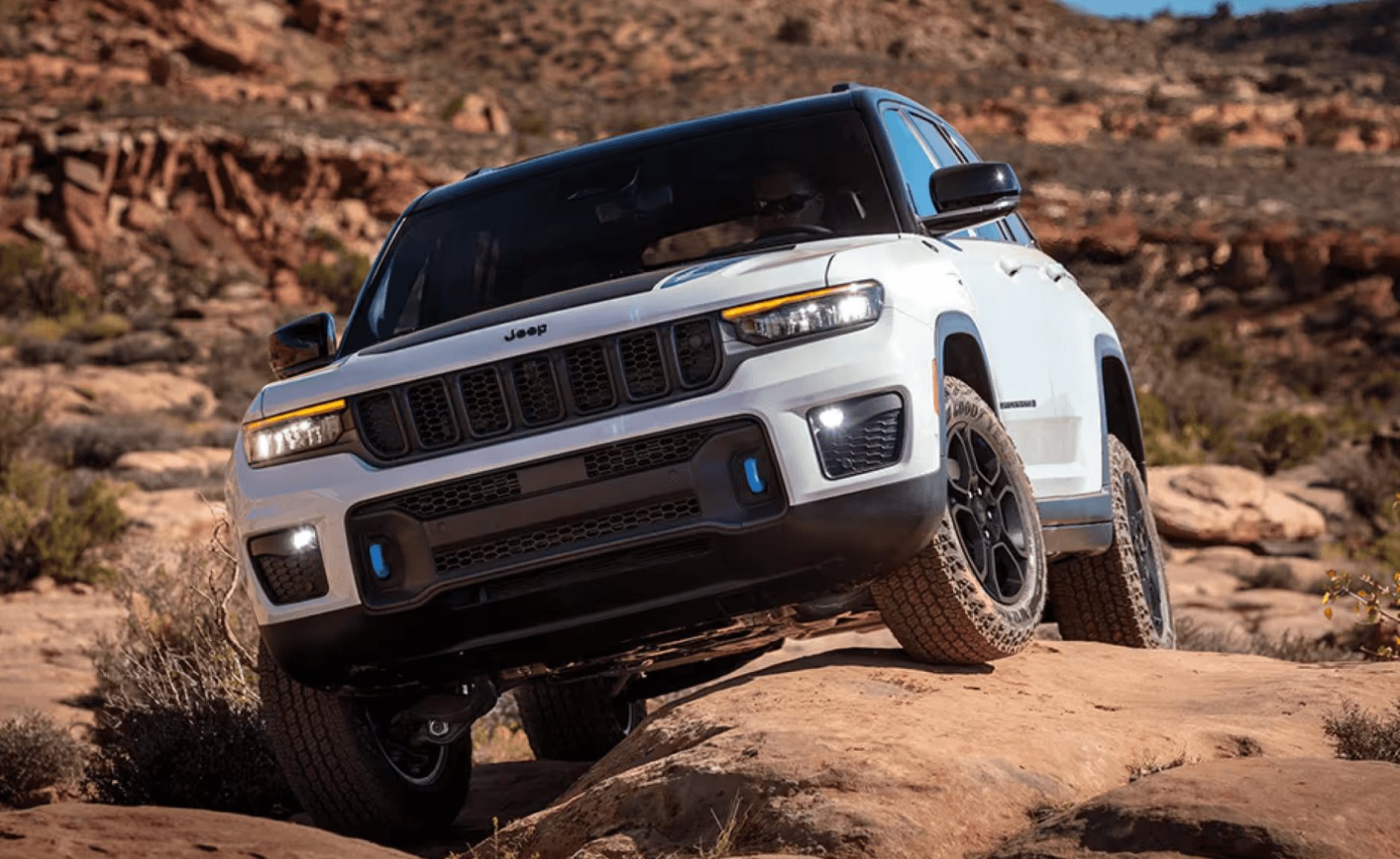
The Jeep Cherokee Trailhawk stands out for its rugged design and off-road capabilities. Its towing power plays a big role in its appeal. Knowing the towing capacity is essential for planning trips with trailers or heavy loads. This section breaks down the Jeep Cherokee Trailhawk towing capacity clearly and simply.
Max Tow Limits By Model Year
Jeep Cherokee Trailhawk’s towing limits have changed over time. Older models usually tow less than newer ones. For example, 2014 models could tow up to 2,000 pounds. Recent models from 2019 onward can tow up to 4,500 pounds. Always check the specific year for exact numbers to stay safe and within limits.
Engine Options Impact
The engine type greatly affects towing power. The Trailhawk often offers a 2.4L four-cylinder or a 3.2L V6 engine. The V6 provides more towing strength, usually allowing higher capacities. A four-cylinder engine may limit towing to lighter loads. Choose the engine based on your towing needs to get the best performance.
Towing Capacity Chart
| Model Year | Engine | Max Towing Capacity (lbs) |
|---|---|---|
| 2014 | 2.4L 4-cylinder | 2,000 |
| 2014 | 3.2L V6 | 4,500 |
| 2019 | 2.4L 4-cylinder | 2,000 |
| 2019 | 3.2L V6 | 4,500 |
| 2023 | 2.0L Turbo 4-cylinder | 4,000 |
| 2023 | 3.2L V6 | 4,500 |
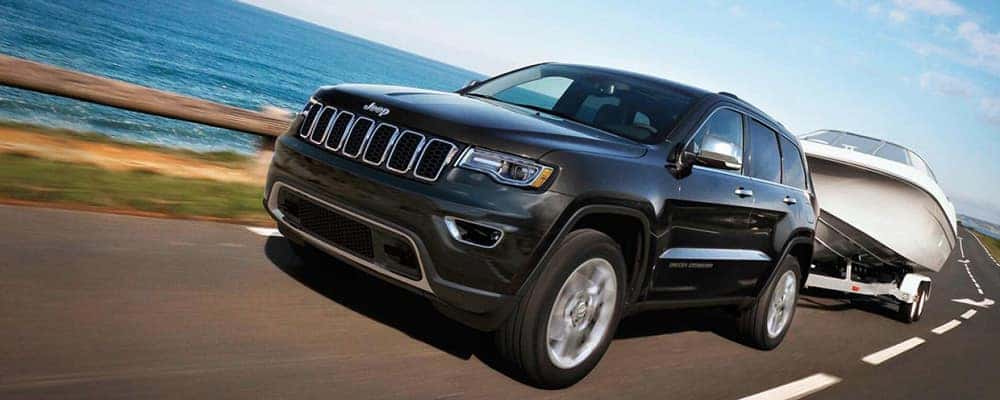
Credit: www.cornerstonechrysler.com
Trailer-tow Group Features
The Trailer-Tow Group features equip the Jeep Cherokee Trailhawk for strong towing performance. This package includes key components designed to handle heavier loads safely and efficiently. These features ensure your vehicle is ready to tow trailers, boats, or campers with confidence.
Each element in the Trailer-Tow Group plays a crucial role. From the receiver hitch to the wiring harness, these parts work together to support your towing needs. Optional packages can also enhance the towing experience with additional tools and technology.
Class Iii Receiver Benefits
The Class III receiver is a heavy-duty hitch that fits the Jeep Cherokee Trailhawk. It supports a higher towing capacity and provides a secure connection point for trailers. This hitch type is strong enough to handle large trailers and heavy equipment.
It offers durability and reliability during towing. The receiver also allows for various hitch accessories, increasing versatility. This makes it easier to tow different types of trailers safely.
Wiring Harness Importance
The wiring harness connects the Jeep’s electrical system to the trailer. It powers brake lights, turn signals, and trailer brakes. This connection is essential for legal and safe towing on the road.
Without the wiring harness, trailer lights and brakes may not work properly. This increases the risk of accidents and legal issues. The harness also helps the vehicle monitor trailer functions, improving safety.
Optional Packages
Optional towing packages can include upgrades like trailer sway control and enhanced cooling systems. These additions help manage heavy loads and improve driving stability. They reduce trailer sway and prevent overheating during long trips.
Other options may add convenience features such as a trailer brake controller. These packages customize the Jeep Cherokee Trailhawk for specific towing needs. They enhance safety and towing comfort on various terrains.
Safety Margins For Towing
Understanding safety margins for towing is key to protecting your Jeep Cherokee Trailhawk and what it hauls. These margins act as a buffer to prevent overloading and mechanical stress. They help ensure you tow within the vehicle’s real-world limits, beyond just the official numbers.
Safety margins also improve driving control and reduce wear on your vehicle’s engine and brakes. They take into account extra weight, road conditions, and other factors that affect towing performance. Always respect these limits to keep every trip safe and smooth.
Accounting For Extra Weight
Extra weight goes beyond the trailer’s base weight. It includes cargo inside the trailer, passengers, and gear on your vehicle. These add to the total towing load and reduce the actual safe capacity.
Check the Gross Vehicle Weight Rating (GVWR) for your trailer fully loaded. Compare this to your Jeep Cherokee Trailhawk’s towing limit to avoid overload. Even small extra pounds can push your setup past safe limits.
Environmental Factors
Road and weather conditions affect towing ability. Hills, strong winds, and rough terrain increase strain on your Jeep’s engine and brakes. Hot weather can also lower engine performance and cooling.
Adjust your towing load or driving style in tough conditions. Leave more distance for braking and reduce speed on inclines. These steps help maintain control and reduce risk.
Protecting Your Vehicle
Following safety margins protects your Jeep Cherokee Trailhawk from damage. Overloading causes premature wear on the transmission, brakes, and suspension. It also increases fuel consumption and heat buildup.
Use proper hitching equipment and maintain your vehicle regularly. Check tire pressure and brakes before every tow. These precautions help keep your Jeep running strong and safe on the road.

Credit: www.tonkinhillsborocjdr.com
Towing Weight Vs. Trailer Weight
Understanding the difference between towing weight and trailer weight is crucial for safe towing. The Jeep Cherokee Trailhawk’s towing power depends on these key weight measures. Knowing how much weight your vehicle can handle helps avoid damage and accidents.
Towing weight refers to the total weight your Jeep pulls. Trailer weight is the actual weight of the trailer itself. These two weights must be compared carefully to keep towing within safe limits.
Gross Vehicle Weight Rating (gvwr)
GVWR is the maximum weight your Jeep Cherokee Trailhawk can safely carry. This includes the vehicle’s weight, passengers, cargo, and tongue weight from the trailer. Staying within the GVWR keeps the suspension and brakes working properly.
Exceeding the GVWR can cause serious damage to your vehicle. It also reduces control and increases stopping distances. Always check the GVWR on your vehicle’s label before towing.
Dry Weight Vs. Loaded Weight
Dry weight is the trailer’s weight without cargo, fuel, or fluids. Loaded weight is the trailer’s actual weight when fully packed and ready to tow. This loaded weight must be less than your Jeep’s towing capacity.
Many trailers look light but can become heavy once loaded. Calculate the loaded weight carefully. Include items like water, gear, and supplies to avoid surprises on the road.
Performance Tips When Towing
Towing with the Jeep Cherokee Trailhawk requires smart driving habits to keep control and safety. Knowing how to handle your vehicle under load improves your towing experience. Follow these tips to maintain good performance and protect your vehicle.
Handling Hills And Inclines
Drive slowly and steadily when climbing hills. Use lower gears to keep power steady without straining the engine. Avoid sudden acceleration or braking to prevent trailer sway. On declines, use engine braking by downshifting instead of riding the brakes. This helps control speed and reduces brake wear.
Maintaining Vehicle Stability
Keep your load balanced and secure to avoid swaying. Check tire pressure on both the vehicle and trailer for safe handling. Use towing mirrors for better visibility around the trailer. Steer gently and avoid sharp turns to maintain stability at all times.
Brake System Considerations
Ensure the trailer’s brakes are working well before every trip. The Trailhawk’s brake controller helps manage trailer braking force. Test the brake system in a safe area to confirm smooth stopping. Allow extra distance when stopping to handle the added weight safely.
Why Towing Limits Matter
Towing limits on the Jeep Cherokee Trailhawk show the maximum weight it can safely pull. Understanding these limits keeps you and others safe on the road. Exceeding towing capacity can cause serious problems. These include loss of control, damage to your vehicle, and legal troubles.
Knowing why towing limits matter helps you make smart decisions. It protects your vehicle and ensures a smooth towing experience.
Reducing Accident Risks
Towing beyond the limit increases the chance of accidents. The vehicle may struggle to stop or steer properly. Overloading can cause brake failure or tire blowouts. Staying within limits helps maintain control and balance. It reduces risks for you and other drivers.
Enhancing Vehicle Longevity
Pushing the Jeep Cherokee Trailhawk to tow too much causes wear and tear. The engine, transmission, and suspension suffer more stress. This leads to costly repairs and shorter vehicle life. Following towing limits keeps the vehicle running well longer. It saves money on maintenance and replacements.
Legal And Warranty Implications
Ignoring towing capacity may break traffic laws. You could face fines or penalties for unsafe towing. Insurance claims might be denied after accidents if limits were exceeded. Vehicle warranties often require staying within tow ratings. Violating these terms can void coverage. Respecting towing limits avoids legal trouble and protects your warranty.
Accessories To Boost Towing
Enhancing your Jeep Cherokee Trailhawk’s towing ability goes beyond just engine power. Accessories play a vital role in making towing safer and easier. They help distribute weight, improve control, and protect your vehicle and trailer.
Choosing the right towing accessories ensures you get the most from your Trailhawk’s towing capacity. Here are some essential options that boost towing performance.
Aftermarket Hitch Options
Aftermarket hitches offer strong, custom-fit solutions for towing. Many provide higher weight ratings than factory hitches. This upgrade allows the Trailhawk to tow heavier trailers safely.
Options include Class III and Class IV hitches, designed for different towing needs. Installing a quality hitch keeps your trailer secure and stable on the road.
Trailer Brake Controllers
Trailer brake controllers improve stopping power and control. They connect your Jeep to the trailer’s brakes, synchronizing brake force. This reduces wear on your vehicle’s brakes and prevents trailer sway.
Controllers come in manual and proportional styles. Proportional controllers adjust brake power based on your speed, offering smoother stops and better safety.
Weight Distribution Systems
Weight distribution systems balance the load between your Jeep and trailer axles. This prevents excessive tongue weight on the hitch, improving steering and braking.
These systems reduce trailer sway and increase stability, especially on rough or hilly roads. They protect your suspension and tires from damage caused by uneven weight.
Common Towing Mistakes To Avoid
Towing with your Jeep Cherokee Trailhawk can be rewarding but tricky. Avoid mistakes that harm your vehicle or trailer. Knowing common errors helps keep you safe on the road. Below are key towing mistakes to avoid for better control and durability.
Ignoring Weight Limits
Every Jeep Cherokee Trailhawk has a maximum towing capacity. Exceeding this limit strains the engine and brakes. It also risks damage to your suspension and frame. Always check your vehicle’s manual for the exact tow rating. Keep your trailer’s total weight below that number. Overloading leads to poor handling and increased accident risk.
Improper Hitch Setup
Using the wrong hitch or incorrect installation causes instability. A hitch not rated for your load can bend or break. Make sure to use a Class III hitch or higher for the Trailhawk. Secure the hitch tightly and connect safety chains properly. Incorrect setup can cause swaying and loss of control during towing.
Neglecting Maintenance
Regular checks keep your Jeep and trailer safe to tow. Inspect brakes, tires, and lights before every trip. Neglecting maintenance can cause failures on the road. Check fluid levels, especially transmission and coolant. Keep your suspension and hitch components in good shape. Well-maintained vehicles perform better under towing stress.
Real-world Towing Experiences
Real-world towing experiences reveal how the Jeep Cherokee Trailhawk performs beyond factory specs. These stories come from drivers who use their Trailhawk daily for towing tasks. Their feedback helps understand the vehicle’s true capability in various conditions. This section shares insights from users, owner tips, and how the Trailhawk handles different terrains.
User Reviews And Feedback
Many owners praise the Trailhawk’s strong towing power for mid-size SUVs. They mention smooth handling even with heavy trailers. Some drivers report towing boats, campers, and utility trailers without issues. A few note the need for trailer brake controllers for safer stops. Overall, users find the Trailhawk reliable and confident on the road.
Tips From Jeep Owners
Jeep owners suggest checking tire pressure before towing. Proper tire inflation improves stability and fuel efficiency. Another tip is to use the trailer-tow package for better wiring and hitch support. Owners advise driving slower on steep hills and using lower gears for control. Regular maintenance of brakes and transmission ensures long-term towing success.
Trailhawk Towing In Different Terrains
The Trailhawk adapts well to various terrains while towing. On paved roads, it offers steady and comfortable rides. In off-road conditions like dirt or gravel, the 4×4 system provides extra traction. Some drivers report towing on mountain roads with ease. Sand and mud require slower speeds and careful steering but remain manageable. This versatility makes it a good choice for diverse towing needs.
Frequently Asked Questions
How Much Can My Jeep Cherokee Trailhawk Tow?
The Jeep Cherokee Trailhawk can tow up to 4,500 pounds when equipped with the Trailer-Tow Group package. Engine choice affects towing limits. Always check your vehicle manual for exact specifications by model year.
What Is The 80% Towing Rule?
The 80% towing rule advises towing no more than 80% of your vehicle’s maximum capacity. This ensures safety and vehicle longevity. It accounts for cargo, passengers, and external factors like wind or hills. Following this rule reduces accident risks and improves towing performance.
What’s Special About The Trailhawk Cherokee?
The Trailhawk Cherokee offers advanced off-road features, enhanced 4×4 capability, and a rugged design for superior trail performance.
What Jeep Cherokee Can Tow 5000 Lbs?
The Jeep Cherokee Trailhawk with the 3. 2L V6 engine and Trailer Tow Group can tow up to 5,000 lbs. Always check your model year’s manual for exact specs.
Conclusion
The Jeep Cherokee Trailhawk offers solid towing power for many needs. It can tow trailers, boats, and small campers with ease. Always check your model’s specific towing limits in the manual. Keep safety in mind by not exceeding recommended weights.
Proper equipment, like the Trailer-Tow Group, enhances towing capability. Remember, towing safely protects your vehicle and passengers. Knowing these facts helps you tow confidently and enjoy every trip.