How Many Quarts of Oil Does a Jeep Wrangler Take: Essential Guide
 Reading Time: 8 minutes
 If you own a Jeep Wrangler, keeping your engine running smoothly is probably a top priority for you. One of the most common questions Jeep owners ask is: How many quarts of oil does a Jeep Wrangler take?
Getting this right is crucial—not just for your engine’s health, but also to save you time, money, and hassle. Whether you’re planning to do an oil change yourself or just want to be informed before your next service, knowing the exact oil capacity can make all the difference.
You’ll discover the specific oil amount your Jeep Wrangler needs, plus handy tips to keep your ride performing at its best. Keep reading, and you’ll never have to guess about your Jeep’s oil needs again.
Credit: www.quadratec.com
Jeep Wrangler Oil Capacity
The oil capacity of a Jeep Wrangler is key to keeping its engine healthy. Proper oil levels ensure smooth performance and prevent damage. Knowing the right amount of oil helps during oil changes and maintenance. This section breaks down the typical oil volume, changes by model year, and specific engine needs.
Typical Oil Volume
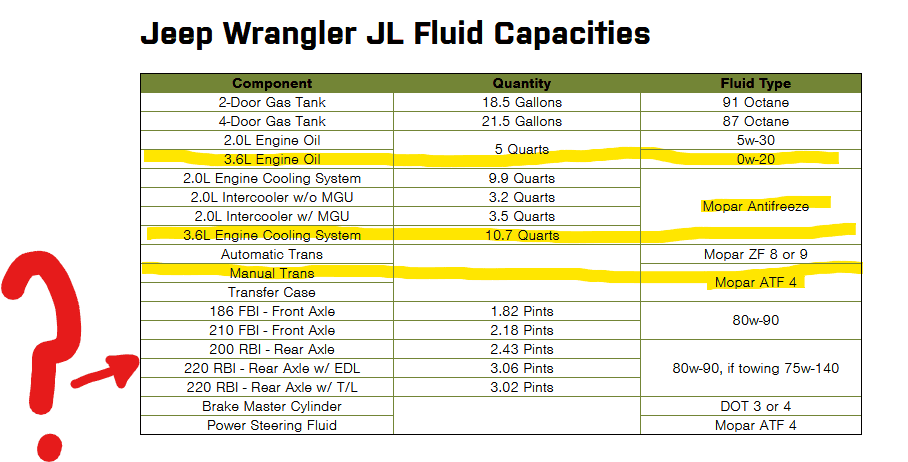
Most Jeep Wrangler models use around 5 quarts of engine oil. This amount suits standard engines found in many Wranglers. Using about 5 quarts keeps the engine lubricated and running well. Always check the dipstick after filling to avoid overfilling.
Variations By Model Year
Oil capacity may differ slightly depending on the Wrangler’s model year. Older models might require less oil, close to 4.5 quarts. Newer Wranglers, especially those with updated engines, often need the full 5 quarts or a bit more. Checking the owner’s manual for your specific year is important.
Engine-specific Capacities
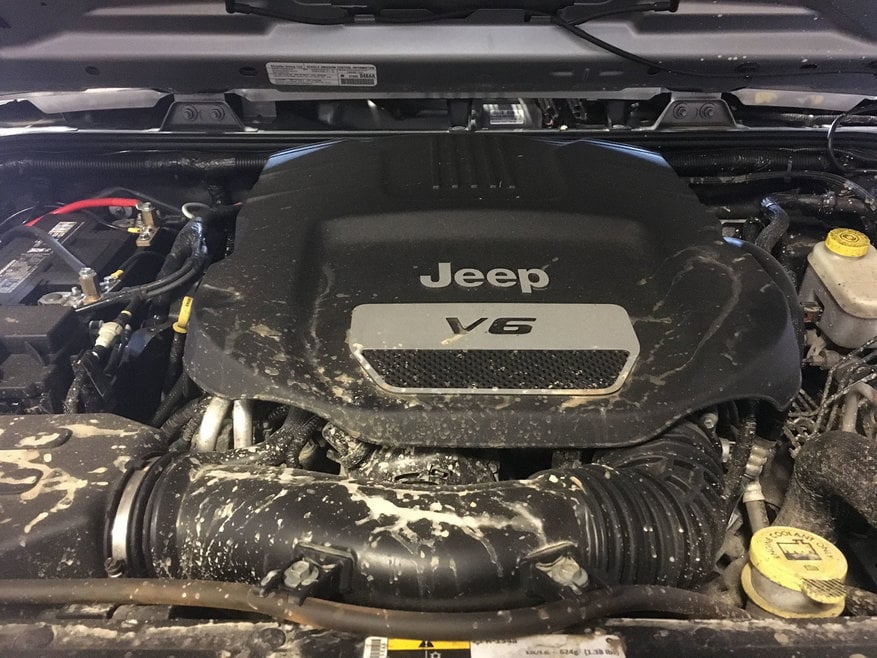
Different engines in the Jeep Wrangler have unique oil needs. For example, the 3.6L V6 engine typically requires about 5 quarts. The 2.0L turbocharged engine may have a slightly different oil volume. Diesel engine versions also vary and might need more oil. Confirm the exact engine type to use the right oil amount.
Choosing The Right Oil
Choosing the right oil for your Jeep Wrangler is crucial for engine health. The correct oil type protects engine parts from wear and tear. It also helps the engine run smoothly in different temperatures. Using the right oil improves fuel efficiency and extends engine life. Always pick oil based on your Jeep’s engine model and driving conditions.
Recommended Oil Types
Jeep Wrangler engines usually need oils that meet specific standards. Most models require oils that comply with API (American Petroleum Institute) ratings. Commonly recommended oils include those labeled as SN or SP for gasoline engines. Diesel engines need oils with CJ-4 or CK-4 ratings. Always check your owner’s manual for the exact oil type suited for your engine.
Viscosity Ratings
Viscosity means how thick or thin the oil is. It affects how well the oil flows at different temperatures. Jeep Wranglers often use 5W-20 or 5W-30 oils. The first number indicates how the oil flows in cold weather. The second number shows how it performs at high engine temperatures. Choosing the right viscosity ensures proper lubrication and engine protection.
Synthetic Vs Conventional
Synthetic oil offers better performance than conventional oil. It flows smoothly in extreme cold and heat. Synthetic oils resist breaking down, which means longer oil change intervals. Conventional oil is cheaper but may need changing more often. For Jeep Wranglers used in tough conditions, synthetic oil is a smart choice. It keeps the engine cleaner and running longer.
Oil Change Process
Changing the oil in your Jeep Wrangler is a key task to keep the engine running smoothly. The process is straightforward and requires some basic tools. Follow each step carefully to ensure proper maintenance and avoid engine damage.
Preparing For The Change
Park your Jeep on a flat surface and turn off the engine. Let the engine cool for 10 minutes to avoid burns. Gather an oil drain pan, wrench, new oil filter, and the correct amount of oil. Use gloves and rags to keep the area clean.
Draining Old Oil
Locate the oil drain plug under the engine. Place the drain pan beneath it. Use a wrench to loosen the plug carefully. Allow all the old oil to drain out completely. Replace the drain plug and tighten it securely.
Replacing Oil Filter
Find the oil filter near the engine block. Use an oil filter wrench to remove the old filter. Before installing the new one, apply a thin layer of oil to its rubber seal. Screw the new filter on by hand until snug.
Adding New Oil
Open the hood and remove the oil filler cap. Pour the recommended amount of new oil into the engine. For most Jeep Wranglers, this is about 5 quarts. Use a funnel to avoid spills and keep the area clean.
Checking Oil Level
Start the engine and run it for a minute to circulate the oil. Turn off the engine and wait a few minutes for oil to settle. Pull out the dipstick, wipe it clean, then reinsert it fully. Pull it out again and check the oil level. Add more oil if below the “full” mark.
Credit: www.jlwranglerforums.com
Signs You Need An Oil Change
Knowing the signs that your Jeep Wrangler needs an oil change is crucial. Regular oil changes keep your engine running smoothly. Ignoring these signs can lead to costly repairs. Watch for clear signals your oil needs attention. These signs help you act before problems worsen.
Dashboard Indicators
The oil change light on your dashboard is a key alert. It glows when oil quality drops or levels are low. The check engine light may also come on. Do not ignore these warnings. They tell you to check your oil immediately.
Engine Performance
Your Jeep’s engine may run rough or sound louder. You might notice a drop in fuel efficiency. Hesitation or stalling can also happen. These changes often mean old or dirty oil needs changing. Smooth and quiet engine work shows healthy oil.
Oil Condition
Check your oil with the dipstick regularly. Clean oil is amber and clear. Dark, dirty, or gritty oil means it’s time to change. Thick or sludgy oil can harm the engine. Fresh oil keeps parts lubricated and cool.
Common Mistakes To Avoid
Maintaining the right oil level and quality is crucial for your Jeep Wrangler’s engine health. Avoiding common mistakes during oil changes helps your vehicle run smoothly and last longer. Let’s explore typical errors many Jeep owners make and how to prevent them.
Overfilling Oil
Adding too much oil can cause engine problems. Excess oil creates pressure and leaks, damaging seals and gaskets. Check the dipstick carefully and add oil slowly. Stop adding once it reaches the full mark.
Using Incorrect Oil Type
Choosing the wrong oil harms engine performance. Use oil that matches your Jeep’s specifications. Refer to the owner’s manual for the right viscosity and grade. Using cheaper or unsuitable oil risks engine wear.
Ignoring Filter Replacement
Old filters block oil flow and reduce lubrication. Always replace the oil filter during oil changes. A clean filter keeps contaminants out and protects the engine. Skipping this step can lead to costly repairs later.
Maintenance Tips
Maintaining your Jeep Wrangler’s engine oil is vital for its performance and longevity. Proper care ensures smooth driving and prevents costly repairs. Follow these maintenance tips to keep your Wrangler running at its best.
Regular Oil Checks
Check your oil level often. Use the dipstick to measure oil quantity. Do this when the engine is cool and on a level surface. Low oil can cause engine damage. Frequent checks help spot leaks early.
Following Manufacturer Schedule
Change oil as recommended in the owner’s manual. Jeep typically suggests oil changes every 5,000 to 7,500 miles. Sticking to the schedule keeps your engine clean. It also maintains warranty coverage and engine health.
Using Quality Filters And Oil
Use high-quality oil and filters made for Jeep Wranglers. Good oil reduces friction and wear inside the engine. Quality filters trap dirt and debris effectively. This prevents engine damage and improves performance.
Where To Get Oil Changes
Knowing where to get oil changes for your Jeep Wrangler is key to keeping it running smoothly. Regular oil changes protect your engine and improve performance. There are several options, each with its own benefits. Choose the one that fits your needs and skills best.
Dealership Services
Dealerships offer oil changes with trained technicians. They use parts and oil recommended by Jeep. You get a full vehicle checkup during the service. Dealerships often keep your vehicle history on file. This helps with warranty and resale value. The price might be higher, but the service is reliable.
Independent Mechanics
Independent mechanics provide a cheaper oil change option. Many have experience with Jeep Wranglers. They often use quality oil and filters too. Service times can be faster than dealerships. Independent shops may offer more personal service. Check reviews to ensure trustworthiness and skill.
Diy Oil Change
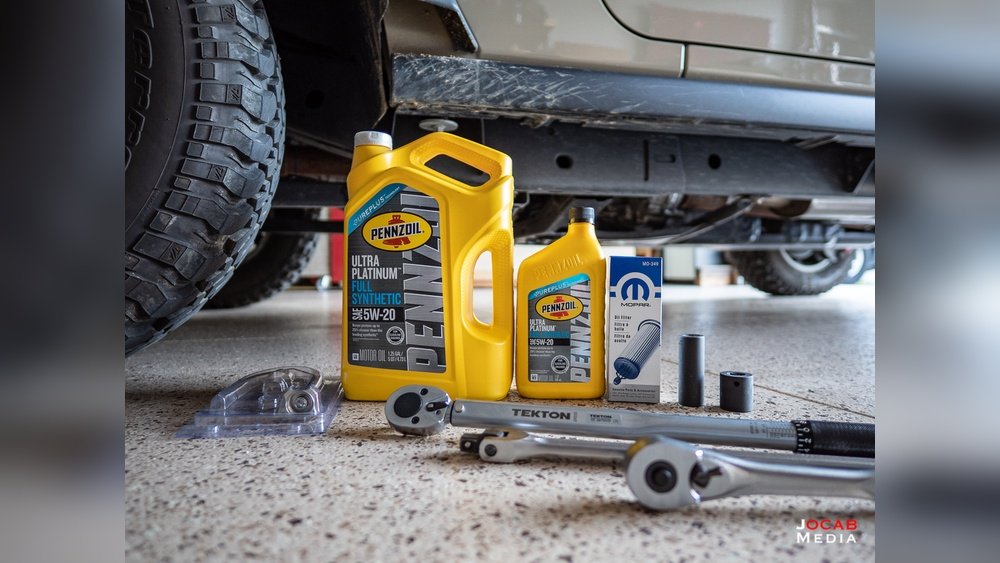
Changing oil yourself saves money and gives control. You will need the right oil, filter, and tools. Follow your Jeep’s manual for oil type and quantity. Drain old oil completely before adding new oil. Proper disposal of used oil is important. Many auto stores accept used oil for recycling. DIY helps you learn more about your Jeep.

Credit: www.wayalife.com
Frequently Asked Questions
How Much Oil Does A 3.6 L Jeep Wrangler Take?
A 3. 6L Jeep Wrangler requires 5 quarts of engine oil. Always verify with your owner’s manual.
How Much Oil Does A 3.8 L V6 Jeep Take?
A 3. 8L V6 Jeep engine requires approximately 5 quarts of oil. Always verify with your owner’s manual.
How Much Oil Does A 3.8 L V6 Take?
A 3. 8L V6 engine typically requires about 5 quarts (4. 7 liters) of oil. Always check the owner’s manual for exact capacity.
How Many Quarts Of Oil Does A 3.6 L V6 Take?
A 3. 6L V6 engine typically requires 5 quarts of oil. Always verify with your owner’s manual for exact capacity.
Conclusion
Knowing the correct oil capacity helps keep your Jeep Wrangler running well. Most models need about five quarts of oil. Always check the owner’s manual for your specific year and engine type. Using the right oil amount protects the engine from damage.
Regular oil changes improve performance and extend your vehicle’s life. Keep your Jeep ready for any road or trail ahead. Simple care makes a big difference.