How Many Mpg Does Jeep Wrangler Get: Real Fuel Efficiency Revealed
 Reading Time: 10 minutes
 If you’re thinking about owning a Jeep Wrangler, one question probably stands out: how many miles per gallon (MPG) does it really get? Whether you plan to cruise through city streets or tackle rugged trails, knowing your Wrangler’s fuel efficiency helps you budget better and plan trips with confidence.
The Jeep Wrangler is famous for its rugged style and off-road power, but that toughness often comes with a trade-off in gas mileage. You’ll discover what kind of MPG to expect from different Wrangler models, what factors affect fuel economy, and how you can get the most out of every tank.
Keep reading to find out if the Jeep Wrangler fits your fuel needs and lifestyle.
Jeep Wrangler Fuel Economy
The Jeep Wrangler is famous for its rugged style and off-road power. Fuel economy is not its strongest suit. Its design and engine options focus more on toughness than on saving gas. Still, many buyers want to know how many miles per gallon (MPG) this SUV can deliver. Understanding its fuel economy helps drivers plan trips and manage fuel costs better.
The Wrangler’s fuel efficiency varies a lot. It depends on the model, engine type, and driving conditions. This section breaks down the typical MPG you can expect. It also compares city and highway mileage to give a clear picture of its performance on the road.
Typical Mpg By Model
Different Jeep Wrangler models offer different MPG ratings. The base models with smaller engines usually get better mileage. For example, the 2.0L turbocharged four-cylinder engine can deliver around 22 MPG in the city and 24 MPG on highways. V6 engines, which are common in Wranglers, tend to offer slightly lower MPG, averaging about 17 city and 23 highway.
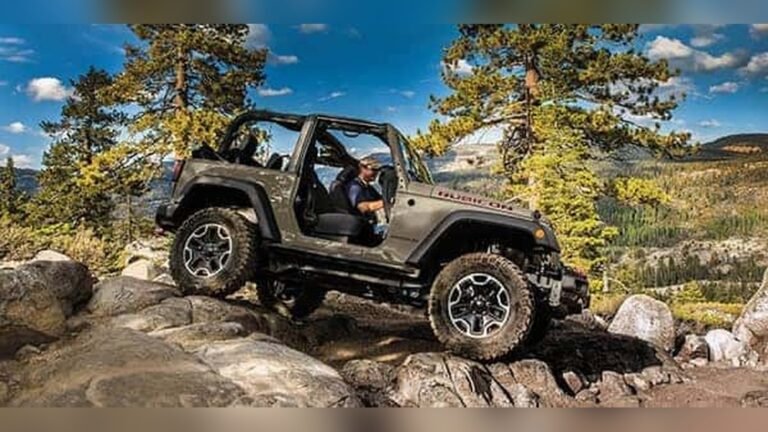
Hybrid versions of the Wrangler improve fuel economy. They can achieve close to 20 MPG in the city and 24 on the highway. Off-road trims like the Rubicon have larger tires and extra weight. These features reduce fuel efficiency by a few miles per gallon compared to standard trims.
City Vs Highway Mileage
The Jeep Wrangler performs differently in city and highway driving. City mileage is lower because stop-and-go traffic uses more fuel. The Wrangler’s heavy frame and boxy shape add to this effect. On average, expect about 17 to 22 MPG in the city depending on the model.
Highway driving is easier on fuel. The Wrangler’s MPG improves here due to steady speeds and fewer stops. Highway mileage can range from 21 to 24 MPG. The smoother the road, the better the fuel economy. Still, the Wrangler’s off-road design limits its top efficiency compared to other SUVs.

Credit: www.scottevanschryslerdodgejeep.com
Factors Impacting Mpg
Several factors influence the miles per gallon (MPG) a Jeep Wrangler can achieve. Understanding these elements helps set realistic expectations for fuel economy. The Jeep Wrangler’s design focuses on off-road ability, which can affect its efficiency on the road. Different transmissions, body styles, and driving behaviors all play a role in fuel consumption.
Transmission Types
The type of transmission affects fuel efficiency significantly. Automatic transmissions in newer Jeep Wranglers tend to deliver better MPG than manual versions. Automatics optimize gear shifts for smoother and more efficient driving. Manuals give drivers control but may lead to inconsistent fuel use. Some models offer advanced eight-speed automatics that improve gas mileage over older six-speed manuals.
Body Style And Trim Effects
Jeep Wranglers come in two-door and four-door body styles. Two-door models usually have slightly better fuel economy because they are lighter and smaller. Different trims, such as the Rubicon, are designed for off-road use and often carry heavier parts. Larger tires and added equipment on off-road trims increase drag and reduce MPG. Choosing a simpler trim with stock tires can improve fuel efficiency.
Driving Habits And Modifications
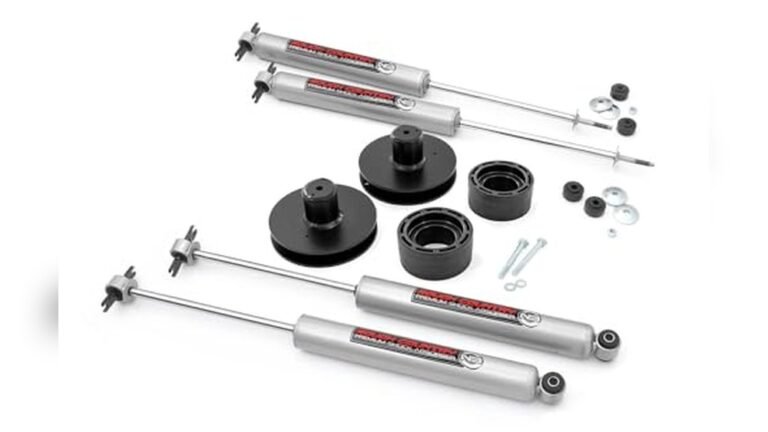
How a Jeep Wrangler is driven impacts its gas mileage greatly. Aggressive driving, such as rapid acceleration and hard braking, lowers MPG. Modifications like lift kits and oversized tires raise wind resistance and rolling resistance. These changes make the engine work harder and burn more fuel. Smooth driving and keeping the Jeep close to factory settings help maintain better fuel economy.
Fuel Efficiency Compared
Fuel efficiency is a key concern for many Jeep Wrangler buyers. The Wrangler’s rugged design and off-road capabilities often come with a trade-off in miles per gallon (MPG). Comparing its fuel economy with hybrid vehicles and other SUVs helps understand where it stands in today’s market. This section explores how the Wrangler performs against various models in terms of fuel consumption.
Wrangler Vs Hybrid Models
The Jeep Wrangler typically averages between 17 and 25 MPG, depending on the engine and trim. Hybrids like the Toyota Prius or Honda Insight deliver much higher numbers, often exceeding 50 MPG. These hybrids use electric motors to reduce fuel use, especially in city driving. The Wrangler’s fuel efficiency falls short because it focuses more on power and off-road ability than saving gas.
Hybrids also benefit from lighter designs and smoother aerodynamics. The Wrangler’s boxy shape and heavy frame increase wind resistance and weight. This causes more fuel to burn during trips. Drivers who want excellent fuel economy usually prefer hybrids, while those who need off-road skills choose the Wrangler despite its lower MPG.
Other Suv Comparisons
Compared to other traditional SUVs, the Wrangler’s fuel economy is below average. Many SUVs in its size class average around 20 to 30 MPG. Models like the Toyota 4Runner or Ford Bronco offer better mileage in some trims. These SUVs balance off-road abilities with improved engines and lighter materials.
The Wrangler’s large tires and rugged suspension often reduce fuel efficiency further. Off-road versions, such as the Rubicon, see even lower MPG due to heavier components. For daily driving, some drivers might find other SUVs more fuel-friendly. The Wrangler remains a strong choice for those prioritizing adventure over fuel savings.
Model Years To Avoid
Not all Jeep Wrangler model years offer the same reliability or fuel efficiency. Some years have known problems that can affect mileage and overall performance. Avoiding certain model years can save money and hassle in the long run. Here are the model years to be cautious about and the main issues they face.
Common Mechanical Issues
Models from 2007 to 2012 often suffer from the “death wobble.” This is a strong, shaking motion in the steering wheel. It happens due to worn steering parts. Fixing this problem can be costly and affect driving safety. Some engines in these years also had problems with oil leaks and timing chain noise. These issues reduce fuel efficiency and cause extra repairs.
Electrical Problems
Many Jeep Wranglers between 2007 and 2012 face electrical troubles. The Totally Integrated Power Module (TIPM) can fail, causing random warning lights or power loss. Sensors may also give false readings. These faults lead to poor engine performance and lower miles per gallon. Electrical fixes can be tricky and expensive to diagnose.
Safety Concerns
Certain Wrangler models have low safety ratings due to rollover risks and weak side-impact protection. The 2007-2012 models especially show these concerns. Safety issues can also affect insurance costs and resale value. Choosing safer model years improves peace of mind on and off the road.
Better Jeep Wrangler Years
The Jeep Wrangler has evolved over the years, with some models offering better fuel efficiency and reliability. Choosing the right year can improve your driving experience and save on gas. Focus on models known for balance between performance and mileage. This helps when considering fuel economy alongside Jeep’s legendary off-road capability.
Jk And Jl Generations
The JK generation ran from 2007 to 2018 and made several improvements in fuel economy. The JK Wrangler usually gets around 17-21 mpg depending on the engine and model. It offers a mix of power and efficiency for daily driving and trails.
The JL generation started in 2018 and features better aerodynamics and updated engines. It can achieve up to 22-25 mpg on some trims. The JL models also include mild hybrid options, boosting fuel savings without losing performance.
Inspection Tips For Used Models
Check the vehicle history report for accidents or major repairs. Look for rust, especially under the frame and in the wheel wells. Test the engine and transmission for smooth operation and any strange noises.
Inspect the tires and suspension for wear, which impacts fuel efficiency. Verify all electrical systems and warning lights work properly. Consider a professional pre-purchase inspection to avoid costly issues later.

Credit: www.darcarschryslerjeepdodgeofmarlowheights.com
Design And Performance Impact
The design and performance of the Jeep Wrangler play a major role in its fuel efficiency. Its unique shape and rugged build affect how much gas it uses. Each design choice impacts miles per gallon (MPG) in different ways.
The Wrangler is built to handle tough terrain, not just smooth highways. This means some performance features can lower its fuel economy. Understanding these factors helps explain why the Jeep Wrangler’s MPG numbers are what they are.
Aerodynamics And Weight
The Jeep Wrangler has a boxy shape that is not very aerodynamic. Air resistance increases at higher speeds. This causes the engine to work harder and use more fuel.
Its flat windshield and upright design add drag. The heavy steel body also adds weight. Heavier vehicles need more energy to move, reducing fuel efficiency.
Removable doors and roof panels increase wind noise and drag. This affects the MPG, especially on highways. Overall, the Wrangler’s design favors durability and off-road use over fuel savings.
Off-road Features Affecting Mpg
The Jeep Wrangler includes many off-road features that impact its fuel economy. Large, aggressive tires create more rolling resistance. This makes the engine work harder on paved roads.
Higher ground clearance and suspension travel add weight and reduce stability at speed. These factors lower fuel efficiency. Four-wheel drive systems also consume more fuel than two-wheel drive.
Locking differentials and skid plates add to the vehicle’s weight. They protect the Jeep off-road but reduce MPG. These features are essential for off-road performance but not for saving gas.
Maximizing Fuel Efficiency
Maximizing fuel efficiency in a Jeep Wrangler helps reduce trips to the gas station. It also lowers your driving costs and helps the environment. Small changes in care and driving can lead to better miles per gallon (MPG). The Wrangler’s design and off-road features challenge fuel economy. Still, you can improve MPG with simple habits and upkeep.
Maintenance Tips
Keep your Jeep’s engine tuned for best fuel use. Dirty air filters reduce airflow and lower MPG. Check tire pressure often; low pressure wastes fuel. Change oil regularly to keep the engine running smoothly. Use the recommended fuel grade for your Wrangler. Regularly inspect spark plugs and replace if worn. Remove extra weight and roof racks when not needed. Clean the vehicle’s underbody to reduce drag. Well-maintained brakes prevent energy loss from dragging.
Driving Techniques
Drive steadily, avoiding quick starts and stops. Use cruise control on highways to maintain constant speed. Avoid idling for long periods to save fuel. Shift gears smoothly in manual models to keep the engine efficient. Slow down on highways; higher speeds use more gas. Plan routes to avoid heavy traffic and reduce stop-and-go. Use air conditioning sparingly, as it increases fuel use. Turn off unnecessary electrical devices to reduce engine load.

Credit: www.simivalleychryslerdodgejeepram.com
Frequently Asked Questions
Are Jeep Wranglers Good On Gas Mileage?
Jeep Wranglers generally have lower gas mileage than typical SUVs due to their boxy, off-road design. Fuel efficiency varies by model, engine, and driving habits. Newer automatic models and two-door trims often achieve slightly better MPG. Off-road modifications and aggressive driving reduce fuel economy further.
What Car Gets 52 Miles Per Gallon?
The 2023 Toyota Corolla Hybrid achieves around 52 miles per gallon combined. It offers excellent fuel efficiency and reliability.
Are Jeeps High On Gas?
Jeeps, especially Wrangler models, generally consume more gas due to their boxy design and off-road features. Their fuel efficiency is lower than typical SUVs. Driving habits, model year, and trims also affect mileage, with two-door versions usually performing slightly better than four-door models.
What Year To Stay Away From A Jeep Wrangler?
Avoid 2007-2012 Jeep Wranglers due to common TIPM failures and death wobble issues. Inspect all used models carefully.
Conclusion
Jeep Wranglers offer moderate fuel efficiency compared to other SUVs. Mileage depends on model year, engine type, and driving habits. Two-door versions tend to use less gas than four-door models. Off-road features and bigger tires often lower miles per gallon.
Driving smoothly and avoiding heavy modifications can improve fuel economy. Always check official EPA ratings before buying. Knowing these facts helps you choose the right Wrangler for your needs. Fuel efficiency is just one part of what makes the Jeep Wrangler unique and popular.