How Many Miles Do Jeep Wranglers Last: Ultimate Longevity Guide
 Reading Time: 8 minutes
 If you’re wondering how many miles your Jeep Wrangler can last, you’re not alone. Jeep Wranglers are famous for their ruggedness and off-road capability, but many ask: just how long can they keep going?
Whether you’re planning a long-term adventure or shopping for a used Wrangler, knowing what to expect in terms of lifespan is key. You’ll discover the average mileage these vehicles reach, what factors affect their durability, and practical tips to help your Jeep run smoothly for years to come.
Keep reading to find out how to get the most mileage out of your Wrangler and avoid costly surprises down the road.
Jeep Wrangler Lifespan
The Jeep Wrangler is known for its rugged design and off-road capability. Many drivers wonder how long they can expect their Wrangler to last. Understanding the lifespan helps in making smart buying and maintenance decisions.
With proper care, a Jeep Wrangler can serve its owner for many years. Several factors influence how far a Wrangler can go before needing major repairs or replacement.
Average Mileage Range
On average, Jeep Wranglers last between 200,000 and 250,000 miles. Some owners report even higher mileage with regular maintenance. Routine oil changes, brake checks, and tire rotations extend its life. Driving mostly on highways reduces wear compared to rough trails. Proper care is key to reaching high mileage milestones.
Longevity Compared To Other Suvs
Jeep Wranglers often outlast many other SUVs in their class. Their simple design and strong frame help them endure tough conditions. While some SUVs focus on comfort, Wranglers prioritize durability. This makes them a popular choice for off-road enthusiasts. Many drivers keep Wranglers for over a decade due to their lasting build quality.
Key Longevity Factors
The lifespan of a Jeep Wrangler depends on several key factors. These factors influence how many miles your Wrangler can last. Understanding them helps you care for your vehicle better. Good care and smart choices extend its life. Below are the main factors that affect your Jeep Wrangler’s longevity.
Maintenance Habits
Regular maintenance is the most important factor for Jeep durability. Change oil and filters on time. Check tire pressure and rotate tires often. Keep fluids topped up, such as coolant and brake fluid. Small repairs should not be delayed. Clean the undercarriage to avoid rust, especially in wet climates. Following the manufacturer’s service schedule helps prevent major breakdowns.
Driving Style Impact
How you drive affects the Jeep’s lifespan. Gentle highway driving causes less wear than rough off-roading. Avoid hard braking and fast acceleration. Slow down on rocky or uneven trails. Overloading the vehicle can strain the engine and suspension. Smooth driving habits reduce stress on parts and extend mileage.
Environmental Effects
Environment plays a big role in Jeep life. Salt on roads in winter can cause rust quickly. Dusty or sandy areas may clog filters and wear down components. Hot climates can overheat the engine if cooling is poor. Wet and humid places promote corrosion. Protect your Jeep by washing it regularly and inspecting for rust or damage.
Modifications And Upgrades
Modifications can improve performance or cause harm. Properly installed parts like suspension lifts or better tires help your Jeep last longer off-road. Poorly done upgrades may damage the drivetrain or reduce fuel efficiency. Use quality parts and have experts install them. Avoid extreme changes that put extra strain on the engine or frame.
Mileage Milestones
Tracking mileage milestones helps understand how long Jeep Wranglers can last. These vehicles are built tough but their lifespan depends on use and care. Knowing key mileage points guides buyers and owners on what to expect and how to maintain their Jeep.
When Is Mileage Too High?
Mileage over 150,000 miles is often seen as high for a Jeep Wrangler. At this stage, the vehicle might need more repairs and parts replacement. However, a well-maintained Wrangler can run smoothly past 200,000 miles. High mileage does not always mean poor condition but requires careful inspection.
Common Signs Of Wear
Look for rust on the frame and undercarriage as a major sign of wear. Suspension parts like shocks and bushings may become loose or noisy. Engine oil leaks or unusual sounds might indicate engine wear. Tires often show uneven tread wear after heavy off-road use. These signs help decide if repairs are needed soon.
Typical Lifespan Benchmarks
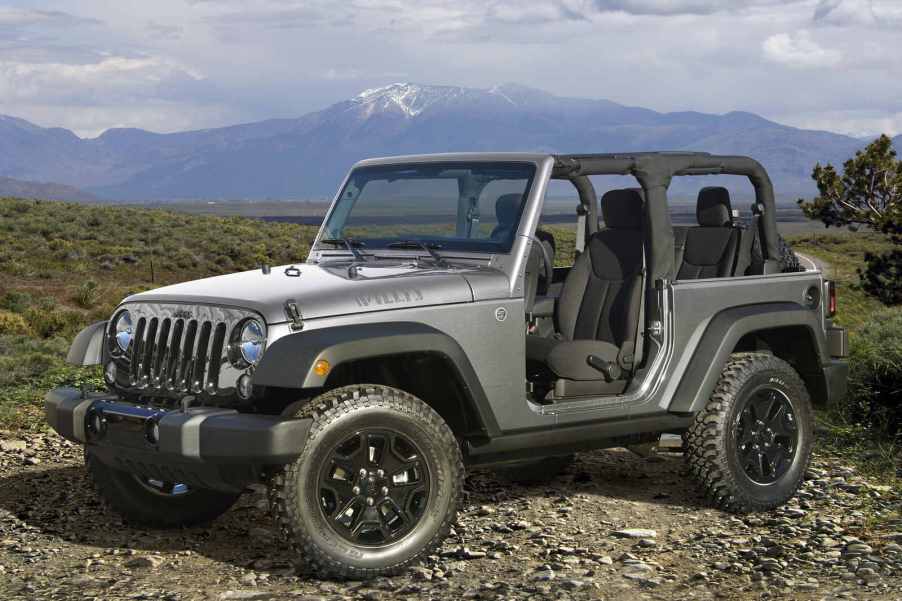
Jeep Wranglers usually last between 150,000 and 250,000 miles. With regular maintenance, many reach 200,000 miles or more without major issues. The first 100,000 miles often require basic upkeep. After 150,000 miles, expect some parts to need replacement. Proper care extends the vehicle’s lifespan significantly.
Credit: www.motorbiscuit.com
Model Year Insights
Understanding the lifespan of Jeep Wranglers starts with examining their model years. Each generation brings changes that affect durability and performance. Some years are known for issues, while others show clear improvements. Knowing these details helps in choosing a reliable Wrangler that lasts.
Years To Approach Cautiously
Certain Wrangler model years have reported frequent problems. For example, some 2007 to 2010 models faced electrical and transmission issues. Early 2011 models also had recalls related to engine components. These years may need extra inspections before buying. Owners often spend more on repairs during these periods.
Improvements In Later Models
Jeep improved many features starting around 2012. New engines and better electronics made Wranglers more reliable. Suspension upgrades enhanced ride comfort and durability. Safety features increased, reducing accident risks. These updates helped Wranglers last longer under tough conditions.
Recommended Model Years
Models from 2015 and onward are often recommended. They combine modern technology with proven Jeep toughness. Maintenance records show fewer breakdowns and longer engine life. Mid-2000s models, like 2005 and 2006, also have good reputations. These years balance affordability and reliability well.
Maintenance Tips
Proper maintenance keeps a Jeep Wrangler running strong for many miles. Regular care helps prevent costly repairs and extends vehicle life. Simple habits make a big difference in performance and reliability. Follow these maintenance tips to get the most from your Wrangler.
Routine Service Checklist
Change the oil every 5,000 miles or as recommended. Check and replace air filters regularly. Rotate tires to ensure even wear. Inspect brake pads and fluid often. Keep fluids topped off, including coolant and transmission fluid. Follow the service schedule in the owner’s manual. Routine checks catch problems before they grow.
Protecting The Undercarriage
Clean the undercarriage after off-road trips or winter driving. Remove mud, salt, and debris to prevent rust. Apply rust-proof coatings if you live in harsh climates. Inspect skid plates and suspension parts for damage. Proper protection keeps the frame and components healthy. This care supports long-term durability.
Early Issue Detection
Listen for unusual sounds from the engine or brakes. Watch for leaks or fluid drops under the vehicle. Notice changes in handling or performance. Address warning lights on the dashboard immediately. Early repairs prevent small issues from becoming big problems. Regular inspections save money and extend lifespan.

Credit: www.simivalleychryslerdodgejeepram.com
Driving And Care Advice
Proper driving habits and regular care keep your Jeep Wrangler running longer. Treat your vehicle with respect during off-road adventures. Protect it from harsh weather and prevent rust for lasting durability. These simple steps help your Jeep last many miles.
Safe Off-roading Practices
Drive slowly on rough trails to avoid damage. Use low gear for better control on steep hills. Avoid sharp turns and sudden stops on uneven ground. Check tires and suspension after each off-road trip. Clean mud and debris from undercarriage to prevent wear.
Handling Harsh Weather
Use appropriate tires for snow or rain for better grip. Warm up the engine before driving in cold weather. Keep fluids like antifreeze and oil at proper levels. Park in a garage or covered area during storms. Wash your Jeep regularly to remove salt and grime.
Preventing Rust And Corrosion
Inspect the underbody for scratches or dents after off-roading. Apply rust-proof coatings on vulnerable areas. Clean road salt off the frame and wheel wells in winter. Fix paint chips quickly to stop rust from spreading. Store your Jeep in a dry place when not in use.
Buying A Used Wrangler
Buying a used Jeep Wrangler can be a smart choice for adventure lovers. Wranglers are built tough and often last long with proper care. Still, not every used Wrangler is the same. Checking key details helps find a reliable vehicle. Focus on mileage, engine health, and model year to make a better choice. Here is what to watch for when choosing a used Wrangler.
Evaluating Mileage And Condition
Mileage shows how much the Jeep has been driven. Lower miles often mean less wear. But a Wrangler with high miles can still be good if maintained well. Look for service records that show regular oil changes and repairs. Check the body for rust or damage. Test the suspension and brakes. A clean, well-kept Jeep is usually a safer buy.
Avoiding Problematic Engines
Some Wrangler engines have known issues. Research common problems for the model year you want. The 3.6L V6 engine is reliable in recent Wranglers. Older engines may need more repairs. Ask a mechanic to inspect the engine before buying. Listen for strange noises and check for leaks. Avoid Wranglers with signs of major engine trouble.
Choosing Reliable Years
Certain years of Jeep Wranglers have better reputations. Models after 2012 often have improved features and fewer problems. The JK series (2007-2018) is popular for durability. The newer JL series (2018 and later) offers modern tech and strong engines. Avoid very old models with outdated parts. Pick a year known for reliability to reduce future repair costs.

Credit: www.turnersvillejeep.com
Frequently Asked Questions
Can A Jeep Wrangler Last 300,000 Miles?
Yes, a Jeep Wrangler can last 300,000 miles with regular maintenance and careful driving. Proper care prevents major issues and extends lifespan.
What Is The Average Lifespan Of A Jeep Wrangler?
The average lifespan of a Jeep Wrangler is around 200,000 miles with proper maintenance. Regular care extends its durability.
Are Jeeps Reliable After 200k Miles?
Jeeps can remain reliable after 200k miles with consistent maintenance and careful driving. Regular checks prevent major issues. Off-road use may reduce longevity. Proper care and timely repairs ensure durability beyond 200k miles.
What Year To Avoid A Jeep Wrangler?
Avoid Jeep Wrangler models from 2007 to 2011 due to frequent complaints and recalls. Later models show improved reliability.
Conclusion
Jeep Wranglers can last well over 200,000 miles with care. Regular maintenance keeps them running smoothly and prevents costly repairs. Gentle driving and avoiding harsh off-road use help extend their lifespan. Protecting the vehicle from harsh weather also reduces wear and rust.
Choosing a Wrangler with a solid maintenance history is smart. With attention and care, these vehicles stay reliable for many years. Longevity depends largely on how you treat your Jeep every day.