How Long Does It Take to Build a Jeep Wrangler: Ultimate Timeline Revealed
 Reading Time: 8 minutes
 If you’ve ever dreamed of owning a Jeep Wrangler, you might be wondering: how long does it actually take to build one? Whether you’re customizing your own or ordering straight from the factory, knowing the timeline can help you plan better.
You want to get behind the wheel as soon as possible, but there are several steps between placing your order and driving off. You’ll discover the real factors that affect build time, what to expect during the process, and tips to track your Jeep every step of the way.
Stick with me to get the full picture and avoid surprises on your Wrangler journey.

Credit: www.thecarconnection.com
Jeep Wrangler Build Timeline
The Jeep Wrangler build timeline shows how long it takes from order to delivery. This timeline includes several steps. Understanding these steps helps set realistic expectations.
Each stage affects the total time you wait for your Wrangler. This section breaks down the timeline clearly.
Order Placement To Delivery
After placing an order, the wait begins. Jeep builds Wranglers based on demand and factory schedules. Orders may take weeks or months before production starts. Delivery depends on how busy the factory is and supply availability. Expect a wait of several months from order to getting your Jeep.
Assembly Duration
Once the Jeep enters the assembly line, the build is fast. Assembly usually takes one to two days. During this time, workers install parts and perform quality checks. The process is efficient but thorough. After assembly, the vehicle moves to inspection and shipping.
Tracking Your Order
You can track your Wrangler order online. Jeep offers tools to see updates on your vehicle’s status. Tracking shows when production starts and the expected delivery date. This helps you stay informed and plan for pickup or shipping.
Factors Affecting Build Time
Several factors influence how long it takes to build a Jeep Wrangler. Understanding these helps set realistic expectations. Build time varies from order to delivery. It depends on factory operations, supply issues, and market trends.
Factory Capacity And Production Rates
Each Jeep factory has a set capacity. Production rates depend on available workers and machinery. If the factory is busy, your Jeep waits in line. Faster production lines reduce wait times. A steady workflow helps build vehicles quickly.
Supply Chain Challenges
Parts must arrive on time for assembly. Shortages of chips or other components cause delays. Shipping problems add to wait times. Factories may pause builds if parts run low. Smooth supply chains keep production moving.
Market Demand Impact
High demand slows the build process. Popular Jeep models face longer queues. Seasonal trends and promotions increase orders. More orders mean longer wait times. Low demand can speed up production and delivery.
Assembly Line Stages
The assembly line stages are key to building a Jeep Wrangler. Each step shapes the vehicle before it reaches the customer. The process is precise and well-organized. It ensures quality and efficiency throughout production.
The assembly line includes several important stages. These stages move the Jeep from raw parts to a finished vehicle. Understanding these steps helps explain how long the build takes.
Body Shop Processes
The body shop is the first major stage. Large metal sheets are stamped into body panels. Robots and skilled workers weld these panels together. The frame and body start to take shape here. This step must be fast and accurate. It forms the Jeep’s strong and rugged structure.
Paint Shop Timing
The paint shop follows the body shop. The Jeep’s body is cleaned and coated with primer. Several layers of paint are applied carefully. This process adds color and protects against rust. Each layer must dry before the next is added. Paint curing takes several hours to complete. This step also improves the Jeep’s final look.
General Assembly Steps
After painting, the Jeep moves to general assembly. Workers install the engine, transmission, and suspension. Electrical systems and interiors are added next. Seats, dashboards, and controls are carefully fitted. Final checks ensure everything works well. This stage takes a day or two. It brings the Jeep to life, ready for testing and delivery.
Build Time Compared To Other Vehicles
The time it takes to build a Jeep Wrangler varies compared to other vehicles. Many factors influence the total build time, from the factory’s efficiency to the vehicle’s design complexity. Understanding these differences helps explain why Jeep Wranglers have unique production timelines.
Efficiency Of Different Plants
Some factories operate faster assembly lines than others. Plants with modern equipment and skilled workers complete builds quickly. Jeep Wranglers are mainly built in specialized plants focused on off-road vehicles. These plants balance speed with careful craftsmanship. Other brands, like compact cars, often have faster production times. Their assembly lines handle simpler models with fewer parts.
Vehicle Complexity Effects
Vehicle design greatly affects build time. Jeeps have rugged frames and complex off-road features. Installing these parts takes more time than building basic cars. Luxury vehicles also need extra time for custom features. In contrast, simple sedans or small hatchbacks are quicker to assemble. The Jeep Wrangler’s robust build and off-road gear add to its production length.
Quality Control Procedures
Quality checks add time to the build process. Jeep Wranglers undergo thorough inspections to ensure durability. Each vehicle must pass tests for safety and performance. Some checks happen during assembly; others occur after the build. Vehicles with strict quality controls take longer to finish. This extra time helps maintain Jeep’s reputation for reliability and toughness.
Common Issues In Jeep Wrangler Models
Jeep Wranglers are popular for their rugged design and off-road capability. Yet, like all vehicles, they have some common issues. Knowing these problems helps buyers and owners maintain their Jeep better. It also sets realistic expectations about reliability and repairs.
This section covers common issues found in Jeep Wrangler models. These include electrical system problems, water leaks, and engine reliability concerns. Understanding these areas can save time and money in the long run.
Electrical System Problems
Many Jeep Wrangler owners report electrical faults. These include problems with the wiring, battery, and sensors. Faulty connections can cause warning lights to turn on unexpectedly. Some models also face issues with the power windows and door locks. These problems can affect vehicle safety and comfort.
Wiring harnesses may wear out faster due to vibration and weather. Moisture can corrode electrical contacts and cause shorts. Regular checks and timely repairs can reduce electrical failures.
Water Leak Concerns
Water leaks are a common complaint in Jeep Wranglers. Rain or car washes can cause water to enter the cabin. Leaks often occur around doors, windows, and the soft top roof. This leads to damp carpets and mold growth inside the vehicle. Water intrusion can damage electrical components as well.
Seals and weather stripping may degrade over time. Replacing these parts can stop leaks and improve comfort. Proper care of the soft top also helps prevent water entry.
Engine Reliability
Jeep Wrangler engines are known for power but sometimes show reliability issues. Some engines may develop oil leaks or consume more oil than usual. Overheating is another reported problem, especially in hot climates or heavy use. Timing chain and valve problems have appeared in certain model years.
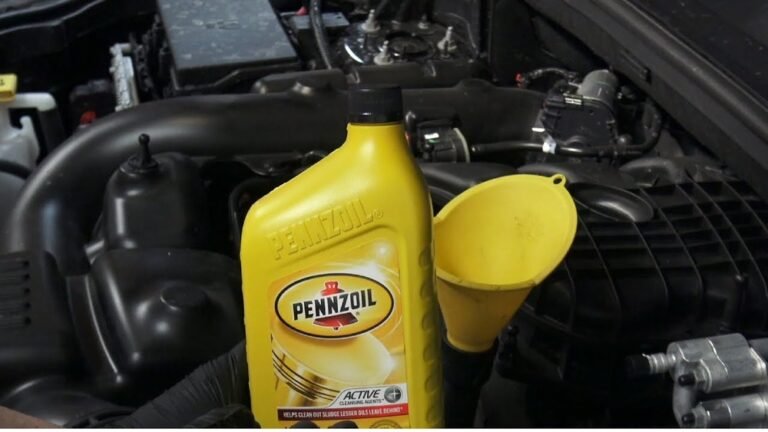
Routine oil changes and cooling system checks help maintain engine health. Addressing minor engine noises or leaks early can avoid costly repairs. Choosing the right engine option based on use also improves longevity.
Credit: www.wideopendesign.com
Best And Worst Model Years
The Jeep Wrangler has a rich history with many model years to consider. Some years offer better reliability and features. Others have issues that can cause headaches. Knowing the best and worst model years helps with your build and purchase decisions.
Choosing the right model year affects how long it takes to build and enjoy your Jeep. Some models have smoother production with fewer delays. Others face recalls or mechanical problems that slow things down. Let’s explore which years to avoid and which ones are recommended.
Years To Avoid
Certain Jeep Wrangler model years have known problems. The 2012 model had frequent transmission failures. The 2011 year showed issues with the electrical system. These problems increase repair costs and downtime.
The 2007 Wrangler had engine troubles and poor fuel efficiency. The 2018 model faced recalls for suspension problems. These issues can delay your build and cause frustration after purchase.
Avoiding these years reduces risks. It helps you get a Jeep that builds faster and runs smoother.
Recommended Used Models
The 2015 and 2016 Jeep Wranglers stand out for reliability. They have fewer recalls and solid performance. These models balance modern features and proven durability.
The 2019 Wrangler offers updated tech and strong off-road ability. It also has better factory build quality. This year is a good choice for buyers wanting newer models.
Models from 2013 to 2017 show fewer mechanical problems. They also have strong resale value. These years provide a smooth build process and long-term satisfaction.
Credit: www.celebritycars.com
Frequently Asked Questions
How Long Does A Jeep Wrangler Take To Build?
A Jeep Wrangler’s assembly takes about 1 to 2 days once production begins. Total delivery can take several months due to order processing and supply factors.
How Long Does Jeep Production Take?
Jeep assembly takes about 1-2 days once production starts. Total wait time from order to delivery often spans several months. Factors like supply chain, demand, and factory capacity influence timing. Customers can track their order status on Jeep’s official website.
How Long Does It Take To Build A Vehicle On The Assembly Line?
Building a vehicle on the assembly line typically takes 17 to 35 hours. Efficiency, complexity, and parts availability affect timing.
What Year To Stay Away From A Jeep Wrangler?
Avoid the 2012 Jeep Wrangler due to frequent TIPM electrical issues and water leaks. The 2014 model has Pentastar engine problems.
Conclusion
Building a Jeep Wrangler involves several key steps. The actual assembly takes only a day or two. Waiting times depend on order queues and supply parts. Delays often come from high demand or part shortages. Tracking your order online helps you stay updated.
Patience is essential, as the full process takes months. Understanding this timeline sets the right expectations for buyers. Enjoy the journey toward owning your custom Jeep Wrangler.