How Long Do Jeep Commanders Last Unveiling the Ultimate Lifespan Secrets: Expert Insights
 Reading Time: 9 minutes
 You love your Jeep Commander, but you might be wondering: how long can it really last? Whether you’re thinking about buying one or already own this rugged SUV, knowing its true lifespan is key.
You’ll discover the hidden factors that affect how many miles and years your Jeep Commander can serve you well. From common issues to smart maintenance tips, we’ll reveal everything you need to keep your Commander running strong. Ready to unlock the ultimate lifespan secrets?
Keep reading—you won’t want to miss what’s ahead!

Credit: creative-stories.fandom.com
Jeep Commander Lifespan
The Jeep Commander is known for its rugged design and spacious interior. Many drivers wonder how long these SUVs can last with regular care. Understanding the lifespan helps buyers and owners set expectations. The lifespan depends on mileage, maintenance, and driving habits. This section breaks down the average mileage and years you can expect from a Jeep Commander.
Average Mileage Expectancy
On average, a Jeep Commander lasts between 150,000 and 200,000 miles. Proper maintenance can push this number higher. Regular oil changes, timely repairs, and keeping the engine healthy are key. Some owners report their Commanders running smoothly past 200,000 miles. High mileage alone does not mean the vehicle is worn out. The overall condition matters more than just the number on the odometer.
Typical Years On The Road
A Jeep Commander typically stays on the road for 10 to 15 years. This lifespan depends on how well the vehicle is cared for. Rust, accidents, and neglect can shorten its life. With proper maintenance, many Commanders serve their owners beyond 15 years. The model’s build quality supports long-term use. Regular checkups help spot issues before they cause major damage.
Common Mechanical Issues
Jeep Commanders have a strong build but face some common mechanical issues. These problems can affect the vehicle’s lifespan and performance. Understanding these issues helps owners maintain their Jeep better. Regular checks and timely repairs reduce risks and extend the vehicle’s life.
Engine Problems
The engine in Jeep Commanders may suffer from dropped valve seats. This issue mainly affects the Hemi engine models. It causes serious damage and can make the engine unusable. Some owners report overheating and rough idling as well. Regular oil changes and cooling system checks can help prevent these problems.
Transmission Concerns
Transmission issues are common in older Jeep Commanders. Many owners report delayed gear engagement or slipping. These problems cause poor shifting and can lead to costly repairs. Transmission fluid changes at recommended intervals improve performance. Early diagnosis of transmission trouble avoids bigger damage.
Exhaust System Flaws
Exhaust leaks are often reported in Jeep Commanders. These leaks reduce fuel efficiency and increase emissions. Rust and corrosion cause most exhaust system problems. Regular inspection and replacement of damaged parts help keep the system working well. Addressing exhaust issues improves engine performance and lowers noise.
Interior And Comfort Challenges
The interior and comfort of a Jeep Commander play a big role in its long-term appeal. Over time, certain issues may affect your driving experience. These problems can reduce the vehicle’s overall lifespan. Understanding them helps you maintain your Commander better.
Many owners report challenges with the sunroof and HVAC system. Interior materials also show wear and tear faster than expected. Addressing these concerns early can improve comfort and increase the Jeep’s usability over the years.
Sunroof And Hvac Issues
Sunroof drain tubes often clog or leak, causing water inside the cabin. This leads to damp seats and unpleasant odors. The HVAC system can blow warm air even when set to cool. These problems lower comfort and may require frequent repairs. Proper cleaning and inspection help avoid major damage.
Interior Material Durability
The interior materials in Jeep Commanders tend to wear out quickly. Door handles may break with regular use. Seats and dashboard surfaces can fade or crack under sunlight. Poor material quality causes this faster deterioration. Protecting the interior with covers and cleaning regularly extends its life.
Model Years To Avoid
Not all Jeep Commander model years share the same reliability. Some years have more issues than others. Knowing which ones to avoid can save you time and money. These problematic years often face recurring mechanical and design problems. Focus on these model years to make a smart choice.
Problems In Early Models
The early Jeep Commander models, especially from 2006 to 2008, faced many challenges. Engine troubles were common. The Hemi engine had risks of dropped valve seats, causing serious damage. Transmission issues appeared as delayed gear engagement. Many owners reported exhaust leaks that affected performance. Interior quality was often poor, with broken door handles and faulty sunroof seals. HVAC systems sometimes leaked water, leading to additional repairs. These problems made the early models less reliable overall.
Recalls And Known Defects
Several recalls targeted Jeep Commanders from the first few years. These recalls addressed engine and transmission defects. Electrical system faults were also common, posing safety risks. Water leaks from sunroof drain tubes were a known defect, affecting cabin comfort. Some models had issues with airbags not deploying properly. Repair costs for these defects could add up quickly. Checking recall history is vital before buying a used Jeep Commander. Avoiding models with unresolved recalls reduces future headaches.
Maintenance Tips For Longevity
Maintaining your Jeep Commander properly extends its life and keeps it running smoothly. Regular care prevents major breakdowns and costly repairs. Simple steps help you enjoy your vehicle longer.
Routine Service Practices
Change the oil every 3,000 to 5,000 miles to protect the engine. Check tire pressure monthly to improve fuel efficiency and handling. Inspect brakes regularly to ensure safety and avoid damage. Replace air filters every 15,000 miles to keep the engine clean. Keep fluids topped up, including coolant, brake, and transmission fluids. Regularly wash and wax your Jeep to prevent rust and paint damage. Follow the manufacturer’s service schedule found in your owner’s manual.
Replacing Parts Wisely
Use genuine or high-quality replacement parts for better durability. Replace worn-out components quickly to avoid further damage. Focus on critical parts like brakes, suspension, and belts. Avoid cheap parts that may fail early and cause more problems. Consult with trusted mechanics for advice on parts replacements. Keep records of all repairs and replacements for future reference. Timely part replacement ensures your Jeep Commander runs efficiently and lasts longer.

Credit: marvelcinematicuniverse.fandom.com
Driving Habits And Environmental Impact
The lifespan of a Jeep Commander depends heavily on driving habits and environmental impact. These factors affect the vehicle’s mechanical parts and overall durability. Understanding how your driving style and local environment influence your Jeep helps extend its life. Small changes in behavior and care can make a big difference.
Effects Of Driving Style
Driving style plays a critical role in Jeep Commander’s longevity. Smooth acceleration and gentle braking reduce wear on brakes and engine parts. Frequent hard stops or rapid starts strain the transmission and suspension. Off-road driving, common for Jeep owners, can cause more damage if done aggressively.
Consistent high speeds increase engine temperature and tire wear. Avoiding rough handling and speeding helps keep mechanical components in good shape. Regular maintenance after tough driving conditions ensures no damage goes unnoticed. Careful driving habits protect your investment and improve your vehicle’s lifespan.
Climate And Terrain Factors
Climate impacts the Jeep Commander’s body and engine performance. Hot, dry climates can cause rubber seals and tires to crack faster. Cold weather leads to battery issues and thickens engine oil, stressing the motor. Humid or wet climates encourage rust and corrosion, especially under the vehicle.
Terrain also affects longevity. Rocky or uneven roads increase suspension wear and tire damage. Mud and sand can clog filters and wear out moving parts quickly. Regular cleaning and timely repairs prevent dirt and moisture from causing lasting harm. Choosing a Jeep Commander suited for your terrain helps avoid early breakdowns.
High Mileage Commanders
The Jeep Commander is built tough, designed for adventure and daily use. Many owners drive their Commanders well past 100,000 miles. High mileage Commanders show the vehicle’s endurance and the owner’s care. These vehicles can last long with proper attention. Understanding common signs of wear helps keep them reliable.
Signs Of Wear To Watch
High mileage Commanders often show clear signs of wear. Engine noise or rough idling can signal problems. Watch for fluid leaks under the vehicle. Suspension parts may wear out, causing a rough ride. Brake pads and rotors need checking regularly. Electrical issues like faulty lights or sensors can appear. Pay attention to transmission slipping or delayed shifts. The air conditioning may lose cool air over time.
Keeping A High Mileage Jeep Running
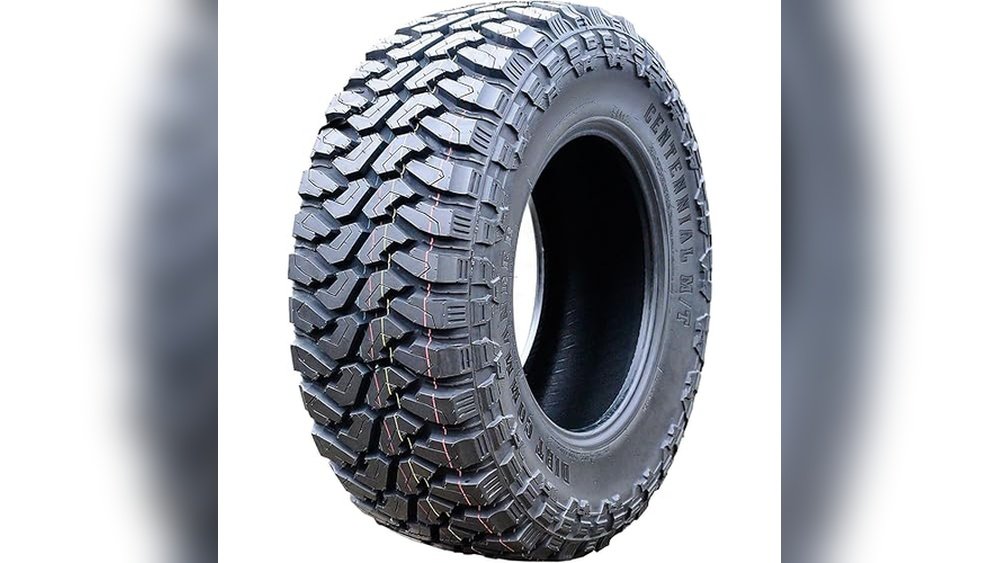
Regular maintenance is key to a long-lasting Jeep Commander. Change the oil and filters on schedule. Use quality fluids and parts for repairs. Check belts and hoses for cracks or leaks. Keep the cooling system clean to avoid overheating. Inspect and replace worn suspension parts. Brake system upkeep ensures safety and performance. Address minor issues quickly to prevent costly repairs. Routine tune-ups help maintain engine health. Maintaining tire condition improves handling and fuel efficiency.

Credit: www.tires-easy.com
Comparing Jeep Models
Jeep models vary widely in design, purpose, and durability. Comparing different Jeep models helps understand their lifespan better. Some models are built for rugged off-road use, while others focus on comfort and daily driving. This affects how long they can last.
Jeep Commanders have a unique build and size, which impacts their longevity compared to other models. Exploring how the Commander stacks up against the Wrangler reveals key differences. Also, identifying the best Jeeps for durability guides buyers who want long-lasting vehicles.
Commander Vs. Wrangler Longevity
The Jeep Wrangler is known for its ruggedness and off-road ability. It often lasts longer due to its simple, durable design. Wranglers can easily reach 200,000 miles with regular care.
In contrast, the Jeep Commander is larger and heavier. It uses more complex parts, which may lead to more repairs. Commanders usually last around 150,000 to 180,000 miles. Proper maintenance can extend this lifespan.
Wranglers have fewer electrical issues and more reliable engines. Commanders sometimes suffer from transmission and HVAC problems. This affects their overall durability and lifespan. Both need routine checks, but Wranglers tend to age better.
Best Jeeps For Durability
Some Jeep models stand out for lasting longer than others. The Wrangler tops the list due to its strong frame and simple mechanics. It is designed for tough conditions and high mileage.
The Jeep Grand Cherokee also ranks well for durability. It offers a balance of comfort and robust build. With proper care, it can last over 200,000 miles.
The Commander is good but not the best for durability. Its size and mechanical complexity require more maintenance. For buyers who want longevity, the Wrangler and Grand Cherokee are safer bets.
Regular maintenance, timely repairs, and gentle driving improve any Jeep’s lifespan. Choosing the right model based on durability needs can save money and stress in the long run.
Frequently Asked Questions
What Is The Life Expectancy Of A Jeep Commander?
The Jeep Commander typically lasts between 150,000 to 200,000 miles with proper maintenance. Regular care extends its lifespan.
What Year Of Jeep Commander To Avoid?
Avoid Jeep Commander models from 2006 to 2008 due to engine, transmission, and sunroof leaks. These years have frequent reliability issues.
What Is High Mileage For A Jeep Commander?
High mileage for a Jeep Commander typically exceeds 150,000 miles. Proper maintenance can extend its lifespan beyond this.
What Is The Best Jeep Model For Longevity?
The Jeep Wrangler stands out as the best model for longevity. It offers durable build quality and reliable performance. With proper maintenance, Wranglers often exceed 200,000 miles. Its strong off-road capability and loyal following make it a top choice for long-lasting Jeeps.
Conclusion
Jeep Commanders can last many years with proper care. Regular maintenance keeps the engine and parts healthy. Watch for common issues like transmission or sunroof leaks early. Driving gently and fixing problems quickly extends lifespan. Older models may need more attention but can still run well.
High mileage is normal for well-maintained Commanders. Knowing what to expect helps you enjoy your Jeep longer. Overall, these vehicles offer solid durability for daily use. Stay attentive and your Jeep Commander will serve you well.