Hard Top for Jeep Wrangler 4 Door: Ultimate Buyer’s Guide
 Reading Time: 8 minutes
 Jeep Wrangler owners love freedom, adventure, and the ability to go almost anywhere. But if you drive a Jeep Wrangler 4 Door, you also want protection from weather, theft, and noise. That’s where a hard top comes in. Many new Wrangler drivers wonder if a hard top is worth it, which type to choose, or how it changes daily driving. This guide will answer those questions in simple terms.
Why Choose A Hard Top For Your Jeep Wrangler 4 Door?
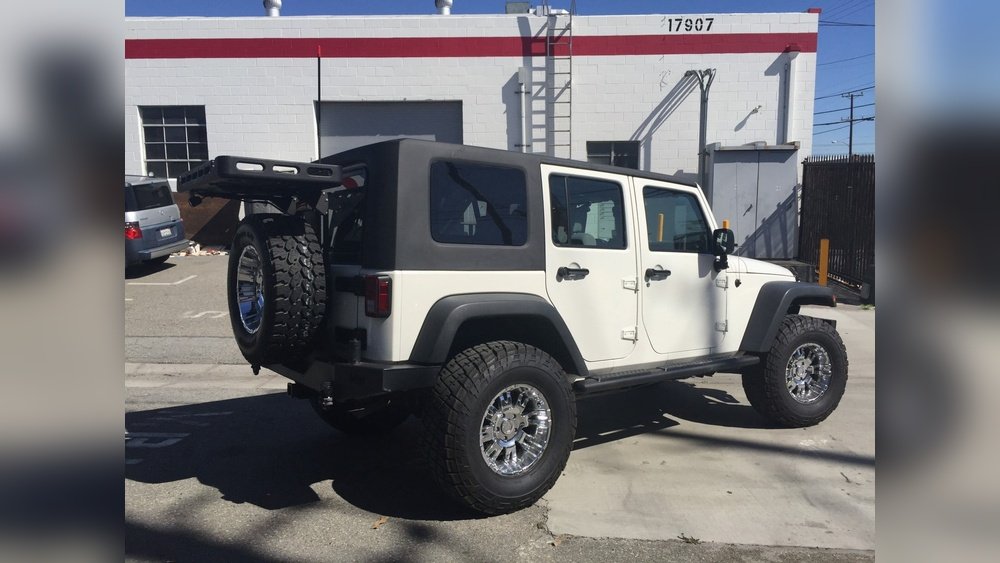
A hard top is a solid roof made from materials like fiberglass or plastic. It’s different from a soft top, which is made of fabric. The hard top changes how your Jeep looks, feels, and works. Here’s why many people switch to a hard top:
- Better protection from rain, snow, and strong sun
- Lower noise inside the vehicle, especially on highways
- Improved security; it’s harder to break into a hard top than a soft top
- Longer lifespan; hard tops last for years with little maintenance
Many owners say a hard top feels like driving a normal car, but with all the fun of a Wrangler.
Main Types Of Hard Tops For Jeep Wrangler 4 Door
There are four main types of hard tops for the Wrangler Unlimited (the 4-door model). Each offers unique benefits. Let’s break down each one.
1. One-piece Hard Top
The one-piece hard top is the most basic style. It’s made from a single, solid piece that covers your entire Jeep roof.
Pros:
- Simple design
- Fewer seams means less chance of leaks
- Often less expensive than multi-piece options
Cons:
- Must be removed as one large, heavy piece (usually over 100 pounds)
- Not easy to store when not in use
- You need 2–3 people to safely remove or install it
Example: If you live in a cold area and only want to remove your top for summer, a one-piece works well.
Key Insight: Many beginners don’t realize how much space a one-piece top needs for storage. Make sure you have a garage or shed that fits it.
2. Two-piece Hard Top
A two-piece hard top is divided into two sections: the front “freedom panels” (over the driver and passenger) and the rear main section.
Pros:
- You can remove just the front panels for sun and air
- Easier to handle than a one-piece
- Still strong and weatherproof
Cons:
- Slightly more expensive than one-piece
- More seams can mean a small risk of leaks if not sealed well
Example: Many Jeep owners keep the rear section on year-round and just pop off the front panels in good weather.
Practical Tip: Always check the seals on the freedom panels. Even a small bit of dust can cause water to leak in after rain.
3. Modular Hard Top
The modular hard top is the most flexible option. It’s made of three or more pieces that you can mix and match.
Pros:
- Maximum flexibility; remove panels in different combinations
- Easier to transport and store since parts are smaller
- Some allow you to convert to a “half-cab” look
Cons:
- Most expensive type
- More seams, so more potential leak points
- Installation can take longer if you’re not used to it
Example: If you like to customize your Jeep often, a modular top gives you options for every season.
Non-Obvious Insight: Some modular tops support accessories like roof racks or roof tents, but not all do. Check before you buy.
4. Fastback (slant Back) Hard Top
A fastback hard top gives your Jeep a sporty look. The back slopes down instead of being boxy.
Pros:
- Unique, aggressive style that stands out
- Can improve aerodynamics a little
- Usually comes in two or three pieces
Cons:
- Rear cargo space can be slightly smaller
- Visibility out the back window may be less
- Usually costs more than standard tops
Example: Off-road fans often choose fastback tops because they look tough and match lifted suspensions.
Beginner Tip: Measure your cargo area before buying a fastback top. Some large items may not fit as easily.
Comparing Hard Top Types
Here’s a simple comparison to help you see the differences at a glance:
| Type | Main Benefit | Main Downside | Estimated Cost (USD) | Weight (lbs) |
|---|---|---|---|---|
| One-Piece | Simple, fewer leaks | Hard to remove/store | $1,500–$2,000 | 100–150 |
| Two-Piece | Removable panels | More seams | $1,800–$2,500 | 120–160 |
| Modular | Most flexible | Expensive, more seams | $2,200–$3,000+ | 130–170 |
| Fastback | Sporty style | Less cargo/visibility | $2,000–$2,800 | 110–155 |
Key Factors To Consider When Choosing A Hard Top
Before you buy, think about your needs and daily habits. Here are the main things to keep in mind:
- Climate: If you live where it rains or snows a lot, a hard top is almost a must.
- Security: Hard tops are much harder to break into than soft tops.
- Noise: Highway driving is quieter with a hard top.
- Ease of removal: If you plan to take the top off often, choose a modular or two-piece.
- Budget: Hard tops are a big investment, often $1,500–$3,000.
- Storage space: Removing a one-piece top takes up a lot of room.
- Style: Some people just love the fastback look!
Mistake to Avoid: Don’t buy a hard top just for style if you need maximum cargo space. The fastback design looks great but may limit your trunk area.

Credit: www.rallytops.com
Installing And Removing Your Hard Top
Many new Jeep owners worry about taking the hard top off or putting it back on. Here’s what you need to know:
- One-piece tops often need 2–3 people to lift safely. They weigh over 100 lbs.
- Two-piece and modular tops can be removed by one person, especially the front panels.
- You’ll need simple tools like a ratchet and Torx bit set (usually included with your Jeep).
- Removing a hard top takes about 10–20 minutes with practice.
- Store your hard top on a padded surface to avoid scratches.
Non-Obvious Insight: Some owners build or buy a ceiling hoist system in their garage. This lets you lift the top off by yourself using ropes or pulleys.
Hard Top Maintenance And Care
A hard top is strong, but it still needs care:
- Wash regularly with gentle car soap and a soft brush
- Check the seals every few months; clean them and add silicone grease to prevent drying out
- Inspect for cracks or chips after off-roading or hail
- Lubricate locks and latches once a year
Pro Tip: Don’t use harsh chemicals or power washers right on the seals. This can cause leaks.
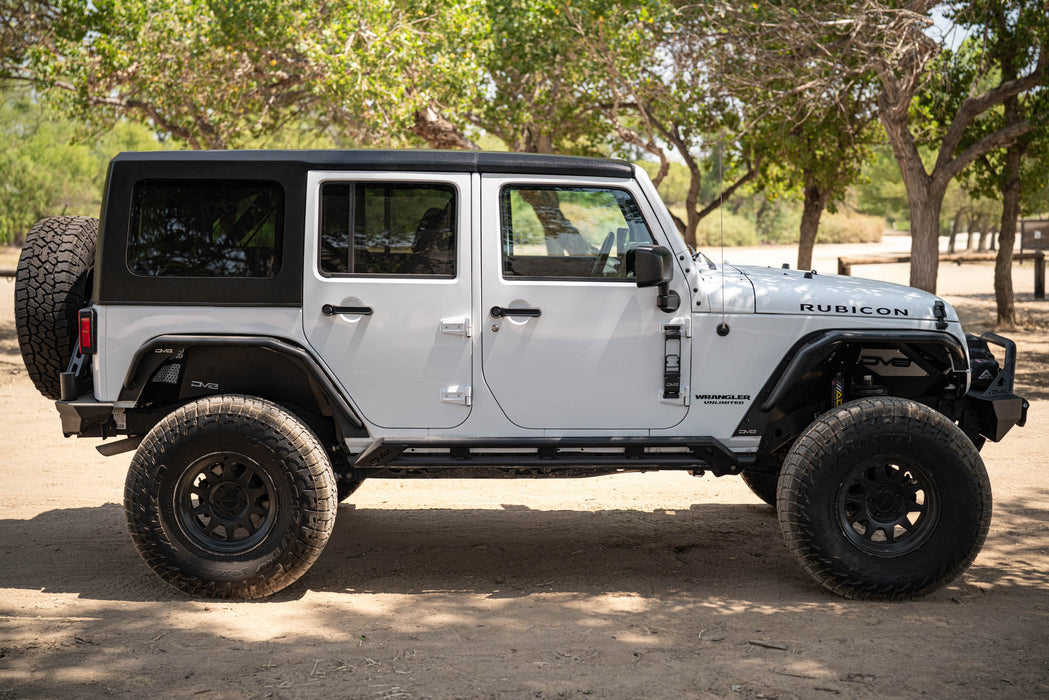
Credit: dv8offroad.com
Hard Top Vs. Soft Top: A Quick Comparison
Many Wrangler 4 Door owners wonder if they should stick with the factory soft top or upgrade to a hard top. Here’s a side-by-side look:
| Feature | Hard Top | Soft Top |
|---|---|---|
| Weather Protection | Excellent | Good |
| Noise Level | Quiet | Loud |
| Security | High | Low |
| Weight | Heavy | Light |
| Price | Expensive | Less expensive |
| Seasonal Flexibility | Low | High |
Real Example: In cold states like Michigan, most Jeep drivers use their hard top for winter and switch to a soft top for summer.
Popular Brands And Options
You’ll find many brands making hard tops for the Jeep Wrangler 4 Door. Some of the most trusted include:
- Mopar (official Jeep brand)
- Bestop
- Smittybilt
- Rugged Ridge
- DV8 Offroad
Each brand offers different features, from simple one-piece designs to advanced modular systems. Always check for warranty, fitment, and reviews before buying.
Practical Tip: Buy your hard top from a certified dealer or a reputable shop. Cheap knockoffs may not fit well and can leak or crack.
Real-world Benefits Of Upgrading To A Hard Top
Owners report several improvements after switching to a hard top:
- Quieter rides on highways; less wind noise at 70 mph
- Lower heating and cooling costs; the cabin stays at the right temperature longer
- Peace of mind when parking overnight; less worry about theft
- Higher resale value; Jeeps with hard tops sell for more money
For example, according to Kelley Blue Book, a used Wrangler with a factory hard top can sell for $1,000–$2,000 more than a soft top model.
Common Mistakes When Buying A Hard Top
Avoid these beginner errors:
- Not checking fitment: Make sure the top is for the 4-door model, not the 2-door.
- Ignoring used options: Sometimes you can find a barely-used OEM hard top for half the price.
- Forgetting about color: Factory hard tops come in black or body color. Aftermarket tops may need painting.
- Not budgeting for accessories: You may need new seals, hardware, or a storage hoist.
Pro Tip: If you’re not sure, ask for help on Jeep forums or at your local dealership before you buy.
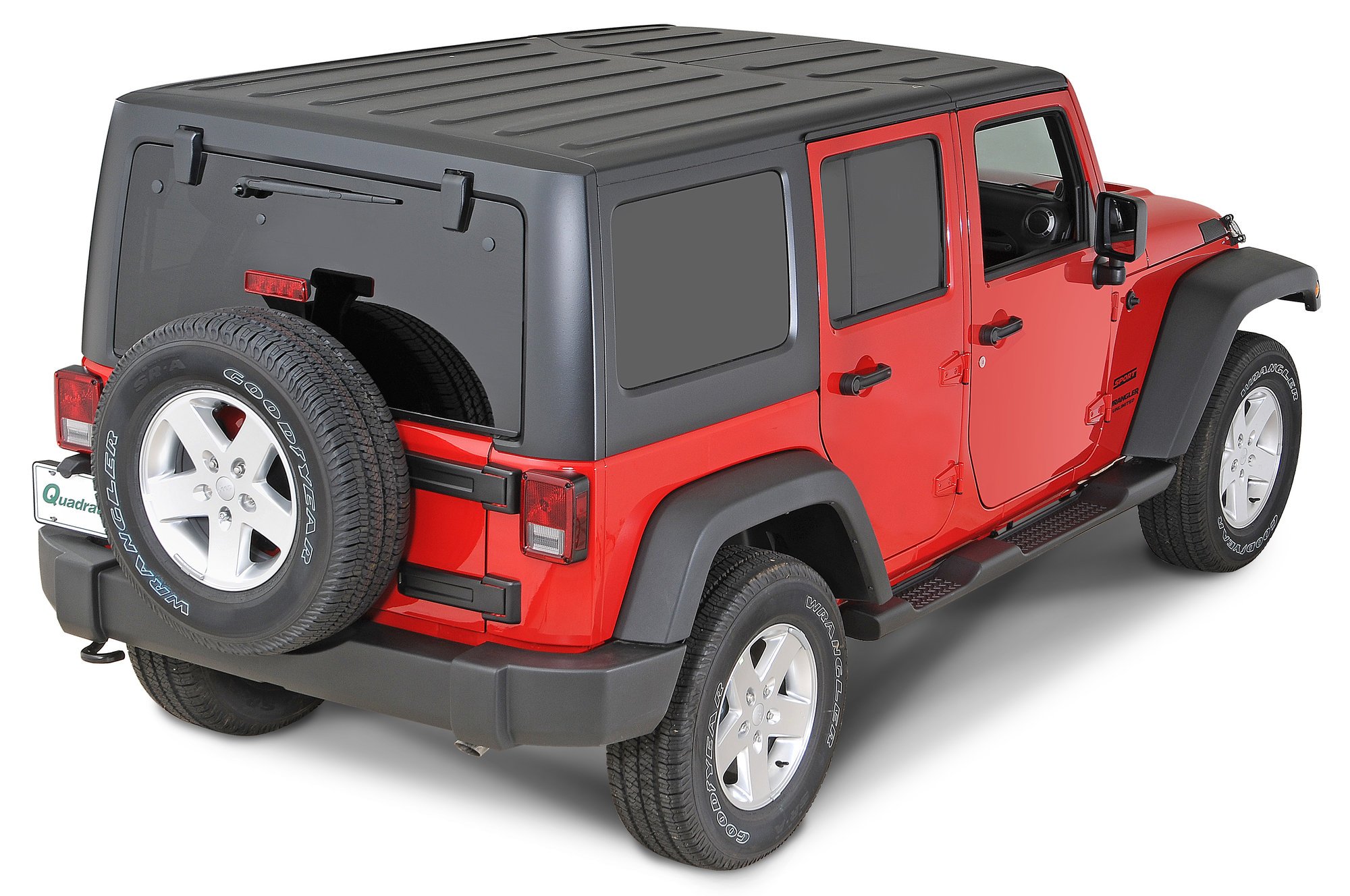
Credit: www.quadratec.com
How To Save Money On A Hard Top
- Buy used: Check Craigslist, Facebook Marketplace, or Jeep forums.
- Wait for sales: Some shops offer discounts in spring and fall.
- Sell your old soft top: Get back some cash to help pay for your hard top.
Legal And Insurance Considerations
- In some states, you must have a hard top in winter for safety reasons.
- Tell your insurance company if you switch to a hard top; it may affect your premium.
- Always keep your old top in case you want to sell your Jeep later.
Helpful Resource: Check local vehicle laws on NHTSA for up-to-date rules.
Frequently Asked Questions
What Is The Best Hard Top For A Jeep Wrangler 4 Door?
The best hard top depends on your needs. For daily drivers, the two-piece Mopar hard top offers good balance of flexibility and durability. Off-roaders may prefer a modular or fastback style for more options and unique looks.
How Much Does A Jeep Wrangler 4 Door Hard Top Weigh?
Most hard tops weigh between 100 and 170 pounds. Modular tops are split into lighter sections, making them easier to handle.
Can I Install A Hard Top By Myself?
You can install front panels or modular pieces alone, but the main rear section (especially one-piece tops) usually needs two people to avoid damage or injury.
Do Hard Tops Leak?
A well-installed hard top rarely leaks. Leaks usually happen because of worn seals, dirty edges, or improper installation. Always check seals before and after rain.
Is A Hard Top Worth The Price?
For most Jeep Wrangler 4 Door owners, a hard top gives better comfort, security, and resale value. If you use your Jeep year-round or park outdoors, it’s a smart investment.
Upgrading to a hard top transforms your Wrangler 4 Door into a quieter, safer, and more versatile vehicle. Whether you choose a one-piece, two-piece, modular, or fastback style, you’ll enjoy the benefits every time you drive. Consider your lifestyle, budget, and how often you remove your top before making your choice.
With the right care, your hard top will last for many adventures.