Esp Bas Light Jeep: Ultimate Guide to Fixing Warning Lights Fast
 Reading Time: 5 minutes
 If you’ve ever noticed the ESP BAS light glowing on your Jeep’s dashboard, you might be wondering what it means and whether you should be worried. This little warning light can seem confusing, but it’s actually your Jeep’s way of telling you there’s an issue with its stability or braking systems.
Ignoring it could put your safety at risk, especially when driving on slippery roads or during sudden maneuvers. You’ll discover exactly what the ESP BAS light is, why it comes on, and how you can fix it quickly to keep your Jeep running smoothly and safely.
Don’t let that warning light catch you off guard—let’s dive in and get you the answers you need right now.
Credit: www.wayalife.com
Esp Bas Light Basics
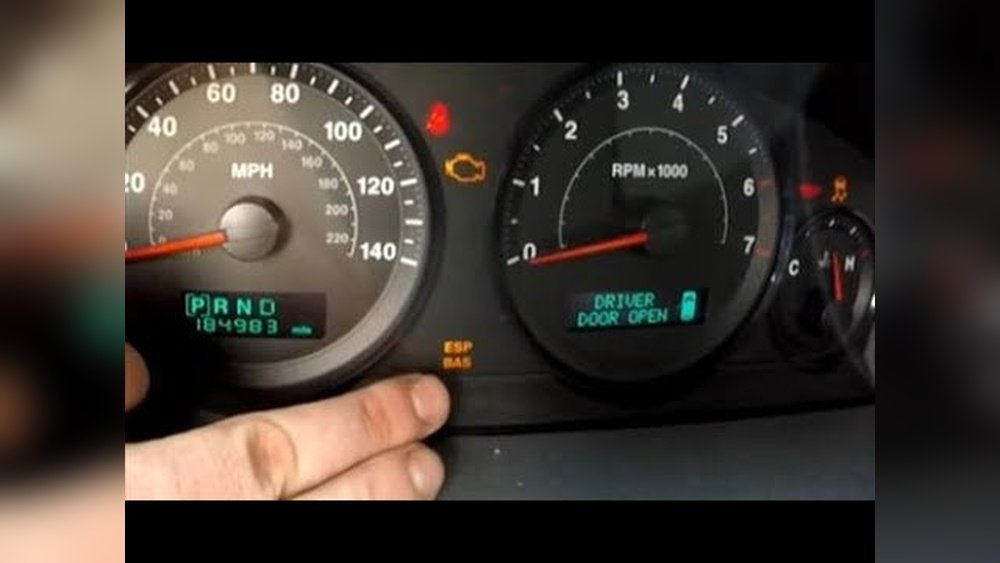
The ESP BAS light on a Jeep signals issues with the vehicle’s electronic stability program and brake assist system. These systems help keep the Jeep stable and safe, especially in tricky driving conditions. When the ESP BAS light is on, it can affect how the Jeep drives and reacts on the road. Understanding these effects helps drivers stay safe.
Risks Of Ignoring Warning Lights
Ignoring the ESP BAS light can lead to serious safety risks. The vehicle may lose traction control, making it harder to steer safely. Without these systems, the Jeep is more likely to skid or spin out. Brake assist may also fail, increasing stopping distances. These problems raise the chance of accidents, especially in emergencies. It is best to address the warning light quickly.
Driving In Slippery Conditions
The ESP and BAS systems help maintain control on slippery roads. When these systems are not working, driving in rain, snow, or ice becomes dangerous. The Jeep may slide more easily during turns or sudden stops. Drivers must be extra cautious and reduce speed. Proper tire maintenance and gentle driving can help, but the vehicle’s stability may still be compromised.

Credit: www.youtube.com
Common Causes
The ESP BAS light on your Jeep signals issues with stability and braking systems. Advanced troubleshooting helps pinpoint exact causes. This section explains clear steps to diagnose and address problems. Understanding these will save time and improve safety.
Using Diagnostic Tools
Start with an OBD-II scanner to read error codes. These codes reveal faults in the ESP or BAS systems. Connect the scanner to the Jeep’s diagnostic port. Turn on the ignition but do not start the engine. Follow the scanner prompts to retrieve codes.
Note down any trouble codes. Look them up online or in the Jeep manual. Codes often indicate sensor or module problems. Clear codes after reading to see if the light returns. This helps confirm if the issue persists.
Inspecting Abs And Traction Control
Check the ABS sensors on each wheel. Dirt or damage can cause false warnings. Clean sensors gently with a soft cloth. Inspect wiring for breaks or corrosion. Traction control shares sensors and can trigger the ESP BAS light.
Test the brake fluid level and condition. Low or dirty fluid affects ABS performance. Drive the Jeep slowly and observe any unusual braking or traction behavior. Note if the light flickers during these tests.
When To Consult A Mechanic
Persistent ESP BAS light signals deeper issues. Problems in the ABS module or steering angle sensor need expert diagnosis. A mechanic has specialized tools for detailed checks. They can also test the vehicle’s electronic control units.
Choose a certified Jeep technician for repairs. Avoid driving aggressively until the light clears. Faulty ESP or BAS systems reduce vehicle stability and safety. Professional help ensures proper fixes and peace of mind.
Effects On Driving
Maintaining the ESP BAS light system in your Jeep ensures safety and reliable performance. Regular care helps prevent unexpected warning lights and keeps the vehicle stable on the road. Follow these key maintenance tips to keep the system in top shape.
Regular Sensor Cleaning
Clean sensors regularly to avoid dirt and debris buildup. Dirt can block sensor signals and cause false warnings. Use a soft cloth and mild cleaner for gentle cleaning. Check sensors around the wheels and under the car. Keeping sensors clean improves system accuracy and response time.
Brake System Upkeep
Inspect brake pads and discs often for wear and damage. Worn brakes affect the ESP BAS system’s ability to control the vehicle. Replace brake fluid every two years to maintain brake performance. A well-maintained brake system supports faster and safer vehicle stopping.
Software Updates
Keep your Jeep’s software up to date. Manufacturers release updates to fix bugs and improve system functions. Visit authorized service centers for professional software updates. Updated software ensures your ESP BAS system works with the latest safety protocols.

Credit: wranglerjkforum.net
Frequently Asked Questions
What Causes The Esp Bas Light To Come On?
The ESP BAS light comes on due to faults in stability control, brake assist, wheel speed sensors, or steering angle sensor.
Can I Drive With An Esp Bas Light On?
Driving with the ESP BAS light on is unsafe. It may disable stability and brake assist, increasing accident risk. Get it checked immediately.
How Do I Fix The Esp Bas Light On My Jeep Wrangler?
Turn on your Jeep, fully turn the steering wheel right, then left, and center it. This often resets the ESP BAS light. If the light persists, check wheel speed sensors or visit a mechanic.
What Causes The Esp Light To Come On?
The ESP light comes on due to traction loss, faulty wheel sensors, steering angle issues, or brake system problems.
What Does The Esp Bas Light On My Jeep Mean?
The ESP BAS light shows a problem in the stability or brake system. It warns you that the Electronic Stability Program or Brake Assist may not work properly.
Conclusion
The ESP BAS light on a Jeep warns of traction or stability issues. Ignoring it can reduce vehicle control, especially on slippery roads. Simple steps, like steering wheel resets, may clear the warning. Still, persistent lights need professional checks to ensure safety.
Staying aware helps keep your Jeep running smoothly and safely. Drive carefully and address warning lights promptly for peace of mind.