Do Jeeps Hold Their Value? Surprising Facts You Need to Know
 Reading Time: 8 minutes
 If you’ve ever wondered whether Jeeps hold their value over time, you’re not alone. Many people want to know if buying a Jeep is a smart financial move, especially when it comes to resale. Jeeps have a unique history and a strong reputation, but does that translate into better value retention compared to other cars and SUVs? This article will give you a clear, easy-to-understand answer, backed by real data and practical examples.
What Does “holding Value” Mean?
When people say a vehicle “holds its value,” they mean it depreciates (loses value) more slowly than others. All vehicles lose value after purchase, but some lose less, making them a better investment. Value retention matters if:
- You plan to sell or trade-in your Jeep later
- You want to avoid losing too much money over time
- You’re comparing Jeeps to other vehicles
Depreciation is usually measured as a percentage. For example, if a car costs $40,000 new and is worth $24,000 after five years, it has lost 40% of its value.
How Do Jeeps Perform In Value Retention?
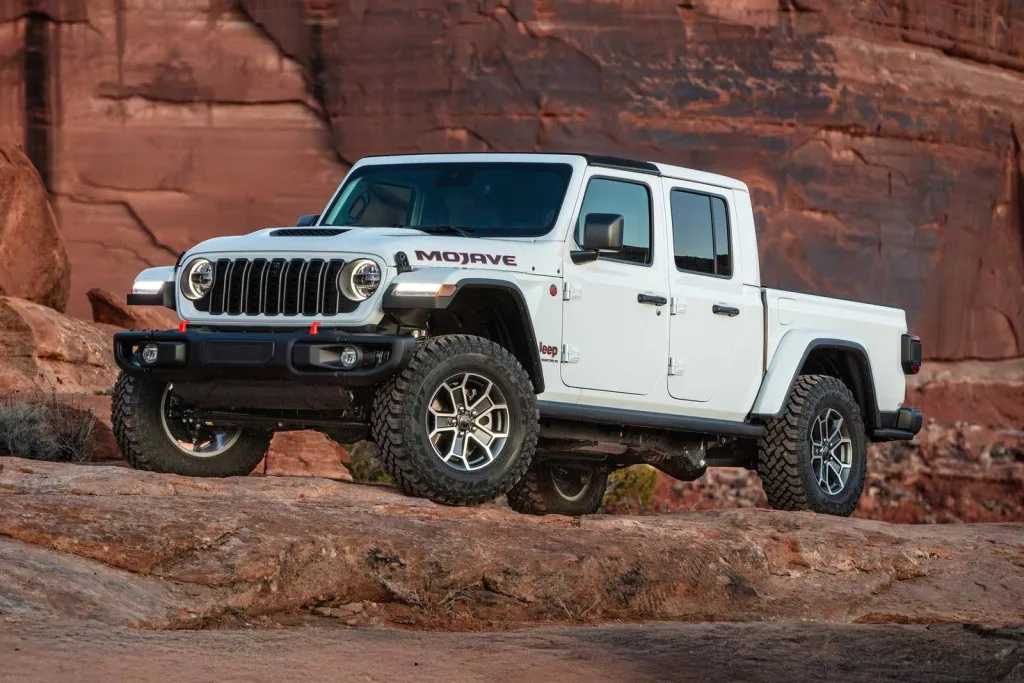
Jeeps are known for strong value retention. In several industry reports, models like the Jeep Wrangler and Jeep Gladiator are among the top vehicles for holding value. Let’s look at some numbers.
Recent Resale Value Rankings
According to sources like Kelley Blue Book and iSeeCars, Jeep models often appear high in resale value rankings. Here’s a comparison for popular Jeep models over five years:
| Model | Original Price | 5-Year Value Retained (%) | Typical Resale Value |
|---|---|---|---|
| Jeep Wrangler | $38,000 | 58-60% | $22,000–$23,000 |
| Jeep Gladiator | $40,000 | 56-58% | $22,400–$23,200 |
| Jeep Grand Cherokee | $45,000 | 48-52% | $21,600–$23,400 |
As you can see, the Jeep Wrangler keeps about 60% of its value after five years. This is higher than most other SUVs.

Credit: www.reddit.com
Why Do Jeeps Hold Their Value So Well?
Several factors help Jeeps keep their value better than average vehicles:
- Strong Brand Reputation: Jeeps are known for toughness and off-road ability. This creates high demand.
- Iconic Design: The Wrangler, for example, has a classic look that rarely changes, keeping it popular year after year.
- Versatility: Jeeps can handle daily driving and adventure trips. This appeals to a wide range of buyers.
- Loyalty: Jeep has a strong fan base. Many people are repeat buyers, which helps resale prices.
- Low Supply, High Demand: Used Jeeps are always in demand, especially Wranglers and Gladiators.
Non-obvious Insights
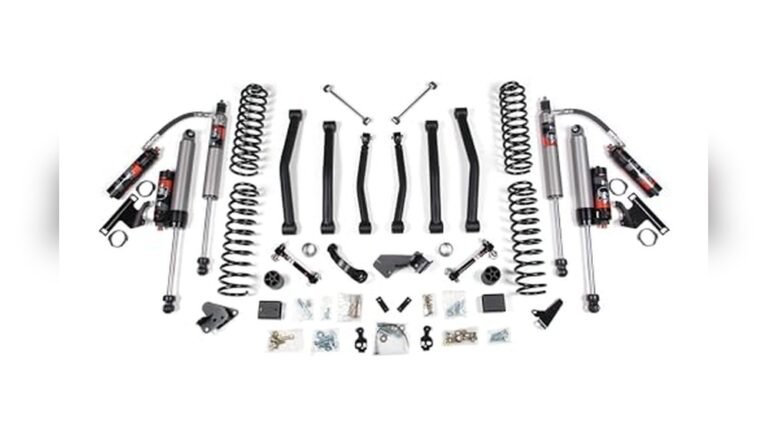
- Aftermarket Modifications Add Value: Unlike many vehicles, tasteful upgrades (lift kits, wheels, lights) can make a used Jeep even more valuable to buyers.
- Resale Is Strong Nationwide: Some vehicles only hold value in specific areas, but Jeeps do well in most US regions, from cities to rural areas.
How Do Jeeps Compare To Other Brands?
To see how Jeeps hold their value compared to other SUVs, here’s a side-by-side look at depreciation over five years:
| Model | 5-Year Depreciation (%) |
|---|---|
| Jeep Wrangler | 40–42% |
| Toyota 4Runner | 45–47% |
| Honda CR-V | 47–49% |
| Ford Explorer | 51–53% |
| Chevrolet Equinox | 55–58% |
The Jeep Wrangler has one of the lowest depreciation rates, meaning it keeps its value better than most competitors.
Practical Examples: Selling A Jeep After 5 Years
Let’s say you buy a new Jeep Wrangler for $38,000. After five years, it’s worth about $23,000. You’ve lost $15,000, but that’s much less than the average for other SUVs, which often lose $20,000 or more in the same time.
If you bought a Chevrolet Equinox for $32,000, it might be worth only $14,000 after five years—a $18,000 loss.
Key takeaway: The Jeep costs more up front, but you get much more back when you sell.
Factors That Affect Jeep Resale Value
Not all Jeeps hold value equally. Here are important factors that can change resale value:
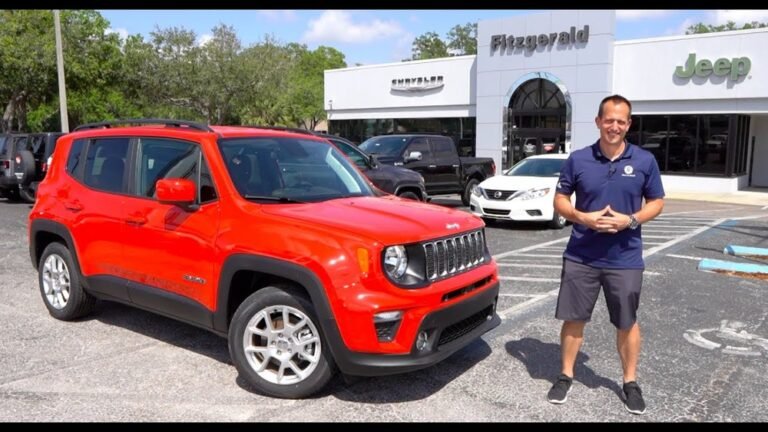
- Model and Trim: Wranglers and Gladiators do best. Grand Cherokees are solid, while smaller models (Compass, Renegade) depreciate faster.
- Condition: Jeeps used for heavy off-roading may have more wear. Clean, well-maintained Jeeps sell for more.
- Mileage: Lower miles mean higher value. Jeeps with under 60,000 miles tend to hold value best.
- Service Records: Keeping maintenance records helps prove the vehicle was cared for.
- Location: Jeeps do well in both urban and rural markets, but demand may be higher in regions with outdoor activities.
- Modifications: Some upgrades (lift kits, wheels) can boost value if done right, but extreme mods can lower it.
- Color and Features: Popular colors (black, white, gray) and features (navigation, leather seats) often bring higher prices.
Common Mistake
Many first-time Jeep owners think all models hold value equally. In reality, Wranglers and Gladiators perform much better than the Compass or Renegade.
The Role Of Market Trends
Resale value can change with market conditions. In recent years, used car prices surged, and Jeeps did even better than normal. Economic factors, fuel prices, and supply chain issues can all affect how much your Jeep is worth when you sell.
For example, during the COVID-19 pandemic, used Jeep prices rose because of low new car supply and high demand for adventure vehicles.
Cost Of Ownership Vs. Value Retention
While Jeeps hold value well, they may have higher maintenance and fuel costs compared to some crossovers. It’s important to consider the whole ownership picture:
- Insurance: Often higher for off-road vehicles.
- Fuel Economy: Not as good as smaller SUVs.
- Maintenance: Jeeps are durable, but repairs (especially on older models) can cost more.
Despite these costs, the strong resale value often balances things out. You lose less money when selling, even if running costs are higher.
When Is The Best Time To Sell A Jeep?
If your goal is to maximize value, consider these timing tips:
- Sell after 3–5 years: Most vehicles lose value fastest in the first three years. After that, depreciation slows.
- Sell before major repairs: Avoid selling right before expensive maintenance (like a timing belt replacement).
- Sell during high demand: Spring and summer are prime times for Jeep buyers.
- Watch market trends: Low new car supply or high demand can boost prices.
Should You Buy A New Or Used Jeep?
Both options have their pros and cons:
- New Jeeps: Higher purchase price, but you get exactly what you want and full warranty.
- Used Jeeps: Lower price, but may have higher mileage or previous wear.
Since Jeeps hold value well, used models are sometimes only slightly cheaper than new. This makes buying new less risky than with fast-depreciating brands.
Non-obvious Insight
Some buyers find that a certified pre-owned (CPO) Jeep offers the best balance—lower price than new, but with warranty protection and inspected condition.
How To Get The Best Resale Value For Your Jeep
To ensure your Jeep keeps as much value as possible, follow these tips:
- Keep it Clean: Regular washing, waxing, and interior care prevent wear.
- Service on Time: Follow the service schedule and keep records.
- Avoid Heavy Mods: Stick to popular, tasteful upgrades if you modify.
- Don’t Skip Repairs: Fix issues early to avoid bigger problems later.
- Choose Popular Features: When buying, select options that future buyers want (automatic transmission, 4WD, navigation).
Real-world Owner Experiences
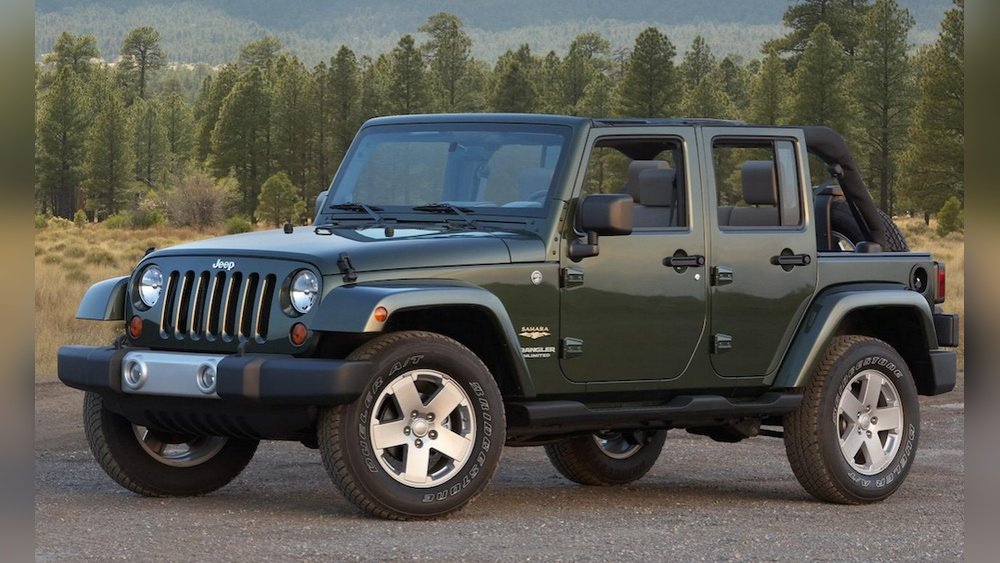
Many Jeep owners are surprised at how much their vehicles are worth years later. For example, a 2015 Jeep Wrangler Sahara with 60,000 miles can sell for $24,000 or more, much higher than many other 8-year-old SUVs.
On Jeep forums and owner groups, you’ll find stories of owners selling after five years and getting 60–70% of their original price back. This strong resale value is a big reason why people stay loyal to the Jeep brand.
Credit: www.simivalleychryslerdodgejeepram.com
Comparing Jeeps To Other Off-road Vehicles
If you’re considering other off-road capable SUVs or trucks, here’s how Jeeps stack up:
| Vehicle | 5-Year Value Retained (%) | Notes |
|---|---|---|
| Jeep Wrangler | 58–60% | Best in class for off-road SUVs |
| Toyota 4Runner | 53–55% | Very strong but less modifiable |
| Ford Bronco | 51–54% | Newer model, strong start |
| Land Rover Defender | 46–48% | Luxury, but higher maintenance |
The Jeep Wrangler remains the top pick for value retention among off-road SUVs.
Is A Jeep A Good Investment?
While cars are not investments in the traditional sense, a Jeep is one of the better choices if you want to keep more of your money over time. You enjoy:
- High resale value
- Strong demand
- Fun driving experience
- Multiple uses (work, adventure, daily driving)
However, you should also consider your needs. If you want the lowest running cost, a smaller crossover may be better. But if you want a vehicle that’s tough, fun, and keeps its value, a Jeep is hard to beat.
Credit: www.tuttoncdjr.com
Where To Find More Data
For detailed statistics and up-to-date resale value rankings, visit trusted sources like Kelley Blue Book.
Frequently Asked Questions
Do All Jeep Models Hold Their Value Equally?
No. The Jeep Wrangler and Jeep Gladiator hold value much better than smaller models like the Compass or Renegade. Grand Cherokees also do well, but not as well as Wranglers.
How Many Miles Is Too Many For A Used Jeep?
Most buyers prefer Jeeps with under 100,000 miles. However, well-maintained Wranglers and Grand Cherokees can go beyond 200,000 miles and still have decent resale value.
Do Modifications Help Or Hurt Resale Value?
Popular, tasteful upgrades (like wheels, lights, mild lifts) can help. Extreme or poorly done modifications may lower value. Always keep original parts if you plan to sell.
Are Jeeps Expensive To Insure And Maintain?
Jeeps can cost more to insure, especially Wranglers, due to off-road use. Maintenance is higher than small cars but similar to other SUVs.
Is It Better To Buy New Or Used For Value Retention?
Buying new means you lose the most value in the first years, but Jeeps lose less than most vehicles. Buying certified pre-owned is a good middle ground for value and peace of mind.
Whether you’re buying, selling, or just curious, knowing how Jeeps hold their value can help you make a smarter decision. With strong resale numbers, loyal fans, and many practical uses, Jeeps continue to be a top choice for value-minded drivers.