Do Jeep Grand Cherokees Have a Lot of Problems Explained Expert Analysis: Truth Revealed
 Reading Time: 8 minutes
 Are you thinking about buying a Jeep Grand Cherokee but worried about its reliability? You’re not alone.
Many drivers ask, “Do Jeep Grand Cherokees have a lot of problems? ” From transmission troubles to electrical glitches, this SUV has earned a mixed reputation over the years. But what’s the real story behind these concerns? In this expert analysis, we’ll break down the common issues, point out which model years to watch out for, and help you decide if the Grand Cherokee is the right fit for your needs.
Keep reading to get the clear, straightforward answers you deserve before making your next move.

Credit: www.edmunds.com
Common Jeep Grand Cherokee Issues
The Jeep Grand Cherokee is popular for its rugged style and off-road ability. Like many vehicles, it has some common issues that affect its reliability. Understanding these problems helps owners maintain their vehicles better.
Some issues appear more often in certain model years. These problems mainly involve the transmission, electrical system, engine, and suspension. Knowing what to expect can save time and money on repairs.
Transmission Problems
Many Jeep Grand Cherokee owners report transmission troubles. These include rough shifting, slipping gears, and delayed engagement. Transmission failure can lead to costly repairs or replacements. Some models show these problems earlier than others, especially those with automatic transmissions.
Electrical System Failures
The electrical system in Grand Cherokees can be unreliable. Common faults involve the Totally Integrated Power Module (TIPM), which controls many electrical functions. Issues like battery drain, faulty gauges, and warning lights are frequent. These failures often cause unexpected breakdowns and require professional diagnosis.
Engine And Mechanical Concerns
Engine problems also appear in certain Jeep Grand Cherokee models. Owners report rough idling, stalling, and loss of power. Mechanical parts like the cooling system and fuel injectors may fail prematurely. Regular maintenance helps reduce the risk of serious engine damage.
Suspension Wear And Tear
The suspension system on some Grand Cherokees shows early wear, especially in air suspension models. Problems include leaking air springs and noisy shocks. This wear affects ride comfort and vehicle handling. Replacing worn suspension parts is essential for safe driving.
Problematic Model Years
The Jeep Grand Cherokee is known for its rugged performance, but some models face recurring electronic challenges. These issues affect daily driving comfort and vehicle reliability. Understanding these common electronic problems helps owners and buyers make informed decisions.
Electronic systems control many vehicle functions. When they fail, problems like warning lights, dead batteries, and malfunctioning gauges arise. These challenges often trace back to a few key components.
Tipm Failures
The Totally Integrated Power Module (TIPM) manages many electrical circuits. It controls lights, wipers, and fuel pumps. In some Grand Cherokee models, the TIPM can fail or short-circuit.
TIPM failures cause random electrical issues. Owners report sudden loss of power to accessories and engine stalling. Replacing the TIPM often solves these problems but can be costly.
Battery Drain Issues
Battery drain is a common complaint among Jeep Grand Cherokee owners. This problem often results from faulty electronics drawing power when the vehicle is off. It leads to dead batteries and starting troubles.
Diagnosing the exact cause requires checking for parasitic drains. Some cases link battery drain to TIPM or alarm system malfunctions. Regular battery checks can prevent unexpected failures.
Gauge Cluster Malfunctions
The gauge cluster displays vital information like speed, fuel level, and engine temperature. Failures here confuse drivers and hide important warnings. Some Grand Cherokees experience flickering or frozen gauges.
These malfunctions often come from faulty wiring or bad instrument clusters. Repair or replacement restores proper function. Ignoring gauge issues risks missing critical alerts during driving.
Recurring Electronic Challenges
The suspension system plays a key role in how the Jeep Grand Cherokee feels on the road. Ride quality depends heavily on the suspension design and components. Some owners report concerns about the suspension’s durability and comfort. These issues can affect driving enjoyment and vehicle safety. Understanding common suspension problems helps buyers make informed decisions.
Air Suspension Component Failures
The Jeep Grand Cherokee often uses an air suspension system for a smooth ride. Air springs and compressors replace traditional coil springs in some models. These parts can fail over time due to leaks or mechanical wear. When air suspension parts fail, the vehicle may sag or bounce excessively. Repairs can be costly and may require replacing air bags or compressors. Regular inspections can help catch early signs of failure.
Premature Wear Factors
Suspension parts on Grand Cherokees sometimes wear out faster than expected. Harsh driving conditions and rough roads increase wear on shocks and bushings. Off-road use can also accelerate suspension damage. Poor maintenance speeds up this wear. Worn suspension parts lead to a rougher ride and less control. Replacing worn components promptly keeps the ride comfortable and safe.
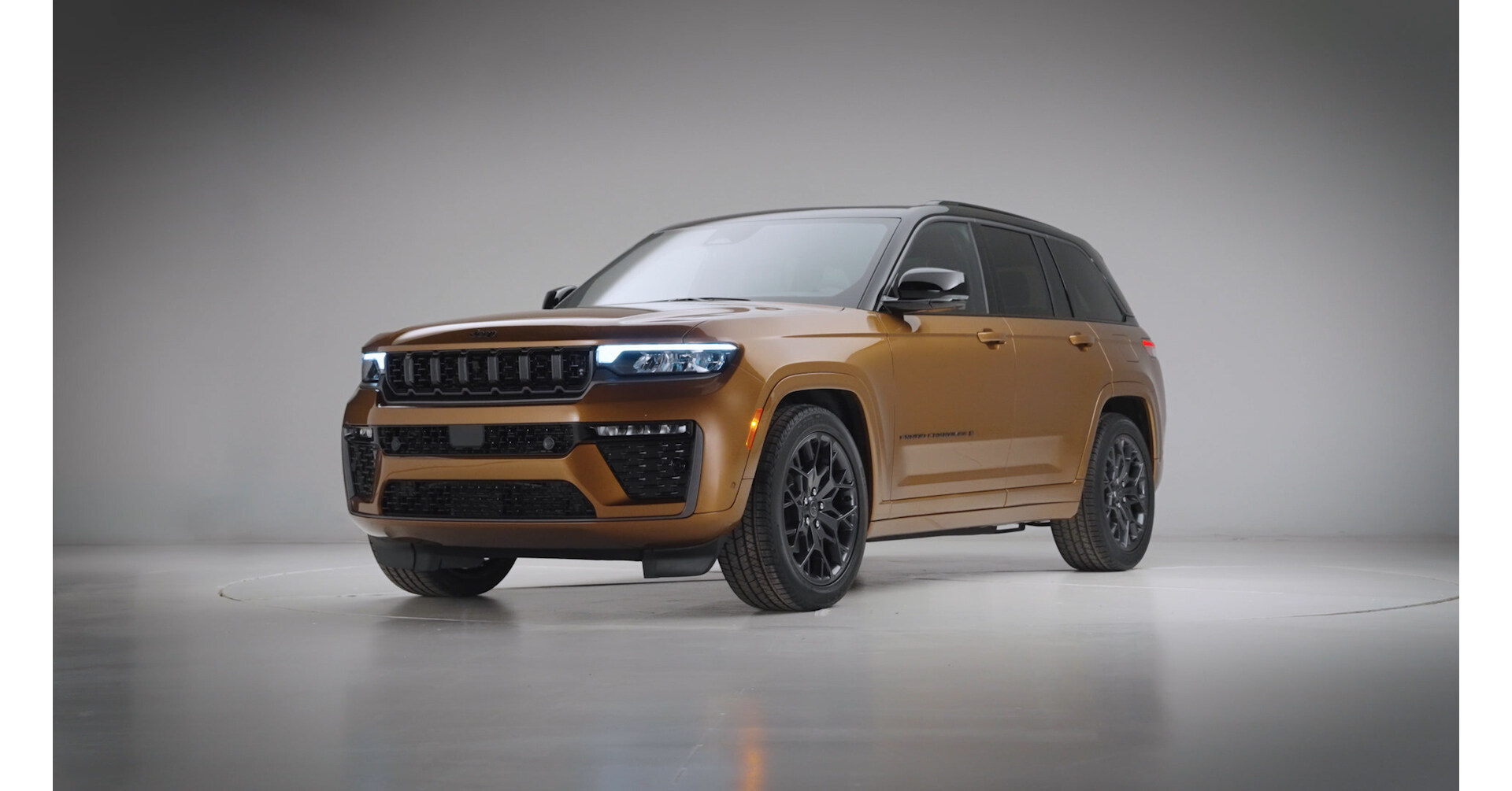
Credit: www.prnewswire.com
Suspension And Ride Quality Concerns
Jeep Grand Cherokees have varied reliability across different models. Some years are known for fewer issues and better performance. Choosing the right model year can reduce the chance of problems and costly repairs.
Experts highlight certain model years that show better build quality and fewer complaints. These models benefit from design fixes and improved parts. This section explores which Grand Cherokee models offer better reliability.
More Dependable Model Years
Models from 2014 to 2016 are often praised for their reliability. These years fixed many earlier issues with the engine and electronics. Owners report fewer breakdowns and lower maintenance costs during this period.
The 2017 and 2018 Grand Cherokees also show strong reliability. Jeep improved transmission and suspension components in these models. These upgrades helped reduce common mechanical failures seen in previous years.
Signs Of Improved Engineering
Jeep addressed many known problems by updating key systems. The transmission was redesigned to shift smoother and last longer. Electrical components were simplified to avoid frequent malfunctions.
Suspension improvements made the ride more comfortable and durable. Better quality control during production reduced assembly errors. These engineering changes resulted in fewer recalls and complaints.
Models With Better Reliability
Owner experiences provide clear insight into Jeep Grand Cherokee’s real-world performance. Reviews from drivers reveal strengths and weaknesses across different model years. These firsthand accounts highlight what owners appreciate and what frustrates them. Understanding these opinions helps potential buyers make smarter choices. Below, we explore common complaints and positive feedback from Jeep Grand Cherokee owners.
Common Complaints From Owners
Many owners report issues with the electrical system. Problems like faulty wiring and battery drain are frequent. Some drivers face transmission troubles, such as rough shifting or failure. Engine problems, including overheating and misfires, also appear in reviews. Air suspension components often wear out prematurely. These complaints tend to cluster around certain model years, especially older ones. Owners mention costly repairs and frequent visits to the mechanic. These issues affect overall satisfaction for some drivers.
Positive Feedback And Strengths
Despite the problems, many owners praise the Jeep Grand Cherokee’s off-road ability. The vehicle handles rough terrain with ease and confidence. Comfort and interior quality receive high marks from users. Drivers enjoy the spacious cabin and advanced technology features. The SUV delivers strong engine performance and towing capacity. Many owners feel safe and secure while driving it. Reliability improves in newer models, according to some reviews. These positive aspects keep the Jeep Grand Cherokee popular among SUV buyers.
Owner Experiences And Reviews
Buying a Jeep Grand Cherokee requires careful thought. This SUV offers great features but also has some common issues. Expert advice helps buyers choose wisely. Knowing what to check can save money and stress. Understanding problem years and proper care improves ownership experience.
What To Inspect Before Buying
Check the transmission for smooth shifting and no slipping. Test all electrical parts like lights, gauges, and windows. Look under the car for signs of leaks or rust. Inspect the suspension by pushing down on corners to see if it bounces back. Ask for full service records to confirm regular maintenance.
Avoiding High-risk Models
Steer clear of Jeep Grand Cherokees from 2011 to 2015. These years often have transmission and electrical failures. Early fifth-generation models may show air suspension problems. Research recalls and complaints before deciding. Choose models known for reliability to reduce repair costs.
Maintenance Recommendations
Follow the manufacturer’s service schedule strictly. Change oil and filters on time to protect the engine. Check and replace brake pads and tires regularly. Inspect the battery and electrical system yearly. Keep the air suspension system clean and check for leaks often.
Expert Tips For Buyers
The Jeep Grand Cherokee stands as a popular choice in the midsize SUV market. Comparing it to rivals offers insight into its strengths and weaknesses. This section covers reliability, value, and performance. Understanding these aspects helps decide if the Grand Cherokee fits your needs.
Reliability Rankings
Reliability scores for the Jeep Grand Cherokee vary across model years. Some older models show frequent issues with electronics and transmissions. Competitors like the Toyota 4Runner and Honda Passport often rank higher in dependability. These brands have fewer reports of major repairs. Jeep has improved in recent years but still trails some rivals in reliability.
Value For Money
The Grand Cherokee provides solid value with a comfortable interior and off-road ability. It often comes at a lower price than luxury competitors like the Ford Explorer or Chevrolet Traverse. Maintenance costs can be higher due to repair frequency. Resale value tends to drop faster than some Japanese SUVs. Buyers get a mix of features but should consider long-term ownership expenses.
Performance And Features
Jeep offers powerful engine options, including V6 and V8 choices. Off-road features like four-wheel drive and terrain modes are strong selling points. Competitors may offer smoother rides or better fuel economy. The interior boasts user-friendly tech and quality materials. Some rivals provide more advanced safety features as standard. Performance suits those wanting rugged capability and style.

Credit: www.amazon.com
Frequently Asked Questions
Why Do Jeep Grand Cherokees Have A Lot Of Problems?
Jeep Grand Cherokees face issues due to frequent transmission, electrical, and engine problems in certain model years. Design flaws and component wear contribute to reliability concerns.
Which Jeep Grand Cherokee To Stay Away From?
Avoid 2011-2015 Jeep Grand Cherokees due to transmission failures, electrical issues, and premature suspension wear. These models show higher reliability concerns.
Which Grand Cherokee Year Had The Most Issues?
The 2011-2015 Jeep Grand Cherokee models had the most issues, including transmission failures and electrical problems. These years show lower reliability and frequent repairs.
Which Grand Cherokee Years Have Transmission Issues?
Jeep Grand Cherokee models from 2011 to 2015 commonly face transmission issues. These years report frequent shifting problems and failures.
Conclusion
Jeep Grand Cherokees have some common problems, especially in certain years. Transmission, electrical, and suspension issues appear most often. Choosing the right model year can reduce risks. Regular maintenance helps keep the vehicle running smoothly. Many owners still enjoy their Jeep despite these challenges.
Researching before buying makes a big difference. Think carefully about your needs and budget. This way, you get a reliable SUV that fits you well.