Common Issues With Jeep Wranglers: Top Problems and Solutions
 Reading Time: 12 minutes
 If you own a Jeep Wrangler or are thinking about getting one, it’s important to know what common issues might come up. Jeep Wranglers are legendary for their off-road toughness and rugged style, but they also have a few quirks that can affect your driving experience.
From the infamous “death wobble” to transmission troubles, rust, electrical glitches, and leaky soft tops, these problems can catch you off guard if you’re not prepared. You’ll discover the most frequent challenges Jeep Wrangler owners face and learn how to spot them early.
Understanding these issues will help you keep your Jeep running smoothly and enjoy every adventure with confidence. Keep reading to find out what to watch for and how to protect your investment.

Credit: www.autosandcartalk.com
Death Wobble
The Death Wobble is a well-known issue among Jeep Wrangler owners. It causes a violent shaking of the front end while driving. This shaking feels like the steering wheel is uncontrollably vibrating. It usually happens after hitting a bump or driving on rough roads. The wobble makes driving unsafe and uncomfortable. Understanding the causes and signs helps owners prevent and fix it quickly.
Causes And Symptoms
The main cause of Death Wobble is worn or loose suspension and steering parts. Ball joints, tie rod ends, and track bars often wear out first. Loose or damaged control arm bushings also contribute. Worn shocks or steering stabilizers can make the problem worse. Symptoms include a sudden, strong shaking in the steering wheel and front end. The vibration usually starts at speeds above 40 mph. It may feel like the wheels are out of balance or the steering is loose.
Maintenance And Upgrades
Regularly check suspension and steering parts for wear or looseness. Tighten all bolts and nuts to factory specifications. Replace worn ball joints, tie rods, and bushings immediately. Upgrading to heavy-duty track bars and steering stabilizers can reduce the chances of Death Wobble. High-quality shocks also improve stability on rough terrain. Proper wheel alignment and balanced tires help prevent vibrations. Routine inspections keep the Jeep safe and smooth on the road.

Credit: www.youtube.com
Transmission Issues
Transmission issues are a notable concern for many Jeep Wrangler owners. These problems can affect the vehicle’s performance and safety. Understanding common transmission faults helps drivers identify symptoms early. Timely repairs can prevent costly damage and keep the Wrangler running smoothly.
Common Problems
Rough shifting is a frequent complaint among Wrangler drivers. The transmission may hesitate or jerk during gear changes. Some models experience slipping gears, causing loss of power. Overheating is another issue, especially under heavy loads or off-road driving. Leaking transmission fluid can lead to low fluid levels and damage. These problems often arise from worn parts or lack of maintenance.
Impact On Driving
Transmission faults affect how the Jeep drives daily. Rough shifts cause uncomfortable rides and reduce control. Slipping gears may lead to sudden power loss. Overheating can trigger warning lights and limit driving time. These issues increase the risk of breakdowns on the road. Poor transmission performance reduces fuel efficiency as well.
Repair Tips
Check transmission fluid levels regularly to avoid overheating. Use the recommended fluid type for your Wrangler model. Listen for unusual noises or changes in shifting behavior. Address leaks immediately to prevent further damage. Consult a trusted mechanic for diagnostic tests if problems persist. Early repairs save money and improve vehicle reliability.
Rust On Frame And Undercarriage
Rust on the frame and undercarriage is a frequent problem for Jeep Wrangler owners. The Wrangler’s off-road use exposes metal parts to dirt, water, and salt, which speeds up corrosion. Rust weakens the vehicle’s structure and can cause costly repairs if ignored. Early attention helps keep your Jeep safe and strong.
Affected Areas
The frame rails near the suspension mounts often show rust first. Rocker panels and floor pans also suffer damage. The undercarriage, including the exhaust system and brake lines, can corrode over time. Areas exposed to road salt, mud, and moisture face the highest risk of rust.
Prevention Methods
Wash your Jeep regularly, especially the undercarriage, to remove salt and mud. Apply a rust-proof coating or undercoating to metal parts. Check for scratches or chips in paint that expose bare metal. Store your vehicle in a dry place when possible to limit moisture exposure.
Repair Solutions
Minor rust spots can be treated with sanding and rust converter products. Heavily rusted areas may need metal replacement or welding. Professional rustproofing services help protect vulnerable spots. Regular inspections catch rust early, avoiding major frame damage and costly repairs.
Electrical Problems
Jeep Wranglers often face electrical problems that can affect daily driving. These issues range from minor annoyances to significant malfunctions. Understanding common electrical faults helps owners maintain their vehicles better. Below are some frequent electrical problems found in Jeep Wranglers.
Faulty Sensors
Faulty sensors cause warning lights to appear on the dashboard. They may trigger false alerts or fail to detect real problems. Common sensor issues include oxygen sensors, temperature sensors, and wheel speed sensors. These faults can reduce fuel efficiency and affect engine performance.
Power Window Failures
Power window failures are common complaints among Jeep Wrangler owners. Windows may stop moving up or down, get stuck, or work intermittently. The problem often stems from faulty switches, broken motors, or wiring issues. Power window failures can cause inconvenience and security concerns.
Infotainment Glitches
The infotainment system in Jeep Wranglers sometimes experiences glitches. These include freezing screens, unresponsive touch controls, or audio problems. Software bugs and poor connectivity cause most of these issues. Updating the system software or resetting the unit can often fix the problem.
Soft Top Leaks
The soft top on a Jeep Wrangler offers versatility and open-air driving fun. Yet, soft top leaks remain a common issue for many owners. These leaks can let water inside, causing discomfort and potential damage. Understanding where leaks occur and how to prevent or fix them helps keep your Jeep dry and enjoyable.
Water Intrusion Points
Water can enter through several areas on a Jeep’s soft top. Common points include the seams where the fabric meets the frame. The rear window and side windows often have weak spots. Door seals and the front header are also frequent leak sources. These points face constant movement and stress, making them prone to gaps and cracks.
Seal Maintenance
Regularly checking the seals is crucial to avoid leaks. Clean the seals with mild soap and water to remove dirt. Dirt can wear down the rubber and cause cracks. Apply a silicone-based lubricant to keep seals flexible. Replace damaged or hardened seals immediately. Proper seal care extends the life of your soft top and prevents water intrusion.
Fixing Leaks
Start by identifying the exact leak location. Use a garden hose to spray water and watch for drips inside. Small tears in the fabric can be patched with vinyl repair kits. Reseal seams with a waterproof sealant designed for soft tops. Replace worn or broken seals to restore tightness. For major damage, professional soft top repair may be necessary.
Off-road Demands And Wear
Jeep Wranglers face intense off-road conditions that challenge their durability. Rough trails and rocky paths put extra pressure on key parts. This constant strain causes faster wear and tear than normal driving. Understanding how off-road demands affect your Wrangler helps in keeping it reliable and safe.
Suspension Stress
The suspension system absorbs shocks from uneven terrain. Off-road driving causes repeated heavy impacts. These impacts can weaken springs, shocks, and bushings over time. Worn suspension parts lead to poor handling and a rough ride. Regular checks and timely replacements keep the suspension working well.
Steering Component Wear
Steering parts face constant movement and force during off-road use. Components like tie rods, ball joints, and steering linkages wear out faster. This wear can cause loose steering or the dreaded “death wobble.” Maintaining steering components ensures better control and safer driving on tough trails.
Solid Axle Design Challenges
The solid axle design is a key feature in Jeep Wranglers. It offers durability and strong off-road performance. This design, however, brings specific challenges that owners often face. Understanding these issues helps in maintaining and improving the vehicle’s reliability.
The solid axle connects the wheels on each side, moving together as one unit. This setup is tough but can cause problems, especially on rough terrain or at high speeds. The design affects ride quality, handling, and parts wear.
Rough Ride And Handling
The solid axle design limits suspension travel compared to independent suspension. This results in a rougher ride on paved roads. Drivers may feel bumps and vibrations more intensely. Handling can also feel less precise, especially in turns or at high speed.
Increased Wear On Steering Components
The solid axle puts extra stress on steering parts like ball joints and tie rods. These parts wear out faster and need regular inspection. Worn components can cause the infamous “death wobble,” a violent shaking of the front end.
Challenges With Off-road Use
Off-road driving stresses the solid axle more than other designs. Rocks, mud, and uneven surfaces cause constant movement and impact. This leads to faster wear of bushings, seals, and axle shafts. Owners often need upgrades or frequent repairs.
Difficulty In Modifications
Many Jeep owners like to modify their vehicles. The solid axle design limits suspension upgrade options. Some custom parts may not fit well or cause new problems. This requires careful planning and expert advice before making changes.
Exposure To Harsh Conditions
Jeep Wranglers are built for adventure, often facing tough environments. Exposure to harsh conditions can cause specific problems. These issues affect durability and comfort over time. Understanding these challenges helps owners care for their vehicles better.
Road Salt Effects
Road salt is common in winter and snowy areas. It helps melt ice but causes rust on metal parts. Jeep Wranglers have a lot of exposed metal under the body. Salt can eat away at the frame and undercarriage quickly. Rust weakens important parts and can lead to costly repairs. Regular washing, especially underneath, reduces salt damage. Applying protective coatings can also help prevent rust buildup.
Door And Top Sealing Issues
Jeep Wranglers often have removable doors and soft tops. These features expose seals to dirt and wear. Over time, door seals and top seals can crack or warp. Water can leak inside during rain or car washes. Leaky seals also allow wind noise and dust inside the cabin. Replacing old seals improves comfort and protects the interior. Regular inspection and cleaning of seals extend their lifespan.
Years To Avoid
Jeep Wranglers are popular for their rugged style and off-road ability. Still, some model years show more problems than others. Knowing which years to avoid helps buyers make smart choices. Certain issues appear more often in specific production years. These can affect your Jeep’s performance and reliability.
2007-2012 Problems
Wranglers made between 2007 and 2012 often face several issues. Many owners report electrical glitches and transmission trouble. Some models experience rough shifting or get stuck in gear. Rust also affects the frame and undercarriage in these years. This can weaken the Jeep’s structure, especially in salty climates.
Tipm Failures
The Totally Integrated Power Module (TIPM) controls many electrical parts. Faulty TIPMs cause random electrical failures. Lights may flicker, windows stop working, or the engine won’t start. TIPM problems are common in Wranglers from 2007 to 2011. These failures often require a costly replacement or repair.
Death Wobble Prevalence
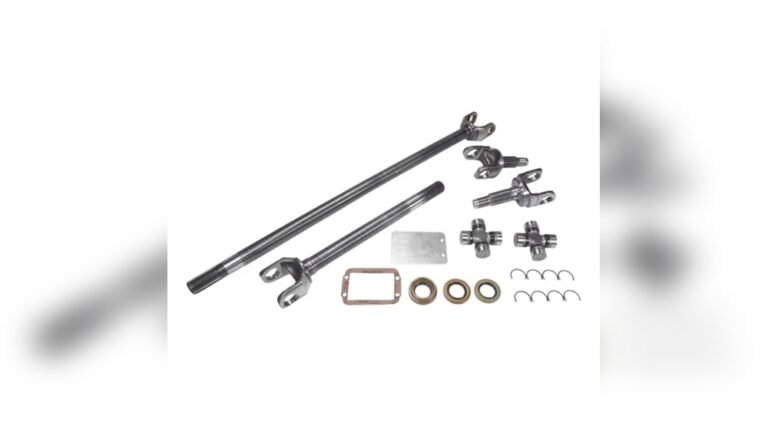
Death wobble is a violent shaking of the front end while driving. It happens due to worn steering or suspension parts. This issue is most common in Wranglers built before 2013. Poorly maintained components make the problem worse. Fixing death wobble often means replacing ball joints, bushings, or track bars.
Credit: customtruckconcepts.com
Better Years To Consider
Choosing the right year for a Jeep Wrangler can reduce common problems. Some model years show clear improvements in reliability and design. These better years offer more durability and fewer issues. It helps to know which generations fixed past troubles. This section highlights key upgrades in newer Wrangler models.
Jk Generation Improvements
The JK generation, made from 2007 to 2018, fixed many old Jeep problems. It introduced stronger engines and improved suspension. This reduced the infamous death wobble issue a lot. JK Wranglers have better rust protection than earlier models. The interior also became more comfortable and modern. Electronics were upgraded to limit glitches. Overall, JK Wranglers offer a more reliable off-road experience.
Jl Generation Reliability
The JL generation started in 2018 and brought more reliability gains. It features improved steering and suspension parts. These changes cut down on steering vibrations and noises. JL Wranglers use better materials to prevent rust and leaks. The electrical system was redesigned for fewer faults. This generation also offers new safety features. Buyers find JL models easier to maintain and more durable.
Inspection Tips For Used Wranglers
Buying a used Jeep Wrangler needs careful checks. Wranglers face specific problems because of their rugged use. These checks help avoid costly repairs later. Focus on key areas to make a smart choice.
Vehicle History Check
Start with the vehicle history report. This shows past accidents and repairs. Check for flood or off-road damage records. Look for consistent maintenance history. A clean record means fewer hidden issues.
Rust And Frame Damage
Rust is common on Wranglers, especially in salty areas. Inspect under the vehicle and wheel wells closely. Check the frame for any cracks or bends. Rust weakens safety and structure. Avoid Wranglers with heavy rust or frame damage.
Pre-purchase Inspection
Have a trusted mechanic inspect the Wrangler. They will check steering, suspension, and transmission. Test for the infamous “death wobble” issue. Check electrical systems and soft top seals. A thorough inspection reveals costly problems early.
Common Issues Across Generations
Jeep Wranglers have a loyal following for their rugged style and off-road capability. Across different model years, some problems appear repeatedly. These common issues affect many generations, showing patterns that owners should know. Understanding these faults can help maintain your Jeep better and avoid surprises on the road.
Electrical Faults
Electrical problems often show up in Jeep Wranglers. Faulty sensors can cause warning lights to turn on without clear reasons. Power windows may stop working smoothly or get stuck. The infotainment system sometimes freezes or resets unexpectedly. Wiring issues may lead to intermittent failures. Moisture can worsen electrical faults, especially after rain or washing.
Engine Problems
Some Wranglers face engine troubles like rough idling or stalling. Oil leaks are common around valve covers and gaskets. Timing chain noise may appear in older models. Cooling system failures cause overheating in hot weather. Fuel system issues can reduce power and fuel efficiency. Regular checks help catch these problems early.
Steering And Suspension
The famous “death wobble” affects many Jeep Wranglers. It causes violent shaking of the front end at certain speeds. Worn ball joints, bushings, or track bars often cause this. Suspension components wear faster due to off-road use. Loose steering links create unstable handling. Proper maintenance of these parts is crucial for safety.
Airbag Failures
Airbag problems have been reported across several Wrangler models. Sensors may fail, causing airbags not to deploy during a crash. Airbag warning lights can stay on even after repairs. Faulty wiring or clock springs cause these issues. Regular diagnostic scans can detect airbag system faults early.
Frequently Asked Questions
What Is The Biggest Problem With A Jeep Wrangler?
The biggest problem with a Jeep Wrangler is the “death wobble,” a severe front-end vibration from worn steering or suspension parts. Other issues include transmission troubles, rust on the frame, electrical glitches, and leaky soft tops. These affect reliability and comfort, especially in older models.
What Years To Avoid On Jeep Wranglers?
Avoid Jeep Wranglers from 2007 to 2012 due to common issues like death wobble and TIPM electrical failures. Inspect all years for rust and suspension wear before buying.
What Wranglers To Stay Away From?
Avoid Jeep Wranglers from 2007-2009 due to common death wobble, TIPM failures, rust, and electrical issues. Check rust and suspension carefully.
At What Mileage Do Jeep Wranglers Start Having Problems?
Jeep Wranglers often start showing problems around 80,000 to 100,000 miles. Common issues include death wobble, transmission troubles, rust, and electrical glitches. Regular maintenance helps delay these problems and keeps the Wrangler reliable longer.
Conclusion
Jeep Wranglers face several common problems that can affect your driving experience. Steering issues like death wobble need quick attention for safety. Transmission troubles may cause rough shifting or gear sticking. Rust can weaken the frame, especially in wet or salty areas.
Electrical glitches and soft top leaks also bother many owners. Regular checks and maintenance help keep your Wrangler running well. Knowing these issues can prepare you for better care. Stay alert and fix problems early to enjoy your Jeep longer.