Can Jeeps Go Through Car Washes: Essential Tips for Jeep Owners
 Reading Time: 10 minutes
 If you own a Jeep, you might wonder: can Jeeps go through car washes without any trouble? After all, your Jeep isn’t just any vehicle—it has unique features like soft tops, lifted suspensions, and rugged accessories that could make a regular car wash a bit tricky.
You want your Jeep clean, but you also want to protect its paint, seals, and special parts from damage. So, what’s the safest way to wash your Jeep? Should you avoid certain types of automatic car washes altogether? Keep reading to discover practical tips and expert advice that will help you keep your Jeep shining without risking costly repairs or wear.
Your Jeep deserves the best care, and we’re here to help you give it just that.

Credit: www.reddit.com
Jeep Types And Car Wash Compatibility
Different Jeep models handle car washes in unique ways. Knowing your Jeep type helps choose the right wash method. Some washes can harm delicate parts or tops. Others work fine with all Jeep types. Understanding compatibility prevents damage and keeps your Jeep looking great.
Many Jeep owners prefer quick cleaning, but not all car washes fit every model. Soft tops, hardtops, and lifted Jeeps have special needs. This guide breaks down how each type fares in car washes.
Soft-top Jeeps
Soft-top Jeeps need gentle care in car washes. Brushes can scratch the plastic windows or tear the fabric. Water pressure might cause leaks around seals. Touchless or brushless washes work best here. They clean without rubbing or pulling on the soft material. Always check for tight seals before entering any wash.
Hardtop Jeeps
Hardtop Jeeps handle most car washes well. The solid roof protects against water and brushes. You still must watch for height limits and fold in mirrors. Hardtops resist leaks and damage better than soft tops. Soft-cloth or foam washes usually do not cause harm. These Jeeps have fewer restrictions in automatic car washes.
Lifted Jeeps
Lifted Jeeps have extra height that may not fit all car washes. Check the clearance before driving in. Touchless washes are safest for lifted models. They avoid contact with high-pressure brushes that might hit suspension parts. Remove any tall accessories to prevent damage. Lifted Jeeps need more care to avoid hitting overhead equipment.

Credit: www.youtube.com
Choosing The Right Car Wash
Jeeps have unique features that need special care during cleaning. Choosing the right car wash protects your vehicle from damage. Different car washes use various methods. Some are gentle, while others use strong brushes.
Understanding the types of car washes helps you pick one that suits your Jeep. This keeps your paint and parts safe. It also saves money on repairs.
Touchless Wash Benefits
Touchless car washes use high-pressure water and soap. They avoid brushes or cloth that touch the vehicle. This method reduces the risk of scratches on your Jeep’s paint. It is ideal for soft tops and plastic windows. Touchless washes clean dirt without physical contact. They are gentle and safe for lifted Jeeps. This wash type also dries quickly to prevent water spots.
Soft Foam And Cloth Washes
Soft foam and cloth washes use gentle materials to clean. They cover your Jeep in foam to loosen dirt. Soft cloth strips then wipe the vehicle carefully. This method is safe for hard and soft tops. It removes grime without harsh scrubbing. Soft washes help maintain the finish on your Jeep. These washes balance cleaning power with vehicle protection.
Brush Wash Risks
Brush washes use rotating brushes to scrub vehicles. They can damage soft top seams and plastic windows. Brushes may cause scratches or paint chips on Jeeps. Lifted Jeeps with roof racks or antennas risk getting caught. Brushes also stress fasteners and accessories. Avoid brush washes if your Jeep has custom parts. These washes pose the highest risk of damage.
Preparing Your Jeep For A Wash
Preparing your Jeep for a car wash helps protect it from damage. This step is important whether you own a hardtop or soft top Jeep. Taking simple precautions ensures a safe and effective cleaning process.
Before entering the wash, check all parts of your Jeep. Loose or exposed items can get damaged or cause problems. Follow these tips to get ready and keep your Jeep in great shape.
Securing Doors And Windows
Make sure all doors are fully closed. Check windows to confirm they are rolled up tight. Open doors or windows can allow water inside. This may cause damage or make the interior wet.
Locking your Jeep’s doors prevents them from opening during the wash. It also protects your belongings inside. Double-check to avoid any surprises after the wash.
Folding Mirrors And Removing Accessories
Fold your side mirrors inward to avoid hitting brushes or walls. This reduces the risk of scratches or broken mirrors. Remove any removable accessories like antennas or roof racks.
Accessories sticking out can break or damage the car wash equipment. Take off anything that might catch on brushes or spray nozzles. Keep your Jeep safe by minimizing external parts.
Checking Height Clearance
Know your Jeep’s height before entering the wash. Some car washes have low clearance limits. Lifted Jeeps or those with roof racks might be too tall.
Measure your Jeep’s height including any added accessories. Compare it with the wash’s maximum height clearance. Avoid damage by choosing a wash that fits your Jeep’s size.
Protecting Soft Tops And Plastic Windows
Soft tops and plastic windows on Jeeps require special care during car washes. These materials are delicate and can easily get damaged by harsh brushes or strong water pressure. Proper protection helps keep your Jeep looking good and extends the life of the soft top and windows.
Paying attention to cleaning methods preserves the fabric and plastic surfaces. This protects against scratches, tears, and leaks that can develop from rough handling. Using gentle washing techniques prevents costly repairs later.
Avoiding Scratches And Tears
Soft tops and plastic windows scratch easily. Hard brushes in automatic car washes can cause small cuts or scrapes. These damages grow over time, leading to tears or holes.
Touchless or soft cloth car washes reduce this risk. They clean without direct contact, protecting the surface. Hand washing with mild soap is safest to avoid damage.
Handling Seams And Fasteners
Seams and fasteners on soft tops are weak points. High water pressure can loosen or break them. This causes leaks and poor fit.
Inspect the seams regularly for wear. Avoid car washes with strong jets aimed at the edges. Gentle rinsing keeps seams intact and prevents fastener damage.
Drying Techniques
Plastic windows and soft tops hold water longer than metal parts. Air drying after a wash can leave spots and stains.
Use a soft microfiber cloth to dry these areas carefully. Avoid rubbing too hard to prevent scratches. Proper drying stops mold and mildew growth, keeping your Jeep fresh.
Paint And Exterior Care
Proper care of your Jeep’s paint and exterior keeps it looking fresh and protects its value. The paint can suffer from damage in automatic car washes, especially those with harsh brushes. Dirt and debris caught in the brushes can cause tiny scratches known as swirl marks. These marks dull the finish and harm the overall look of your Jeep.
Swirl Marks From Brushes
Brushes in many car washes trap dirt and grit. As they rub against your Jeep’s paint, they create fine scratches. These swirl marks are hard to remove and make the surface look worn out. Jeeps with soft tops or plastic windows are especially vulnerable. The plastic can get scratched and clouded, reducing visibility and appearance.
Benefits Of Hand Washing
Hand washing lets you clean your Jeep gently and carefully. It avoids rough brushes that cause scratches. You control the pressure and areas you clean. Hand washing helps protect delicate parts like soft tops and plastic windows. It also allows you to spot and treat any damage early. Your Jeep stays shiny and protected longer with regular hand cleaning.
Using Safe Cleaning Products
Choose cleaning products made for automotive paint. Harsh chemicals can strip wax and damage the finish. Use mild soaps and cleaners that remove dirt without harming the paint or trim. Special plastic cleaners keep soft tops and windows clear and flexible. Always rinse your Jeep well to remove any soap residue. Safe products keep your Jeep’s exterior bright and strong over time.
Dealing With Water Intrusion
Water intrusion is a common concern for Jeep owners who use car washes. Jeeps, especially those with soft tops, have areas where water can seep inside. This can cause discomfort and damage over time. Understanding how to manage water intrusion helps protect your vehicle’s interior and electronics.
Common Leak Areas
Soft top seams are the most frequent spots for leaks. Door seals and window edges also allow water entry. Areas around removable doors and tailgates can have gaps. Regularly inspect these parts for tears or worn rubber. Early detection prevents water from damaging the interior.
Fixing Soft Top Seals
Soft top seals need careful maintenance. Use silicone spray to keep rubber seals flexible and water-resistant. Replace damaged or cracked seals promptly. Tighten loose fasteners and snaps to improve the fit. Proper sealing keeps water out during car washes and rain.
Preventing Electronics Damage
Water can harm sensitive Jeep electronics. Steering wheel controls, radios, and switches are vulnerable. Avoid high-pressure water jets aimed at electronic components. Use touchless car washes to reduce risk. If water intrusion happens, dry the vehicle quickly and consult a mechanic if needed.
Special Considerations For Accessories
Jeeps often come with various accessories that add utility and style. These accessories need special care during car washes. Some items can be damaged or cause damage if not handled properly. Knowing how to protect these parts can save money and keep your Jeep looking great.
Roof Racks And Cargo Baskets
Roof racks and cargo baskets increase your Jeep’s height. This can cause problems in automatic car washes with low clearance. Brushes and spinning parts may hit and damage these accessories. Remove loose items before washing. Consider hand washing or a touchless car wash to avoid scratches and dents.
Antennas And Tall Items
Tall antennas or flag poles on your Jeep can get caught in car wash brushes. This can break the antenna or pull it loose. Remove or fold down antennas if possible. Use a touchless wash to reduce risk. Tall items add height and risk damage in tight spaces.
Aftermarket Parts
Aftermarket parts like light bars, mirrors, or bumpers may not fit standard wash bays. Some parts stick out more than stock parts. Brushes may scratch or break these additions. Check the fit and clearance of aftermarket parts before washing. Hand washing is safest for vehicles with many custom parts.
When To Avoid Automatic Car Washes
Automatic car washes offer quick cleaning but are not always safe for Jeeps. Certain conditions make these washes risky. Knowing when to avoid automatic car washes helps protect your Jeep’s parts and finish.
Excessive Mud Or Debris
Jeeps often face muddy trails. Thick mud or debris can stick under the vehicle. Automatic brushes may not remove this properly. Loose dirt can scratch paint or damage brushes. Large debris can clog wash equipment or scratch windows. Removing heavy mud by hand is safer before using any wash.
Rust And Damage Risks
Automatic car washes expose Jeeps to water pressure and chemicals. High-pressure jets may force water into sensitive areas. This can cause rust on metal parts or damage seals. Soft tops are especially vulnerable to leaks. Constant washing with harsh brushes may wear down paint and trim. Protect your Jeep by avoiding automatic washes if rust or damage is visible.
Alternative Cleaning Methods
Hand washing offers more control and gentler cleaning. Use soft cloths and mild soap for the best results. Spot cleaning helps remove mud without harsh pressure. Rinsing with a hose removes loose dirt before washing. For soft tops, use products made for fabric or vinyl. Regular care extends your Jeep’s life and keeps it looking great.
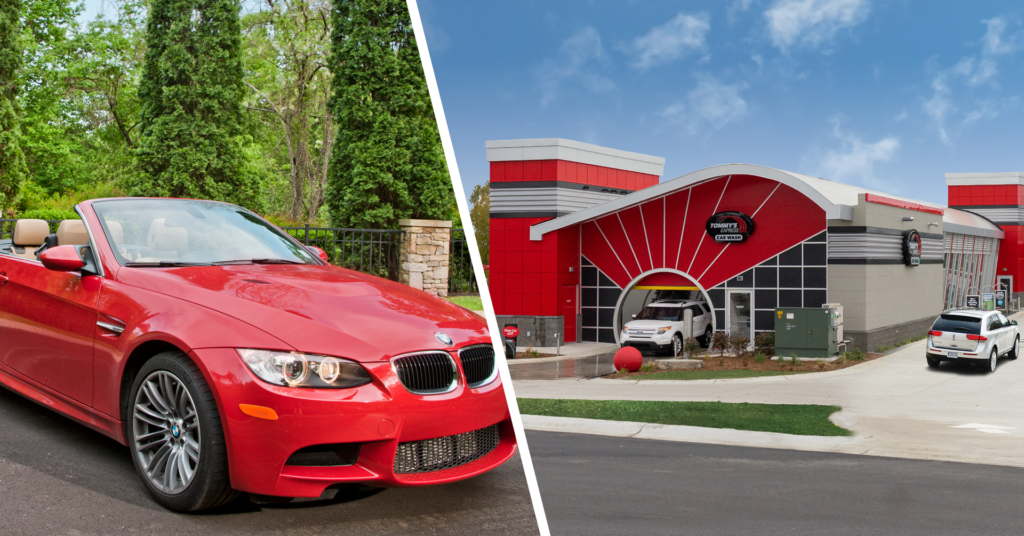
Credit: tommys-express.com
Frequently Asked Questions
Do Jeeps Leak In Car Washes?
Jeeps with hardtops usually don’t leak in car washes. Soft tops may drip water around seals. Fix any leaks promptly. Use touchless or soft-cloth washes for soft tops to prevent damage. Always secure doors and windows before washing.
Can You Take A Lifted Jeep Through A Car Wash?
You can take a lifted Jeep through a car wash if it meets height limits. Choose touchless or soft-cloth washes to avoid damage. Fold mirrors and remove tall accessories before washing. Avoid harsh brushes on soft tops to prevent tears or scratches.
Hand washing remains the safest option.
What Happens If Your Jeep Gets Wet?
Water exposure can cause electrical issues in your Jeep, affecting controls and electronics. Dry it promptly and inspect for damage.
What Cars Can’t Go Through A Car Wash?
Cars with soft tops, lifted suspensions exceeding height limits, aftermarket accessories, or debris-filled truck beds should avoid automatic car washes. Vehicles with excessive mud, rust, or unbolted items also risk damage. Opt for touchless or hand washes to protect sensitive parts and maintain vehicle condition.
Conclusion
Jeeps can go through car washes safely with some care. Choose touchless or soft-cloth washes for soft tops to avoid damage. Always check the height and fold mirrors before entering. Remove any tall accessories to prevent issues. Hand washing remains the safest option for delicate parts.
Following these tips helps keep your Jeep clean and protected. Stay cautious and maintain your vehicle properly for the best results.