Best And Worst Years for Jeep Grand Cherokee: Ultimate Buyer’s Guide
 Reading Time: 9 minutes
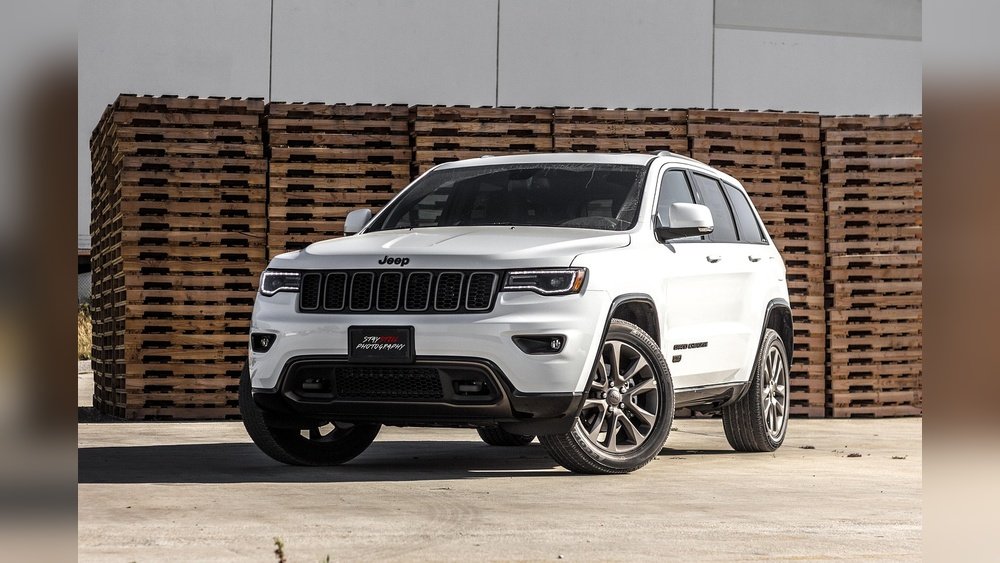
 If you’re thinking about buying a Jeep Grand Cherokee, knowing which model years shine and which ones to avoid can save you a lot of trouble—and money. Your Jeep should feel like a reliable partner, whether you’re cruising city streets or tackling rugged trails.
But not all Grand Cherokees are created equal. Some years are packed with solid performance and modern features, while others come with costly repairs and frustrating issues. You’ll discover the best and worst years for the Jeep Grand Cherokee, helping you make a confident choice that fits your needs and budget.
Ready to find out which model year deserves your attention—and which ones you should steer clear of? Keep reading.

Credit: www.stiverscdjr.com
Top Jeep Grand Cherokee Years
The Jeep Grand Cherokee has built a strong reputation over the years. Some model years stand out for their reliability, technology, and overall value. Choosing the right year can enhance your driving experience and reduce future hassles. This section highlights the top Jeep Grand Cherokee years to consider.
High Reliability Picks
The 2021 Jeep Grand Cherokee ranks high in reliability. J.D. Power praises its strong performance and low repair needs. Models from 2019 to 2021 also maintain excellent dependability. These years deliver a worry-free ownership experience. They suit drivers who want confidence in their vehicle’s durability.
Best Tech And Ride Quality
Grand Cherokees from 2016 to 2018 offer the best tech features. They include advanced infotainment systems and safety upgrades. Ride comfort improved significantly in these years. Drivers enjoy smooth handling and quieter cabins. These models blend modern convenience with Jeep’s rugged style.
Budget-friendly Classics
The 2010 Jeep Grand Cherokee is a solid choice for budget buyers. It marks the end of a generation known for reliability. This model offers good performance at a lower price. Maintenance costs tend to be reasonable. Ideal for those who want a classic Jeep without overspending.
Years To Avoid
Some Jeep Grand Cherokee model years have shown more problems than others. These years are best avoided to save money and stress. Issues range from engine troubles to electrical failures. Understanding these problem years helps buyers make smart choices.
Common Mechanical Issues
The 2011 to 2013 models often have cylinder head failures. This causes engine overheating and costly repairs. Suspension problems and premature brake wear also occur in these years. Regular maintenance does not always prevent these faults.
Transmission Problems
Models from 2014 and 2015 frequently suffer from transmission slipping. Shifting delays and harsh gear changes are common complaints. These transmission issues reduce driving comfort and may lead to total failure. Repair costs tend to be high for these problems.
Electrical And Engine Concerns
Several Grand Cherokee years experience TIPM (Totally Integrated Power Module) failures. This causes random electrical issues like stalling or failure to start. Engine misfires and faulty sensors appear in certain 2010 and 2012 models. Electrical problems can be tricky to diagnose and fix.
Transmission Trouble Spots
The Jeep Grand Cherokee has earned a strong reputation for ruggedness and style. Yet, some model years have notable transmission issues. Transmission trouble spots affect driving comfort and vehicle longevity. Understanding these problems helps buyers make smarter choices.
Transmission problems can show up as slipping gears, harsh shifts, or complete failure. These issues often lead to expensive repairs. Certain model years experience these faults more frequently. Knowing the symptoms and fixes can save time and money.
Problematic Model Years
Some Jeep Grand Cherokee years are more prone to transmission faults. The 2011 to 2013 models often show early transmission wear. The 2014 and 2015 models report frequent rough shifting and gear slipping. The 2010 model has mixed reviews with occasional transmission delays. These years require careful inspection before purchase.
Symptoms To Watch For
Warning signs include delayed gear engagement after starting the engine. Harsh or jerky shifts between gears can indicate transmission wear. Strange noises during gear changes also signal trouble. Transmission fluid leaks or burning smells mean urgent attention. Unusual vibrations or slipping gears reduce driving safety.
Available Fixes And Recalls
Jeep issued recalls for some models to address transmission software issues. Transmission fluid changes and software updates often fix shifting problems. In severe cases, transmission rebuild or replacement may be needed. Regular maintenance helps prevent early transmission wear. Always check for open recalls before buying.

Credit: www.fixdapp.com
Reliability Trends Over Time
The Jeep Grand Cherokee has evolved significantly since its debut. Its reliability has seen ups and downs over the years. Understanding these trends helps buyers make informed choices. Reliability varies across different generations and model years. Let’s explore how the Grand Cherokee’s reliability has changed over time.
Early Generation Challenges
The first Grand Cherokee models faced several reliability issues. Electrical problems, especially with the TIPM (Totally Integrated Power Module), were common. Engine troubles like faulty cylinder heads caused costly repairs. Transmission systems in early models also showed signs of wear and failure. These problems led to lower reliability ratings for years between 1999 and 2004. Buyers often reported stalling and other mechanical faults during this period.
Improvements In Recent Models
Recent Grand Cherokee models show clear improvements in reliability. From 2016 onward, Jeep addressed many earlier flaws. Updated transmissions and stronger engine components enhanced performance. The 2019 to 2021 models earned high marks from J.D. Power and other reviewers. Advanced tech features became more reliable and user-friendly. These changes boosted buyer confidence and reduced repair costs.
Long-term Durability
Long-term durability varies by model year and maintenance. Well-maintained Grand Cherokees from the late 2000s and newer tend to last longer. Regular servicing helps avoid common issues like transmission wear and electrical faults. Some older models, especially from 2010, remain budget-friendly and dependable with care. Prospective owners should check service history and inspect crucial parts before buying.
Buying Tips For Used Models
Buying a used Jeep Grand Cherokee requires careful thought. Choosing the right year can save money and stress. Some model years have better reliability than others. Knowing what to check before buying helps avoid costly problems later. This guide offers practical tips for used Jeep Grand Cherokee buyers.
Pre-purchase Inspection Advice
Always get a thorough inspection by a trusted mechanic. They check the engine, transmission, brakes, and suspension. Look for signs of leaks, rust, or damage. Test drive the vehicle to spot unusual noises or vibrations. A professional inspection reveals hidden issues you might miss.
Maintenance History Importance
Ask the seller for service records. Regular oil changes and tune-ups show good care. Check if major repairs or recalls were done. A well-maintained Jeep runs smoother and lasts longer. Lack of maintenance history can mean future expensive repairs.
Budgeting For Repairs
Some Grand Cherokee years need more repairs than others. Set aside money for parts and labor. Older models might need new brakes, tires, or battery soon. Plan for unexpected costs like transmission or electrical fixes. Budgeting helps keep your Jeep reliable and safe on the road.
Alternative Jeep Models
Exploring alternative Jeep models helps buyers find the best fit beyond the Grand Cherokee. Jeep offers several SUVs with unique strengths and designs. Each model serves different needs, budgets, and preferences. Comparing these options reveals why some Jeep models may be better for specific drivers. This guide covers key comparisons, focusing on the modern Cherokee, off-road ability, and technology features.
Modern Cherokee Comparisons
The modern Jeep Cherokee (KL) differs greatly from the Grand Cherokee. It is smaller and lighter, suitable for city driving. The Cherokee offers good fuel economy, making it cheaper to run. It has a simpler interior but still provides comfort. Reliability is decent, but earlier models had some issues. The Grand Cherokee is larger and more powerful, ideal for towing and space.
Off-road Capability Differences
Jeep models vary in off-road skills. The Grand Cherokee has strong off-road systems like Quadra-Drive II. It can handle tough trails and deep water crossings. The Cherokee is capable but built more for light off-roading. It uses Jeep’s Active Drive systems, which work well on moderate terrain. For serious off-roaders, the Grand Cherokee offers more rugged options and ground clearance.
Technology And Features
The Grand Cherokee generally has more advanced tech features. It includes larger touchscreens, premium audio, and driver aids. The Cherokee offers basic tech, focusing on essential functions. Recent Cherokee models improved with updated infotainment and safety tools. Both models support Apple CarPlay and Android Auto. Buyers should consider which tech features matter most for daily use.
Warranty And Support Insights
Understanding warranty and support options for the Jeep Grand Cherokee helps buyers make smart choices. Warranty coverage varies by model year and can impact repair costs. Support from dealers and manufacturers also affects ownership satisfaction. This section dives into key warranty and support insights for the Jeep Grand Cherokee.
Coverage On Older Models
Older Jeep Grand Cherokee models usually have expired original warranties. Basic coverage often lasts about 3 years or 36,000 miles. Powertrain warranties might extend to 5 years or 60,000 miles. After these periods, owners pay for repairs unless they buy extra coverage. Some older models face higher repair costs due to parts wear. Checking if any recalls or service campaigns remain is important for older vehicles.
Extended Warranty Options
Extended warranties help protect Jeep Grand Cherokee owners beyond factory coverage. These plans cover major repairs and can last several years or up to 100,000 miles. Buyers can purchase them from dealers or third-party providers. Extended warranties give peace of mind and can reduce unexpected expenses. Costs vary by coverage level and vehicle condition. Reviewing terms carefully ensures the warranty suits the buyer’s needs.
Dealer And Manufacturer Support
Jeep dealers provide service, repairs, and recall updates for Grand Cherokee owners. Manufacturer support includes roadside assistance and warranty repairs during coverage. Some dealers offer maintenance packages for routine care. Authorized dealers use genuine Jeep parts, preserving vehicle value. Customer service quality varies by location, so checking reviews helps find reliable support. Staying connected with dealers ensures up-to-date info on recalls or service programs.

Credit: www.stiverscdjr.com
Frequently Asked Questions
What Is The Best Year Jeep Grand Cherokee To Buy?
The best Jeep Grand Cherokee years are 2019-2021 for reliability and tech. The 2016-2018 models also offer good value. Avoid 2011-2015 due to engine and transmission issues. Always inspect maintenance records before buying.
What Years To Avoid For A Jeep Grand Cherokee?
Avoid Jeep Grand Cherokee model years 2011-2013 and 2014-2015 due to engine, transmission, and electrical issues. The 2010 model also shows lower reliability.
Which Grand Cherokee Years Have Transmission Issues?
Jeep Grand Cherokee models from 2011 to 2013 and 2014 to 2015 often have transmission issues. Early WK generation (2010) also shows problems. These years report higher transmission failures and related complaints. Choose newer models for better reliability.
What Is The Best Year To Buy A Used Jeep Cherokee?
The best years to buy a used Jeep Cherokee are 2018 to 2021. These offer high reliability and modern features. Always inspect maintenance records and condition before purchase. Avoid 2014-2015 models due to reported issues.
Conclusion
Choosing the right Jeep Grand Cherokee year matters for reliability and value. Some years offer strong performance and fewer problems. Others may come with costly repairs and common issues. Always check the vehicle’s history and condition before buying. A well-maintained model from a good year often outperforms a poorly cared for newer one.
Keep these points in mind to enjoy your Jeep with confidence and peace of mind.