Are Jeeps Safe: Essential Facts Every Buyer Must Know
 Reading Time: 8 minutes
 Are Jeeps safe? If you’re thinking about buying one or already own a Jeep, this question is probably on your mind.
Jeeps have a reputation for being tough and adventurous, but you might have heard concerns about their safety, especially when it comes to rollovers. You want to feel confident every time you get behind the wheel, whether you’re driving around town or heading off-road.
You’ll discover the real facts about Jeep safety, what makes them more prone to certain risks, and how modern features and smart driving can keep you protected. Keep reading to learn exactly what you need to know to make the safest choice for you and your family.

Credit: capitalmotorcars.com
Jeep Rollover Risks
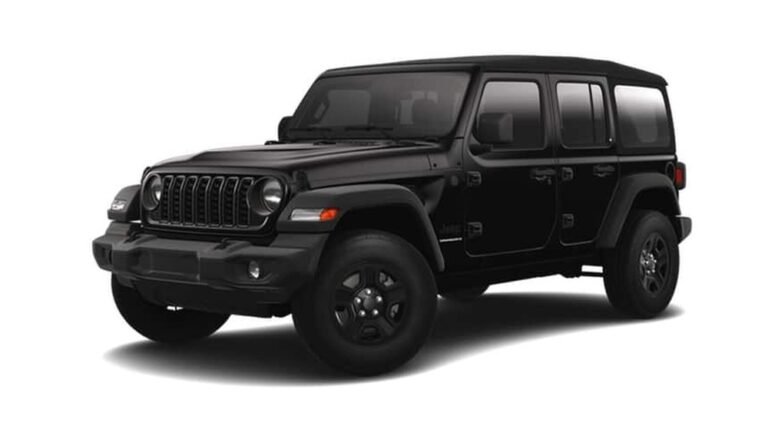
Jeep rollover risks are a serious safety concern for drivers and passengers. The design of many Jeeps, especially the Wrangler, makes them more likely to roll over than other vehicles. Understanding these risks can help drivers stay safe on and off the road.
Several key factors contribute to the rollover risk in Jeeps. These include their height, wheelbase, modifications, and the challenges of off-roading. Each factor affects vehicle stability in different ways.
High Center Of Gravity
Jeeps have a high center of gravity due to their ground clearance. This height helps with off-road driving but raises the balance point. A higher balance point makes the vehicle easier to tip during sharp turns or sudden movements.
Narrow Wheelbase
The wheelbase is the distance between the front and rear wheels. Jeeps usually have a narrow wheelbase compared to their height. This narrow stance reduces stability and makes rollovers more likely on uneven or curved roads.
Lift Kits And Modifications
Many Jeep owners add lift kits, larger tires, or roof racks. These modifications increase the vehicle’s height and weight above the wheels. Higher and heavier topsides make the Jeep less stable and increase rollover risk.
Off-roading Challenges
Off-roading involves uneven surfaces, steep slopes, and rough terrain. These conditions challenge a Jeep’s balance and control. Drivers must carefully manage speed and angles to avoid tipping over on trails.

Credit: www.reddit.com
On-road Vs Off-road Safety
Jeeps offer unique driving experiences on roads and rough trails. Their safety varies between on-road and off-road conditions. Understanding these differences helps drivers stay safe. On paved roads, stability features assist with control. Off-road, terrain challenges require extra caution.
Electronic Stability Control Benefits
Electronic Stability Control (ESC) helps keep Jeeps steady on roads. It detects loss of traction and applies brakes to individual wheels. This reduces chances of skidding or rolling over during sharp turns. ESC is vital for high center of gravity vehicles like Jeeps. It improves handling in wet or slippery conditions. ESC does not eliminate all risks but lowers accident chances. Newer Jeep models come equipped with ESC as standard. Drivers should still avoid sudden swerves to stay safe.
Off-road Handling Tips
Off-road driving tests a Jeep’s limits and driver skill. Uneven ground, rocks, and slopes increase rollover risk. Keep speed low and steady on rough trails. Avoid sharp turns at high speeds. Use low gear for better control on hills and descents. Keep the vehicle’s center of gravity low by removing roof loads. Watch for loose surfaces that reduce tire grip. Practice off-road skills in safe areas before tough trails. Understanding Jeep’s handling off-road lowers accident chances.
Crash Test Insights
Crash tests give clear insights about Jeep safety. They show how well Jeeps protect passengers during impacts. These tests also reveal risks like rollovers, which are important to understand. Examining crash performance and tipping causes helps drivers make safer choices.
Jeep models vary in safety scores. Knowing the details can guide buyers and owners to drive more carefully. Understanding crash test results sheds light on the vehicle’s strengths and weaknesses.
Wrangler Crash Performance
The Jeep Wrangler has mixed crash test results. It scores well in side-impact protection. Front and rear crash safety is average. The vehicle’s frame absorbs impact to protect passengers.
Safety features like airbags and stability control are standard. They help reduce injury risks during accidents. Still, the Wrangler’s shape and build affect crash outcomes. Its boxy design can increase damage in some crashes.
Common Causes Of Tipping
Wranglers are known for a higher risk of tipping over. This risk comes from their tall height and narrow wheelbase. These features raise the center of gravity, making the vehicle less stable.
Sharp turns, sudden swerves, or rough terrain can trigger rollovers. Modifications like lift kits and large tires increase this danger. Stability control helps but cannot eliminate all risks.
Driving slowly on curves and avoiding sharp maneuvers lowers tipping chances. Knowing these causes helps Jeep owners stay safer on the road and trails.
Key Safety Ratings
Key safety ratings offer clear insight into how Jeeps perform in crash tests and safety evaluations. These ratings help buyers understand the protection level a Jeep provides in different accident scenarios. Reviewing these scores gives a better idea of overall vehicle safety.
Iihs Top Safety Pick+
The Insurance Institute for Highway Safety (IIHS) tests vehicles on crashworthiness and crash avoidance features. Some Jeep models have earned the IIHS Top Safety Pick+ award. This means they scored well in crash tests and offer effective front crash prevention systems.
To get this award, vehicles must have good ratings in crash tests like small overlap front, moderate overlap front, side, roof strength, and head restraints. Jeep models with this rating show strong safety design and protection.
Nhtsa Crash Protection Scores
The National Highway Traffic Safety Administration (NHTSA) gives vehicles star ratings based on crash tests. These tests include frontal crash, side crash, and rollover resistance. Jeeps often receive solid scores for frontal and side crash protection.
Rollover risk is a key factor for SUVs like Jeeps due to their higher center of gravity. NHTSA measures rollover resistance and rates vehicles on a scale of one to five stars. Modern Jeeps include electronic stability control to reduce rollover chances.
Checking NHTSA scores helps buyers understand how well a Jeep protects occupants in common crash types. High ratings indicate better crash protection and safer driving.
Choosing The Safest Jeep
Choosing the safest Jeep means understanding which model fits your safety needs best.
Every Jeep offers different features and safety ratings. Some are better for city driving, others for off-road adventures.
Knowing how to compare these can keep you and your passengers safer on the road.
Researching Safety Scores
Start by checking official safety scores from trusted sources like the NHTSA and IIHS.
These organizations test crashworthiness, rollover risk, and other key safety factors.
Look for Jeeps with high ratings in frontal crash and side-impact tests.
Consider models with advanced safety features like electronic stability control and airbags.
Matching Vehicle To Needs
Think about where you will drive most often—city streets or rugged trails.
Some Jeeps have a higher center of gravity, increasing rollover risk off-road.
Choose models with stability control if you drive in urban or highway conditions.
For off-road use, pick a Jeep with strong safety features and good ground clearance.
Always balance performance and safety based on your daily driving habits.
Common Jeep Safety Concerns
Jeeps are popular for their rugged look and off-road ability. Many drivers wonder about their safety. Several common concerns affect Jeep safety. Understanding these helps drivers stay safe on and off the road.
This section covers two main issues: rollover tendencies and the impact of aftermarket modifications. Both play a big role in Jeep safety.
Rollover Tendencies
Jeeps, especially models like the Wrangler, have a higher chance of rolling over. Their tall height and narrow wheelbase make them less stable in sharp turns. The high center of gravity raises the risk when swerving quickly or driving on rough terrain.
Newer Jeeps include electronic stability control to reduce rollover risk. Still, drivers must be careful, as aggressive driving can cause flips. Off-road conditions increase this risk further due to uneven surfaces and steep slopes.
Effect Of Aftermarket Modifications
Many Jeep owners add modifications like lift kits, bigger tires, or roof racks. These changes raise the vehicle’s center of gravity even more. Higher center of gravity means less stability and a greater chance of tipping over.
Some mods may also affect braking and handling. Poorly installed or extreme modifications can reduce safety features’ effectiveness. Jeep drivers should choose modifications wisely and consider how they impact vehicle control.
Safety Features In Modern Jeeps
Modern Jeeps include many safety features designed to protect drivers and passengers. These features improve vehicle control and help prevent accidents. They also assist drivers in difficult conditions. Jeep models now combine rugged design with advanced technology to enhance safety on and off the road.
Stability Control Systems
Stability control systems help keep the Jeep steady during turns and sudden moves. They detect when the vehicle starts to slide or lose control. The system then applies brakes to individual wheels and reduces engine power. This action helps the driver regain control and avoid rollovers. Electronic Stability Control (ESC) is standard on most modern Jeeps. It works well on slippery roads and rough terrain, reducing accident risks.
Advanced Driver Assistance
Advanced driver assistance systems support drivers in many ways. Features like adaptive cruise control adjust speed to keep safe distances from other vehicles. Blind spot monitoring warns about cars in hard-to-see areas. Lane departure warnings alert drivers if they drift out of their lane. Some Jeeps also have automatic emergency braking to stop the vehicle in emergencies. These systems reduce driver stress and improve overall safety.

Credit: www.bettenhausencdjr.com
Frequently Asked Questions
Do Jeeps Really Flip Easily?
Jeeps, especially Wranglers, have a higher rollover risk due to their tall height and narrow wheelbase. Modern safety features reduce this risk. Careful driving and avoiding sharp turns help prevent flips, making them safer for everyday use despite their design.
What Is The 1 Safest Vehicle?
The 1 safest vehicle varies by year and model. Look for cars with IIHS Top Safety Pick+ and NHTSA 5-star ratings.
What Are The Disadvantages Of Jeeps?
Jeeps have a high rollover risk due to their tall height and narrow wheelbase. Modifications can increase instability. They also offer a rougher ride and lower fuel efficiency. Off-road use demands careful handling to avoid accidents. Maintenance costs can be higher than average vehicles.
Are Jeeps Safe For A First Car?
Jeeps, especially Wranglers, have a higher rollover risk due to their design. Modern safety features help, but cautious driving is essential. They can be safe for first cars if driven carefully and without risky modifications.
Are Jeeps More Likely To Roll Over Than Other Cars?
Jeeps have a higher center of gravity and narrow wheelbase. This makes them more prone to rollovers than many sedans or SUVs. Careful driving can reduce this risk.
Conclusion
Jeeps offer strong performance but come with rollover risks. Their high center of gravity makes sharp turns tricky. Modern safety features help reduce danger on roads. Off-road driving demands extra caution and skill. Keeping speed moderate and avoiding sudden moves improves safety.
Knowing your Jeep’s limits protects you and passengers. Safe driving habits matter more than vehicle type. Choose carefully and drive responsibly for peace of mind.