Are Jeeps Grand Cherokees Reliable: Ultimate Guide to Durability
 Reading Time: 13 minutes
 Are you thinking about getting a Jeep Grand Cherokee but wondering if it’s a reliable choice? You’re not alone.
When it comes to picking the right SUV, reliability is one of the first things on your mind. You want a vehicle that won’t leave you stranded or drain your wallet with constant repairs. But how does the Grand Cherokee hold up over time?
We’ll break down what you need to know about its reliability—highlighting the best model years, common issues to watch out for, and whether this rugged SUV is worth your investment. Keep reading to make sure your next Jeep is a smart and dependable ride.
Reliability Overview
The Jeep Grand Cherokee has a mixed reputation for reliability. Some model years perform well, while others face common problems. Understanding these details helps buyers make smart choices. This section breaks down reliability by model year and common issues.
Not all Grand Cherokees share the same reliability. It varies across generations and production years. Knowing which years to trust can save money and frustration.
Reliable Years To Consider
Certain model years show better reliability ratings. The 2010, 2015, 2016, 2021, 2024, and 2025 models tend to have fewer major problems. Owners report fewer engine and transmission issues in these years. These models also benefit from updated technology and fixes.
Years To Approach With Caution
Some years have higher reports of failure and repairs. The 2011 to 2013 models often face cylinder head and engine troubles. The 2014 and 2015 models sometimes suffer from transmission and electrical problems. Early WK generation models, like 2010, show mixed reliability.
Common Issues Across Generations
Many Grand Cherokees share similar problem areas. Electronics, especially infotainment systems, often malfunction. The Transmission Control Module can fail, causing shifting issues. Engine stalling and faulty cylinder heads are also reported. Knowing these helps owners anticipate repairs.
Credit: www.motorbiscuit.com
Model Years To Avoid
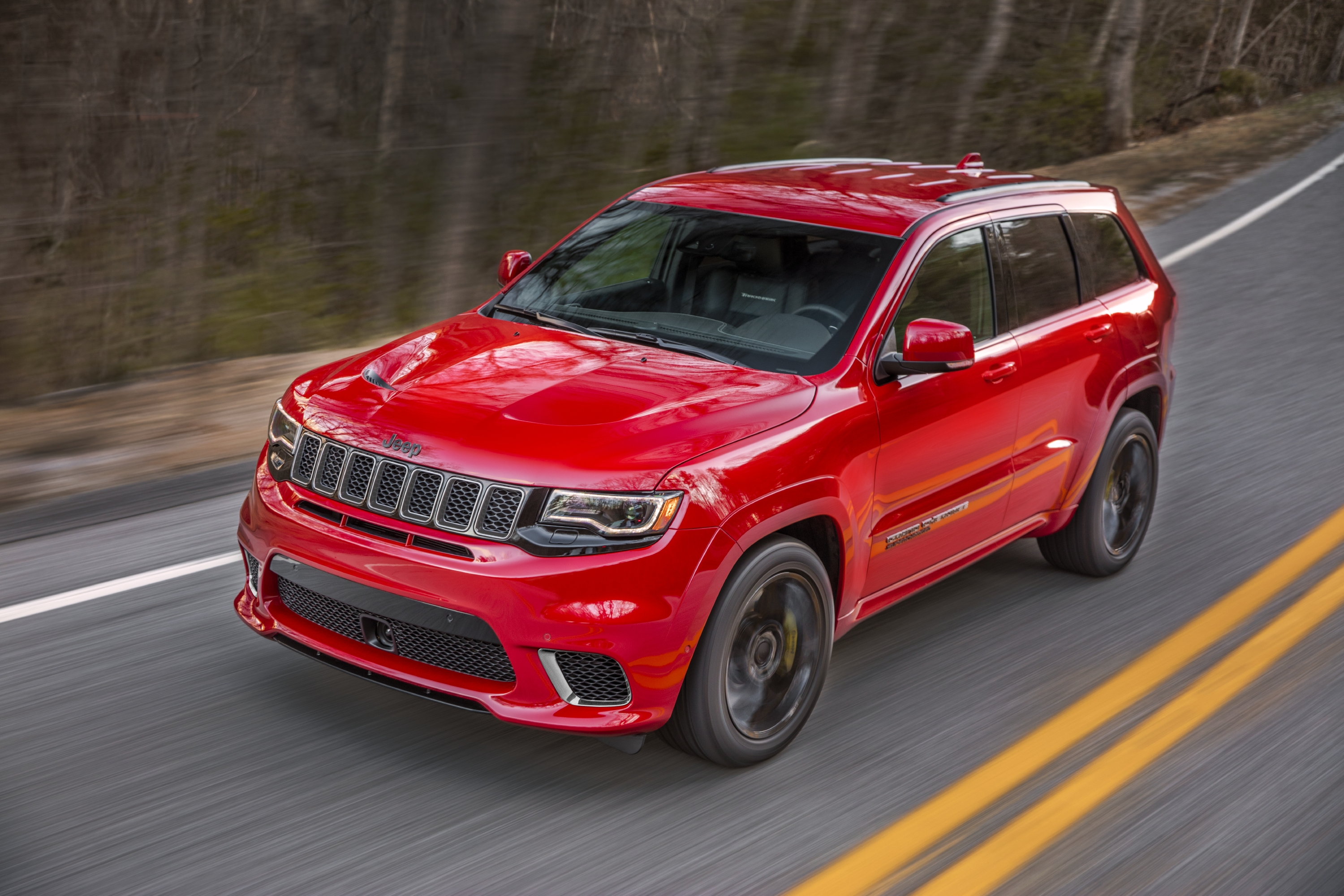
Some Jeep Grand Cherokee model years have shown more reliability concerns than others. Knowing which years to avoid can save money and stress. Certain generations experienced specific mechanical problems that affected performance and repair costs. This guide highlights the key model years with known issues.
2011-2013 Cylinder Head Issues
The 2011 to 2013 Grand Cherokees often suffered from cylinder head failures. This problem caused engine overheating and rough running. Repairing cylinder heads can be expensive and time-consuming. Many owners reported frequent trips to the mechanic for this issue. These model years are best avoided if reliability is a priority.
2014-2015 Transmission Problems
Grand Cherokees from 2014 and 2015 faced transmission troubles. Common complaints include rough shifting and slipping gears. Some drivers experienced sudden loss of power during acceleration. These transmission issues can lead to costly repairs or full replacement. Buyers should be cautious with these model years due to potential drivetrain problems.
Early Wk Generation Concerns
The early WK generation, especially models around 2005 to 2009, showed various reliability concerns. Electrical glitches and TIPM (Totally Integrated Power Module) failures were common. These caused intermittent electrical problems and stalling. Some engines also had oil leaks and other minor faults. Repair costs can add up, so careful inspection is necessary when considering these years.
Most Reliable Model Years
Jeep Grand Cherokees have varied in reliability across different years. Some model years stand out for better performance and fewer issues. Choosing a reliable year helps avoid costly repairs and keeps your driving smooth. Below are some of the most reliable Grand Cherokee model years with key highlights.
2010 Performance Highlights
The 2010 Grand Cherokee showed solid build quality and dependable engine options. It offered a smooth ride and good off-road capability. Though not perfect, this model year had fewer complaints than the earlier 2000s. Many owners praised its strong V6 and V8 engines. Maintenance costs were reasonable compared to competitors.
2015 And 2016 Improvements
The 2015 and 2016 models saw important updates to reliability. Jeep improved the transmission and fixed previous electrical issues. These years also introduced better safety features and tech upgrades. Owners reported fewer breakdowns and better fuel efficiency. These models remain popular choices for used SUV buyers.
Latest 2021 To 2025 Models
New Grand Cherokees from 2021 to 2025 benefit from advanced engineering and tech. Jeep addressed prior model weaknesses and enhanced overall durability. These models feature modern safety systems and efficient engines. Early feedback shows strong reliability scores and positive owner experiences. They are a solid option for buyers wanting a new SUV.
Common Mechanical Issues
Jeep Grand Cherokees are popular SUVs, but they face some common mechanical issues. These problems can affect reliability and ownership costs. Knowing about these issues helps buyers make smart choices and maintain their vehicles better.
Some issues appear more often in specific model years. Others relate to key components like electronics and transmission. Let’s explore the main mechanical problems reported by many Jeep Grand Cherokee owners.
Tipm Failures
The Totally Integrated Power Module (TIPM) controls many electrical functions. It manages power distribution for lights, fuel pump, and other systems. TIPM failures cause sudden electrical problems or engine stalling.
Owners may notice issues like flickering lights, no-start conditions, or warning lights. TIPM failure can be costly to repair since it often requires module replacement. Some model years, especially early 2010s, show higher TIPM failure rates.
Transmission Woes
Transmission problems are common in Grand Cherokees. These include rough shifting, slipping gears, or delayed engagement. Some vehicles experience complete transmission failure requiring rebuild or replacement.
Older models and those with higher mileage tend to suffer more transmission issues. Regular fluid changes and prompt repairs can help extend transmission life. Buyers should check transmission history before purchase.
Engine And Electrical Problems
Engine troubles vary from minor glitches to major faults. Common issues include faulty cylinder heads, overheating, and stalling. Electrical problems may cause dashboard warning lights or malfunctioning accessories.
Some Grand Cherokees have experienced engine misfires and sensor failures. Electrical gremlins can affect power windows, door locks, and infotainment systems. Proper maintenance and timely repairs reduce risks.
Electronics And Infotainment
The electronics and infotainment systems in Jeep Grand Cherokees play a big role in the driving experience. These features include touchscreen displays, digital gauges, and connectivity options like Bluetooth and Apple CarPlay. They add comfort and convenience but can sometimes cause problems. Understanding common electronic issues helps buyers decide if the Grand Cherokee meets their needs.
Infotainment Glitches
Many Jeep Grand Cherokee owners report glitches in the infotainment system. The touchscreen may freeze or respond slowly. Some screens randomly reboot during use. Software updates can fix bugs but may also introduce new ones. These glitches cause frustration and reduce enjoyment of the vehicle’s tech features.
Digital Cluster Failures
The digital instrument cluster can fail in certain Grand Cherokee models. Drivers see blank or flickering screens. This affects important info like speed and fuel level. Repair costs for the digital cluster can be high. Some owners experience this issue more in older or high-mileage vehicles.
Battery Drain Concerns
Battery drain is another reported problem linked to the Grand Cherokee’s electronics. Systems may stay active even after the engine is off. This can drain the battery overnight or after short stops. Replacing or reprogramming electronic modules often solves the problem. Regular battery checks help avoid unexpected failures.
Suspension And Build Quality
The suspension and build quality of the Jeep Grand Cherokee play a big role in its overall reliability. These parts affect how the vehicle handles rough roads and how long it lasts. Jeep uses different suspension types and materials that impact comfort and durability. Examining these aspects helps buyers understand what to expect from the vehicle.
Air Suspension Durability
The Jeep Grand Cherokee offers an air suspension system on some models. This system adjusts ride height and improves comfort. Air suspension can fail over time due to leaks or compressor issues. Repair costs can be high if these parts wear out. Some owners report problems after several years or miles. Regular checks help catch issues early and keep the system working well.
Interior Wear And Tear
The interior build quality affects how the cabin ages. Jeep uses a mix of soft and hard materials inside. Over time, seats and trim may show signs of wear. Common problems include cracking leather and loose panels. Some models handle daily use better than others. Proper care and cleaning extend the life of interior parts.
Exterior Fit And Finish
The exterior of the Grand Cherokee shows how well Jeep builds the vehicle. Fit and finish refer to how tightly panels align and how paint holds up. Some owners notice gaps or uneven lines on certain model years. Paint chips and scratches can appear in harsh conditions. Good build quality reduces these issues and keeps the vehicle looking new longer.
Impact Of Maintenance On Reliability
Maintenance plays a crucial role in the reliability of Jeep Grand Cherokees. Regular care keeps the vehicle running smoothly and helps avoid costly repairs. Without proper upkeep, even the most reliable models can develop problems over time.
Owners who follow the recommended service schedule often experience fewer breakdowns. Timely oil changes, brake inspections, and fluid replacements improve engine health. Neglecting these tasks can lead to mechanical failures and safety risks.
Proper maintenance also extends the lifespan of essential components. Tires, batteries, and filters last longer with routine checks. This reduces the chance of unexpected issues during daily driving.
Importance Of Regular Oil Changes
Oil lubricates engine parts and prevents overheating. Dirty oil causes wear and damages the engine. Changing oil regularly ensures smooth performance and better fuel efficiency. Jeep Grand Cherokees need oil changes every 5,000 to 7,500 miles depending on the model.
Keeping The Transmission Healthy
The transmission system controls gear shifting and overall drive quality. Fluid changes and inspections prevent slipping or harsh shifts. Poor transmission care can lead to costly repairs or replacements. Regular servicing helps maintain smooth and reliable driving.
Brake System Maintenance
Brakes are vital for safety and control. Checking brake pads, rotors, and fluid keeps the system effective. Worn brakes increase stopping distance and risk accidents. Timely brake maintenance improves reliability and driver confidence.
Electrical System Checks
Modern Grand Cherokees rely on complex electrical parts. Battery health, wiring, and sensors affect vehicle functions. Regular checks prevent issues like starting problems or warning lights. Good electrical maintenance supports overall reliability.
Benefits Of Following The Manufacturer’s Service Schedule
Jeep provides a detailed maintenance guide for each Grand Cherokee model. Sticking to this schedule avoids missed services and unexpected failures. It also helps retain vehicle value and warranty coverage. Scheduled upkeep keeps the Grand Cherokee dependable for years.
Warranty And Service Support
The warranty and service support play a key role in the overall reliability of Jeep Grand Cherokees. These factors offer peace of mind and protect owners from unexpected repair costs. Jeep provides a basic warranty that covers most parts of the vehicle for a certain period. This coverage helps maintain the vehicle’s reliability over time.
Service support is also important for keeping the Grand Cherokee running smoothly. Jeep has a network of service centers with trained technicians. They use genuine parts and follow manufacturer guidelines for repairs. This ensures that maintenance and fixes do not compromise the vehicle’s quality or longevity.
Jeep Grand Cherokee Warranty Coverage
The standard warranty includes a 3-year or 36,000-mile basic limited warranty. It covers repairs needed due to defects in materials or workmanship. The powertrain warranty lasts 5 years or 60,000 miles. It covers major engine and transmission components. This coverage helps protect the most expensive parts of the vehicle.
Some models may also offer corrosion protection for up to 5 years. Roadside assistance is often included during the warranty period. This service provides help with towing, battery jump-starts, and flat tires. These features support owners and add to the vehicle’s reliability.
Service And Maintenance Support
Jeep offers scheduled maintenance plans to keep Grand Cherokees in good condition. Regular oil changes, brake checks, and fluid replacements prevent many common problems. Service centers use factory-trained mechanics who understand the Grand Cherokee well.
Service intervals are clearly outlined in the owner’s manual. Following these helps avoid costly repairs and keeps the vehicle safe. Jeep dealerships provide updates on recalls and technical service bulletins. This proactive care improves the vehicle’s reliability over its life.
Comparing Alternatives
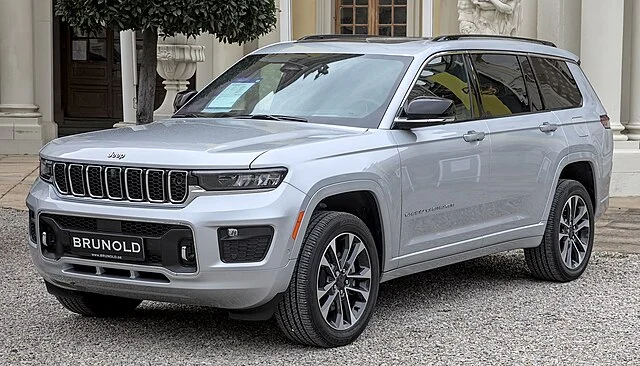
Choosing a reliable SUV means comparing popular models side by side. The Jeep Grand Cherokee stands out for its off-road ability and style. Still, many buyers want to see how it stacks up against other options. This section looks at similar SUVs to help you decide on the best fit.
Comparing Jeep Grand Cherokee To Toyota 4runner
The Toyota 4Runner is famous for its strong reliability. It has fewer electrical problems than the Grand Cherokee. The 4Runner also keeps its value well over time. However, the Grand Cherokee offers more luxury features inside. For rugged trails, both perform well but the 4Runner has a slight edge in durability.
Comparing Jeep Grand Cherokee To Ford Explorer
The Ford Explorer provides a smooth ride and a spacious cabin. It scores better in crash tests compared to the Grand Cherokee. Maintenance costs for the Explorer tend to be lower. Yet, the Grand Cherokee offers better engine choices for power. Buyers who want a mix of comfort and off-road skill may prefer the Jeep.
Comparing Jeep Grand Cherokee To Honda Pilot
The Honda Pilot is known for its family-friendly design and reliability. It rarely has major mechanical issues. Fuel economy is better in the Pilot than in the Grand Cherokee. Inside, the Pilot offers more passenger space. The Jeep wins in off-road capability and towing strength. The choice depends on your daily driving needs.
Credit: www.copilotsearch.com
Consumer Ratings And Reviews
Consumer ratings and reviews offer real insights into Jeep Grand Cherokee reliability. They reflect the experiences of everyday drivers. These opinions help potential buyers understand vehicle strengths and weaknesses. Reviews cover many aspects, including performance, maintenance, and durability.
Ratings from trusted sources highlight trends over different model years. Positive feedback often praises comfort and off-road ability. Negative comments usually point to mechanical and electrical problems. Understanding these details helps shoppers make informed decisions.
Overview Of Consumer Ratings
Many consumers rate the Jeep Grand Cherokee between average and above average. Some years score higher due to fewer reported issues. Others show lower reliability because of recurring problems. Overall, ratings vary widely by model year and trim.
Common Praise In Reviews
Drivers appreciate the Grand Cherokee’s strong engine options. Its smooth ride and spacious interior earn frequent compliments. Off-road performance also gets high marks. These features contribute to good user satisfaction in many reviews.
Frequent Complaints By Owners
Some owners report issues with transmission and electrical systems. Engine problems appear in several model years. Repairs can be costly and frequent, according to many reviews. These complaints lower reliability scores in consumer reports.
Impact Of Model Year On Reliability
Older models often have more reported defects than newer ones. Recent updates improved some components and reduced failures. Specific years show fewer problems and better consumer feedback. Checking ratings by year helps identify reliable options.
Role Of Warranty And Service
Warranty coverage influences owner satisfaction and trust. Extended warranties reduce repair costs and ease concerns. Dealers with strong service support improve reliability perceptions. Consumers value these factors when rating their Grand Cherokees.
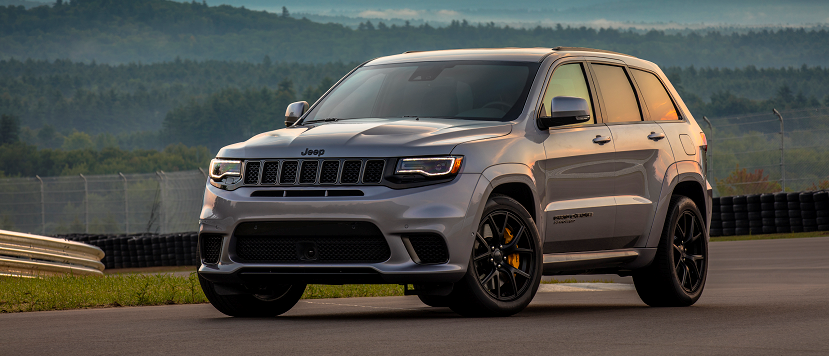
Credit: www.fletcherchrysler.com
Frequently Asked Questions
How Reliable Is The Jeep Grand Cherokee?
The Jeep Grand Cherokee shows mixed reliability, with some model years performing well. Common issues include electronics and suspension. Choose 2010, 2015-2016, or 2021 models for better dependability. Regular maintenance improves longevity. Overall, it ranks below average but remains a popular SUV choice.
Are Jeep Grand Cherokees Known For Problems?
Jeep Grand Cherokees have known issues like transmission failures, electrical problems, and suspension wear. Reliability varies by model year. Some years, like 2011-2013, show more problems, while others like 2015 and 2016 are more reliable. Regular maintenance improves durability.
What Years To Stay Away From On A Jeep Grand Cherokee?
Avoid Jeep Grand Cherokee model years 2011-2013 due to cylinder head failures and 2014-2015 for transmission issues. Early WK models around 2010 also show lower reliability. These years commonly face engine, electrical, and TIPM problems. Choose newer or well-reviewed years for better dependability.
Which Grand Cherokee Years Are Reliable?
The most reliable Jeep Grand Cherokee years include 2010, 2015, 2016, 2021, 2024, and 2025. Avoid 2011-2013 and 2014-2015 due to engine and transmission issues. Newer models may face electronics and suspension wear, so choose wisely for durability and performance.
Conclusion
Jeeps Grand Cherokees have mixed reliability based on model years. Some years show fewer problems and better performance. Common issues include electronics and suspension wear. Choosing the right year helps avoid costly repairs. Regular maintenance keeps these SUVs running smoothly.
Buyers should research specific model years carefully. Reliability depends on proper care and usage. Overall, Grand Cherokees can be dependable with the right choices.