
Are Jeeps Good for Road Trips: Ultimate Guide to Adventure Ready Rides
 Reading Time: 12 minutes
 Thinking about hitting the open road and wondering if a Jeep is the right ride for your next road trip? You’re not alone.
Jeeps have a reputation for ruggedness and adventure, but when it comes to long drives on highways and winding roads, you might be asking: Are Jeeps good for road trips? You want a vehicle that’s reliable, comfortable, and safe, but also ready to handle whatever comes your way.
You’ll discover the real pros and cons of taking a Jeep on a road trip—everything from fuel economy and cargo space to safety and noise levels. By the end, you’ll know if a Jeep fits your travel style or if you should consider other options. Ready to find out? Keep reading.

Credit: www.tatebranchchryslerdodgejeepram.com
Jeep Models For Road Trips
Choosing the right Jeep model can make a road trip more enjoyable and comfortable. Jeep offers various models, each designed with specific features that suit different travel needs. Some focus on rugged off-road capability, while others emphasize comfort and space. Understanding these models helps pick the best Jeep for your adventure.
Wrangler Variants
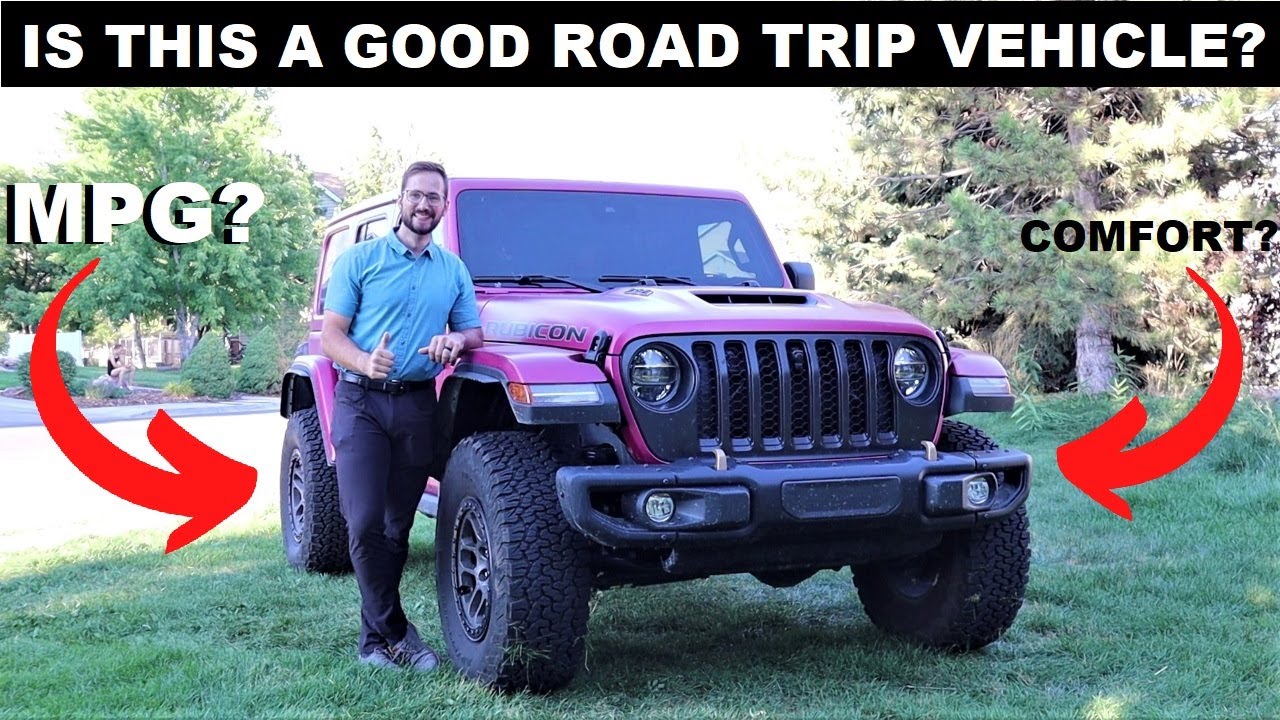
The Jeep Wrangler is famous for its strong off-road skills. It has a durable build and high ground clearance for rough terrain. The Wrangler comes in several variants like the Sport, Sahara, and Rubicon. The Sport is basic but tough, perfect for simple trips. The Sahara adds more comfort features for longer journeys. The Rubicon is the most rugged, with extra off-road gear. Wranglers have removable tops and doors, adding a fun open-air experience. They may have less cargo space but offer great adventure potential.
Grand Cherokee Comfort
The Jeep Grand Cherokee stands out for comfort on long drives. It has a smooth ride and a quiet cabin, reducing fatigue on the road. This model offers more interior space for passengers and luggage. Advanced safety and tech features come standard, making trips safer and easier. The Grand Cherokee is a good choice for families and those who want a mix of luxury and off-road ability. It balances power with comfort well.
Other Jeep Options
Besides the Wrangler and Grand Cherokee, Jeep has other models fit for road trips. The Jeep Compass is smaller but still capable off-road. It offers good fuel efficiency and modern tech. The Jeep Renegade is compact with clever storage solutions. It suits city driving and light adventures. The Jeep Gladiator blends truck utility with Jeep toughness. It is ideal for carrying gear and exploring. Each model has unique strengths for different travel styles.
Credit: www.youtube.com
Off-road Capabilities
Jeeps are famous for their off-road strength. This makes them popular for road trips that include rough paths. Their design helps drivers explore places regular cars cannot reach. Off-road capabilities are a key reason many choose Jeeps for adventure travel.
These vehicles handle tough terrain with ease. They offer features that improve control and safety on uneven surfaces. Understanding these features helps see why Jeeps suit off-road road trips.
4×4 Systems
Jeeps come with advanced 4×4 systems. These systems send power to all four wheels. This improves traction on slippery or rocky ground. Drivers can switch between 2-wheel and 4-wheel drive modes. This flexibility saves fuel on smooth roads and adds grip off-road. Some models include low-range gearing for steep climbs and descents.
Ground Clearance Benefits
Jeeps have higher ground clearance than many vehicles. This means the bottom of the car sits higher off the ground. It helps avoid damage from rocks, mud, and bumps. High clearance allows driving over obstacles without getting stuck. It also improves visibility by giving a better view of the road ahead.
Trail Rated Features
Many Jeep models are Trail Rated. This badge means they pass tough off-road tests. These tests check traction, water fording, maneuverability, articulation, and ground clearance. Trail Rated Jeeps are built to handle rough trails and tough conditions. This gives drivers confidence on challenging road trip routes.
On-road Performance
On-road performance plays a key role in deciding if a Jeep is good for road trips. While Jeeps are famous for off-road adventures, their behavior on highways and city roads matters a lot. This section focuses on how Jeeps handle, their ride comfort, and fuel economy during long drives on paved roads.
Handling And Stability
Jeeps often have a higher center of gravity than regular cars. This can affect stability during sharp turns and sudden maneuvers. Newer Jeep models include electronic stability control to reduce rollover risk. The suspension is tuned more for rough terrain than smooth roads, so handling may feel less precise. Still, many drivers find Jeep steering responsive enough for highway driving.
Ride Comfort
Jeeps typically have firm suspensions to handle tough trails. This firmness can cause a bumpy ride on paved surfaces. Road noise inside the cabin is often louder than in regular cars. Seats in newer models are more comfortable but might lack the plushness of family sedans. For long road trips, some passengers may prefer additional cushioning or noise insulation.
Fuel Economy
Fuel economy is a common concern with Jeeps. Their boxy shape and powerful engines tend to consume more fuel than compact cars. Expect lower miles per gallon, especially with four-wheel drive engaged. This means more stops for gas during long trips. Planning fuel stops is important when traveling through areas with fewer gas stations.
Safety Considerations
Safety is a top priority for anyone planning a road trip. Jeeps offer unique features, but they also come with specific safety considerations. Understanding these factors helps ensure a secure and enjoyable journey.
Rollover Risks
Jeeps, especially older models, have a higher rollover risk. Their tall design raises the center of gravity. This makes them more likely to tip during sharp turns or sudden moves. A narrow wheelbase also adds to instability. Removable roofs and doors in some models reduce structural strength. These factors require cautious driving to avoid accidents.
Modern Safety Features
Newer Jeeps come with improved safety technology. Electronic Stability Control (ESC) helps maintain control during tricky maneuvers. Electronic Roll Mitigation (ERM) detects and prevents rollovers. Modern designs include stronger frames and better airbags. These updates make today’s Jeeps safer than older versions on highways and rough roads.
Driving Tips For Stability
Drive smoothly and avoid sudden turns or quick lane changes. Keep speeds moderate, especially on curves or uneven surfaces. Use four-wheel drive when off-road for better traction. Make sure tires are properly inflated and in good condition. Removing doors or roofs is fun but adds risk, so consider leaving them on for long trips. These habits help keep your Jeep stable and safe.
Comfort And Interior Space
Comfort and interior space play a big role in deciding if a Jeep suits road trips. The right balance of seating, cargo room, and quietness makes trips more pleasant. Jeep models vary in how they handle these factors, affecting your overall experience. Let’s explore these areas to see how Jeeps perform on the road.
Seating And Cargo Capacity
Jeeps offer durable seats designed for rugged use. Most models fit four to five passengers comfortably. Front seats provide good support for long drives. Rear seats can feel tight for taller adults on longer trips. Cargo space varies by model and seat arrangement. Wranglers have less cargo room than larger SUVs like the Grand Cherokee. Folding seats help expand space for luggage or gear. Still, cargo room may feel limited for big families or lots of equipment.
Noise Levels
Road noise in Jeeps can be louder than in many other SUVs. Their off-road design lets more wind and road sounds enter the cabin. Harder roof options reduce noise better than soft tops. Newer models include sound-deadening materials to improve quietness. Still, expect more engine and tire sounds on highways. Noise levels might bother some travelers over long distances. Earplugs or good music can help mask the sounds.
Technology And Amenities
Modern Jeeps come with useful tech to enhance comfort. Touchscreen infotainment systems offer easy access to navigation and music. Many models support Apple CarPlay and Android Auto for smartphone integration. Climate control helps keep the cabin temperature steady. Heated seats and steering wheels add warmth on cold days. USB ports and charging outlets keep devices powered. Some models offer premium sound systems for better audio quality. These features make road trips more enjoyable and convenient.
Maintenance And Reliability
Jeeps are popular choices for road trips due to their rugged design. Maintenance and reliability play key roles in their performance on long journeys. Knowing what to expect helps you prepare and avoid problems. This section covers common issues, service intervals, and long-distance durability of Jeeps.
Common Issues
Jeeps can face some typical problems during road trips. Older models may have electrical glitches and leaks. Suspension parts can wear out faster on rough roads. Fuel economy is often lower than other cars. Tire wear is common due to the off-road tires. Regular checks can catch these issues early.
Service Intervals
Jeeps need regular maintenance to stay reliable. Oil changes are usually needed every 5,000 to 7,500 miles. Brake checks should happen every 10,000 miles or as needed. Transmission fluid may require replacement every 30,000 miles. Following the service schedule in the owner’s manual is important. Proper care prevents breakdowns on long trips.
Long-distance Durability
Jeeps are built tough for long drives and off-road use. Modern models have improved reliability with better engines and parts. They handle rough terrain and bad weather well. However, constant high speeds on highways can stress some components. Planning for breaks and inspections during travel extends Jeep’s durability. Many Jeep owners report strong performance on cross-country trips.
Customization For Adventures
Jeeps offer many ways to tailor your vehicle for road trip adventures. Customizing a Jeep can improve comfort, capability, and storage. These changes help you enjoy every mile, whether on highways or rugged paths.
Simple upgrades make your Jeep ready for any challenge. From lifting the suspension to adding storage, customization lets you create the perfect travel companion.
Lift Kits And Tires
Lift kits raise the Jeep’s height for better ground clearance. This helps when driving over rocks or rough terrain. Larger tires improve traction and provide a smoother ride on dirt roads. Upgraded tires also resist punctures and wear better on long trips. These changes enhance the Jeep’s off-road abilities without sacrificing road performance.
Storage Solutions
Storage is key for long road trips. Roof racks and cargo carriers add space for luggage and gear. Inside, organizers and drawer systems keep items neat and easy to find. Extra storage options let you pack camping gear, tools, and supplies. This keeps the cabin clutter-free and comfortable for passengers.
Soundproofing Options
Jeeps are known for road noise, especially on highways. Soundproofing helps reduce this noise for a quieter ride. Adding insulation panels or sound-deadening mats lowers wind and engine sounds. This upgrade makes long drives more relaxing and less tiring. A quieter cabin improves conversations and lets you enjoy music or podcasts better.
Cost Factors
Cost plays a big role in deciding if a Jeep suits your road trip plans. Knowing the costs helps you plan your budget well. Road trips can be fun, but expenses add up fast. These costs cover the price of buying, fuel use, and maintenance.
Initial Price
Jeeps often cost more than many regular cars. The price depends on the model and features. Basic models start lower, but off-road packages add to the cost. You pay more for rugged design and special gear that makes Jeeps good for rough roads.
Fuel Costs
Jeeps usually use more fuel than small cars. Their heavy build and off-road engines need more gas. This means filling up more often on long trips. Fuel costs can rise, especially if you drive in tough terrain or city traffic.
Upkeep Expenses
Jeeps need regular care to stay strong on the road. Parts like tires and brakes wear out faster from rough use. Repairs can be pricier than for normal cars. Keeping the engine and 4×4 system in good shape adds to costs. Planning for these expenses is smart for long trips.
Daily Driving Versus Road Trips
Understanding how Jeeps perform in daily driving versus road trips helps you choose the right vehicle for your needs. Jeeps offer a unique driving experience but behave differently in city traffic, highways, and long journeys. Knowing these differences improves comfort and safety.
City Commutes
Jeeps handle city driving with ease due to their compact size and high seating position. Drivers enjoy better visibility, which aids in tight parking and busy streets. The suspension may feel stiff on rough roads, but it manages potholes well. Fuel economy tends to be lower than smaller cars during stop-and-go traffic.
Highway Travel
On highways, Jeeps provide a stable ride with strong engines that handle passing and merging smoothly. Wind and road noise can be louder compared to sedans, affecting comfort on long drives. Modern models include advanced features to reduce vibration and improve fuel efficiency. Cruise control and driver aids make highway travel less tiring.
Extended Excursions
For long road trips, Jeeps shine with their rugged build and off-road capabilities. They carry gear easily and handle rough terrain, ideal for adventure lovers. Interior space varies by model, so packing efficiently is key. Noise and ride firmness may tire some passengers, but the ability to explore beyond paved roads adds great value.

Credit: www.youtube.com
User Experiences
User experiences reveal much about Jeeps on road trips. Jeep owners share their real stories. These stories help understand strengths and weaknesses. The feedback ranges from long highway drives to rugged off-road trails. Some praise the Jeep’s capability and fun factor. Others note discomfort or quirks on long rides. Here are detailed user views on Jeeps for road trips.
Long Distance Reviews
Many users enjoy Jeep rides on highways and long distances. They highlight the comfortable seating and strong engine power. Some appreciate the high driving position for better road visibility. Yet, several mention the rough ride on paved roads. Wind noise and less insulation show up in reviews. Fuel consumption is often noted as higher than average. Still, Jeep owners say the fun and freedom outweigh these downsides.
Off-road Adventure Stories
Jeep owners love sharing their off-road trip adventures. The vehicle’s rugged build helps cross rocky, muddy paths easily. Users praise the four-wheel drive for tough terrains. Many report feeling safe and in control on steep hills. The removable doors and roof add to the outdoor experience. Some stories tell of Jeep rescues and overcoming tough spots. These tales show why Jeeps are popular for nature road trips.
Common Complaints
Some users point out issues that affect road trips. Fuel economy remains a frequent complaint. Owners say filling up happens more often than with other cars. Noise inside the cabin is another issue, especially at high speed. Limited cargo space causes troubles on longer trips. A few mention the stiff suspension causing discomfort. Others worry about rollover risks on sharp turns. These complaints help new buyers set realistic expectations.
Frequently Asked Questions
What Are The Disadvantages Of Jeeps?
Jeeps have poor fuel economy, limited cargo space, higher prices, and less comfort on highways. They also produce noticeable road noise. Their high center of gravity increases rollover risk, especially in older models without modern safety features.
Can Jeeps Flip Over Easily?
Jeeps, especially older models, have a higher rollover risk due to a high center of gravity and narrow wheelbase. Modern Jeeps include stability controls that reduce this risk. Off-road driving and sharp maneuvers still increase the chance of flipping, so cautious driving is essential.
Are Jeeps Noisy On The Highway?
Jeeps, especially Wranglers, tend to be noisy on highways due to engine and wind noise. They lack sound insulation compared to sedans.
Can You Daily Drive A Jeep?
Yes, you can daily drive a Jeep. Modern models offer comfort and safety for everyday use. Expect some road noise and lower fuel efficiency.
Conclusion
Jeeps offer a unique road trip experience with their rugged design. They handle rough roads and outdoor adventures well. Fuel economy and cargo space may not impress everyone. Modern safety features help reduce rollover risks significantly. Comfort on long drives might be less than some cars.
Consider your trip needs before choosing a Jeep. For those who love exploring off the beaten path, Jeeps remain a solid choice.
![Fix Jeep Wrangler Engine Hesitation During Acceleration [Causes & Solution]](https://jeepcorner.com/wp-content/uploads/2023/11/Fix-Jeep-Wrangler-Engine-Hesitation-During-Acceleration-768x448.png)