
Are Jeeps Good First Cars: Top Reasons to Choose One Today
 Reading Time: 9 minutes
 Thinking about your first car? You might be wondering, “Are Jeeps good first cars?” Jeeps have a unique style and rugged reputation that many find appealing.
But when it comes to your safety, comfort, and ease of driving, is a Jeep really the right choice for you? Before you make a decision, it’s important to weigh the pros and cons carefully. You’ll discover what makes Jeeps stand out—and what challenges first-time drivers might face behind the wheel.
Keep reading to find out if a Jeep fits your needs and lifestyle as a new driver.
Jeep Safety Features
Jeep vehicles offer many safety features that protect drivers and passengers. These features help reduce risks on the road. They make Jeeps a strong option for first-time car owners who want safety and reliability.
Understanding Jeep safety can help new drivers feel more confident. Here are key safety aspects that matter most for first car buyers.
Advanced Technology Benefits
Jeeps come with modern safety technologies. Anti-lock brakes help keep control during sudden stops. Stability control prevents skidding on slippery roads. Multiple airbags provide protection in crashes. These features work together to reduce accident risks. They support new drivers in handling unexpected road situations safely.
Rollover Risk And Prevention
Jeeps, especially Wranglers, have a higher rollover risk than many cars. This is due to their tall and narrow design. Jeep includes safety systems like electronic stability control to lower this risk. Drivers should always use seat belts and avoid sharp turns at high speeds. Careful driving combined with Jeep’s safety tools helps prevent rollovers and keeps passengers safe.
Teen Driver Safety
Jeeps offer safety features designed for teen drivers. Some models have teen driver monitoring that tracks driving habits. Alerts can warn about speeding or harsh braking. This feature encourages responsible driving for young learners. Jeep’s strong build and safety tech provide extra peace of mind for parents and teens alike.
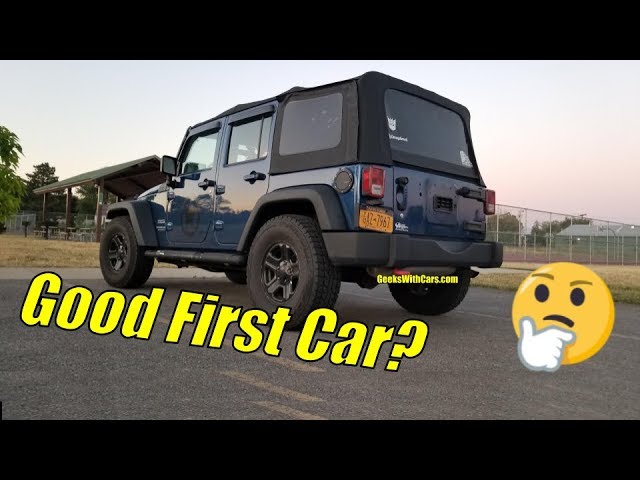
Credit: www.youtube.com
Best Jeep Models For Beginners
Choosing the best Jeep model for beginners is key to a safe and enjoyable driving experience. Some Jeep models fit new drivers better than others. It depends on size, ease of handling, and safety features.
Below are three popular Jeep models. Each offers unique benefits and some drawbacks. These points help beginners decide which Jeep suits their needs.
Jeep Renegade Advantages
The Jeep Renegade is small and easy to drive. Its compact size helps with parking and tight spaces. The Renegade offers good fuel economy, saving money on gas. Modern safety features like airbags and stability control come standard. This model has a smooth ride, perfect for city and highway driving. The Renegade also has an affordable price, good for first-time buyers.
Jeep Grand Cherokee Highlights
The Grand Cherokee is bigger and more powerful than the Renegade. It provides a comfortable ride with a spacious interior. This Jeep has strong safety ratings and includes advanced tech for driver assistance. Beginners benefit from its smooth handling and solid build quality. Though it costs more, the Grand Cherokee offers more room and luxury for new drivers who want extra space.
Wrangler Pros And Cons
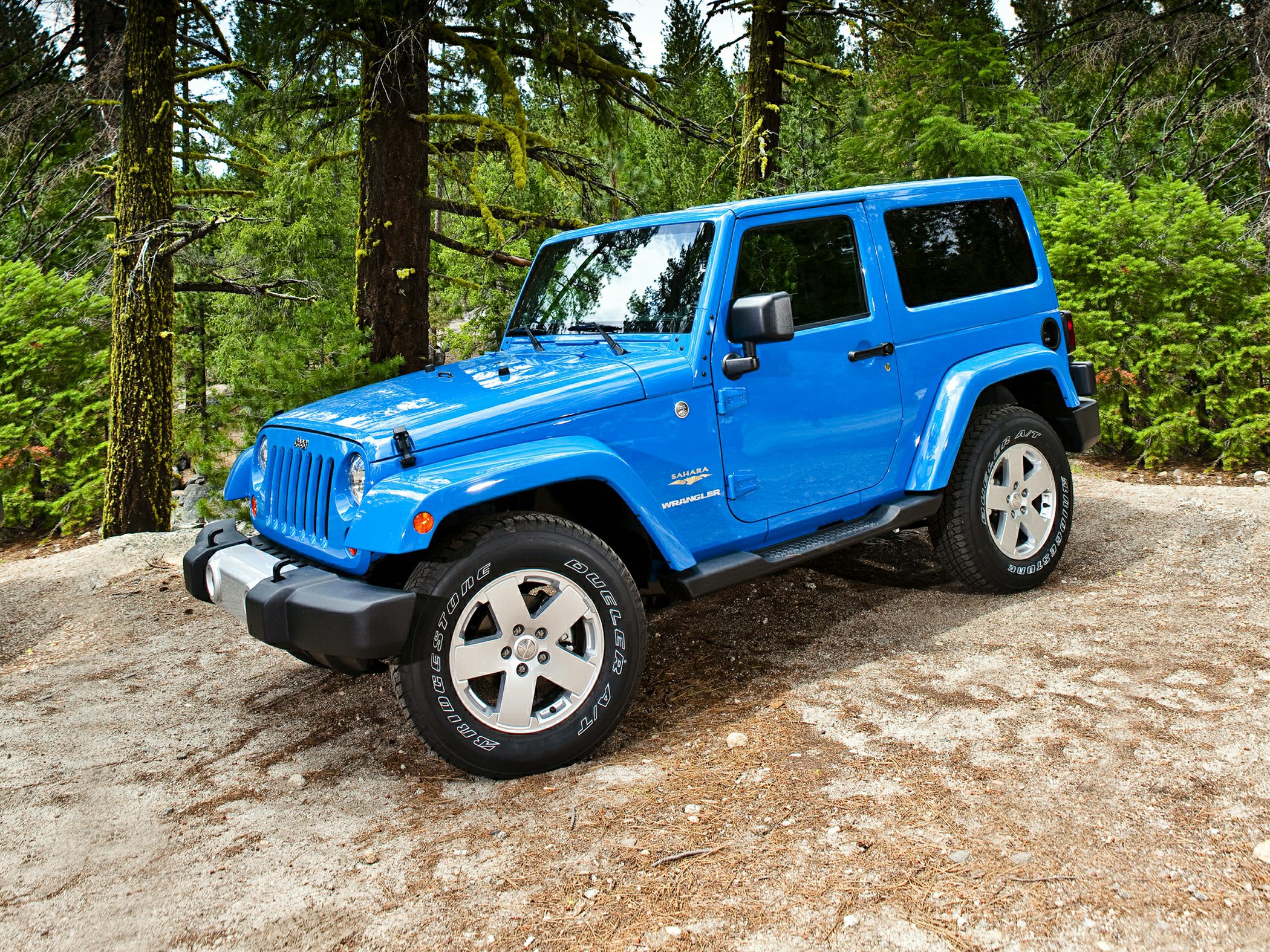
The Jeep Wrangler is famous for off-road ability and rugged style. It has a high driving position that some beginners like. The Wrangler can handle rough terrain, which is great for adventure seekers. But it is less fuel-efficient and harder to park in tight spaces. Its ride is rougher and less comfortable on paved roads. Also, the Wrangler has a higher rollover risk than other models. New drivers must be cautious and practice safe driving habits.
Jeep Handling And Comfort
Jeep vehicles have a unique appeal for many first-time car buyers. Their rugged look and off-road capabilities attract adventurous drivers. Yet, reliability and maintenance are crucial factors to consider before choosing a Jeep as a first car. Understanding common issues and the cost of ownership helps new drivers make smarter choices.
Common Issues To Watch
Jeeps, especially older models, can have some frequent problems. Electrical glitches may affect the dashboard or lights. Suspension parts might wear out faster due to rough use. Some Jeep models face transmission troubles, causing rough shifts. Rust can appear on the body if not properly cared for. Regular checks can catch these issues early and save money. Knowing these helps new drivers avoid surprises.
Long-term Ownership Costs
Owning a Jeep involves some extra costs compared to regular cars. Fuel consumption tends to be higher, which raises monthly expenses. Repairs can cost more because of specialized parts. Insurance rates might be higher due to the vehicle type. Maintenance like oil changes and brake service is essential to keep Jeeps running well. Planning for these costs ensures a better ownership experience for first-time buyers.
Credit: www.gillmanchryslerdodgeram.com
Jeep Reliability And Maintenance
Fuel economy plays a big role when choosing a first car. For many new drivers, saving money on gas is important. Jeeps often have larger engines and tougher builds. This can affect how much fuel they use. Understanding these factors helps decide if a Jeep fits your budget.
Typical Gas Consumption
Jeeps usually consume more gas than smaller cars. A Jeep Wrangler, for example, gets about 17 to 25 miles per gallon. This range depends on the model and driving conditions. City driving lowers fuel efficiency more than highway driving. Larger tires and four-wheel drive systems also use more fuel.
Fuel consumption varies across Jeep models. Some newer models try to improve mileage with better engines. Still, most Jeeps focus on power and off-road ability over fuel savings. This is important to keep in mind for daily driving costs.
Comparisons With Other First Cars
Many first cars like the Toyota Corolla or Honda Civic offer better fuel economy. These cars usually get between 28 and 36 miles per gallon. Smaller engines and lighter weight help them save fuel. They also cost less to fill up regularly.
Compared to compact sedans or hatchbacks, Jeeps use more gas. This can mean higher monthly expenses on fuel. For new drivers needing an affordable car, this is a key factor. However, if you want a rugged vehicle for rough roads, a Jeep might be worth the extra fuel cost.
Fuel Economy Considerations
Choosing a Jeep as a first car involves careful thought about insurance and budget. These two factors play a major role in deciding if a Jeep fits your needs. Understanding costs helps you avoid surprises later. Budgeting wisely ensures you can afford the car and its expenses.
Insurance Costs For Jeeps
Jeeps often cost more to insure than small sedans. Their size and off-road ability make them riskier for insurance companies. Some models, like the Wrangler, may have higher premiums. This is due to their higher repair costs and rollover risk.
Insurance prices also depend on your age, driving record, and location. Young drivers usually pay more for Jeep insurance. It is important to get insurance quotes before buying. Comparing rates can help you find the best deal.
Affordable Used Jeep Options
Used Jeeps can be budget-friendly first cars. Older models cost less but may need more maintenance. Look for well-maintained Jeeps with service records. Buying from trusted sellers reduces risks of hidden problems.
Popular used Jeep models include the Jeep Cherokee and Patriot. They offer good value and lower insurance costs than the Wrangler. Choosing a used Jeep keeps your initial costs down. It also gives you time to save for future expenses.
Credit: www.gillmanchryslerdodgeram.com
Insurance And Budget Factors
Jeeps offer a unique blend of versatility and lifestyle appeal. They suit drivers who enjoy both city life and outdoor adventures. Their design supports many activities, making them popular for various uses.
Choosing a Jeep means embracing a lifestyle that values freedom and exploration. These vehicles adapt well to changing needs, from daily commutes to weekend trips. This flexibility is a key reason many consider Jeeps as first cars.
Off-road And Urban Use
Jeeps perform well on rough terrain and smooth city roads. Their strong suspension handles dirt trails and potholes with ease. This makes them reliable for both off-road trips and everyday driving.
Urban driving is comfortable thanks to their manageable size and good visibility. Parking and navigating tight streets become simpler tasks. This balance helps new drivers feel confident behind the wheel.
Adaptability For Different Needs
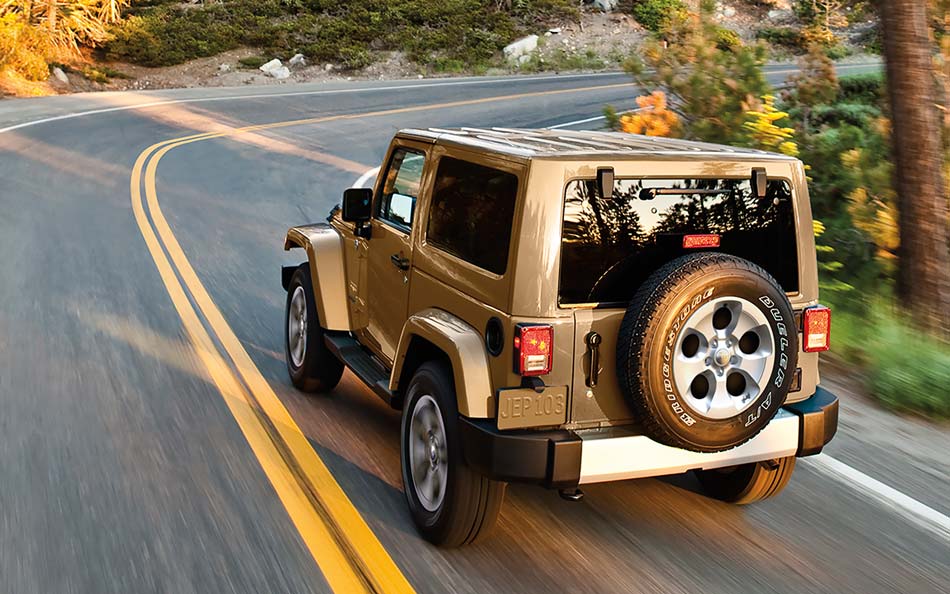
Jeeps come in various models to fit different lifestyles. Some have removable tops and doors for open-air driving fun. Others offer extra cargo space for gear or shopping trips.
The interior layout often includes flexible seating and storage options. This adaptability means a Jeep can serve as a daily driver or adventure vehicle. It meets the needs of many first-time car owners.
Jeep Versatility And Lifestyle
Choosing a first car is an important decision. Jeeps offer unique features but are not the only option. Many drivers prefer alternatives that balance safety, cost, and ease of use. Exploring different car types helps new drivers find the best fit for their needs.
Compact Suvs And Sedans
Compact SUVs provide higher seating and good visibility. Models like the Honda CR-V and Subaru Crosstrek come with standard safety features. They often have all-wheel drive, useful for varied weather conditions.
Sedans such as the Toyota Corolla and Honda Civic remain popular first cars. These vehicles are easy to drive and park in tight spaces. They offer excellent fuel efficiency and lower insurance costs. Sedans also tend to have smoother rides and simpler controls.
Safety And Cost Comparisons
Safety is key for first-time drivers. Many compact SUVs and sedans earn high safety ratings from IIHS and NHTSA. Features like automatic emergency braking and lane assist improve driver confidence.
Cost matters too. Compact SUVs usually cost more to buy and insure than sedans. Sedans often have better fuel economy, reducing monthly expenses. Repair and maintenance costs tend to be lower on smaller cars.
Balancing safety and cost can guide new drivers toward smart choices. Reviewing crash test scores and insurance rates helps find affordable, safe options.
Frequently Asked Questions
Are Jeeps Good For Beginners?
Jeeps can suit beginners if they choose models with advanced safety features. Compact options like the Renegade offer easier handling. Avoid high-powered or older Jeeps lacking modern safety tech. Proper training and cautious driving improve safety for new Jeep owners.
What’s A Good First Car For A 17 Year Old?
A good first car for a 17-year-old is reliable, safe, and affordable. Consider models like Toyota Corolla, Honda Civic, or Subaru Forester. Prioritize safety features, good handling, and low insurance costs. Avoid high-powered sports cars and very old vehicles lacking modern safety technology.
Do Jeeps Really Flip Easily?
Jeeps, especially Wranglers, have a higher rollover risk due to their design. Careful driving and safety features reduce this risk effectively.
Are Jeeps Safe For Teenage Drivers?
Jeeps can be safe for teenage drivers if equipped with modern safety features. Choose models like the Renegade or Grand Cherokee. Prioritize driver training, vehicle maintenance, and clear driving rules to enhance safety. Avoid high-risk models like heavily modified Wranglers due to rollover concerns.
Conclusion
Jeeps can be a good first car for some drivers. They offer solid safety features and strong build quality. Still, their higher rollover risk means cautious driving is essential. Choose a modern model with updated safety systems. Consider insurance costs and fuel efficiency before deciding.
Test driving and comparing with other vehicles helps too. Ultimately, a Jeep fits well if you value durability and off-road ability. Think about your personal needs and driving habits carefully. A thoughtful choice will lead to a safer, happier driving experience.